
Locations & Travel
Hong Kong
Location overiew
The City That Inspired Hong Kong Gone
For me, there are places that just write themselves into a book. Hong Kong was one of those places.
A City of Contrasts
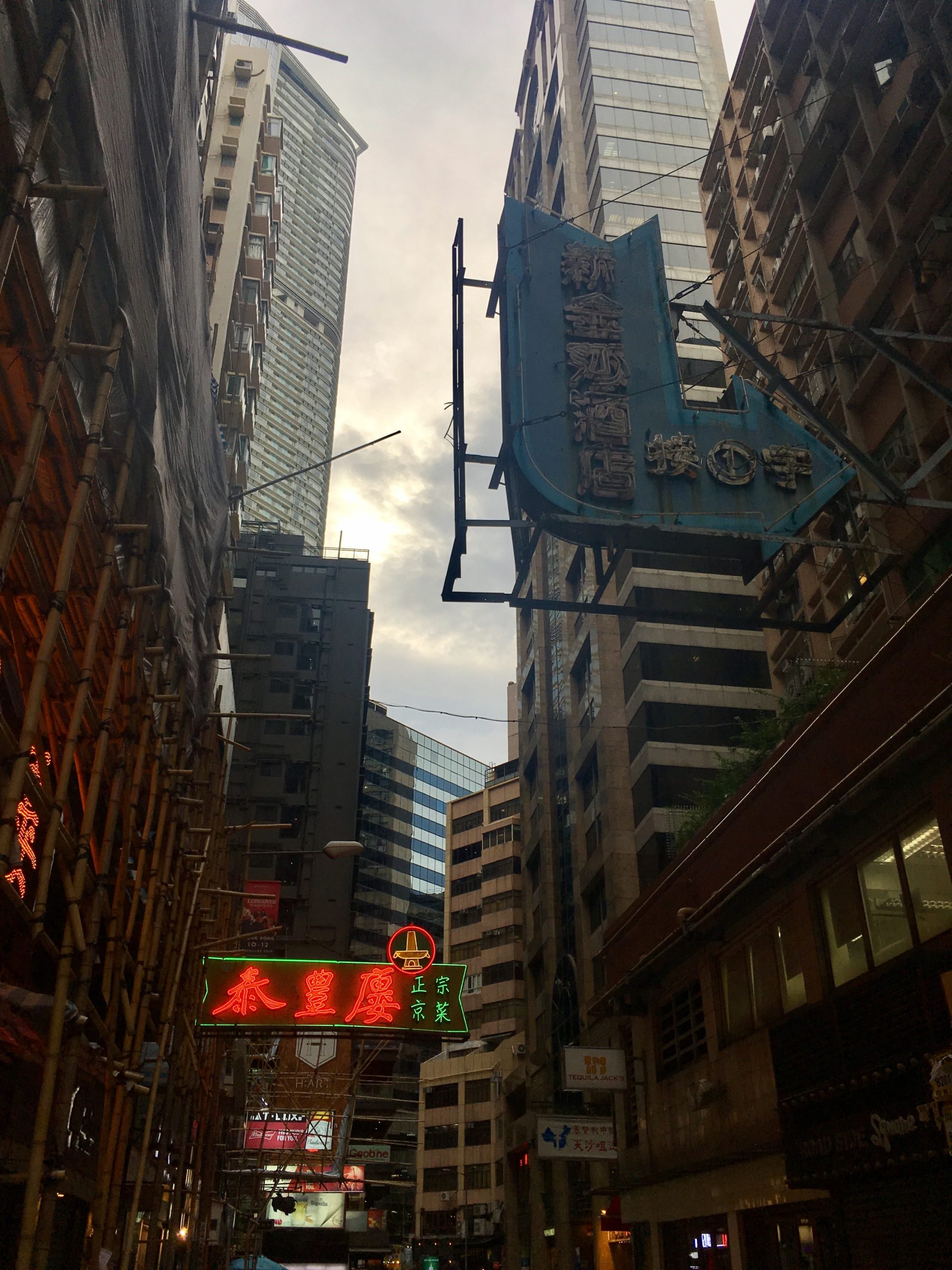
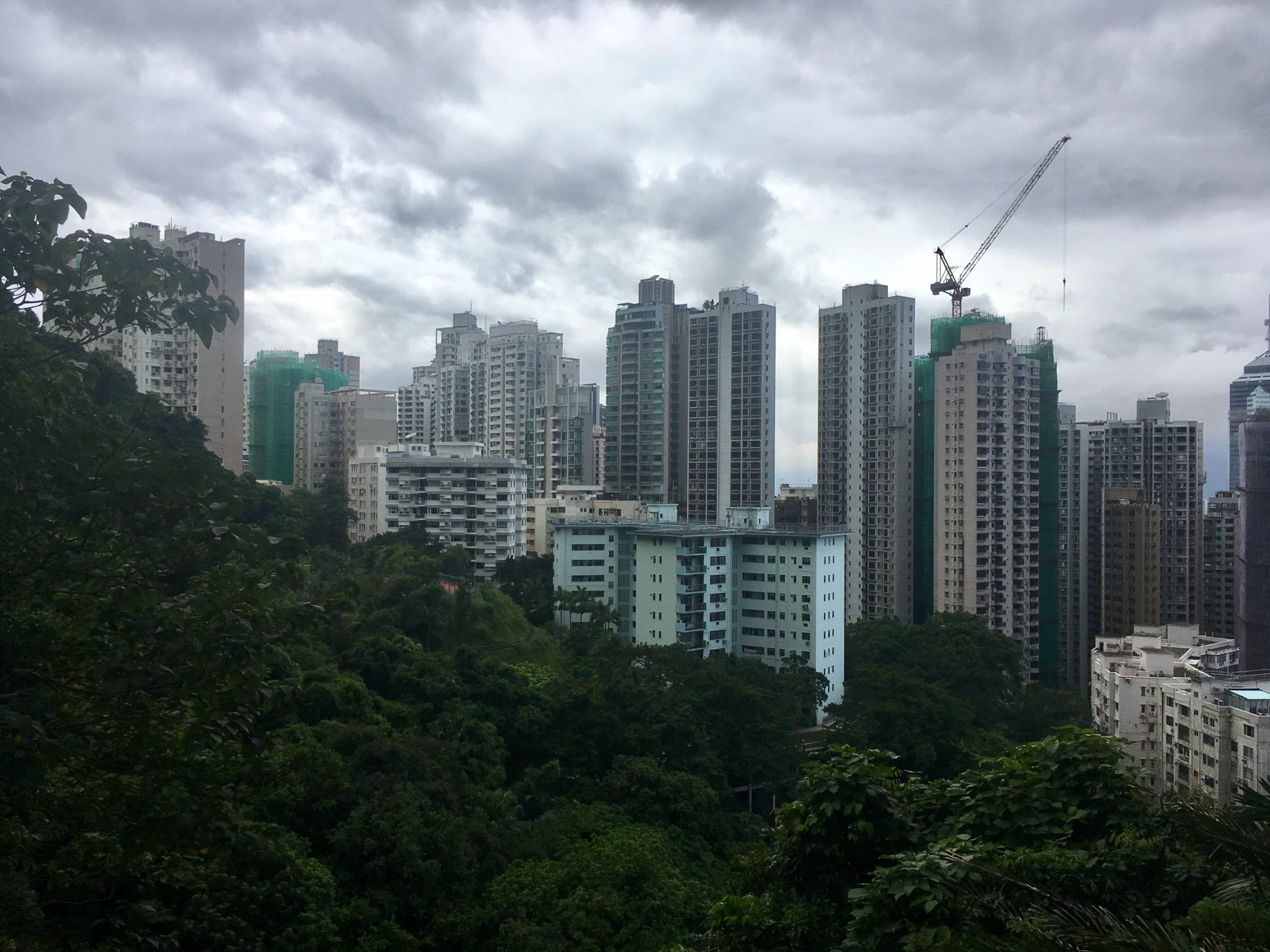
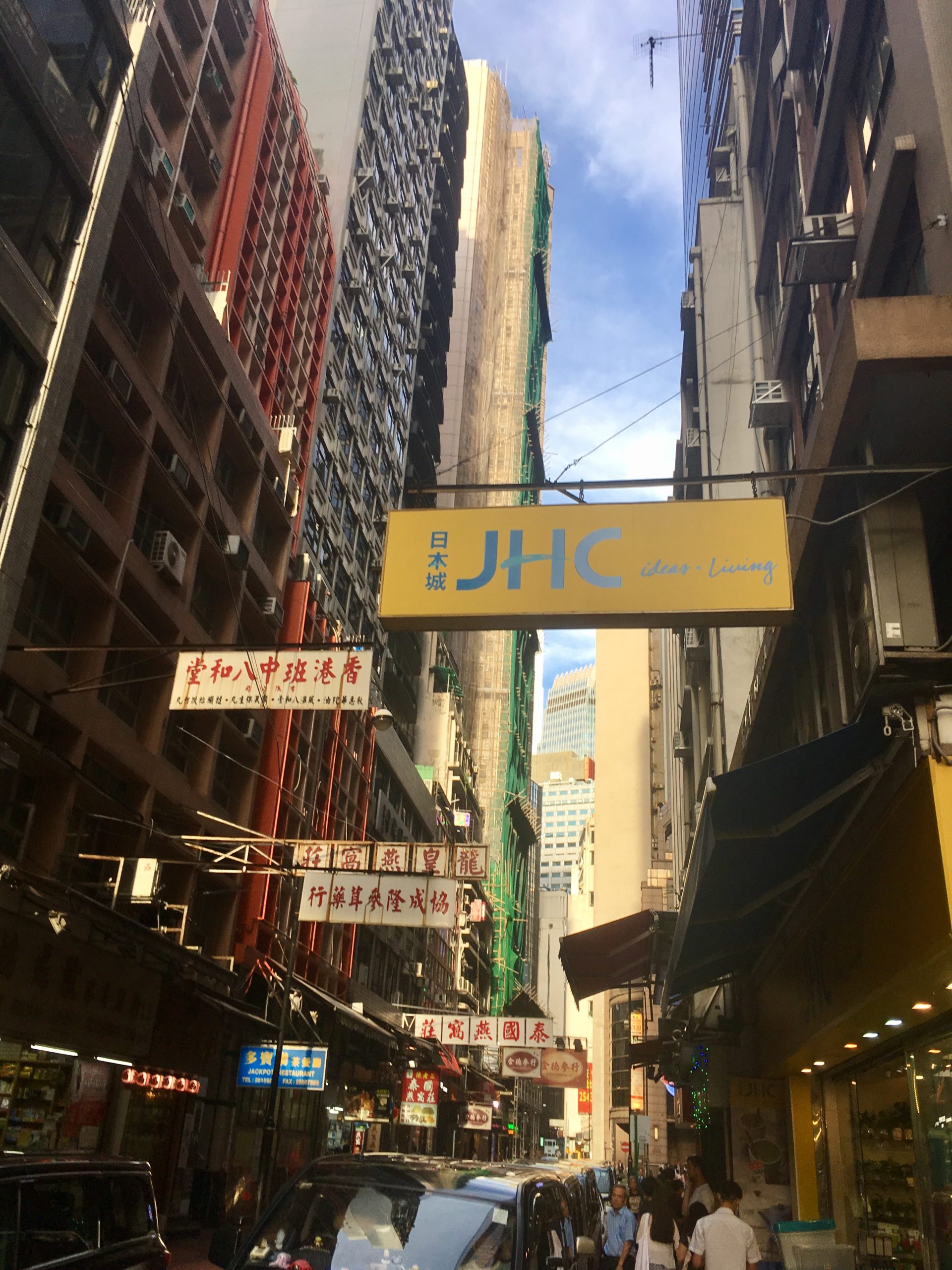
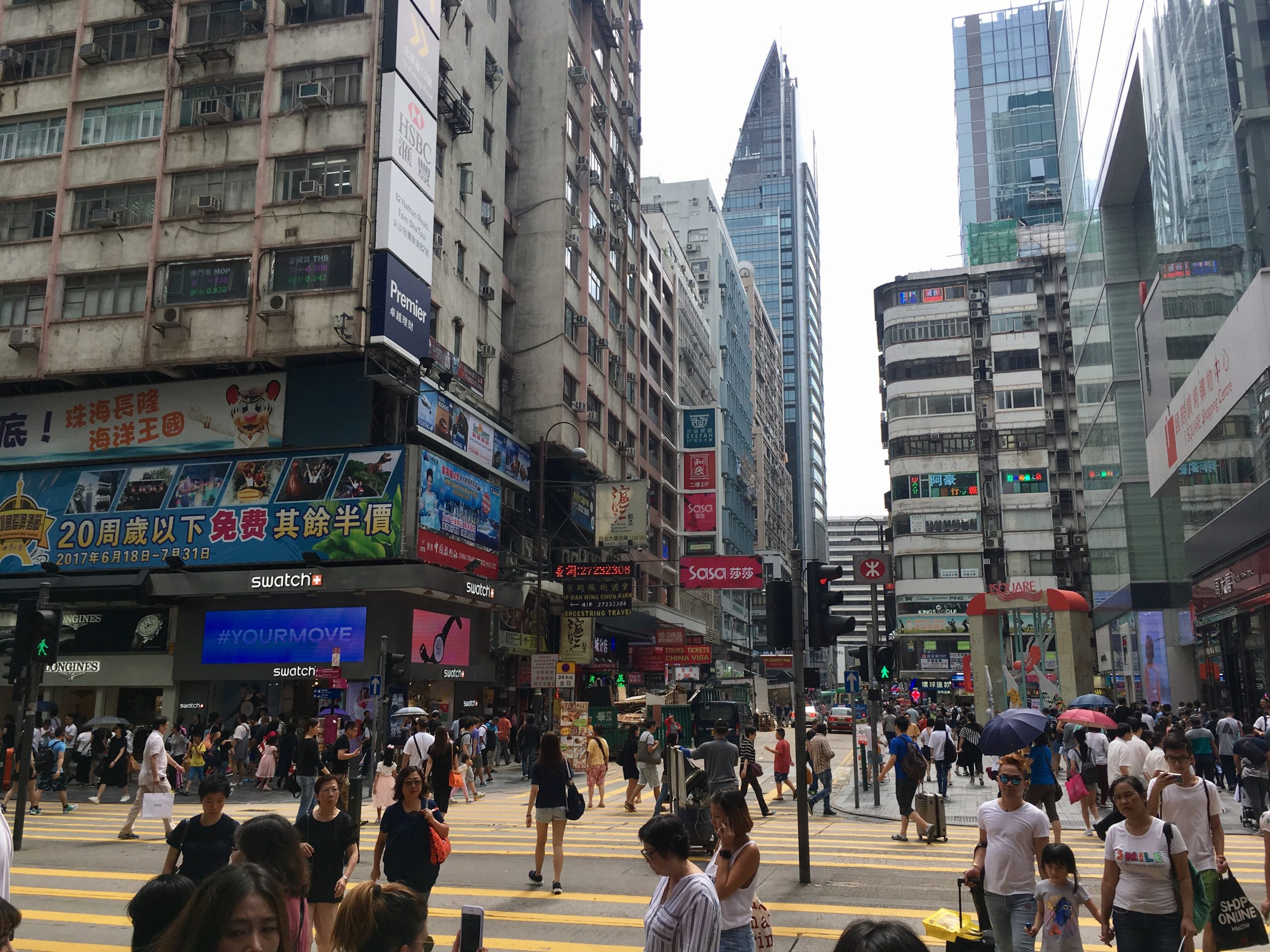
One of the things that draws me to Asian cities is the contrast. There’s something magical about how skyscrapers stand shoulder to shoulder with thousand-year-old temples, and traditional junk boats are moored alongside million-pound yachts. It’s ancient and ultra-modern, crammed into the same street, the same view, the same breath. Nowhere makes that contrast more vivid than Hong Kong.
It’s also a city that feels like it’s in constant flux — always pushing itself forward, always rebuilding, always becoming something slightly different from what it was the day before. Some of that change is obvious and aggressive, and some of it is far more subtle, and perhaps more interesting for it.
The People Behind the Skyline
What really caught my attention, though, was the people you don’t necessarily see on the postcards. The ordinary working people of the city — those living in the older apartment blocks, keeping the place clean and moving, doing the essential work that a city like this runs on.
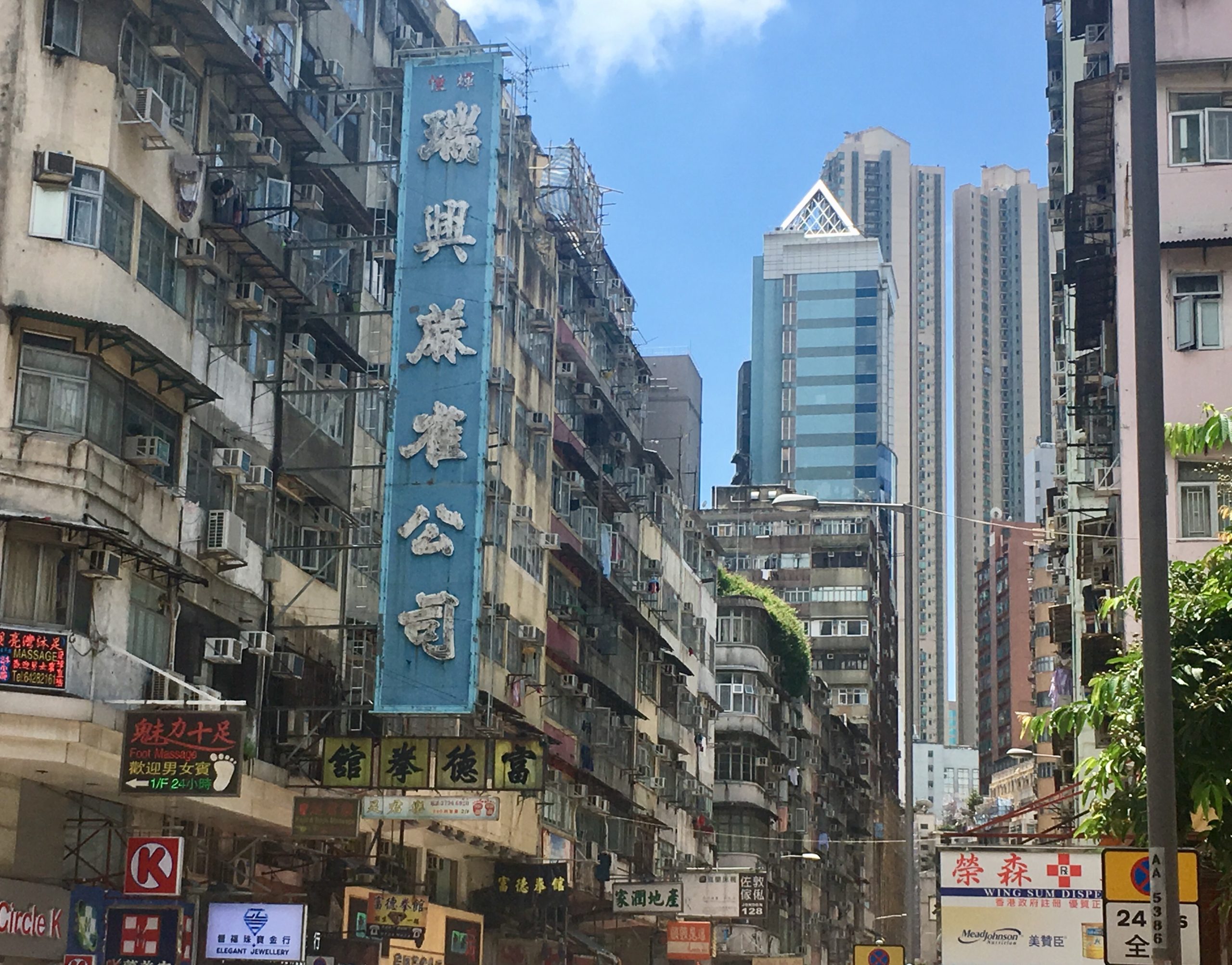
I set part of the book in the building I stayed in in Kowloon, an older concrete structure shared by locals and a few small hotels. A few reviewers guessed the name of the real place too! As described in the book, it was a wonderful microcosm of life, hidden above a shopping mall between glittering skyscrapers. I enjoyed my few days there, communicating just in smiles with the residents. Fortunately, as far as I know, none of the bad things I described were anything more than a figment of my imagination.
Travelling through, I couldn’t shake the feeling that these ordinary people were being pushed to the margins, forgotten in the race to modernise. It’s something that happens in cities all over the world, but it struck me particularly in Hong Kong. That thread became central to the story. It’s not a political book — I’ll be honest, international politics isn’t really my area — but it is, at its heart, a story about underdogs. About the people a city like Hong Kong can leave behind.
A City in the News
In fact, shortly after I published the book, Hong Kong was frequently in the news, with the struggle of the residents against the Chinese Government. In 2019, the city witnessed large-scale protests that began in opposition to a proposed extradition bill, which would have allowed the extradition of criminal suspects to mainland China. Many Hong Kongers feared that this bill would undermine the city’s autonomy and expose residents to unfair trials and violent treatment.
The protests, which started peacefully, soon escalated into violent clashes between protesters and police. The demonstrators’ demands expanded to include calls for democratic reforms, an investigation into alleged police brutality, and the resignation of Hong Kong’s leader, Carrie Lam.
The protests continued for months, with many young Hong Kongers at the forefront of the movement. The city’s economy was severely impacted, with businesses struggling and tourism numbers plummeting. The Chinese government responded with increasing assertiveness, imposing a controversial national security law in 2020 that critics say has been used to silence dissent and erode Hong Kong’s freedoms.
While the struggles and protests aren’t explicitly mentioned in this narrative — as it was set around my trip a year before — they serve as a backdrop to the complex and dynamic nature of Hong Kong. The city’s unique history, as a former British colony and now a special administrative region of China, has shaped its identity and the tensions that continue to define it. As a writer, I find these contrasts and conflicts a rich source of inspiration. They offer a glimpse into the human experience in a city that is constantly reinventing itself.
Things to Do in Hong Kong
I actually visited Hong Kong twice, for the first and last few days of a month around China. I certainly packed a lot in during that time, so if you should find yourself there, here are a few ideas.
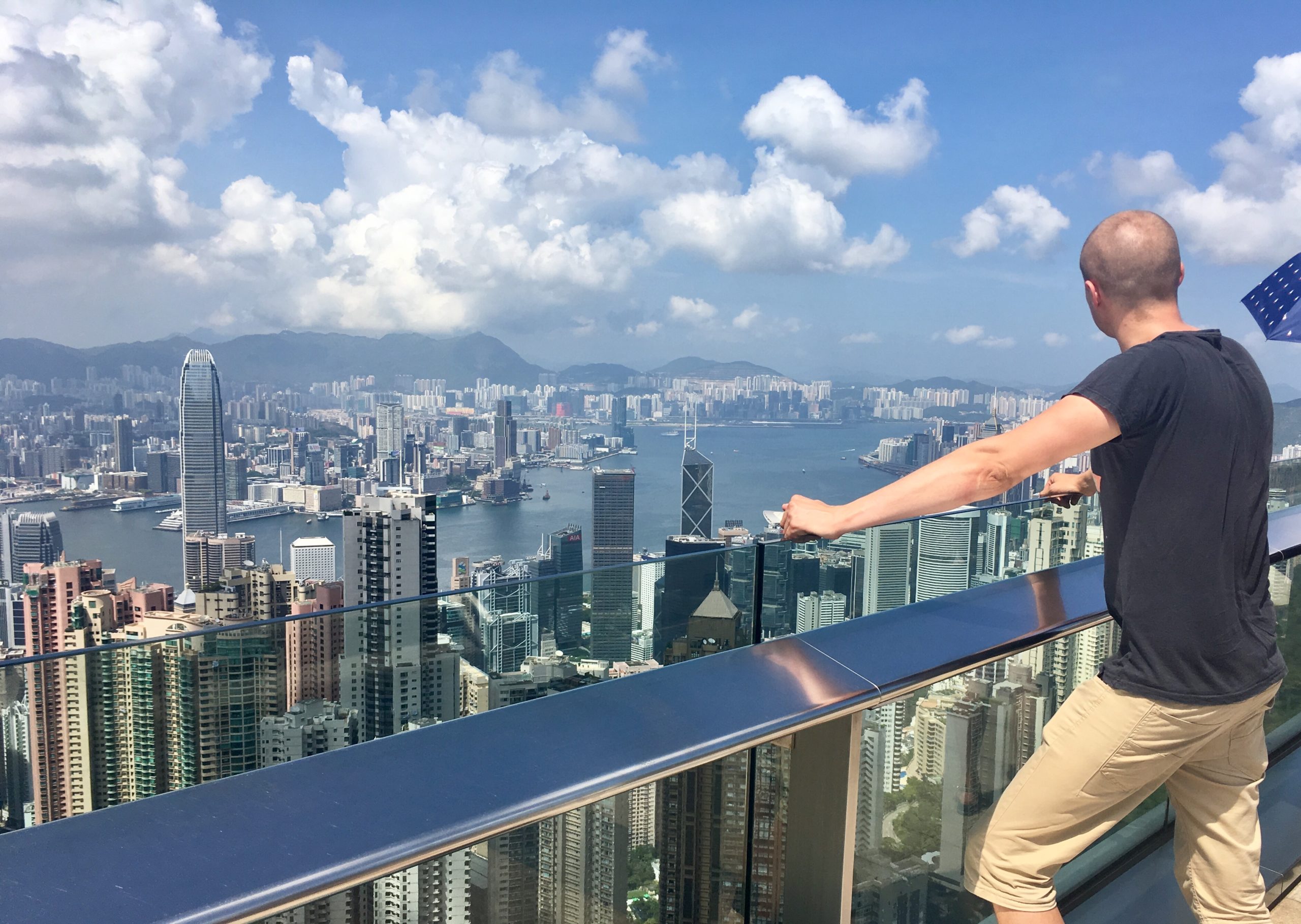
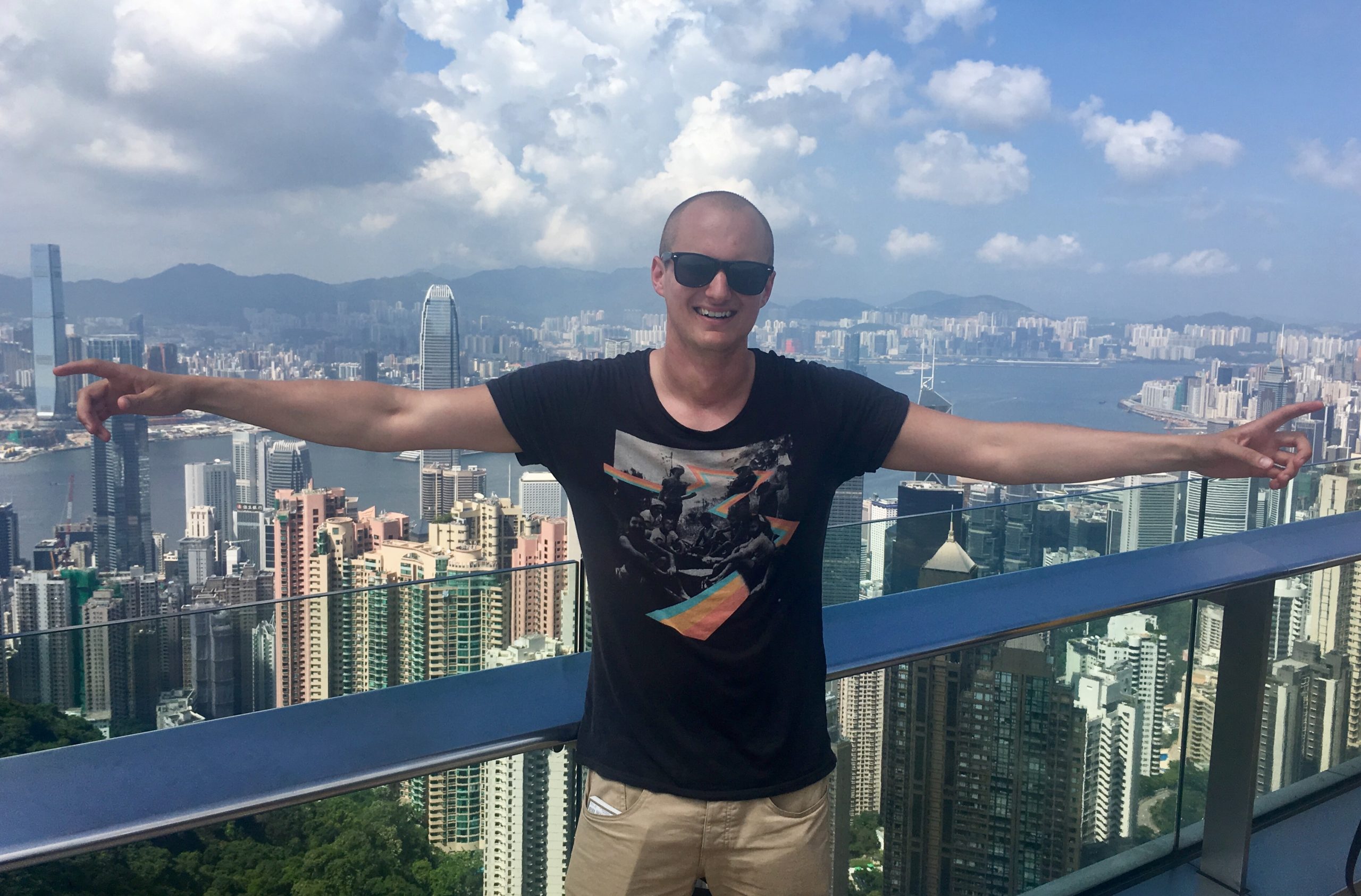
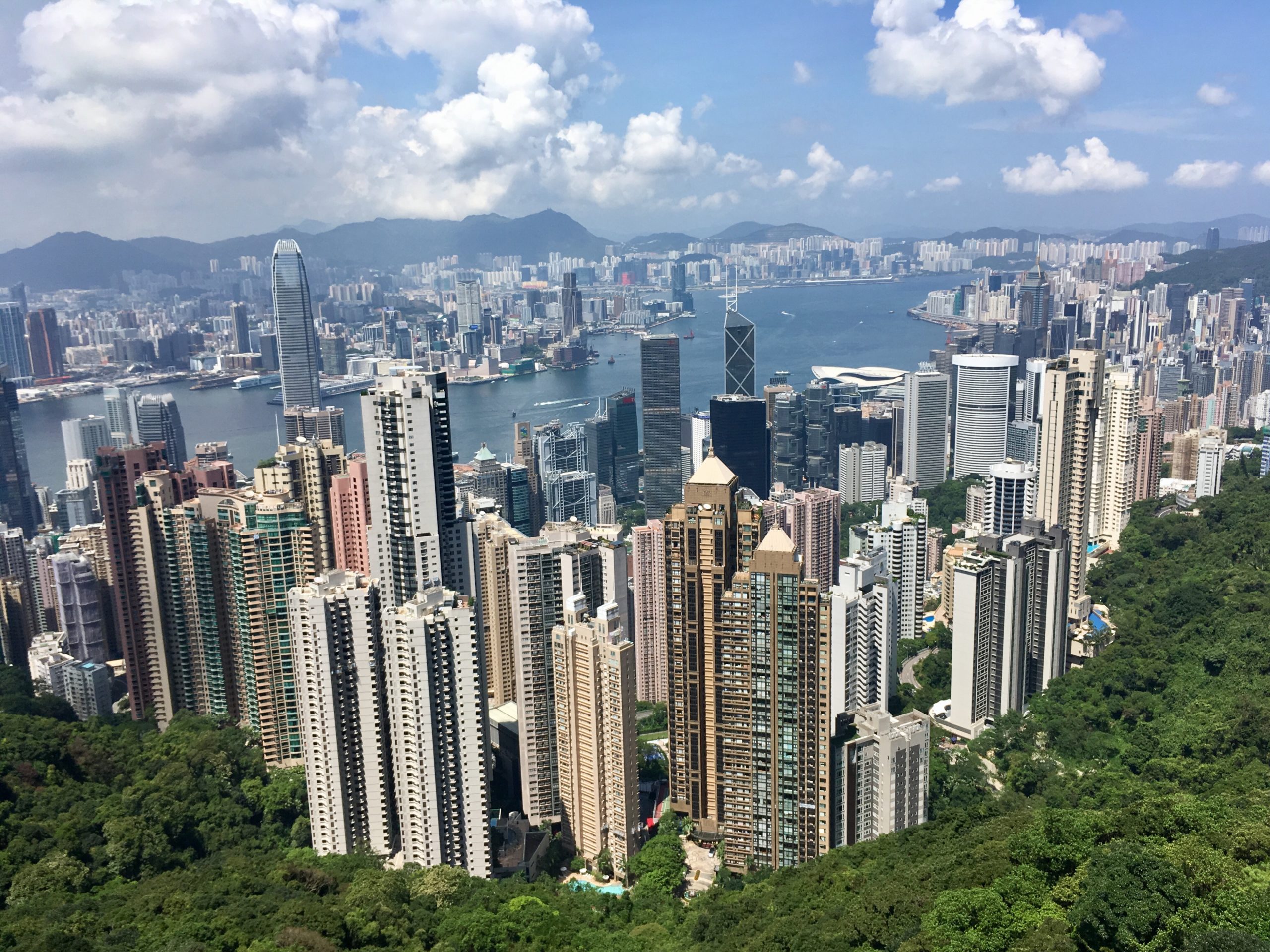
Hike the Peak
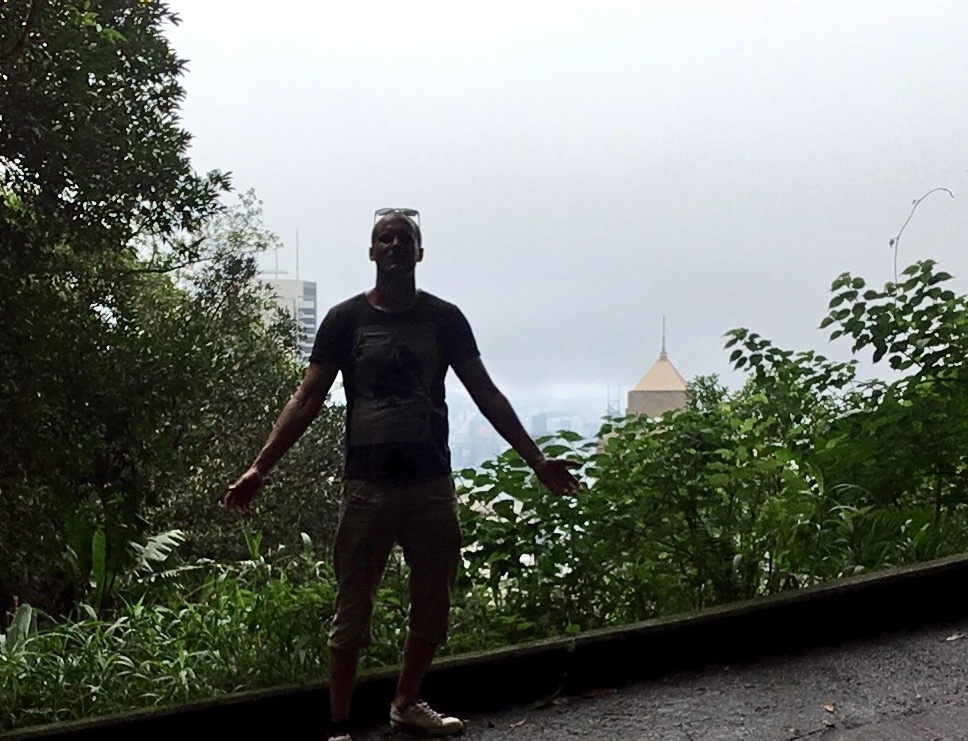
This is one of the world’s truly iconic views — looking down over a forest of skyscrapers with the harbour beyond. You can take a taxi, bus, or the famous funicular tram to the top, or just walk.
The Symphony of Lights
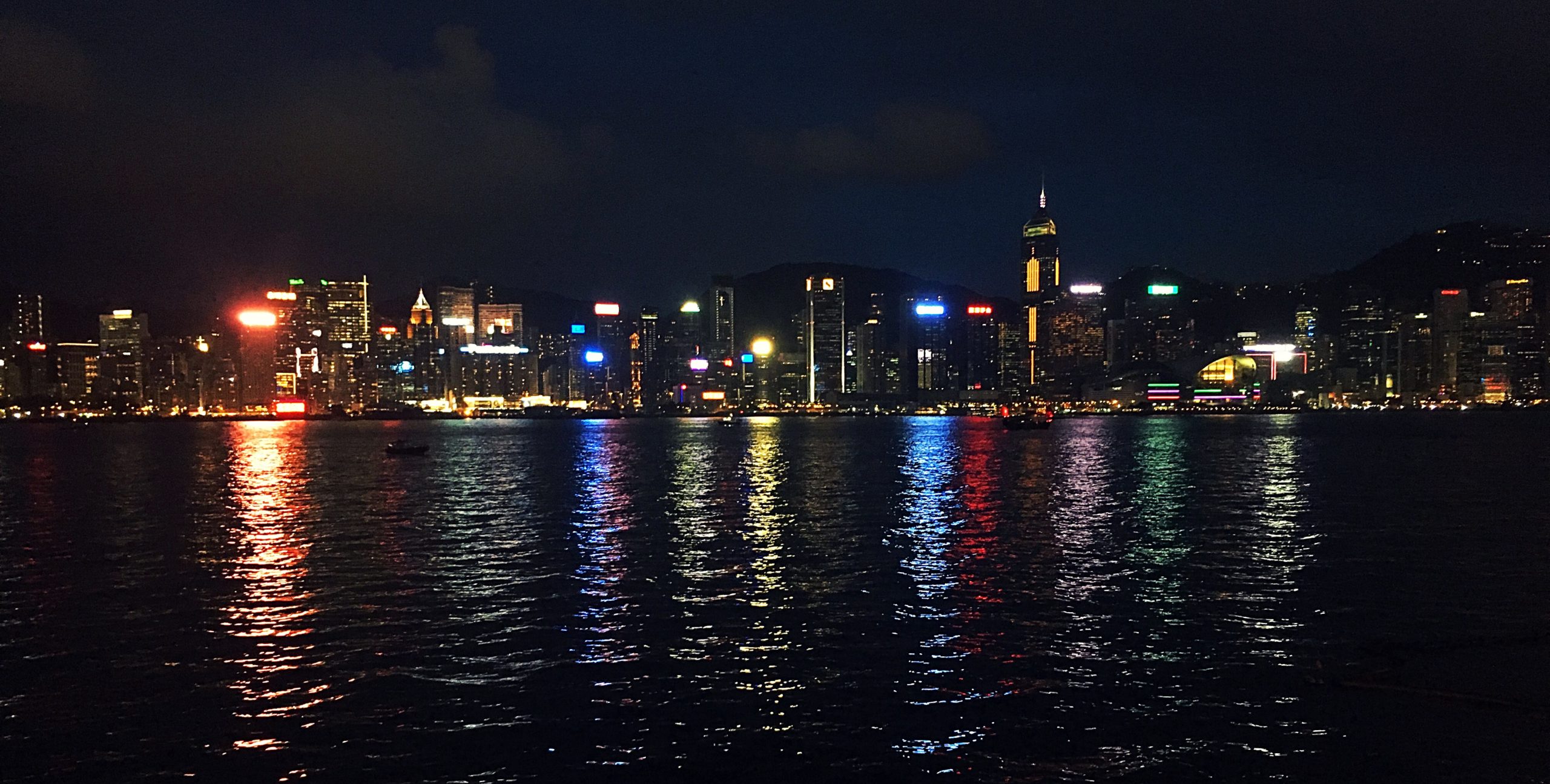
I haven’t seen anything like this anywhere else in the world. A fellow traveller described it as “like drugs, without the drugs.” Head to the Kowloon side of Victoria Harbour just before sunset, and watch the buildings on the opposite bank flash, strobe, and change colour in time to music. Extraordinary.
The Star Ferry
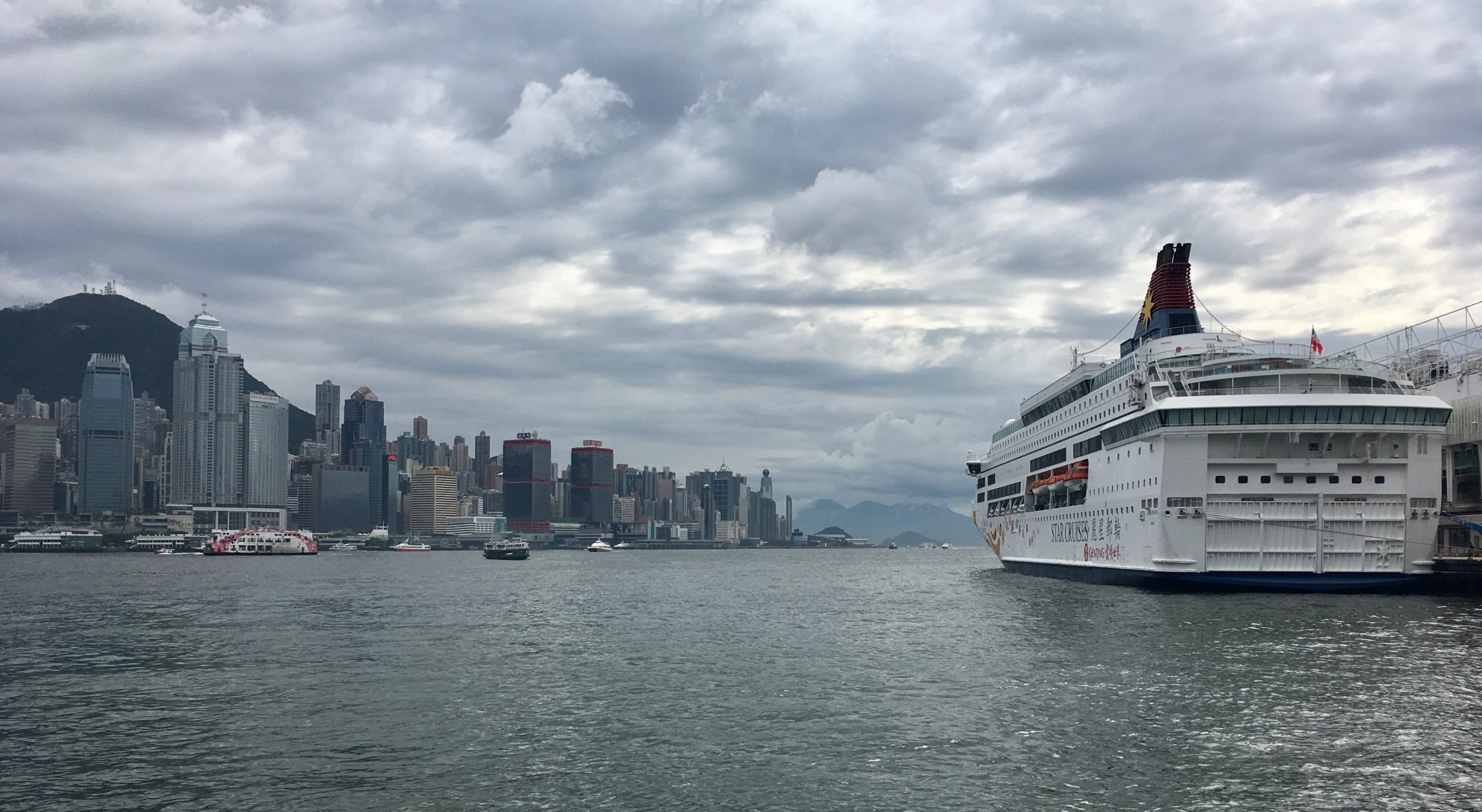
Running since 1888, this little cross-harbour ferry is one of the great travel experiences — cheap, short, and with a view that must have changed almost beyond recognition over the decades it’s been operating.
Man Mo Temple
One of the most striking and historic temples in the city. A moment of calm, incense-filled stillness in the middle of all that urban intensity.
Temple Street Night Market
There are several markets in Hong Kong, but Temple Street is the one that really comes alive after dark, opening up just as the others are shutting down. I’m not much of a shopper, so I pulled up a plastic stool outside one of the restaurants, ordered a bowl of noodles, and spent a couple of very happy hours just watching the crowds go by. Don’t miss the fortune tellers.
Tian Tan Buddha
Known simply as the Big Buddha, this 34-metre statue sits on Lantau Island, on the site of the Po Lin Monastery. Well worth the trip out of the city.
Nathan Road
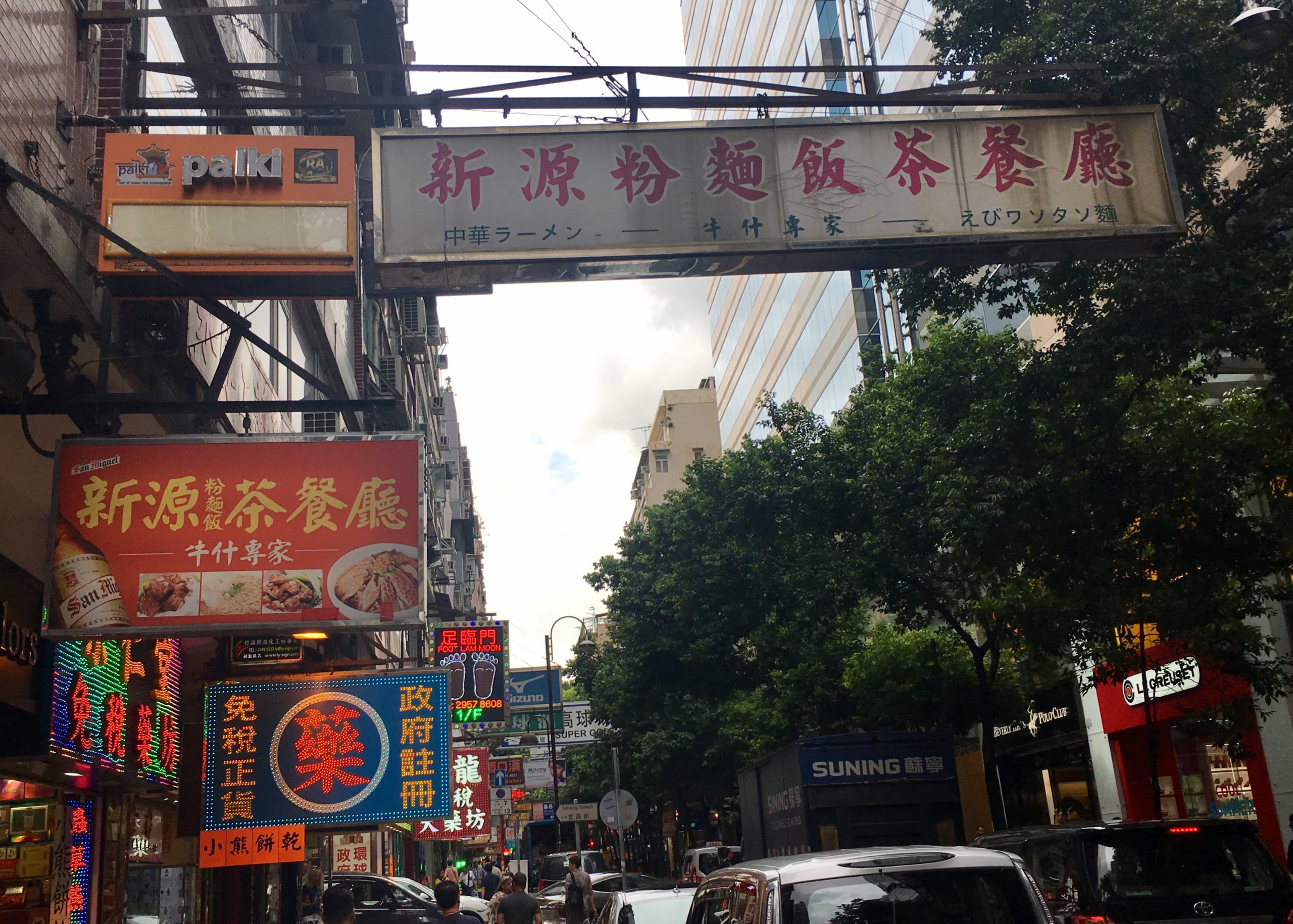
The spine of Kowloon, and a great place to just walk and take everything in — designer shops, local restaurants, street food, and an endless stream of hawkers trying to sell you things you almost certainly don’t need.
Lan Kwai Fong
If a late night is your thing, this is where you want to end up. Over a hundred bars and clubs, music rattling out of every doorway once the sun goes down. My suggestion: watch the light show, take the Star Ferry across the water, and then head straight here for dancing until the early hours. You can sleep when you’re home.
A City That Makes You Think
Hong Kong is a city that makes you think. Not in the quiet, contemplative way that, say, a monastery in the Himalayas might — but in that restless, slightly unsettled way that only the most alive places can manage. You walk its streets and you feel the energy of it, the ambition, the pace. And somewhere underneath all of that, if you’re paying attention, you catch a glimpse of the people holding it all together.
That’s what stayed with me. Not the skyline, as breathtaking as it is. Not the light show, or the harbour view from the Peak, or the noodles on a plastic stool at midnight — though all of those lodged themselves somewhere in my memory too. It was the sense of a city with two stories running in parallel, one loud and glittering, one quieter and largely untold.
I’m so grateful that as a writer I get the chance to tell that quieter story, and to highlight those people that are so often overlooked.
An Excerpt from Hong Kong Gone
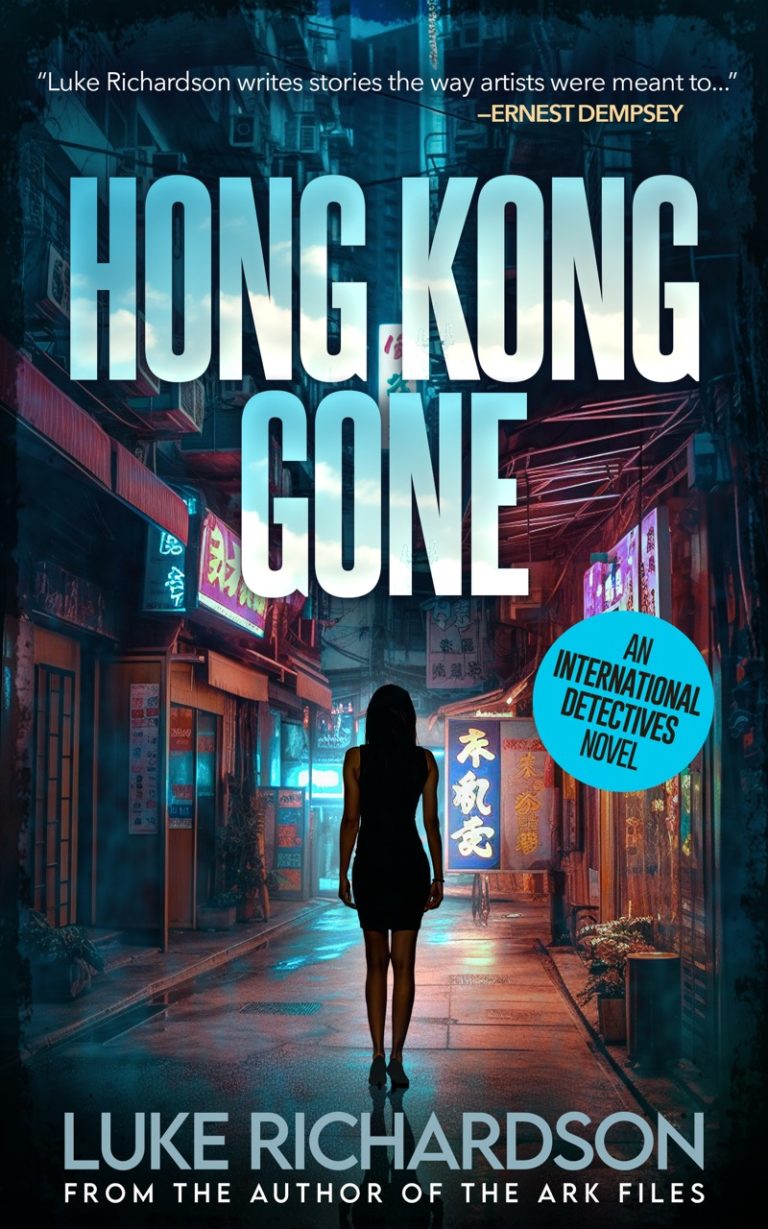
To introduce you to the city, here’s a chapter from Hong Kong Gone.
Nathan Mansions
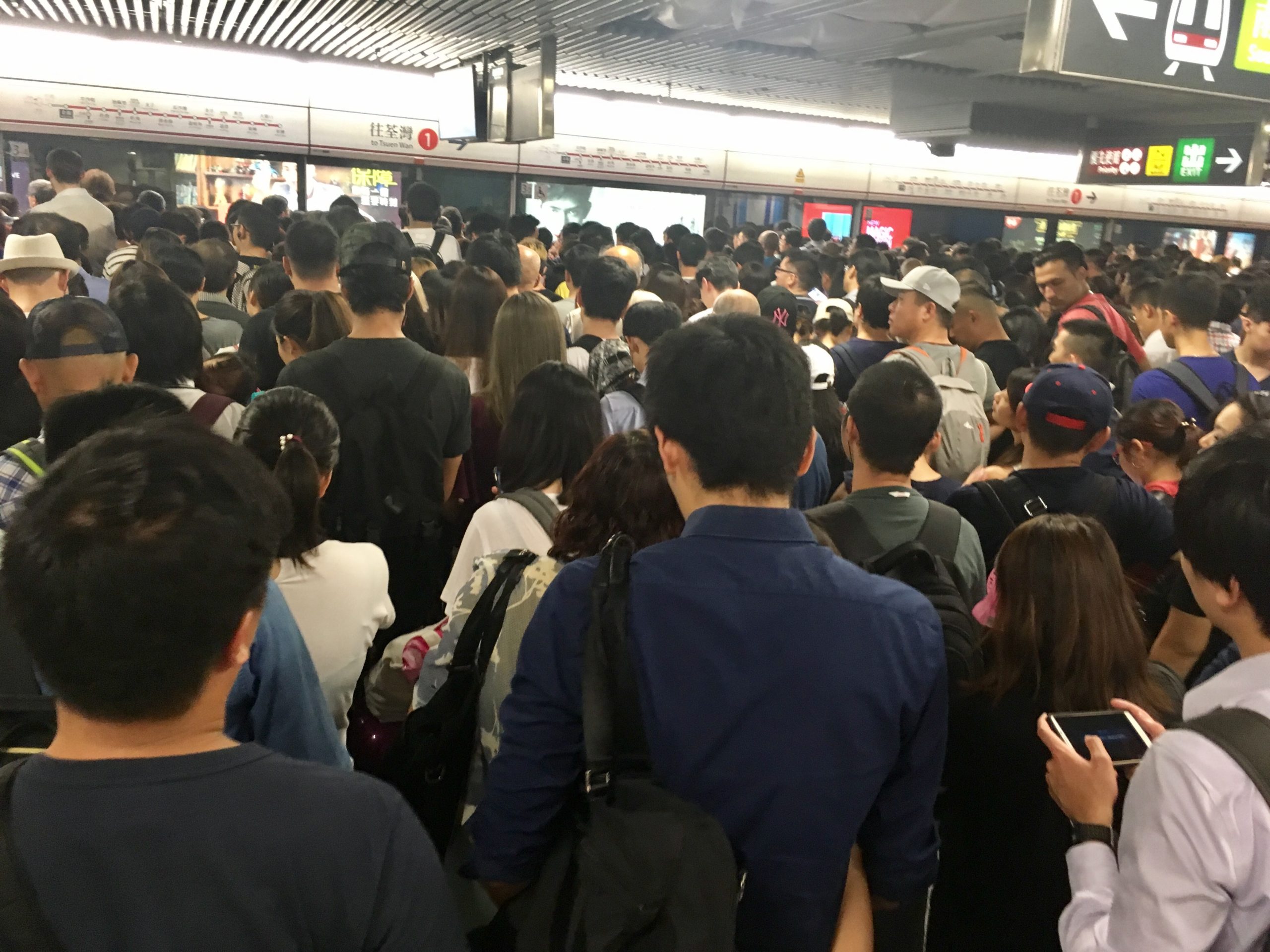
“How far is it?” Allissa asked nearly three hours later as they hustled from the metro station and onto the wide pavement of Nathan Road in downtown Kowloon. Although the daylight was fading, the street still thronged with people.
“Nathan Mansions, two hundred Nathan Road.” Leo glanced from the map on his phone to the surrounding buildings. People jostled around them.
“It’s up here. Not far.”
Leo had only booked the hotel the day before. It was reasonably priced considering its location and the last-minute booking.
Allissa showed little confidence in Leo’s choice but had said that as long as it contained a bed and a bathroom, she’d make do.
Fortunately, Chloë and her family had offered to foot the bill for their costs, which meant that at least Leo and Allissa wouldn’t lose money. Even so, Leo couldn’t help but agonise over all the highly paid cases which they should probably be getting on with.
Allissa followed Leo past radiant displays of jewellery, designer clothes, and shoes. Maybe it was the sporadic moments of sleep on the long flight, or the time difference, or perhaps the different air, but Allissa stared around, dazed and confused. Everything here seemed very loud, boisterous, colourful, and vibrant.
She paused to watch a video of a supermodel blowing kisses from a giant screen on the side of a building.
“Found it,” Leo said. Grinning, he pointed to a discoloured concrete building further up the road.
Allissa looked at the building, which was small and decrepit compared to the surrounding structures of glass and chrome. She read a few of the signs in the grimy windows which advertised rooms for rent, and various other services she didn’t want to consider too closely.
“As long as it has a bed and a bathroom,” Allissa mumbled to herself.
“What?” Leo asked, already striding ahead towards a crosswalk.
“Nothing,” Allissa said sweetly, forcing a tired smile.
As Leo and Allissa crossed the road, the building appeared to be even more run down. Mould covered the concrete in glistening patches and water dripped down onto the street, leaving brown, rancid stains. Most of the windows were filth-covered, leaving Allissa to wonder who actually lived there. Signs around the entrance advertised a dozen or so hostels which occupied the building, though in no logical order.
“Looks great,” Allissa said, stepping past a group of men smoking by the door.
On the ground floor, shops and stalls overflowed with clothes, electronics, and cheap jewellery. Leo and Allissa ignored the cries of the salesmen and hustled towards the elevators.
“You need suit. Best suit in Hong Kong!” one of the men shouted, thrusting a jacket in front of Leo as he passed.
“Dresses for the lady!” another man yelled, flapping a glitzy dress in the air.
“Shoes and belts. Come look, come see, just look!” cried a third, waving and smiling towards Leo and Allissa.
Allissa shooed the men away and followed the signs to the elevators at the rear of the mall. Two young Chinese men in leather jackets, a pair of whispering tourists, and a woman with two children all waited for the next available elevator. Allissa glanced at the woman, who carried a basket of yellowed washing under one arm and clasped the hands of her two small children with the other. The kids eyed Leo and Allissa suspiciously.
Allissa smiled at the children. They stepped in behind their mother’s legs but continued to peer at Leo and Allissa.
Allissa waved, and one of the children edged forward to get a better view. Allissa stuck her tongue out. The children smiled. Allissa screwed up her face and blew out her cheeks. The children erupted into high-pitched laughter.
Wheezing like an old man climbing the stairs, the elevator doors slid open. The mother shuffled inside, dragging her children along too.
Allissa pulled the face again as the doors closed. The children’s giggles faded as the elevator car grunted upwards.
Leo and Allissa stepped into the next available elevator. Leo pressed the button for the eighth floor. The doors laboured closed, and they rattled upwards.
After an incredibly long time, the elevator slowed, made several painstaking incremental adjustments in height, and the doors scraped open.
Expecting a gloomy corridor, Allissa and Leo were surprised when the doors opened into daylight. They stepped through and saw that there was a balcony which ran around an open space in the centre of the building. The gap was forty feet across and open to the deep blue sky above.
Around the balcony, women washed crockery or clothes in buckets, old men smoked, and barefooted children chased each other from the open doors of one apartment to the next. Colourful clothes fluttered like bunting across the space. Allissa gazed across the concrete wall at the balcony’s edge and saw the glass roof of the shopping mall and the balconies of the lower floors below. It was like a village hidden above the mall in the middle of the city.
“This way,” Leo said, turning to the right.
The residents’ doors were open as they ate, cooked, or snoozed. Leo and Allissa passed four grey-haired men, who smiled through the yellow haze of their cigarette smoke. Allissa raised a hand in greeting, and the men did the same.
In the small reception area, a teenage boy took their details, scanned their passports, and issued their keys. Following the young man’s instructions, Leo and Allissa found their room and stepped awkwardly inside the small space.
Allissa did a quick three-sixty. The room was barely big enough for two single beds.
“I like it,” she muttered, her voice oozing with sarcasm.
Luke's Hong Kong FAQ
What are the best things to do in Hong Kong?
Where should I stay in Hong Kong?
How long do I need in Hong Kong?
What is the Symphony of Lights and where do I watch it?
The Symphony of Lights is a nightly light and music show that turns the Hong Kong Island skyline into a synchronised display, with buildings flashing, strobing, and changing colour in time to a soundtrack. It runs every evening at 8pm. The best viewing spot is the Tsim Sha Tsui waterfront on the Kowloon side of Victoria Harbour — arrive just before sunset to get a good position and watch the city light up as darkness falls.
Is the Star Ferry worth taking?
Absolutely. Running since 1888, the Star Ferry is one of the great cheap travel experiences in the world — a short cross-harbour crossing between Kowloon and Hong Kong Island with a view that has changed almost beyond recognition over the decades. It costs very little, takes only a few minutes, and gives you the skyline from sea level. A perfect way to combine getting somewhere with seeing something memorable.
How do I get to the Tian Tan Buddha (Big Buddha)?
The Tian Tan Buddha sits on Lantau Island, on the site of the Po Lin Monastery, and is well worth the trip out of the city. Most visitors take the MTR to Tung Chung, then either the Ngong Ping 360 cable car (for spectacular views over the island and across to the airport) or a local bus up to the monastery. Allow at least half a day for the round trip, and longer if you want to explore the monastery grounds or hike one of the surrounding trails.
My photo gallery
Map
Hong Kong setting
Also in Asia
Read more from Hong Kong
Want to hit the road with me?
This is your chance to travel with me, to share my adventures, and find out what I’m working on.