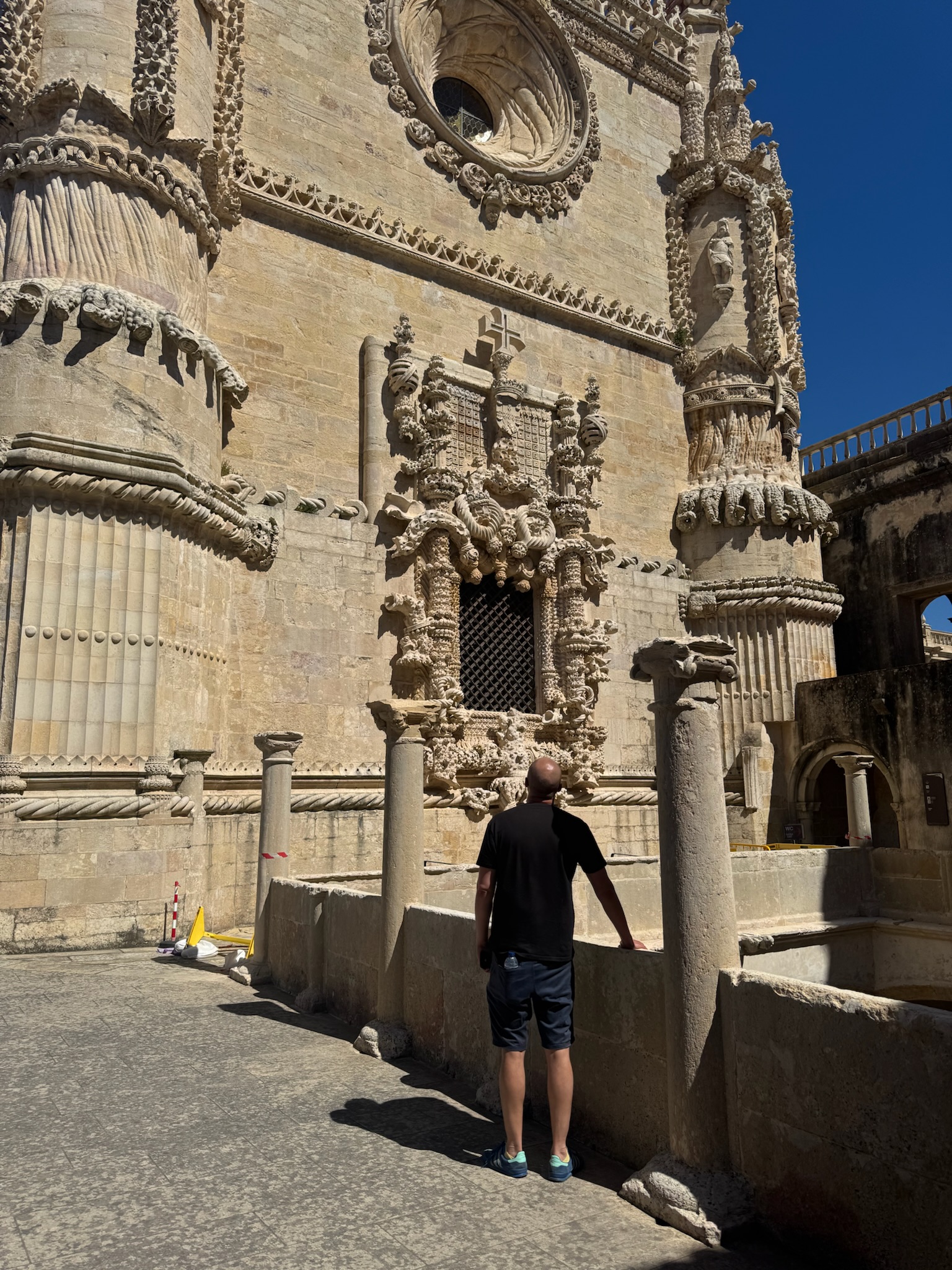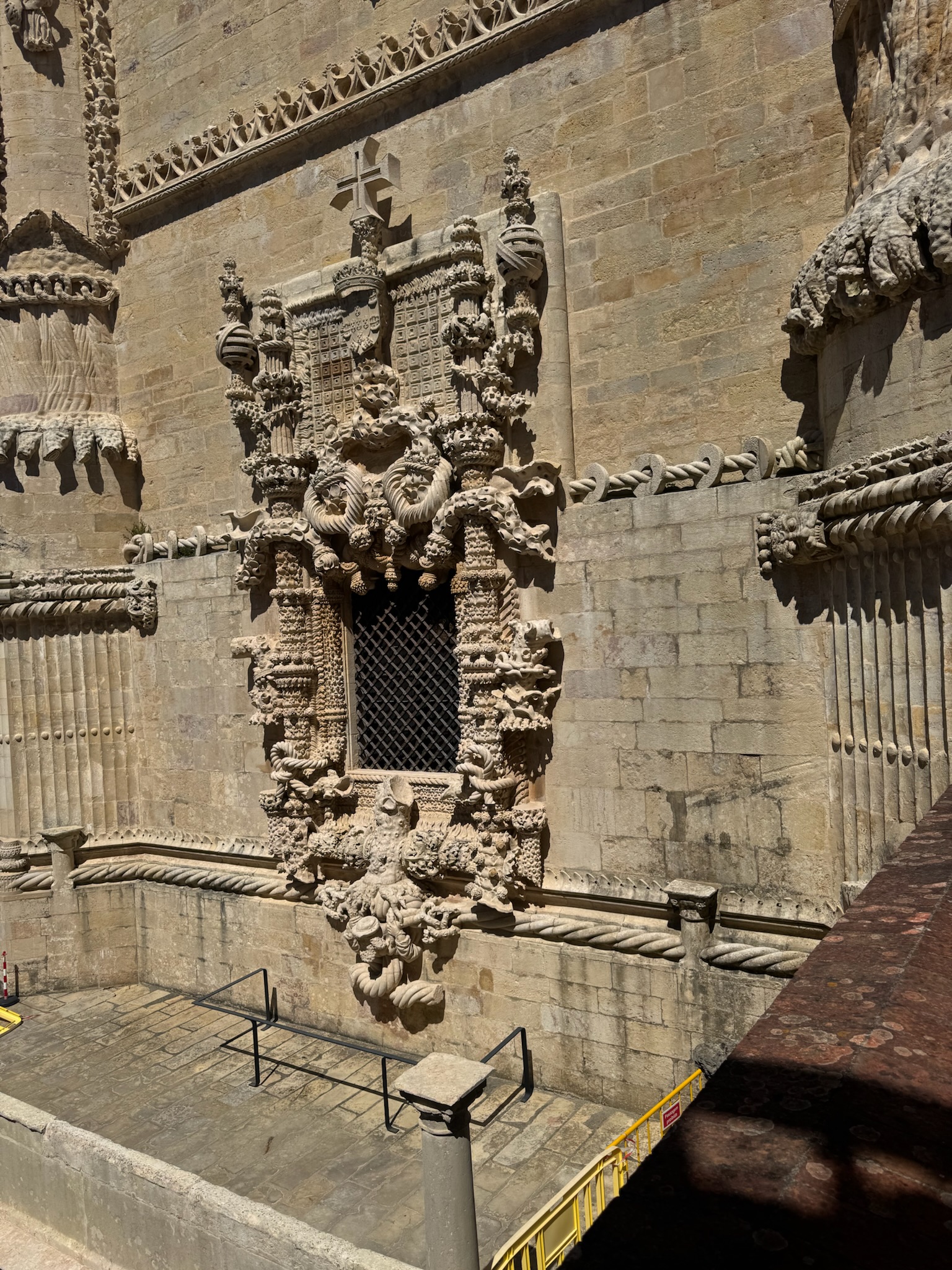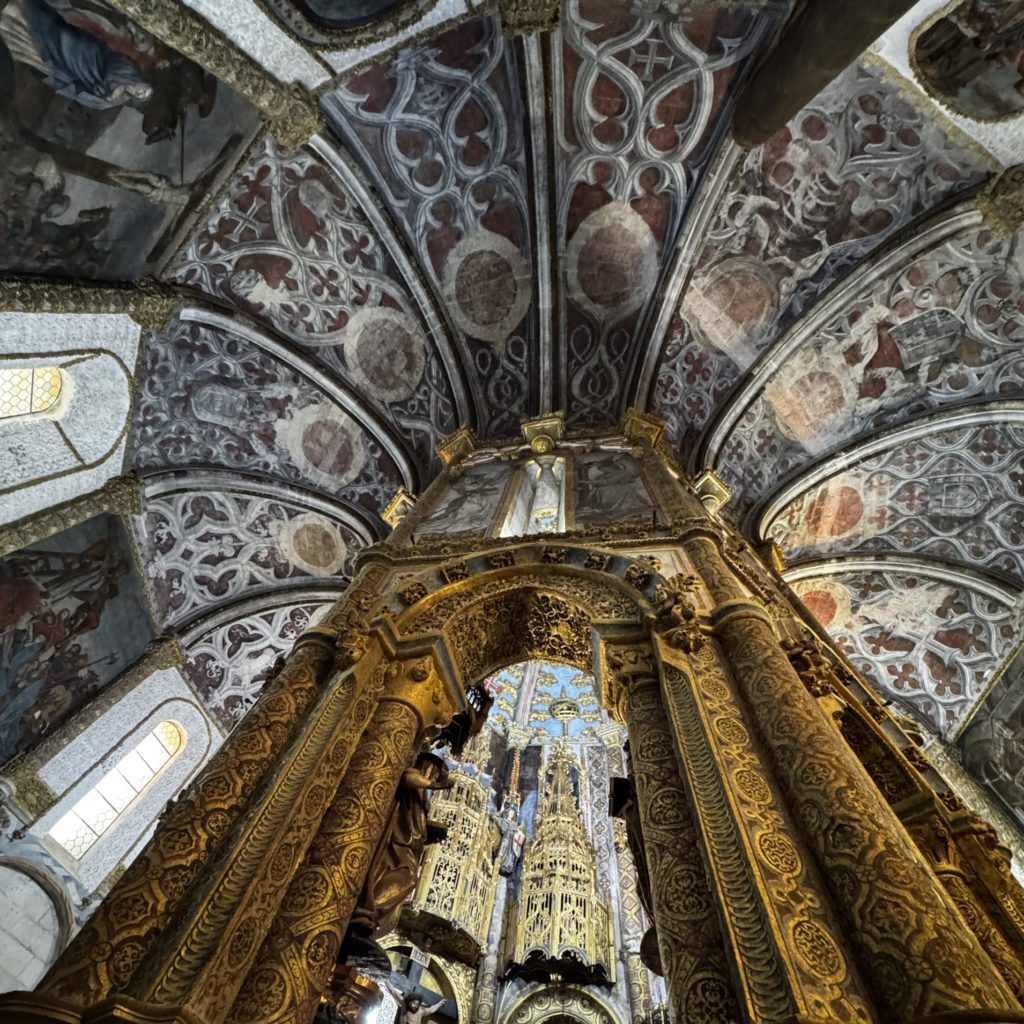
Portugal is fast becoming one of those places where we just feel at home. It has an atmosphere, a vibe, a quality of life that simply feels good. And there’s variety, too — lots of it — from the vibrant medieval streets of Lisbon, to the historic squares of Tomar, to the beaches of the Algarve.
But Portugal is far more than what you see today. It’s a place where the present and the past stand side by side. Beneath the café tables and the cobbled squares, woven into the castles and the convents, runs one of the great untold stories of medieval Europe: the survival of the Knights Templar.
I first came here chasing that story for my archaeological thriller The Templar Enigma, and I left having fallen for the country itself. So let me take you on the journey — the real places, the way they feel today, and the trail of the most powerful order the medieval world ever knew.
The story in sixty seconds
You probably know the Templars were destroyed. On Friday the thirteenth of October 1307, the King of France had every Templar in the country arrested, and a few years later the Pope dissolved the order entirely. Their last Grand Master, Jacques de Molay, was burned at the stake in Paris in 1314 — cursing both King and Pope as the flames rose. Within a year, both men were dead.
But here’s the part the history books skip. When the King’s men raided the Templar strongholds expecting to seize their legendary treasure, they found nothing. Not a single coin. Because the Templars had seen it coming — and they had moved.
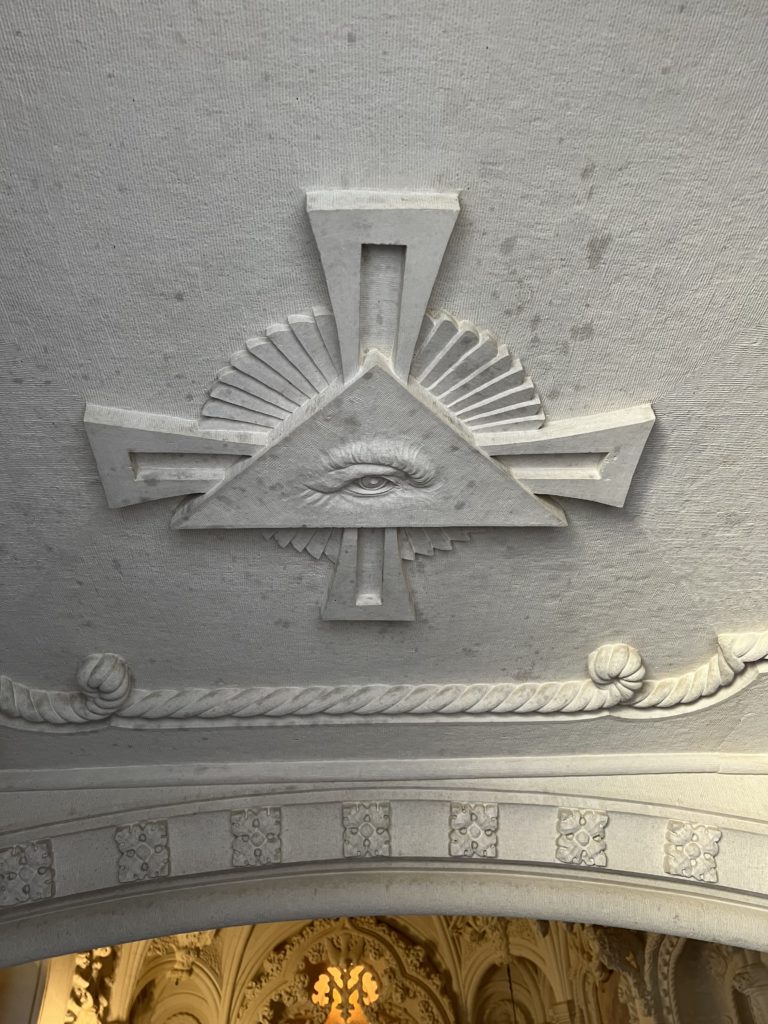
I think they came here, to Portugal, where a sympathetic king named Dinis I refused to hunt them down. Instead, he simply renamed them. Overnight the Templars became the Order of Christ — the same knights, the same wealth, the same knowledge, marching under a new badge. They didn’t fade away. They went on to fund Portugal’s age of exploration, Vasco da Gama and Henry the Navigator redrawing the map of the world and turning Portugal into a global power.
That’s the story. And the remarkable thing is, you can still walk straight into it.
Lisbon: where the adventure begins
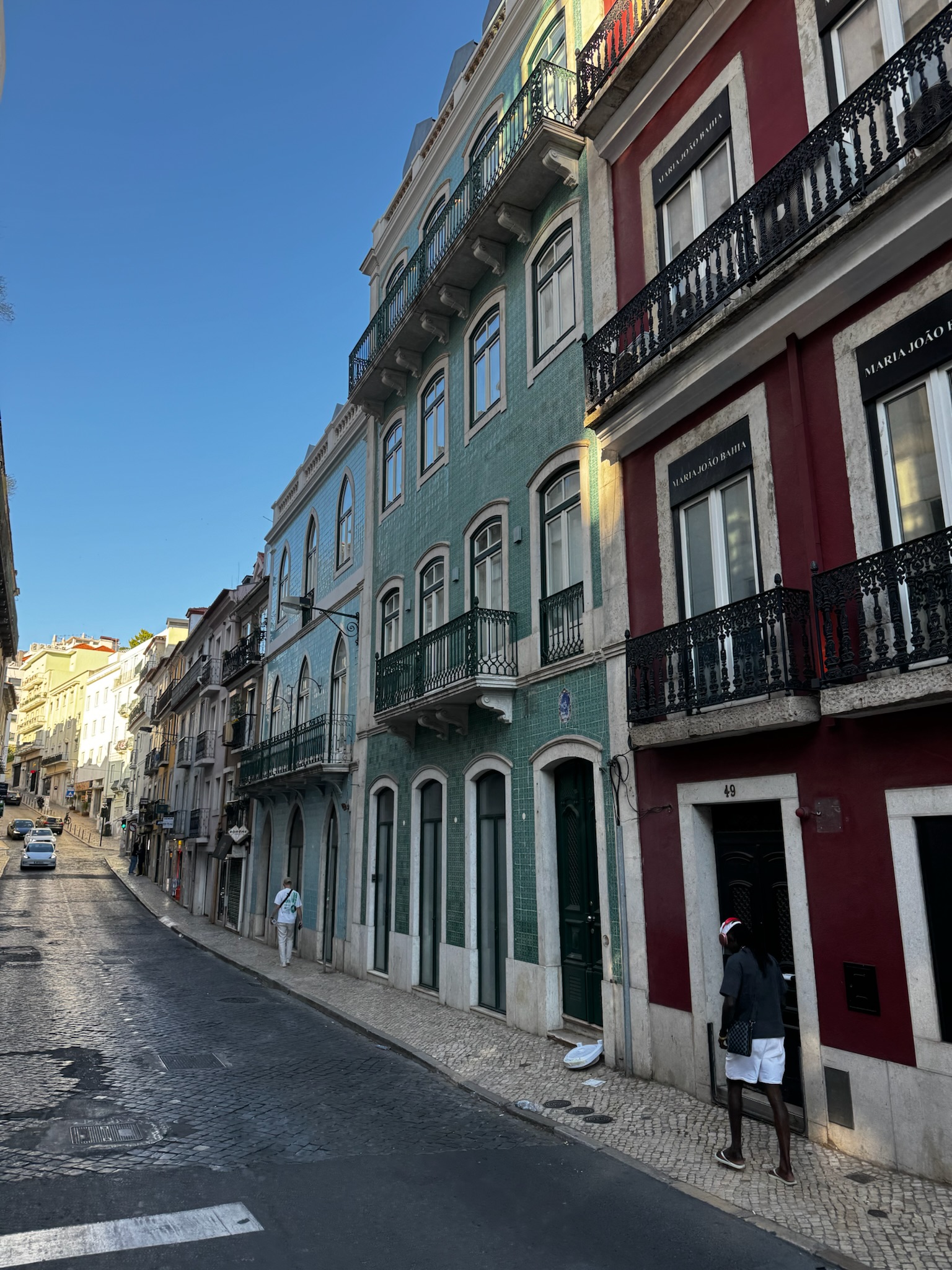
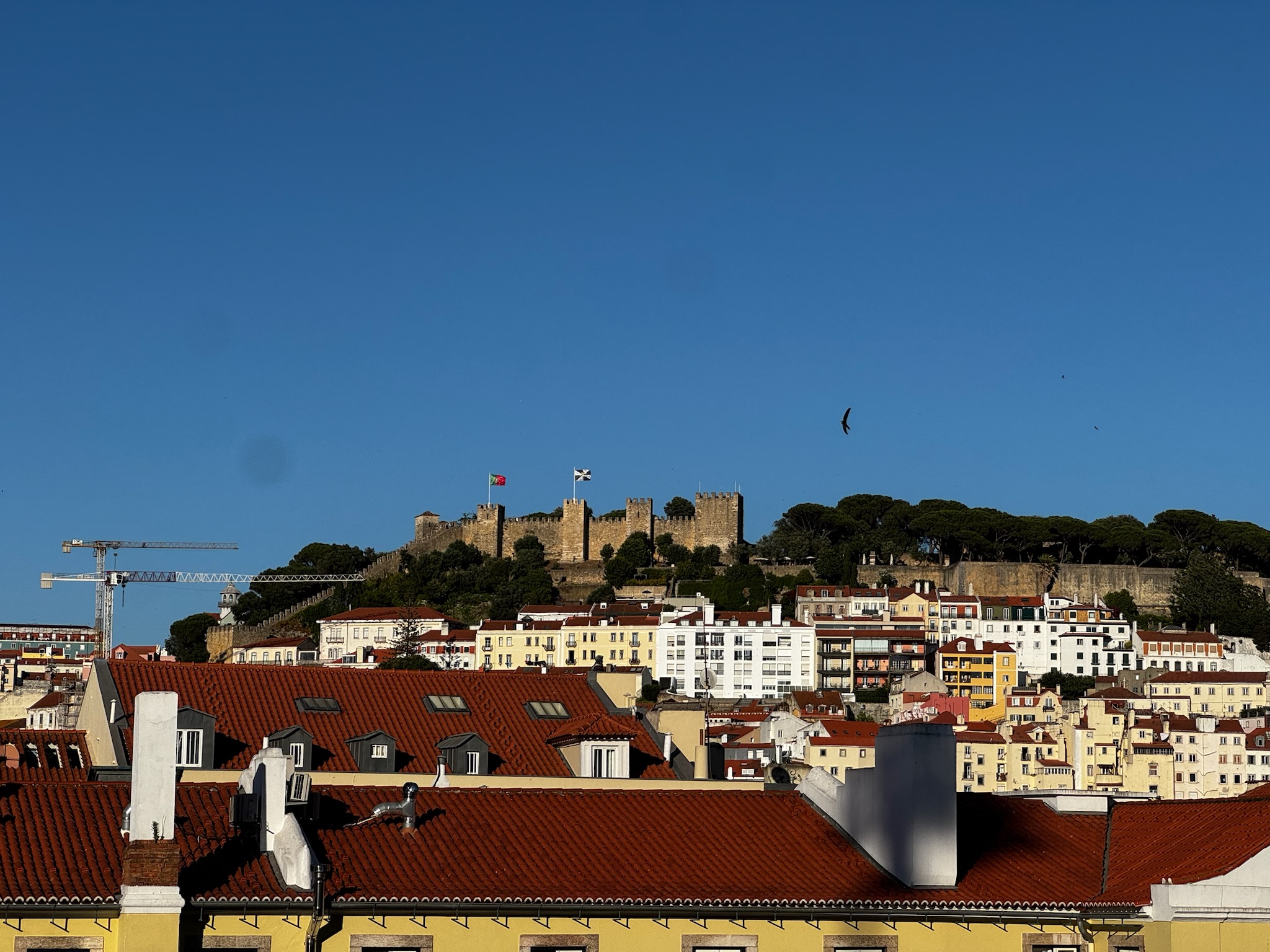
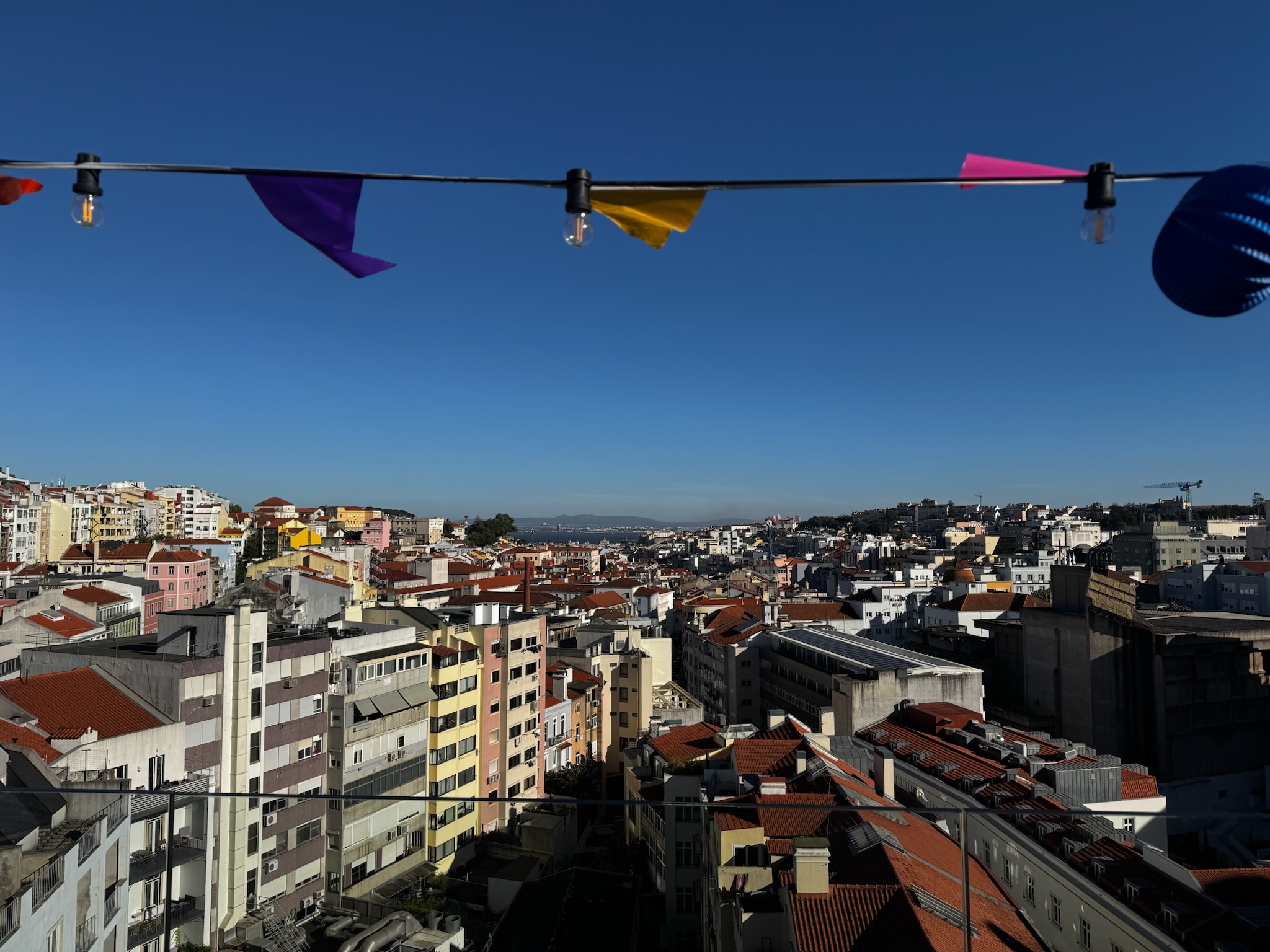
Almost every Portuguese journey starts in Lisbon, and there’s no finer place for it. Built across seven hills above the wide Tagus, it’s a city of staircases and viewpoints, of azulejo tiles and faded grandeur, where every wrong turn rewards you with a view you didn’t expect.
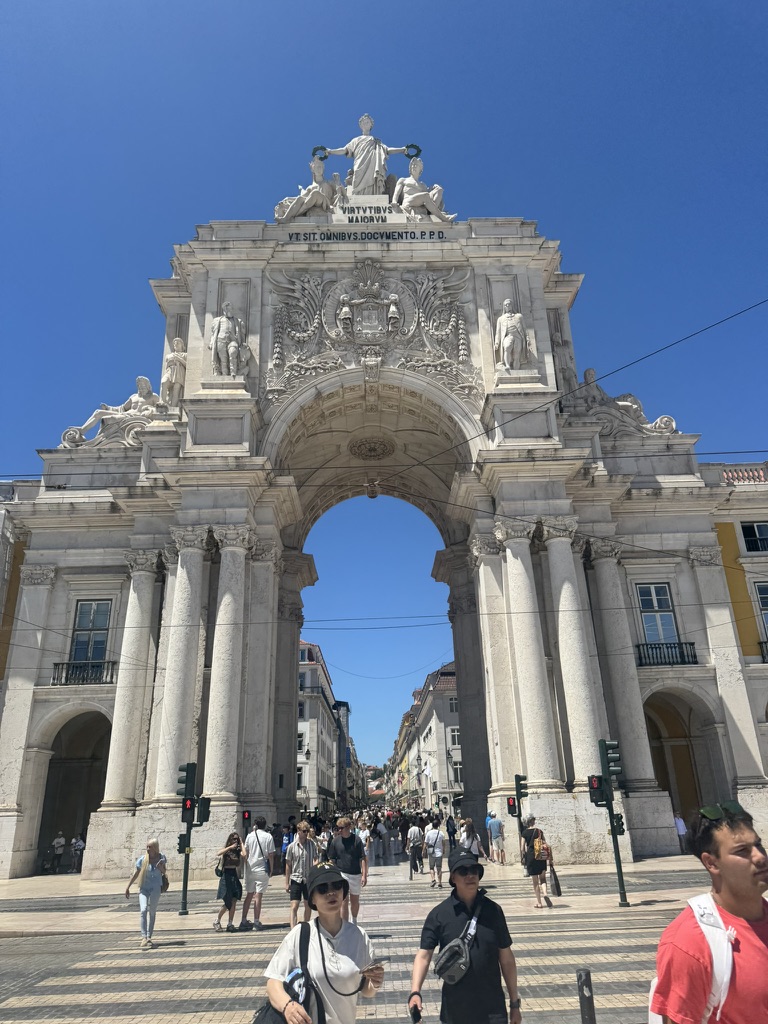
Spend a morning getting gloriously lost in the Alfama, the old Moorish quarter where the streets tangle like string and washing hangs between the houses. Then head down to Belém, where the Tagus meets the sea. This is where the Order of Christ’s ships set sail to discover the world, and the monuments here — the soaring Jerónimos Monastery, the fairy-tale Belém Tower — were built on the riches those voyages brought home. Don’t leave without a warm pastel de nata from the café that’s been baking them since 1837; it’s a small, perfect piece of history in its own right.
But Lisbon truly comes alive after dark, and there’s one thing you simply have to do: see a fado show. Portugal’s soulful national music — all longing, heartbreak and saudade, that untranslatable ache for something lost — was born in these very streets, and there’s nothing quite like hearing it live. Find a small, candlelit casa de fado in the Alfama or the Bairro Alto, order a glass of red, and let the room fall silent as the singer begins.
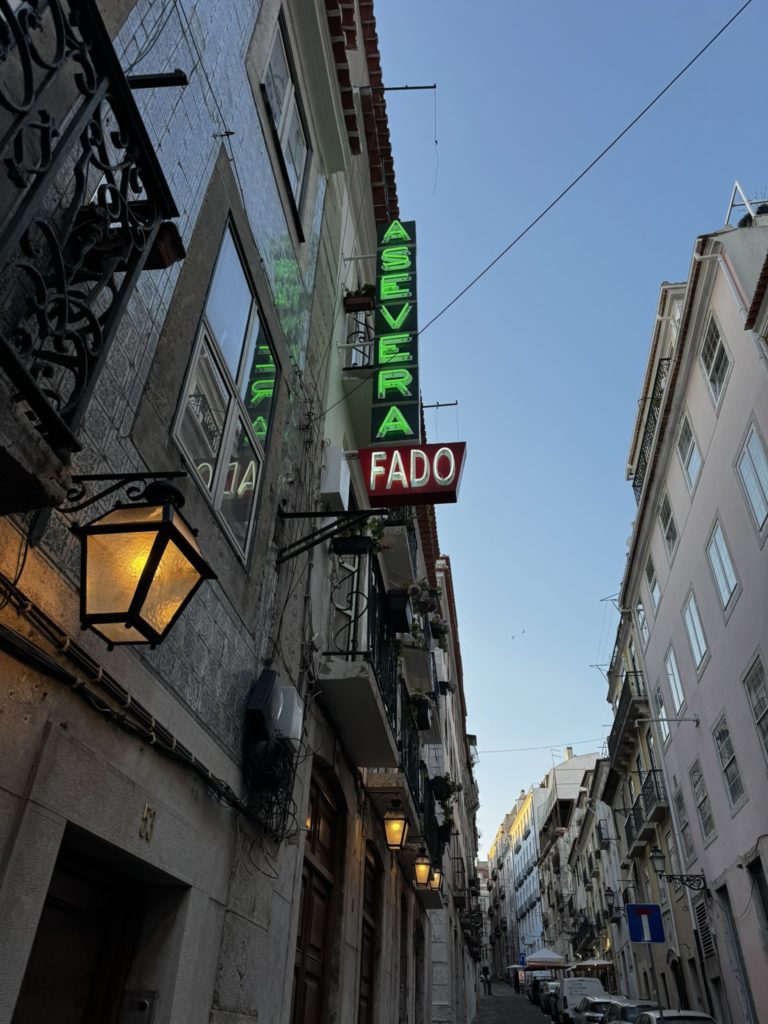
One voice, a couple of guitars, and a feeling that seems to rise straight up from the cobblestones. It’s the kind of evening that stays with you long after you’ve gone home — and the perfect way to feel the heart of the city before the adventure carries you onward.
Sintra: into the earth
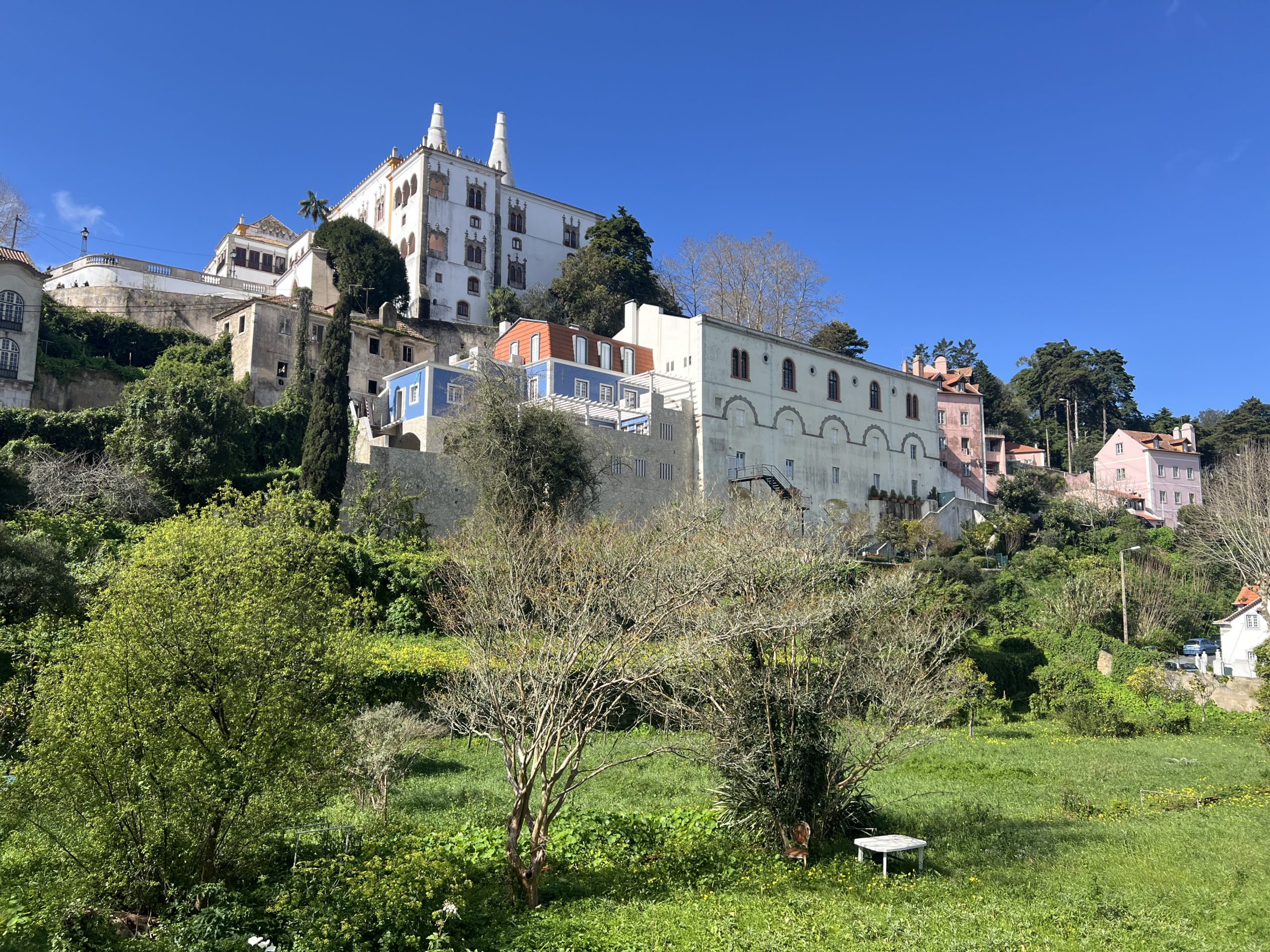
Just half an hour west of Lisbon, the hills rise into mist, and the town of Sintra appears like something from a dream — a place of fairy-tale palaces, dripping forests, and one estate I’ll never forget.
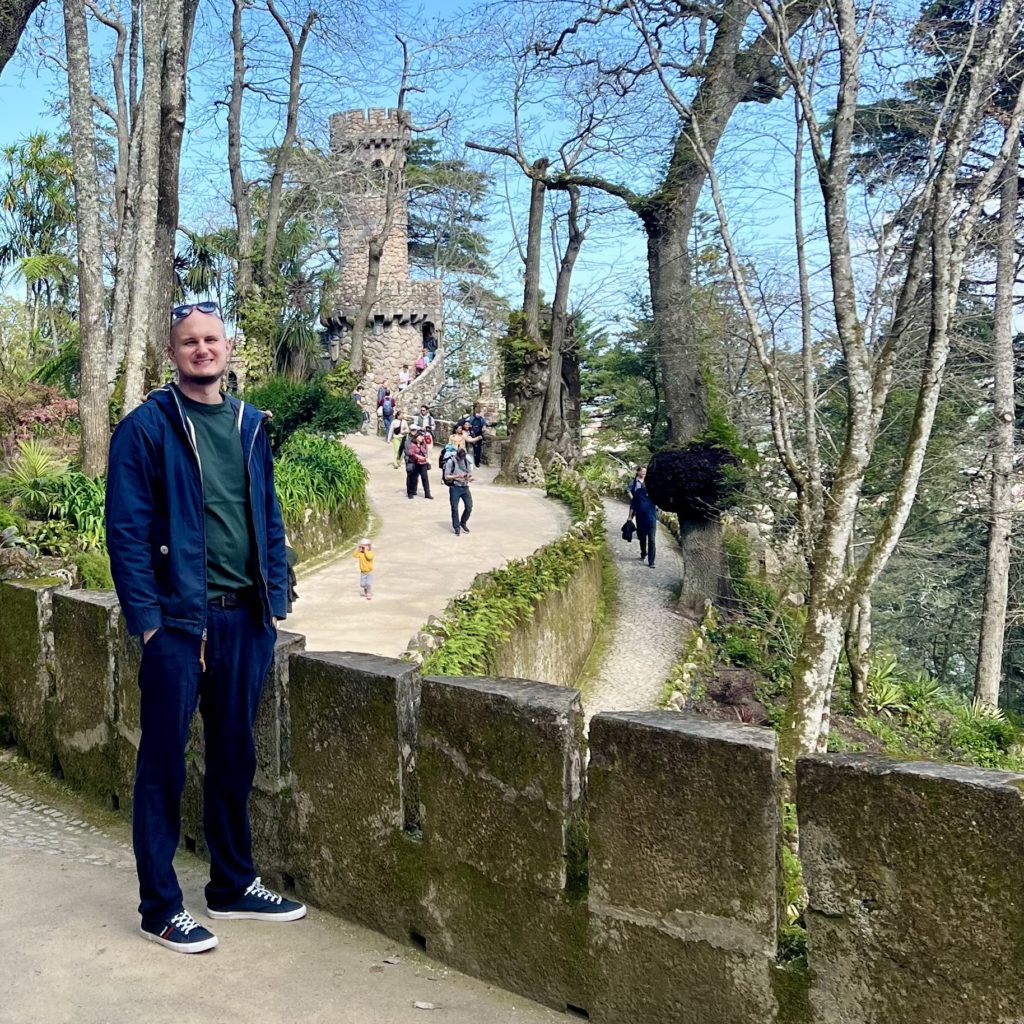
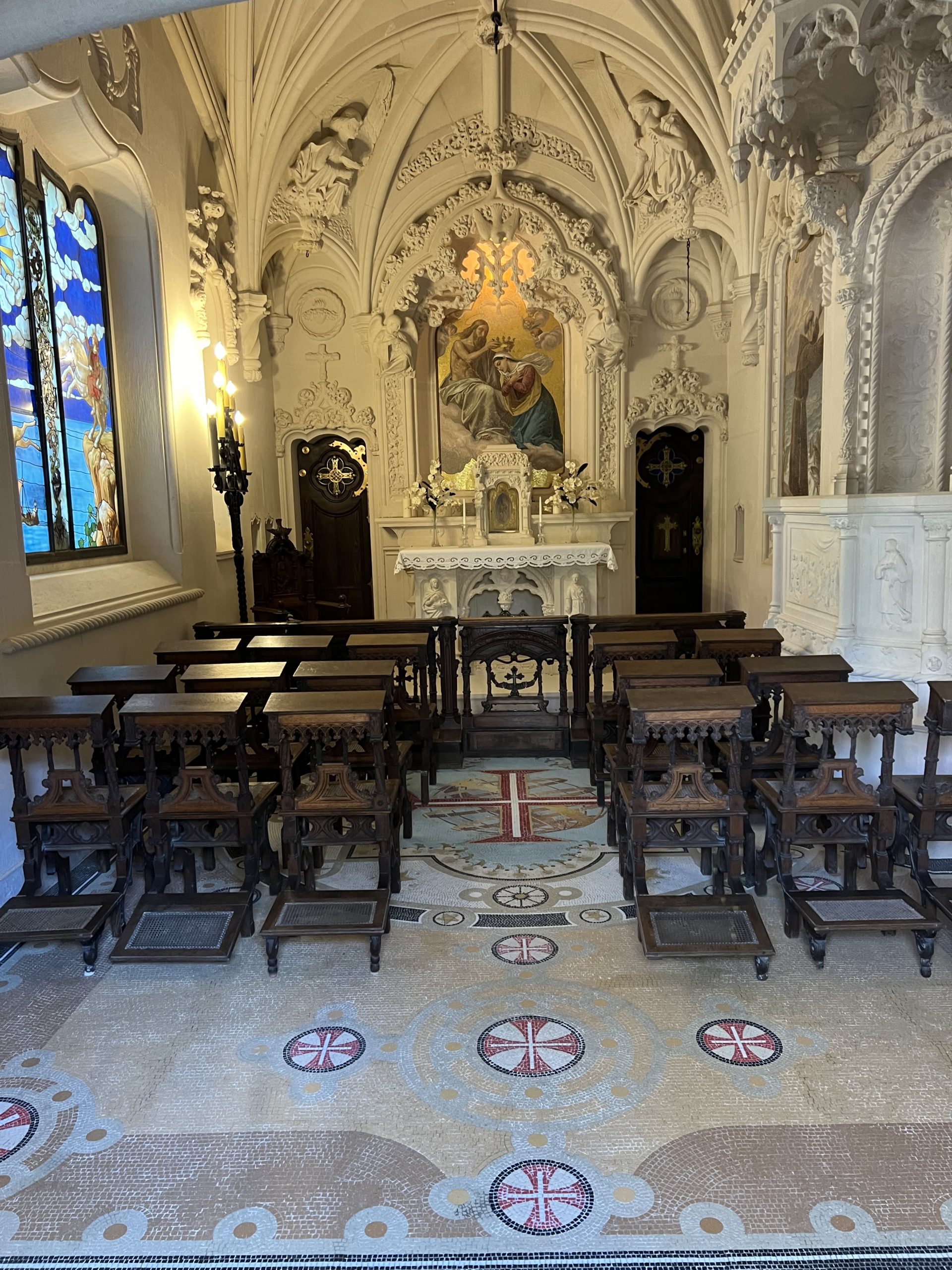
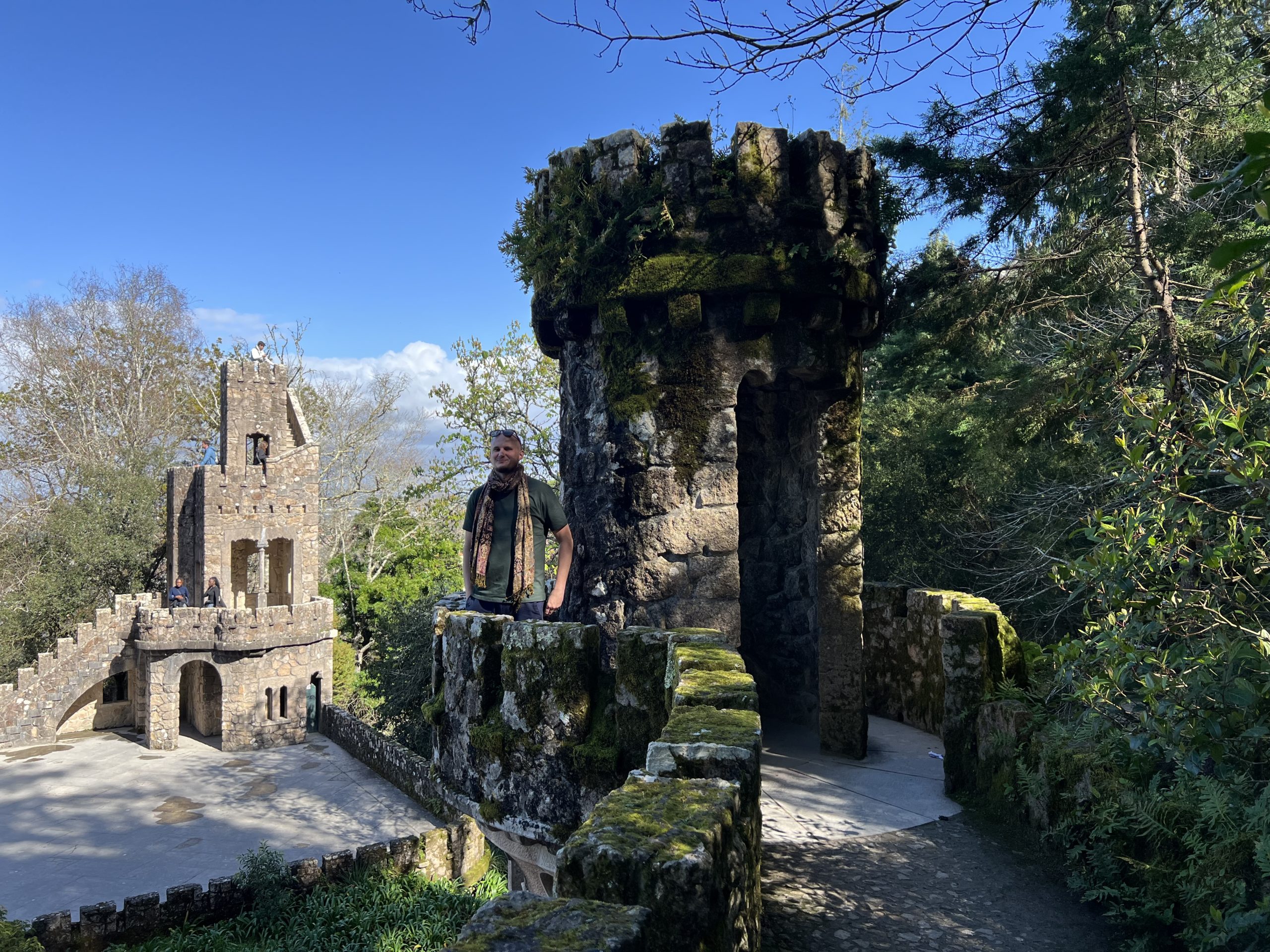
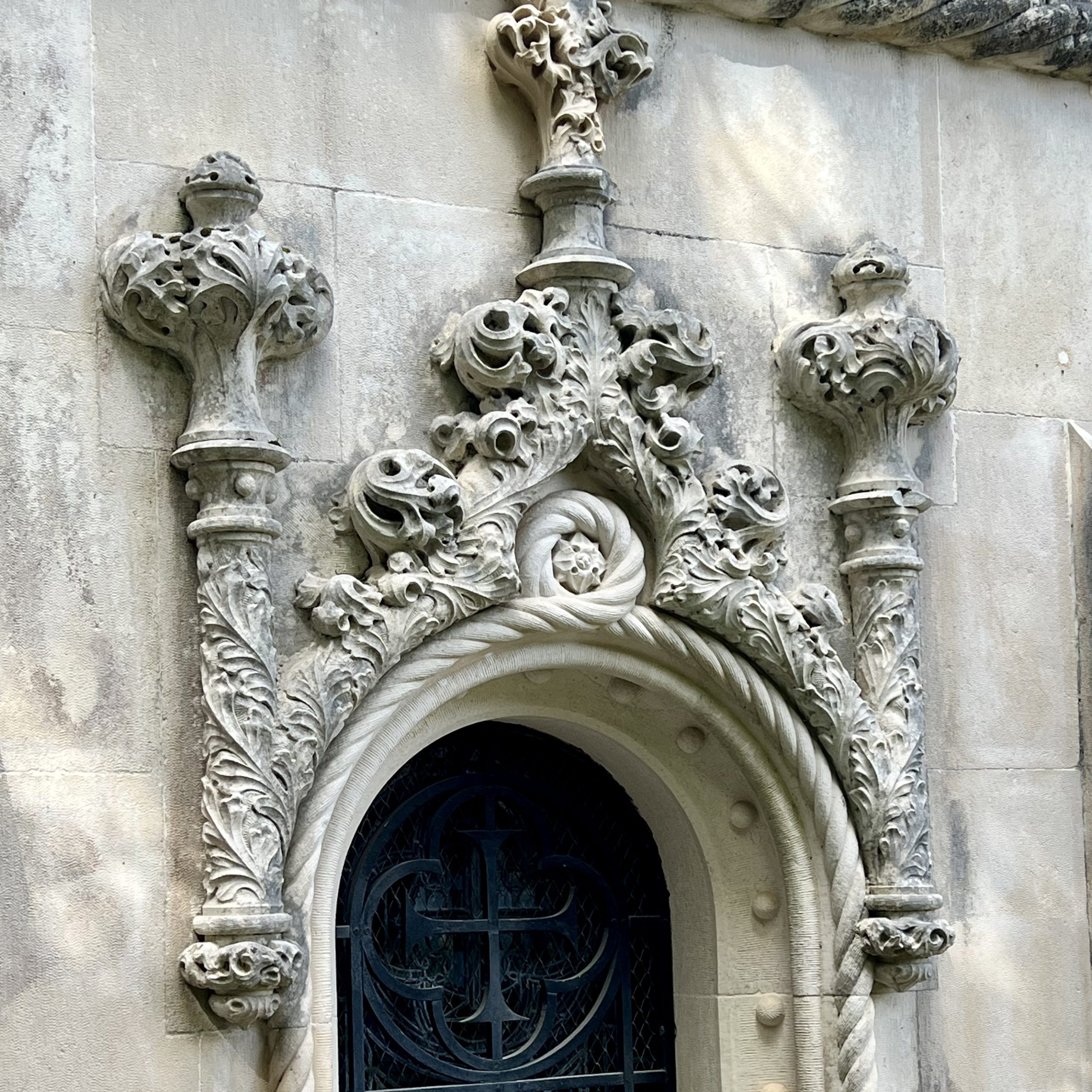
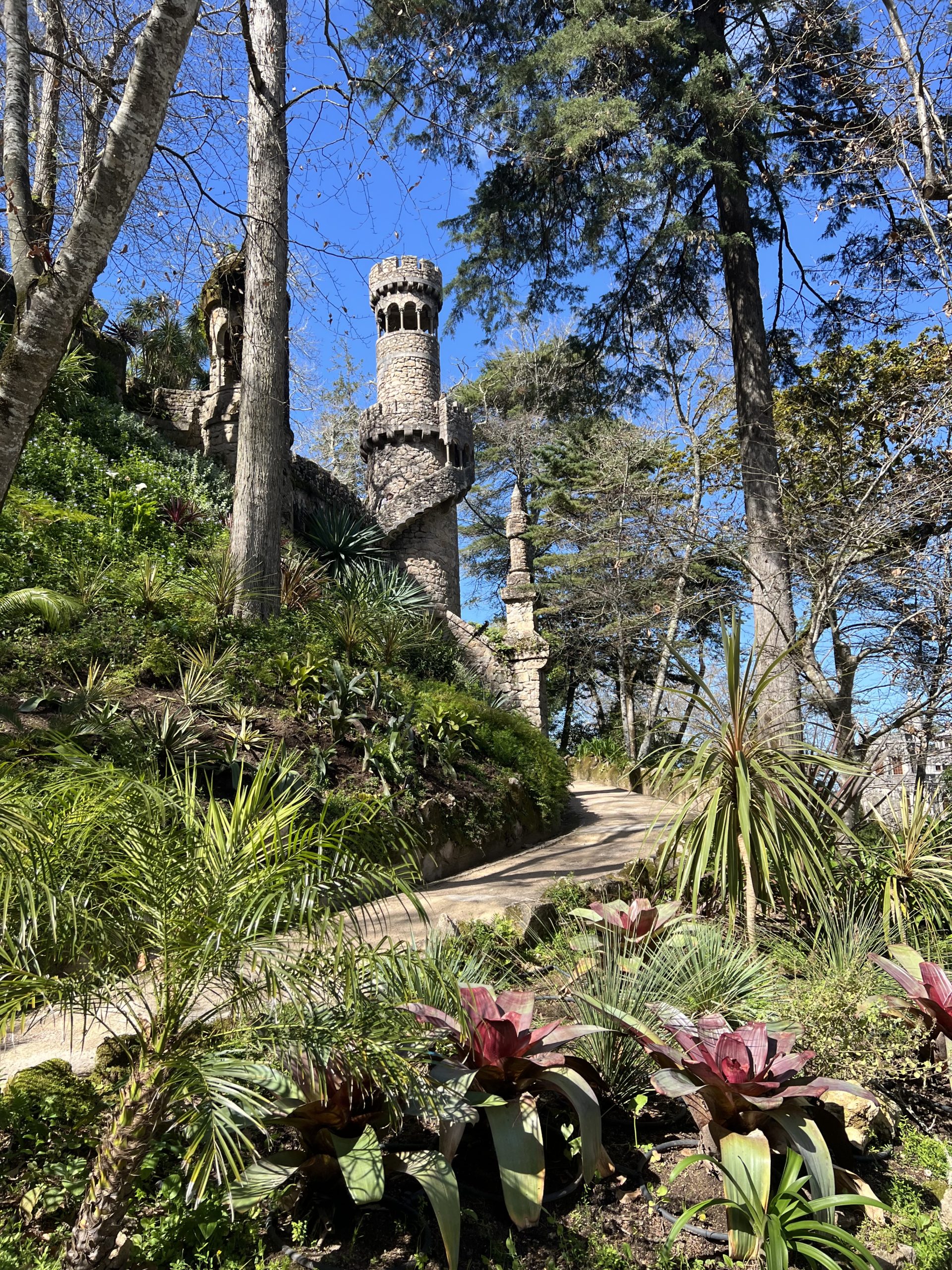
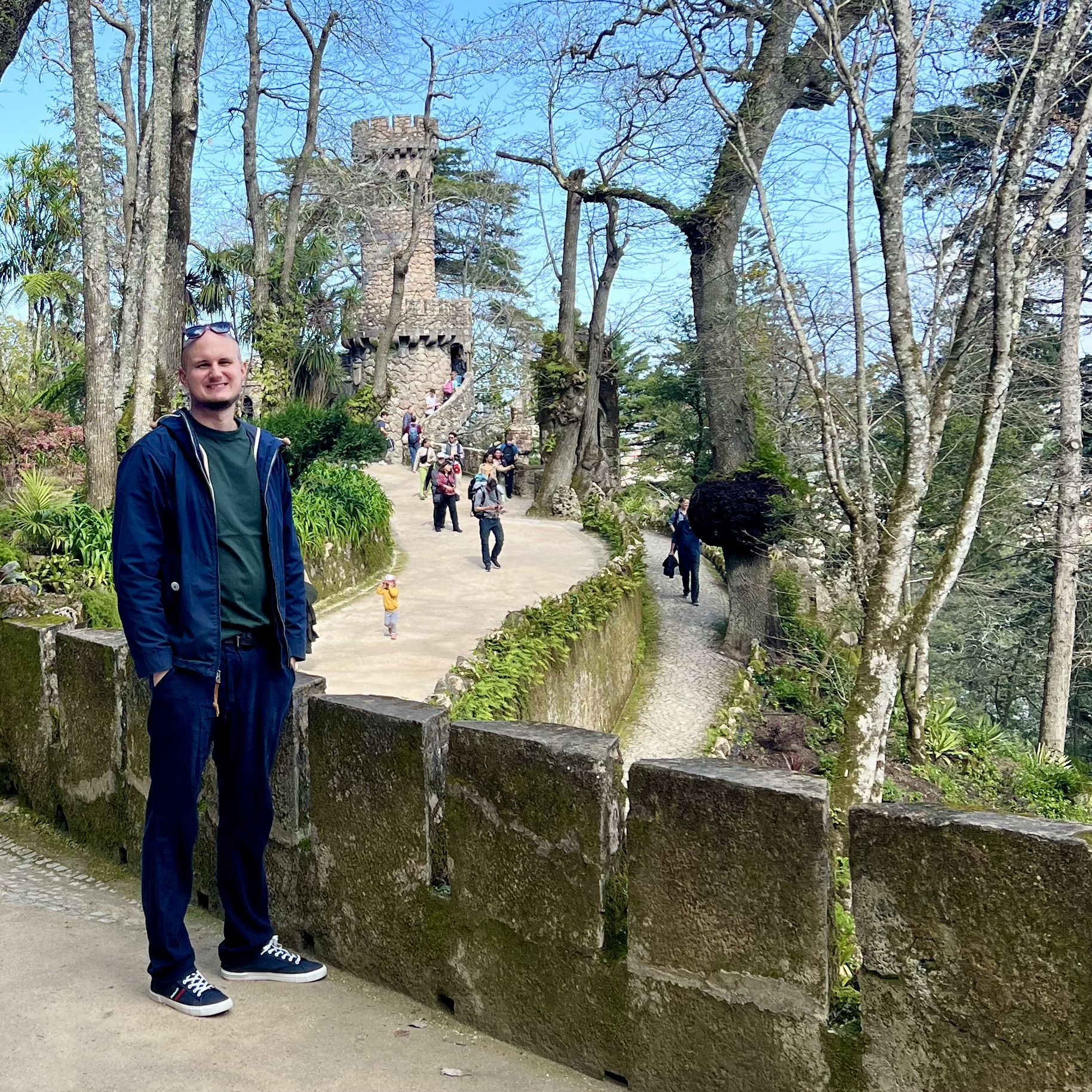
Quinta da Regaleira looks, at first, like a romantic mansion. But it was built by a man with a fascination far darker and stranger than romance. António Augusto Carvalho Monteiro — a fabulously wealthy collector known locally as “Monteiro of the Millions” — was obsessed with alchemy, the occult, the Knights Templar, and Freemasonry, and in the early twentieth century he poured his fortune into turning this hillside into a coded monument to all of it.
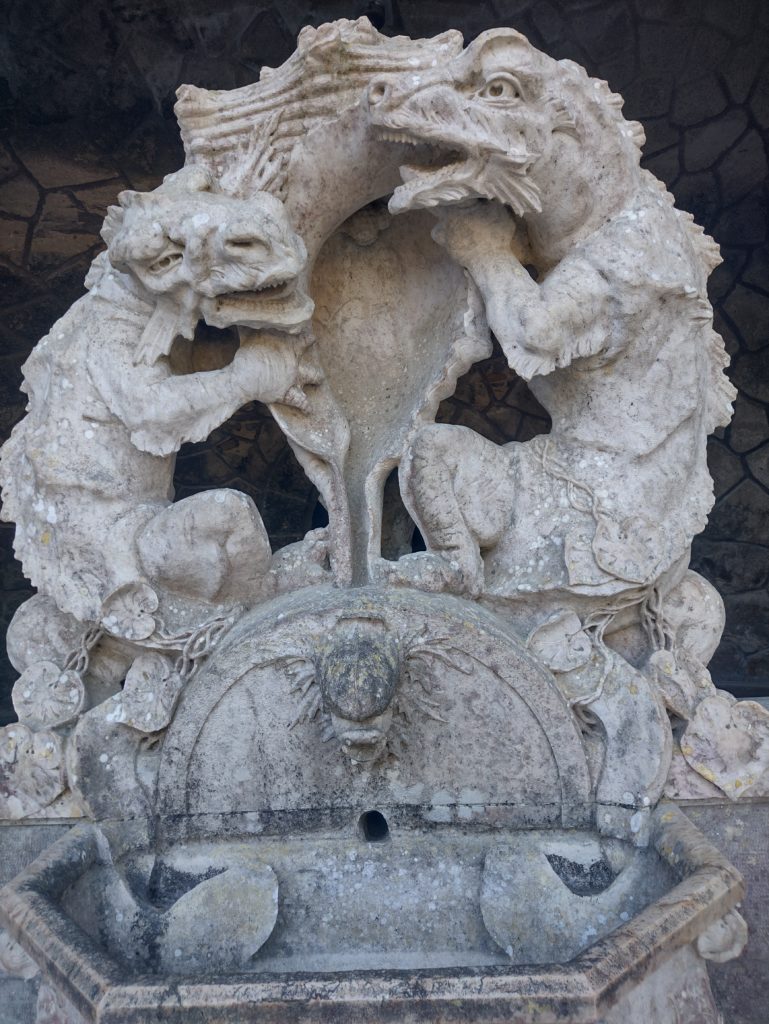
Nothing here is accidental. Every statue, every carving, every winding path was designed to mean something, and the whole estate reads like a puzzle waiting to be solved.
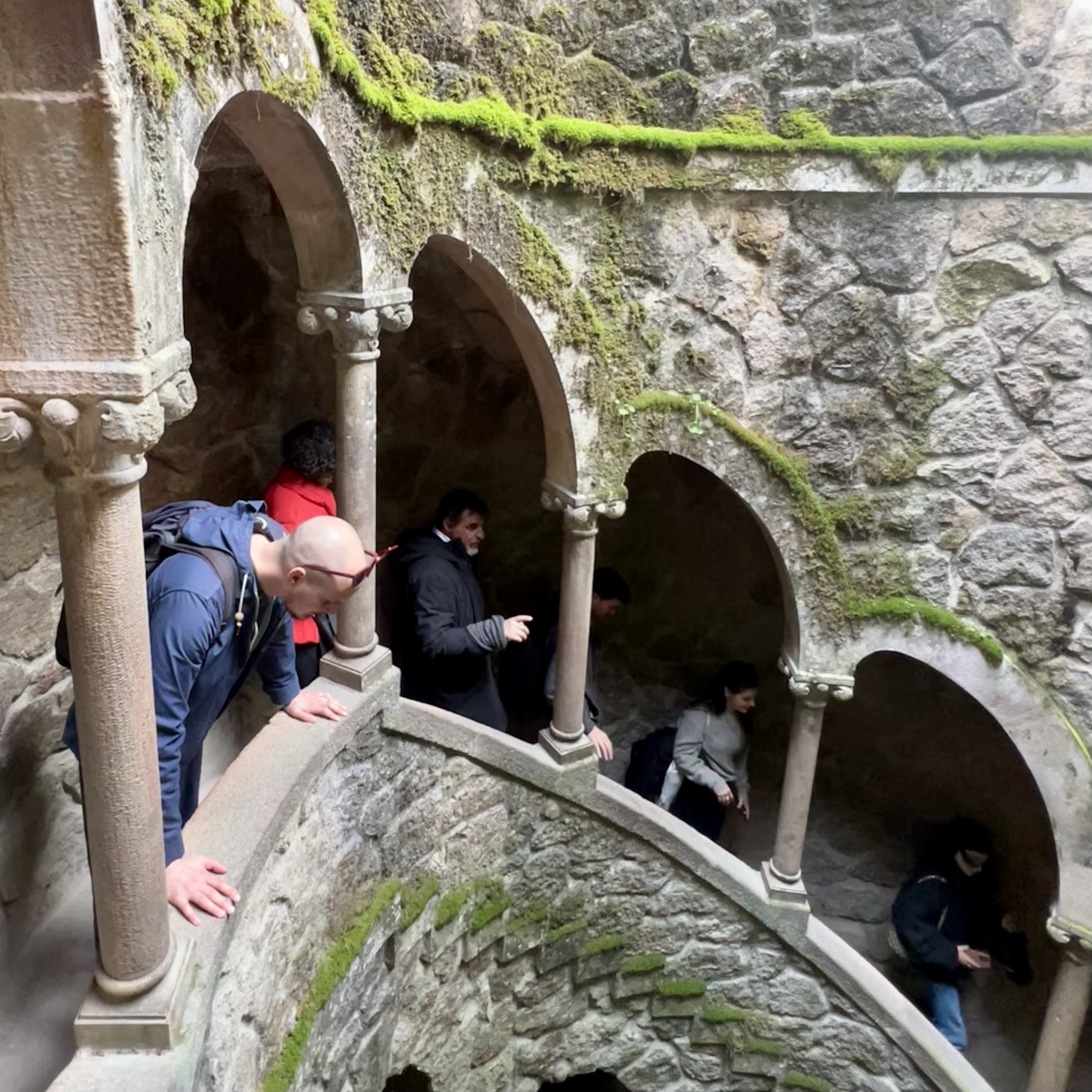
The real magic is underground. Beneath the gardens runs a labyrinth of tunnels and grottoes, and at its heart spiral two extraordinary wells that plunge deep into the earth. They never held water — they were built for ritual. 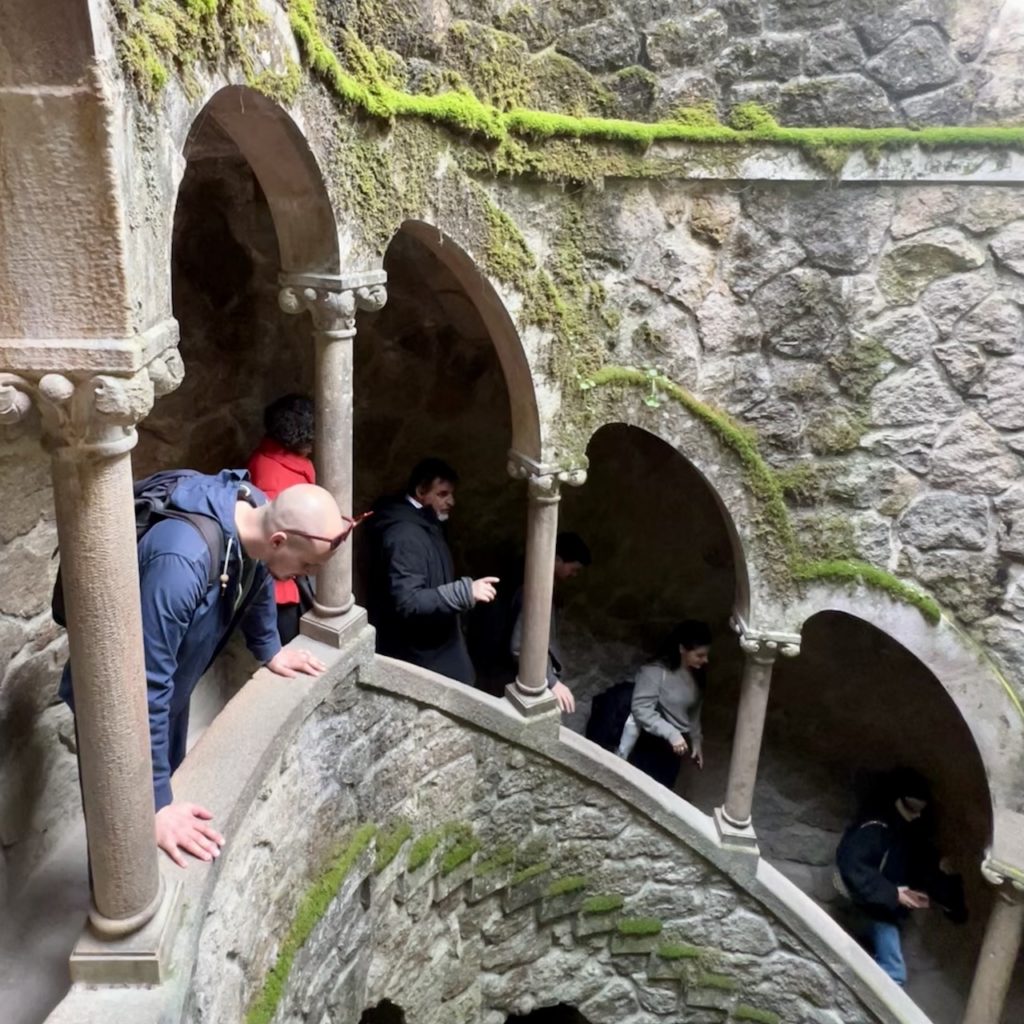 Their staircases descend through nine landings said to represent Dante’s circles of Hell, Purgatory and Paradise, and the journey down is steeped in Masonic symbolism, a slow descent through darkness toward the light.
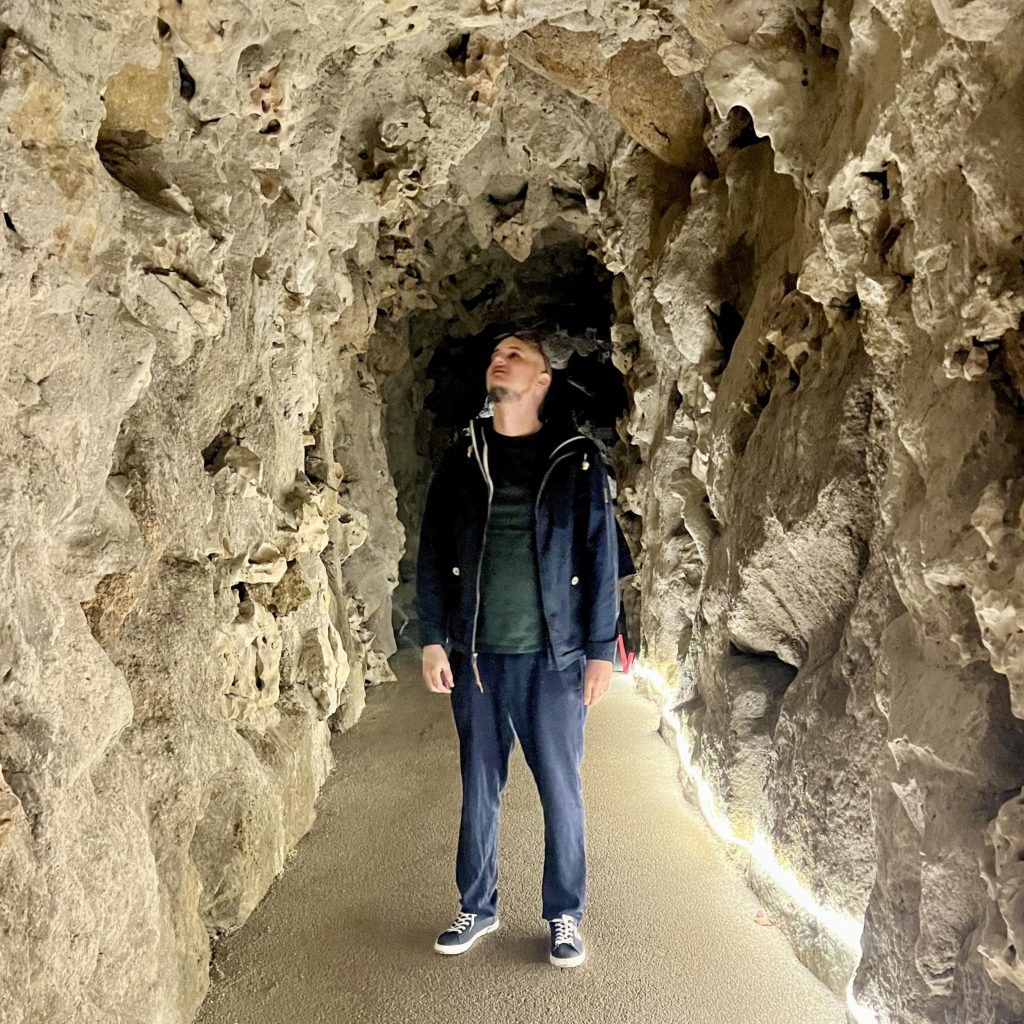
At the very bottom lies a compass rose set over a Templar cross, marking the heart of the whole mysterious design.
Standing there, looking up at that spiral of stone with the light barely reaching me from far above, I felt something I still can’t quite explain. It’s the place where The Templar Enigma reaches its climax, and having stood there myself, I can promise you the book doesn’t exaggerate.
Tomar: the Templar heart of Portugal
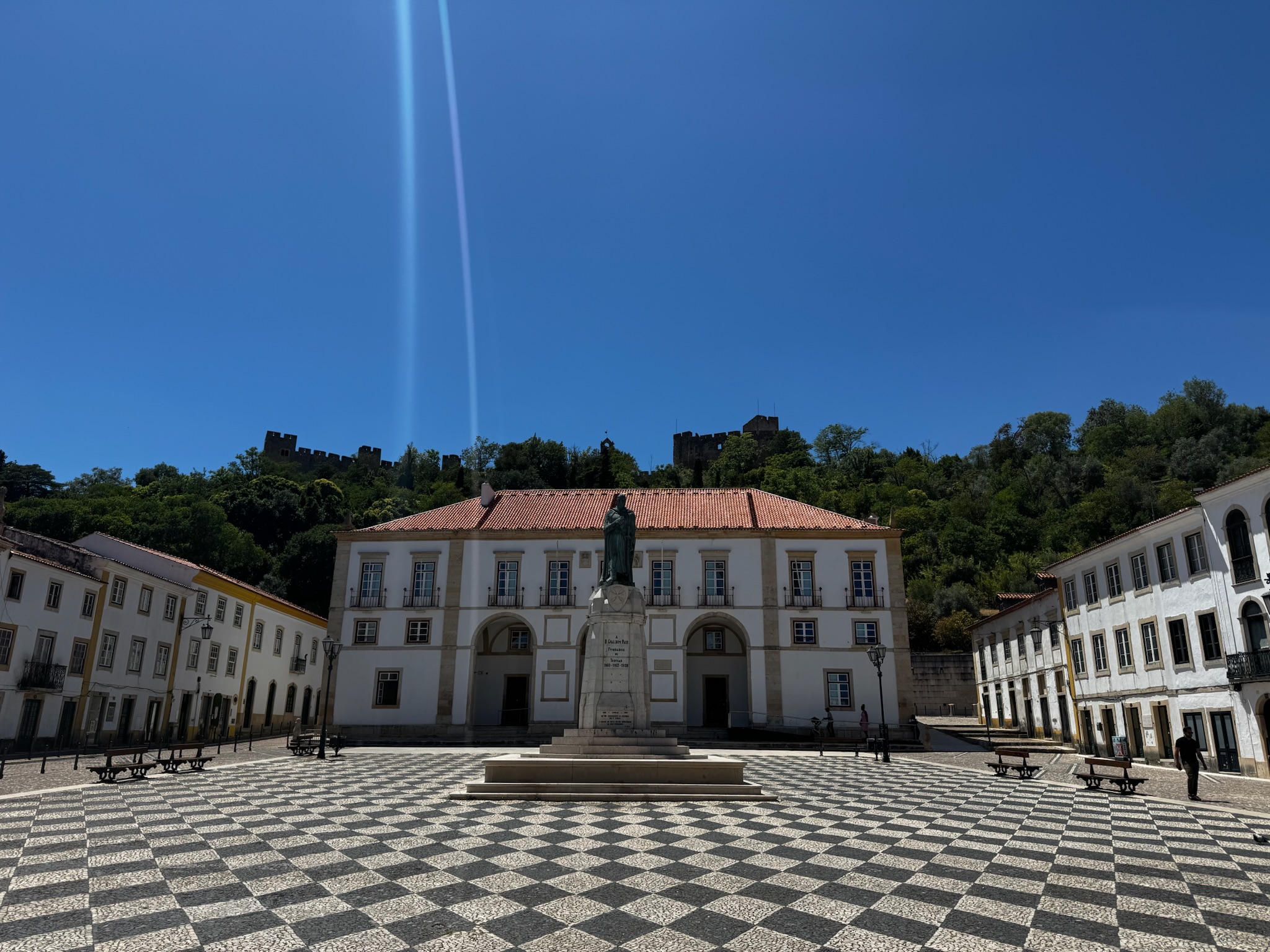
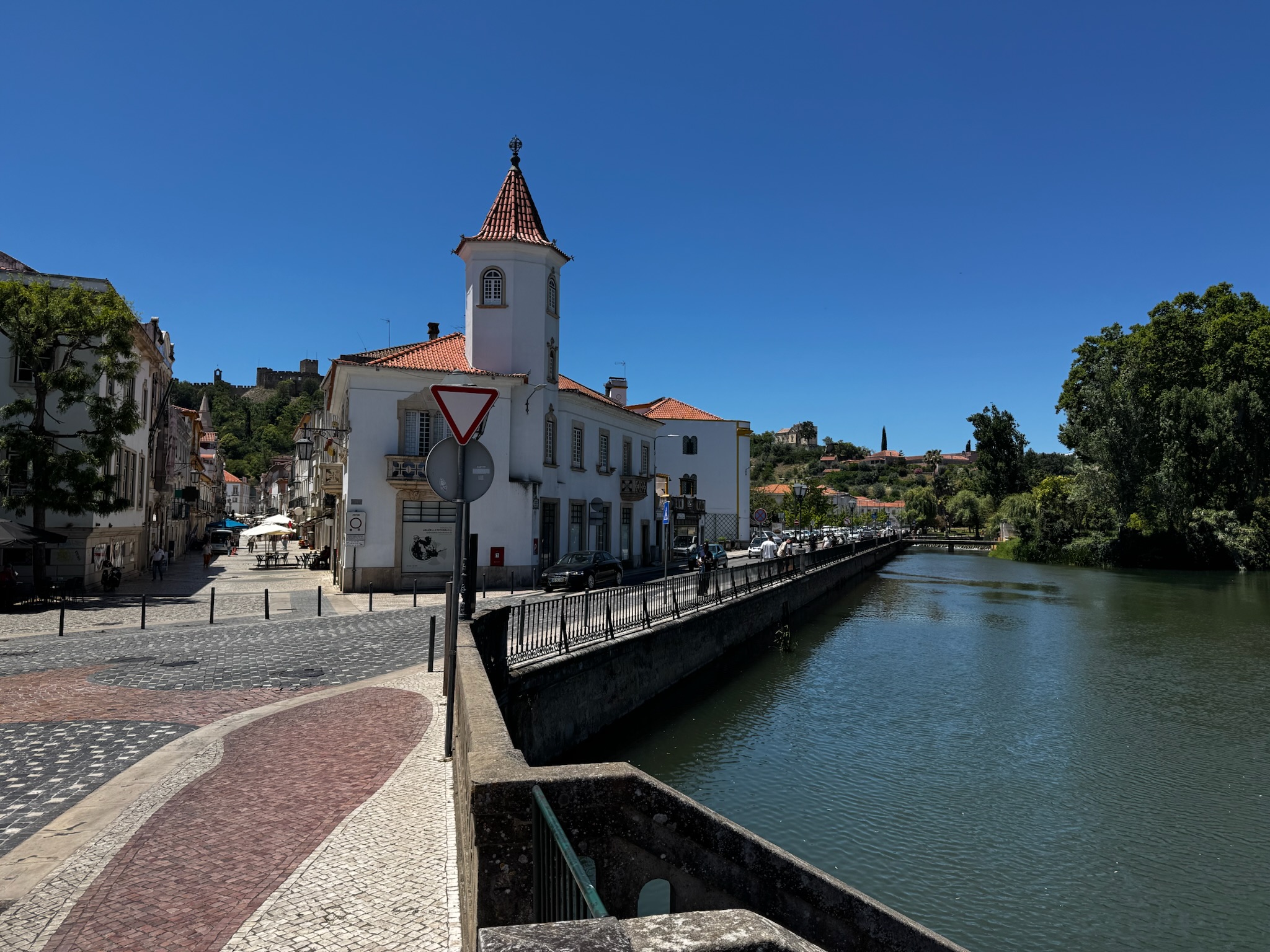
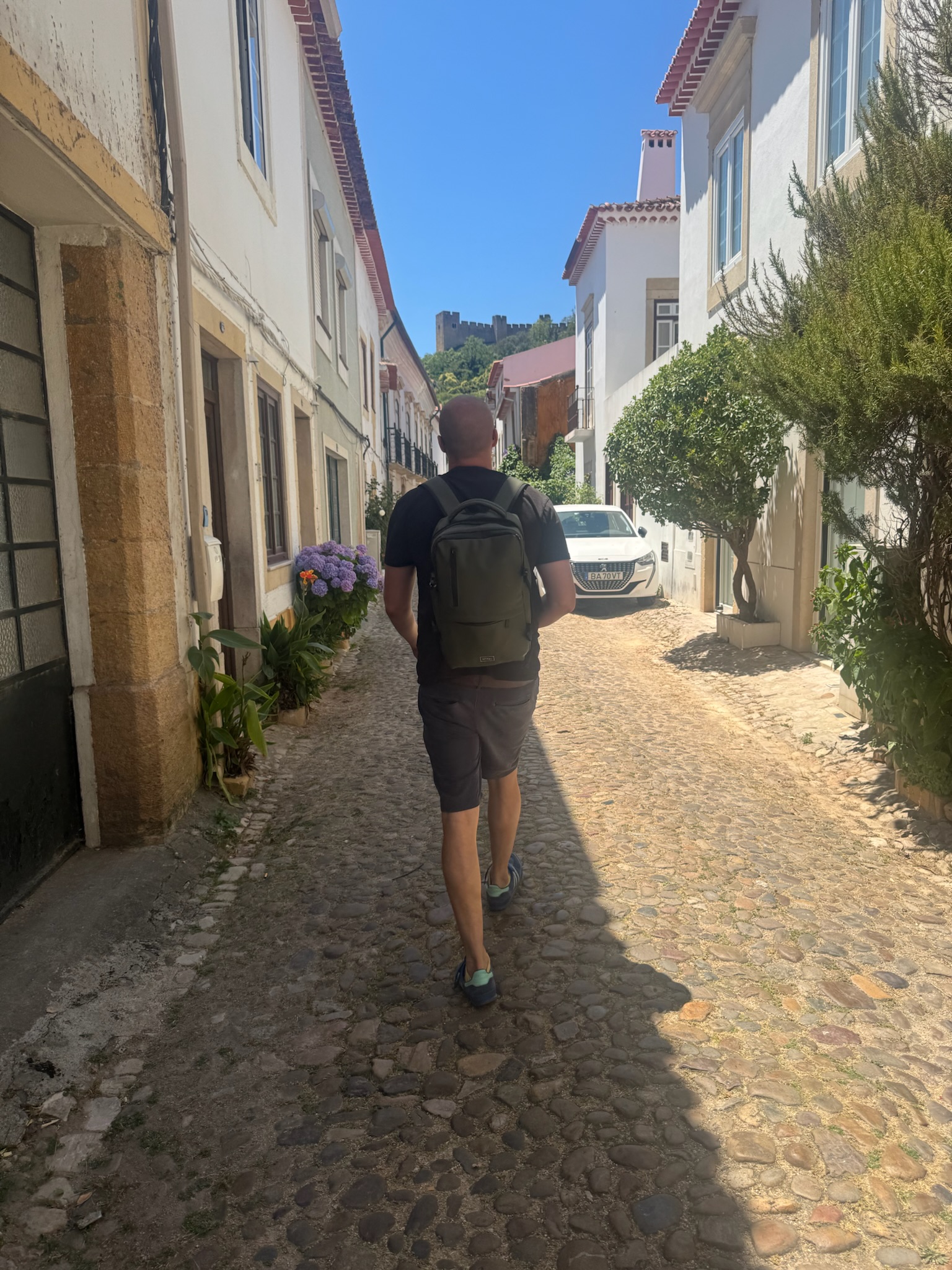
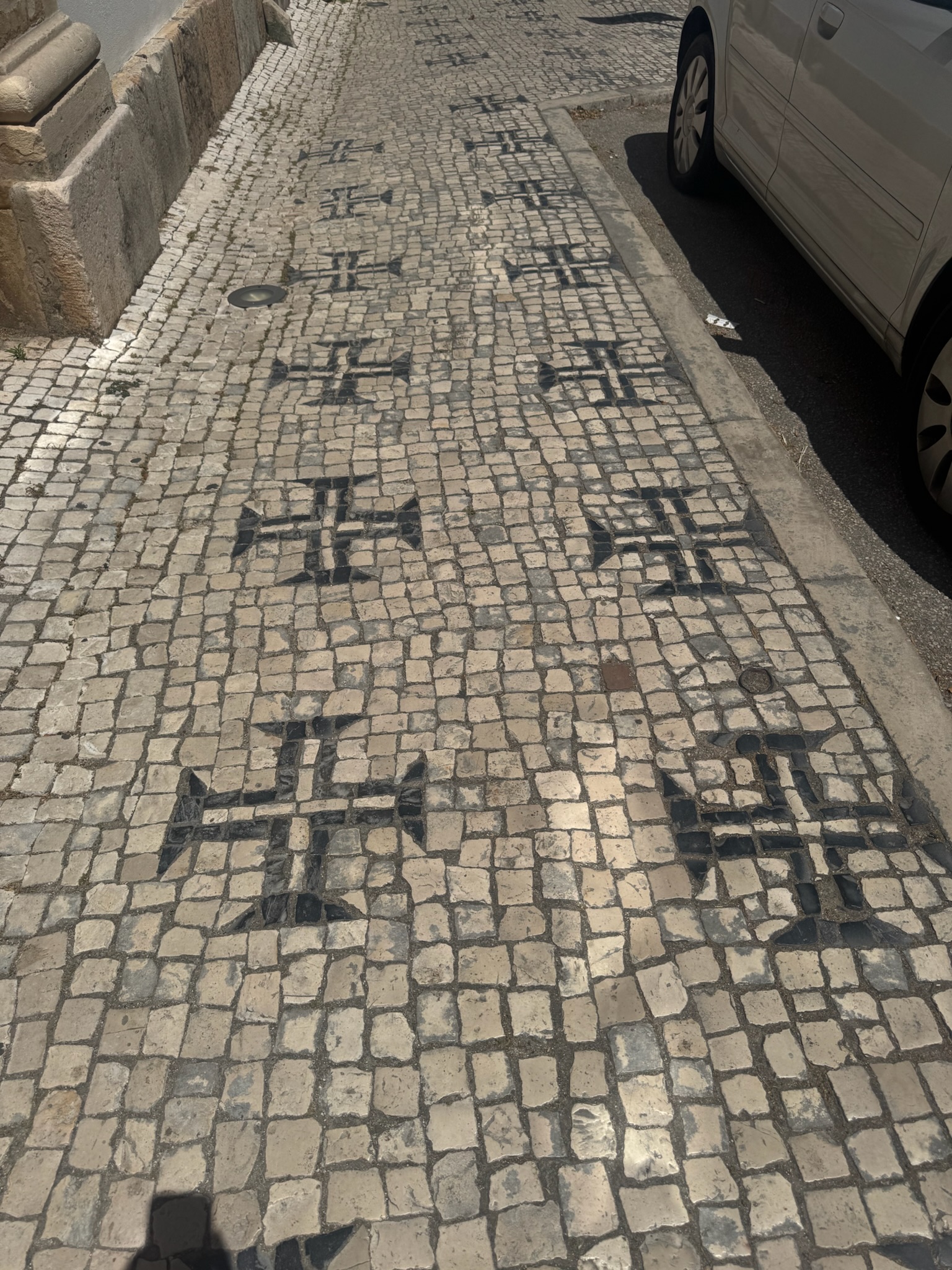
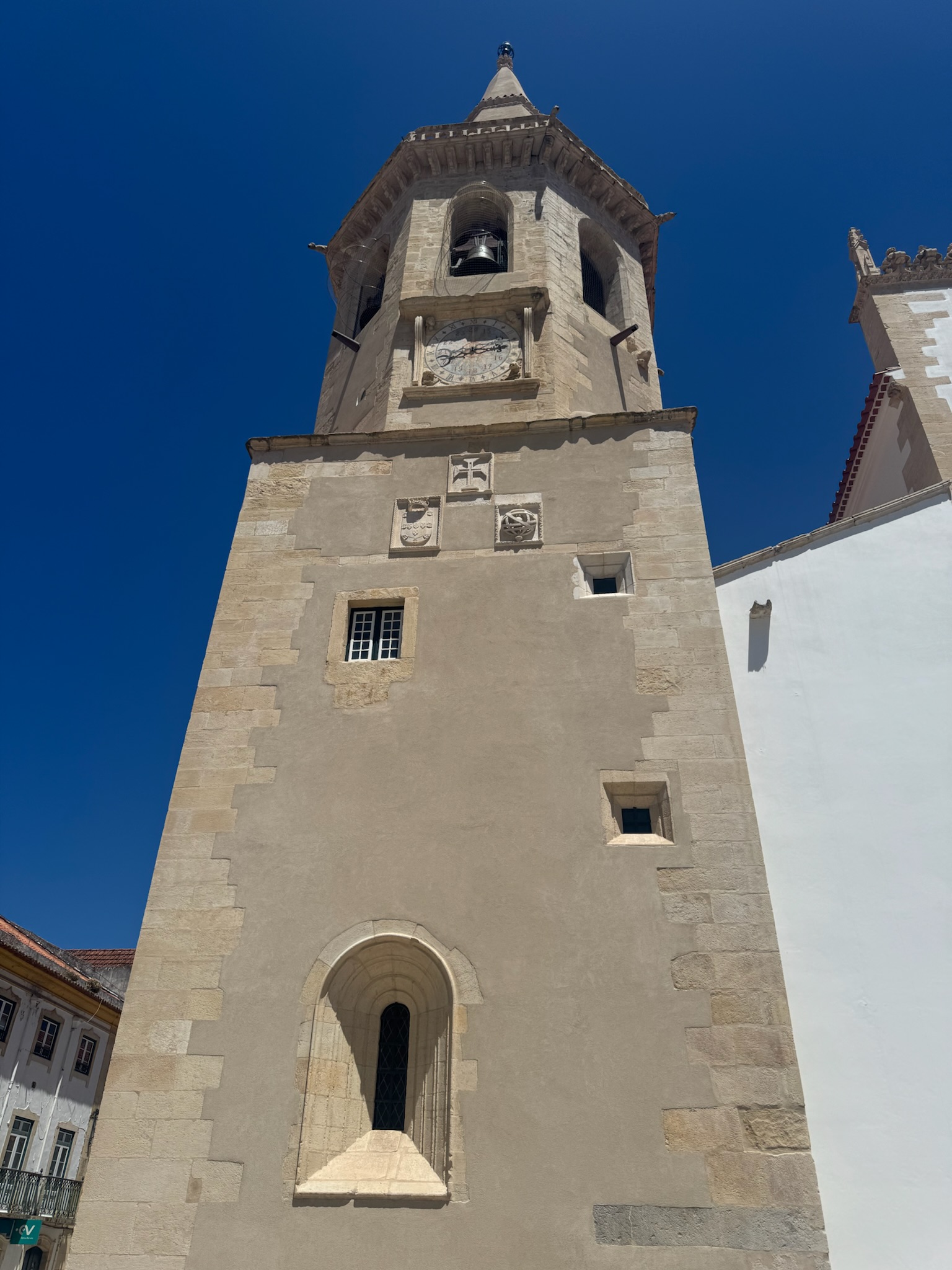
If there’s one place where Portugal’s Templar history is written in stone, it’s Tomar — the spiritual home of the Knights Templar in Portugal, a pretty riverside town built by the order itself, and still arranged around the great fortress on the hill above it.
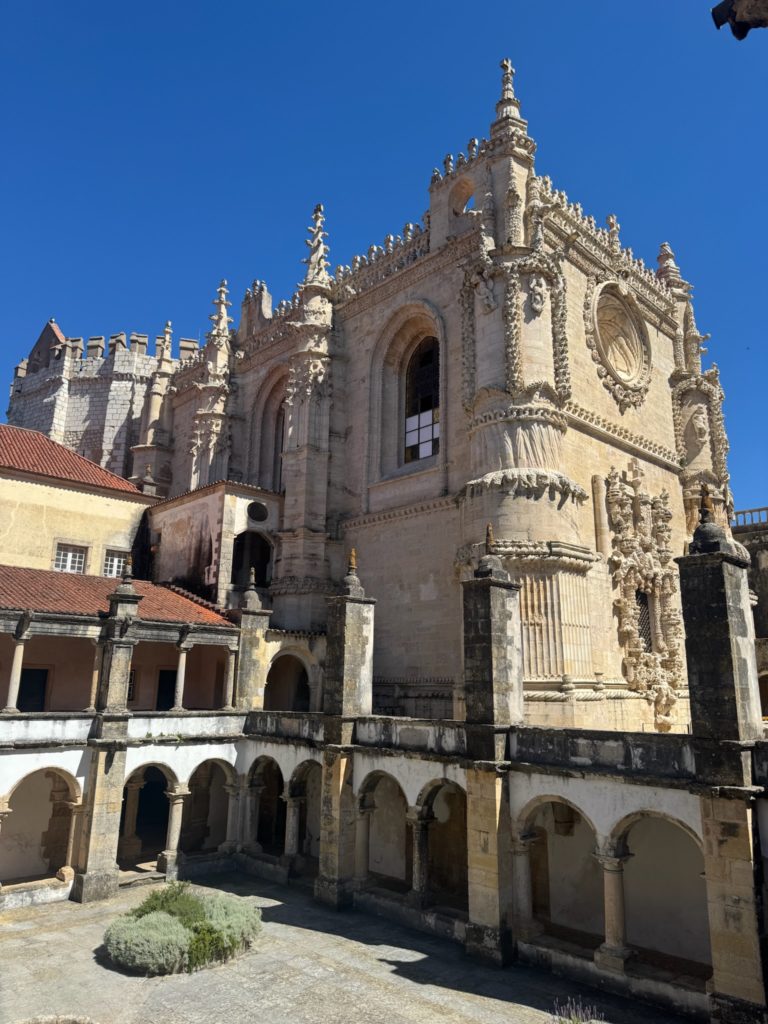
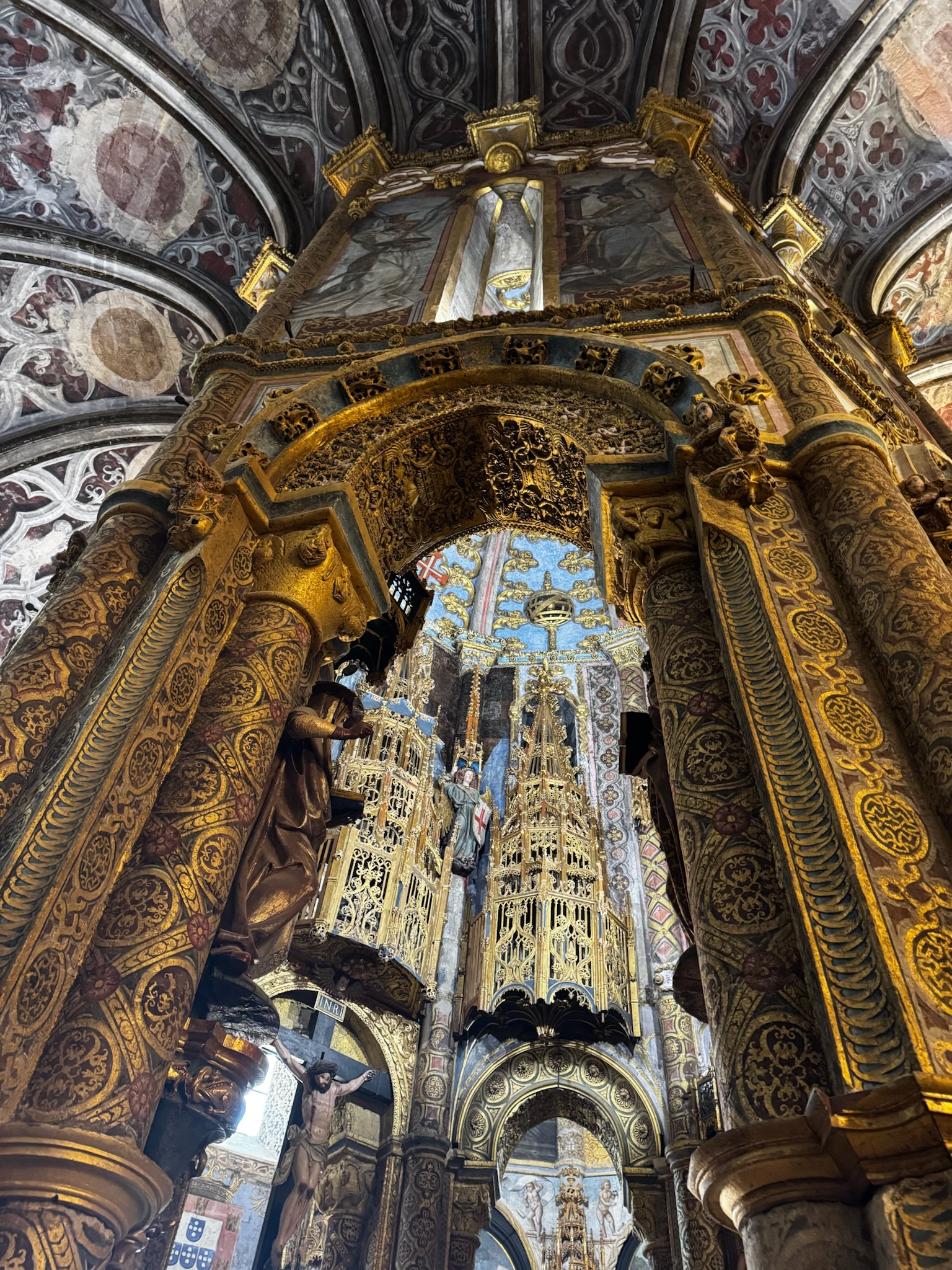
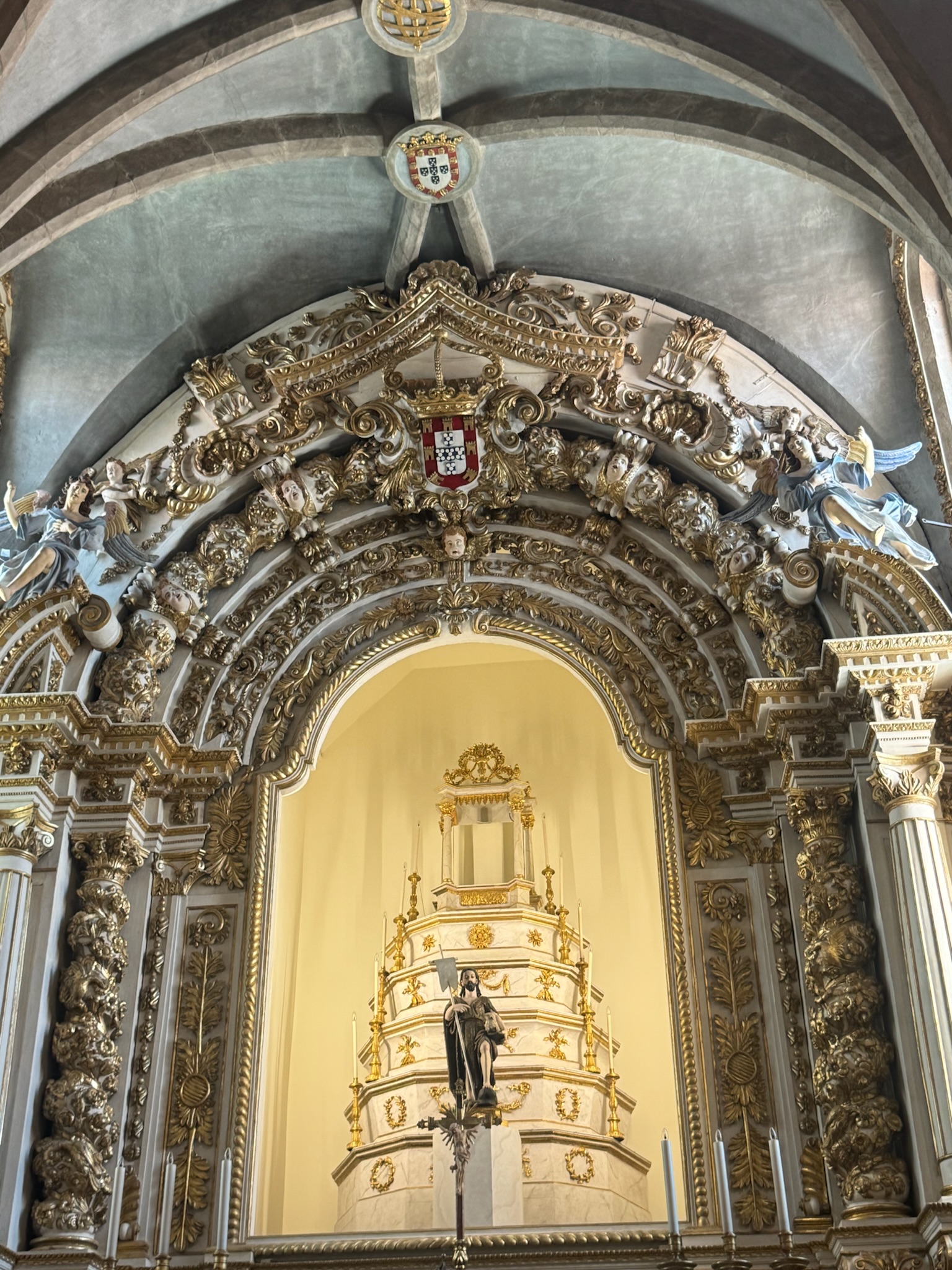
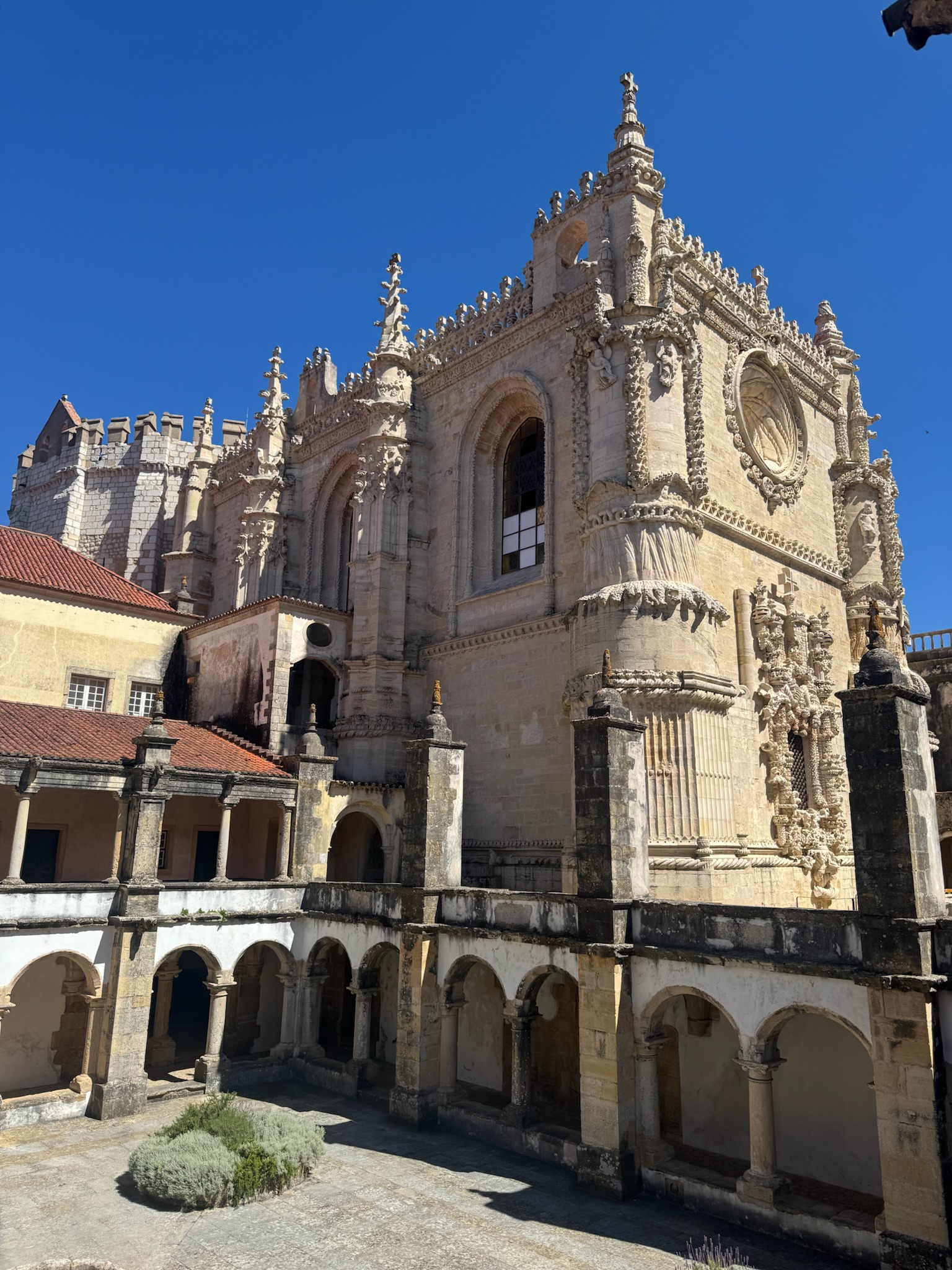
The Convento de Cristo began life in 1160 and has survived, almost intact, for over eight hundred years. It’s a UNESCO World Heritage Site now, and walking its cloisters you can feel the centuries layered one on top of another. At its heart is the Charola, a round church modelled on Solomon’s Temple in Jerusalem, designed so that knights could attend mass on horseback, ready to ride at a moment’s notice. This was never a hiding place. It was a headquarters — built by men with no intention of disappearing.
Almourol: the castle on the river
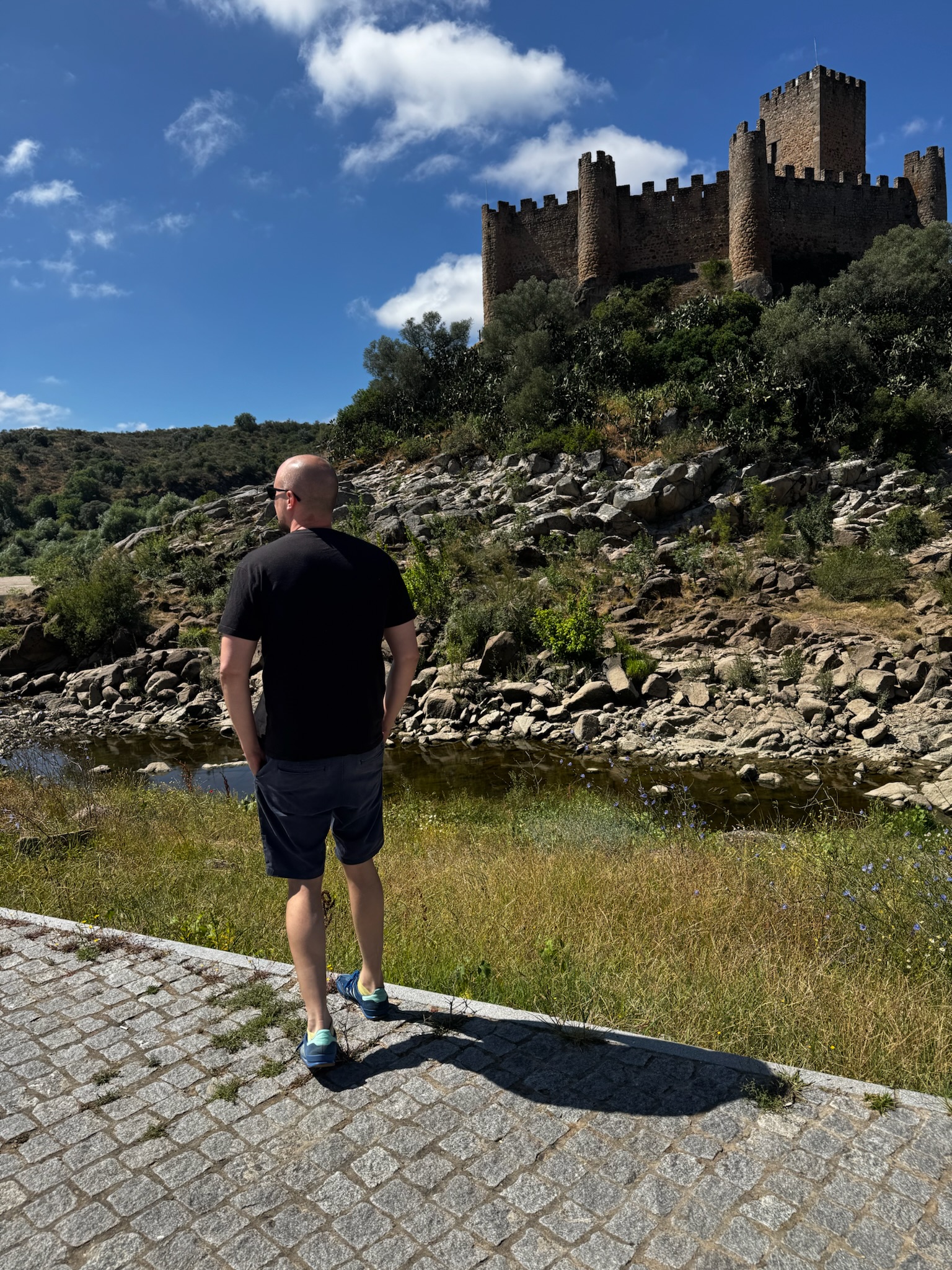
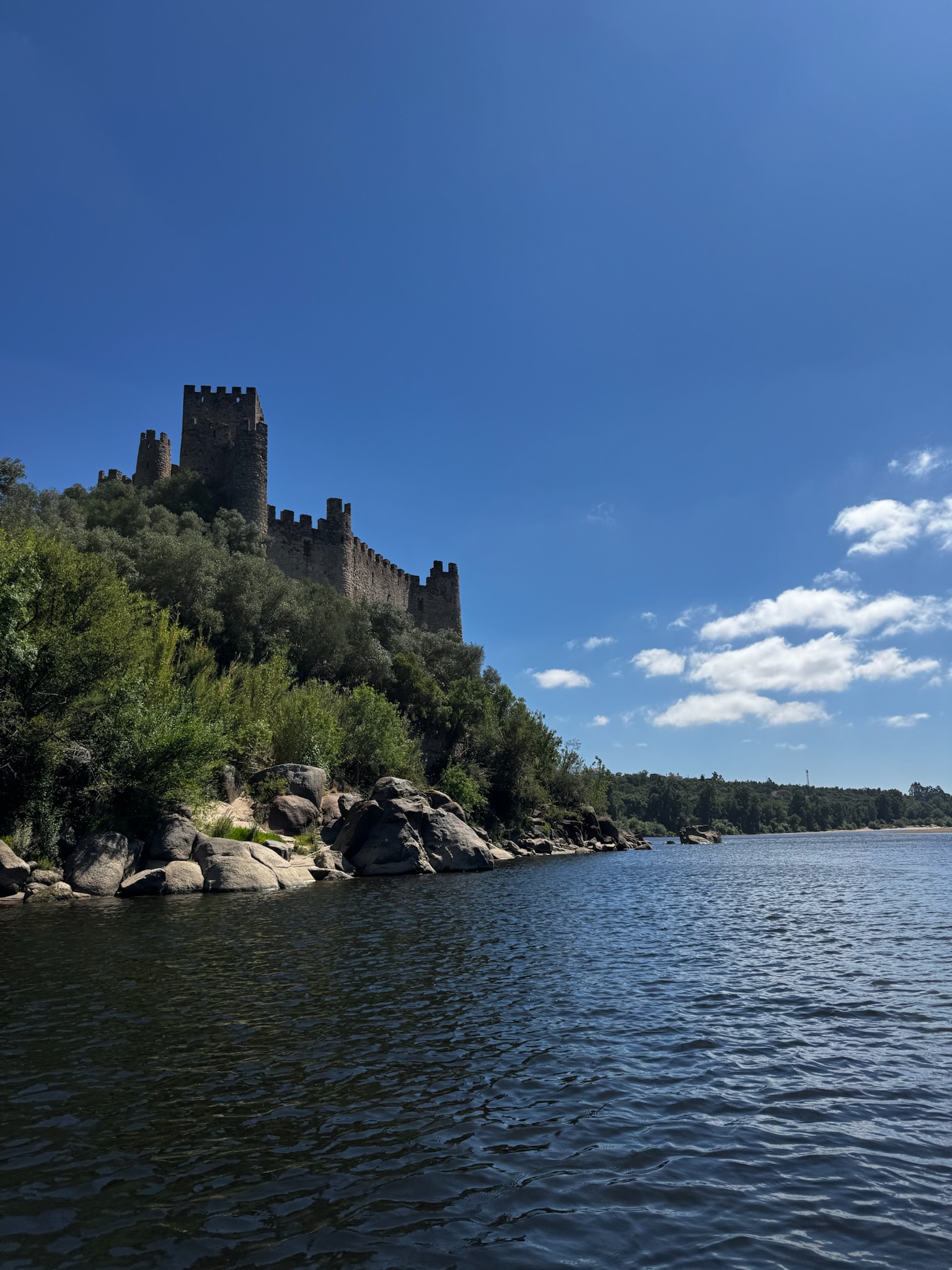
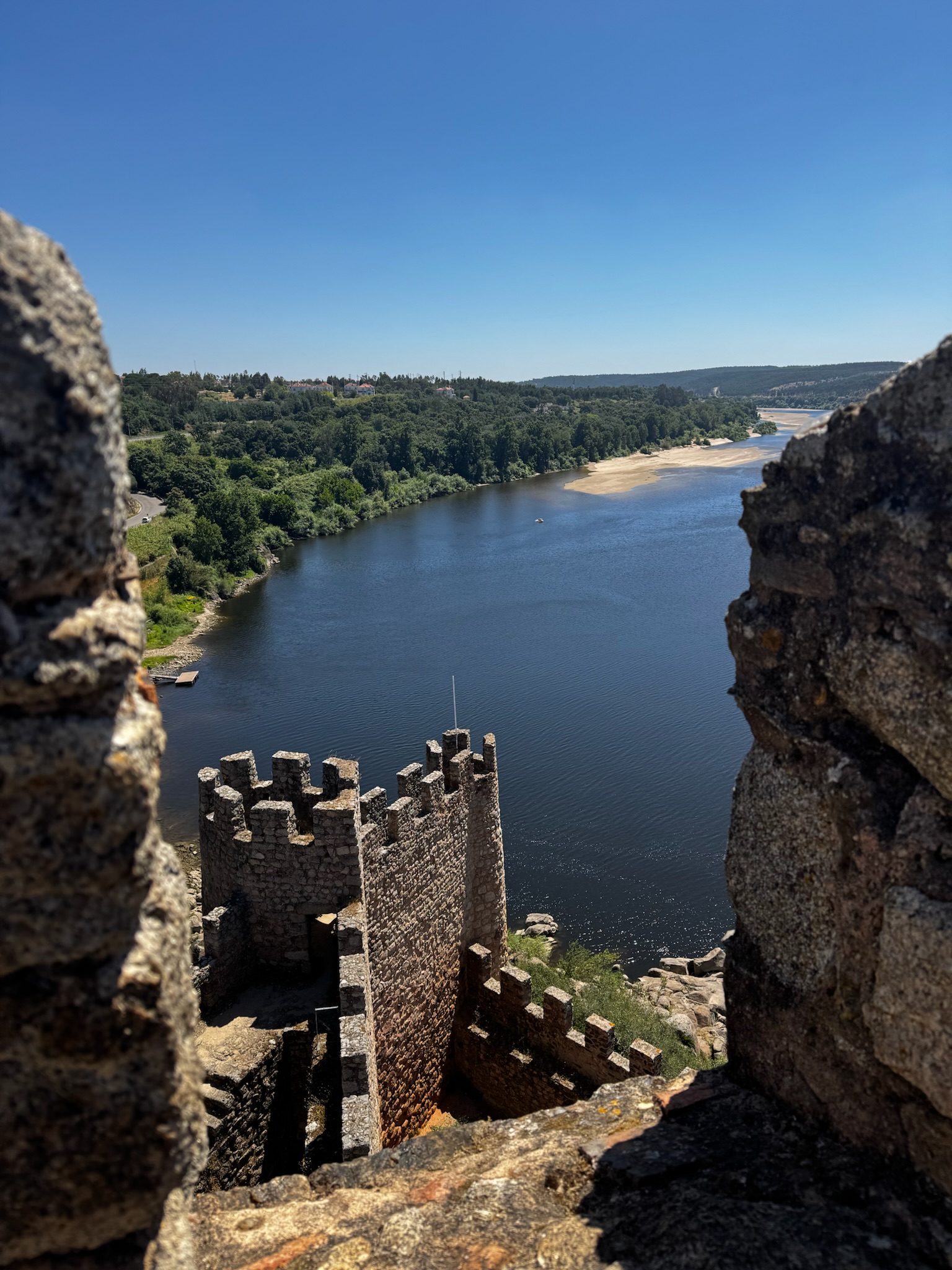
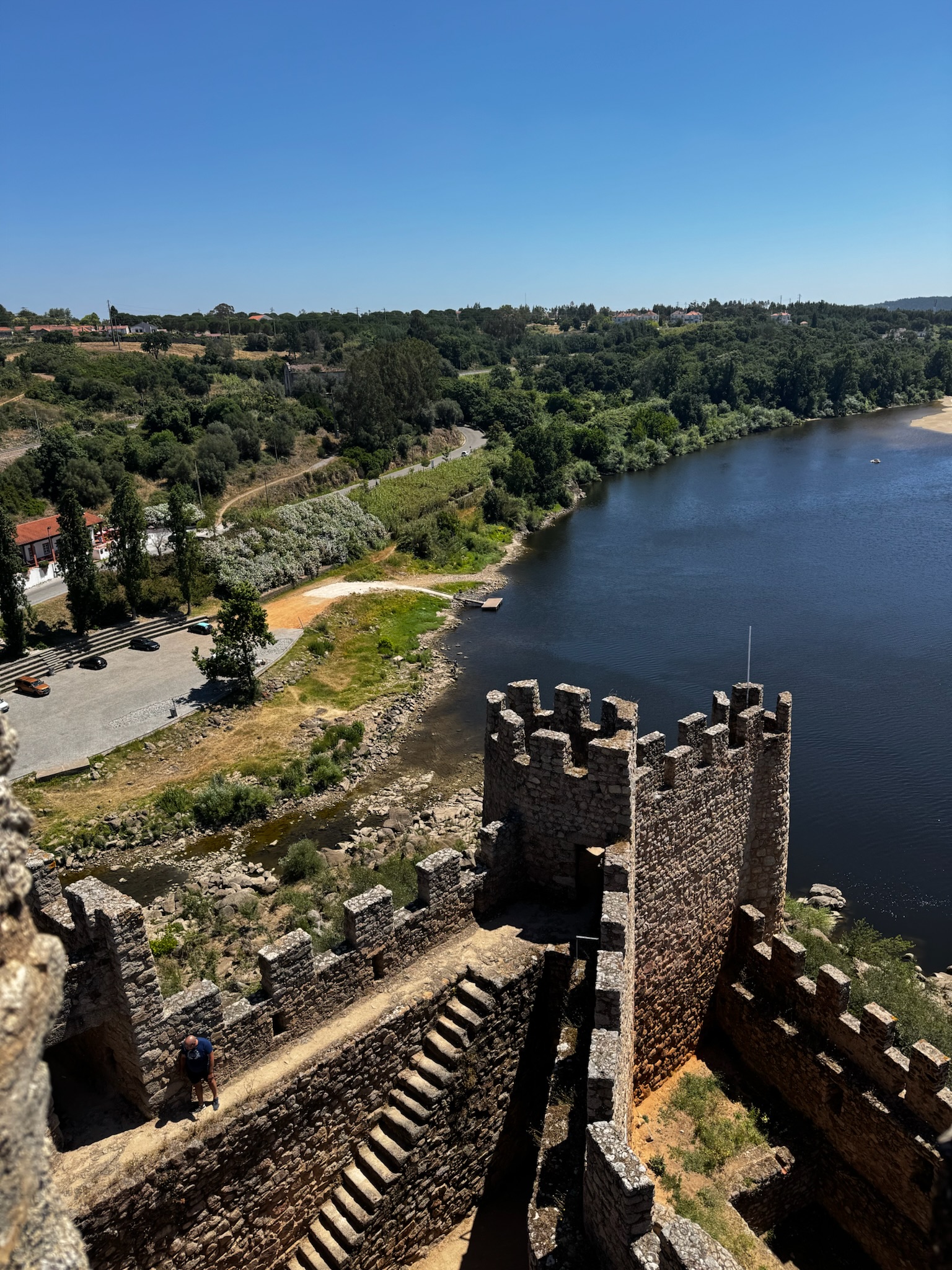
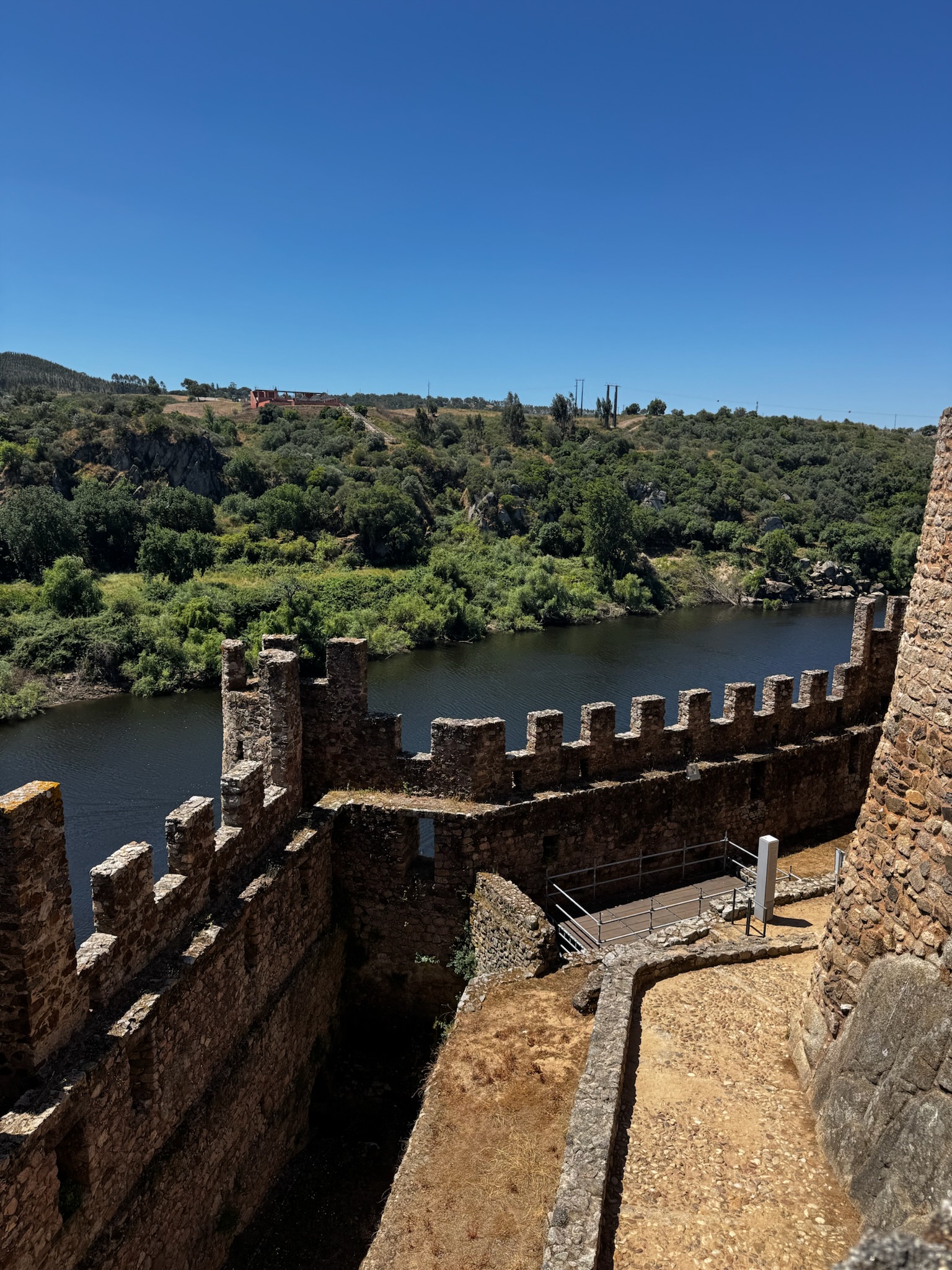
A short hop from Tomar, one of the most romantic sights in Portugal rises straight out of the Tagus: the castle of Almourol, perched on its own rocky island in the middle of the river.
You reach it by a little boat, and as you cross the water with the towers lifting above you, the centuries seem to fall away.
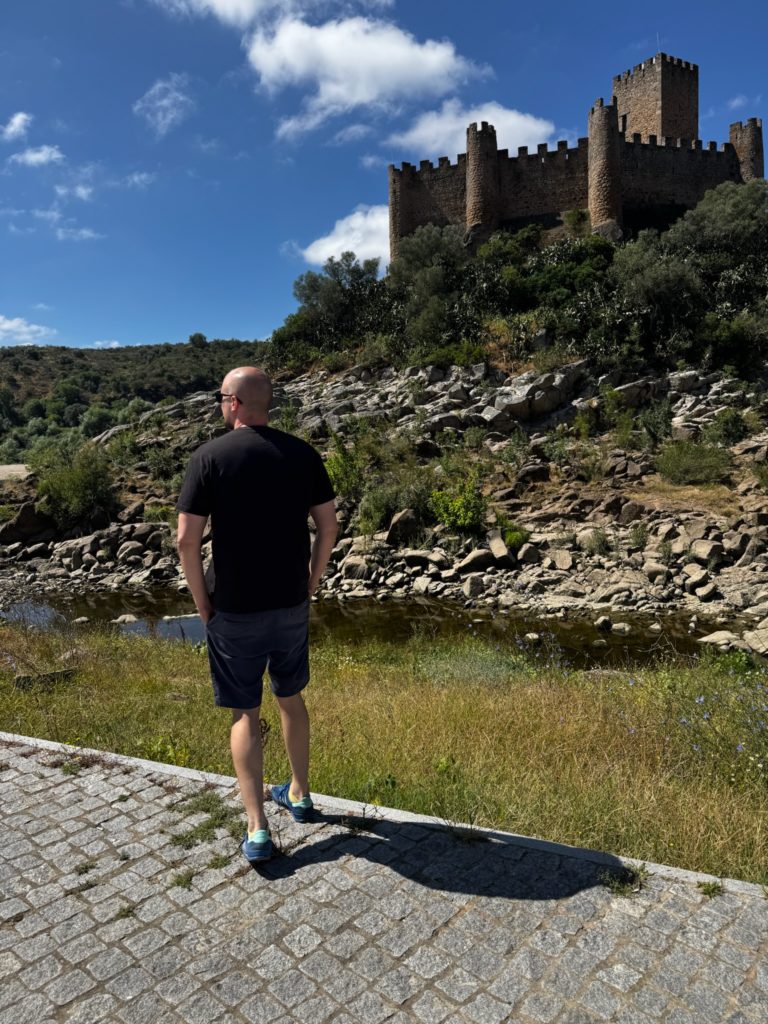
It was built to guard the river, but legend whispers that some of the vanished Templar treasure may have passed through here, carried upstream into the heart of a kingdom that had promised the knights its protection. History or fairy tale, I’ll let you decide — but few places make the past feel quite so close.
Coimbra: the city of scholars
North of Tomar, set on a hill above the Mondego River, lies Coimbra — Portugal’s old capital and home to one of the oldest universities in the world, founded in 1290.
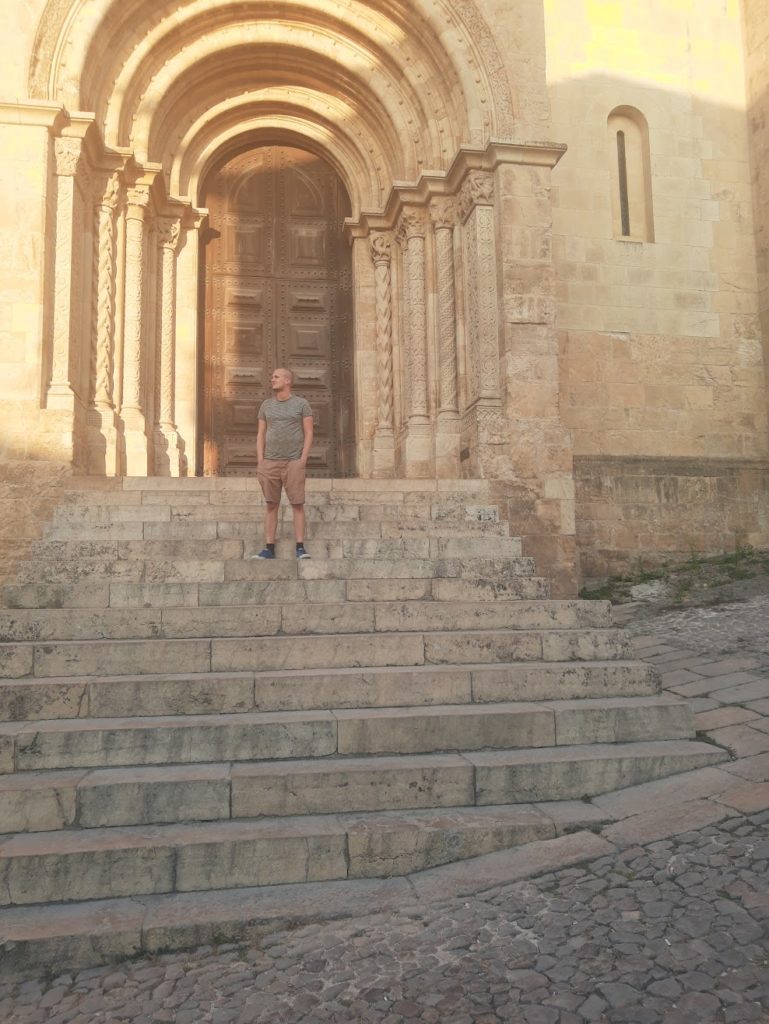
To climb up through the medieval streets to the university is to step into living history. The jewel is the Joanina Library, a breathtaking baroque hall of gilded wood and painted ceilings, famously guarded at night by a colony of bats that eat the insects threatening the ancient books. Students still sweep through the old town in black capes, and on a warm evening you might hear Coimbra’s own style of fado — sung here only by men — echoing off the stone. It’s a city that wears its learning lightly, and beautifully.
Porto: the soul of the north
Further north still, where the Douro River meets the Atlantic, sits Porto — Lisbon’s rugged, characterful rival and, for many, the place they love best.
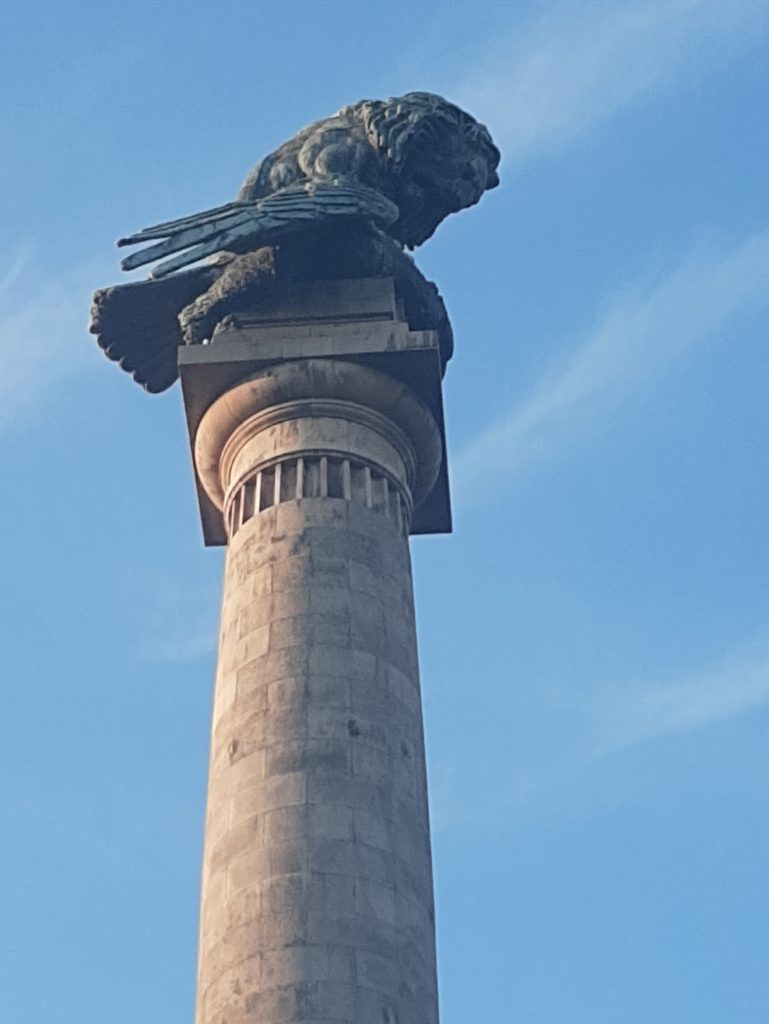
Porto is a city to wander on foot. Lose yourself in the steep lanes of the Ribeira, the riverside old town, where laundry hangs between tiled houses and the bridges arc overhead. Cross the great iron Dom Luís I bridge to Vila Nova de Gaia, where the port wine lodges have aged their barrels for centuries — a tasting here, looking back across the river at the city, is one of travel’s great simple pleasures. And everywhere you go, the blue-and-white azulejo tiles tell their stories, none more spectacularly than inside São Bento railway station, where twenty thousand of them turn a station concourse into an art gallery.
Évora: the museum-town of the Alentejo
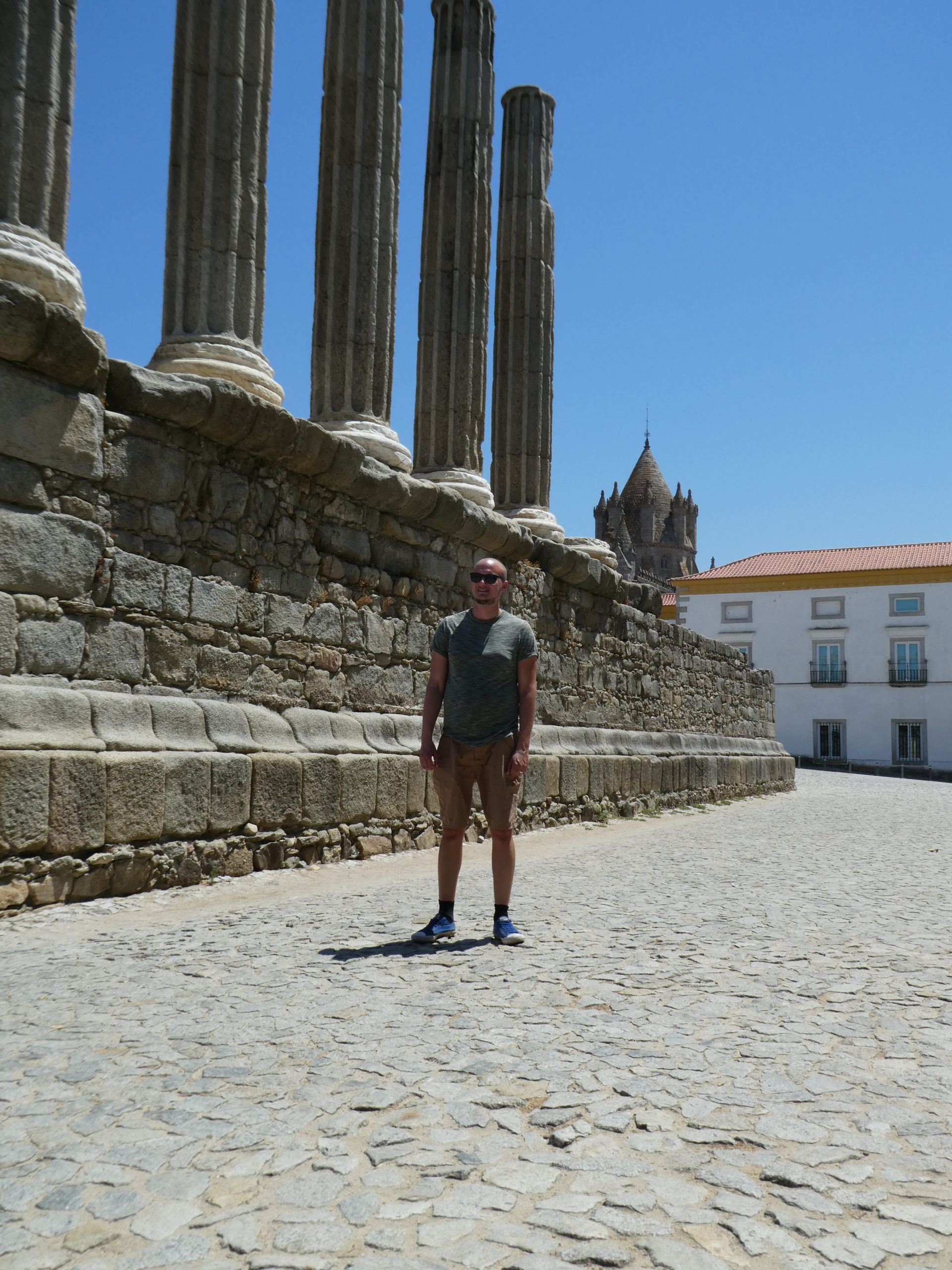
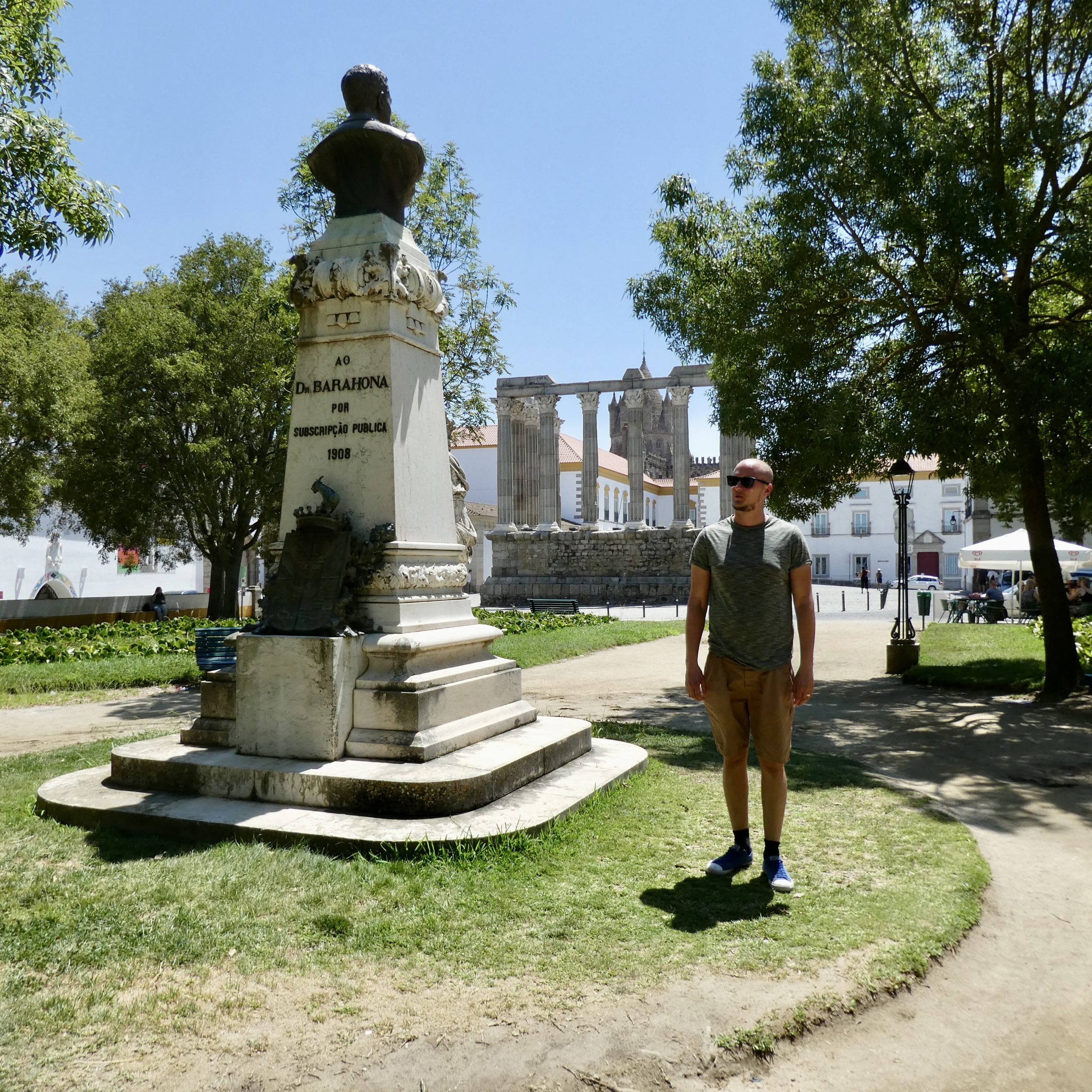
Strike out east from Lisbon into the golden plains of the Alentejo and you’ll find Évora, a walled town so rich in history that the whole centre is a UNESCO World Heritage Site.
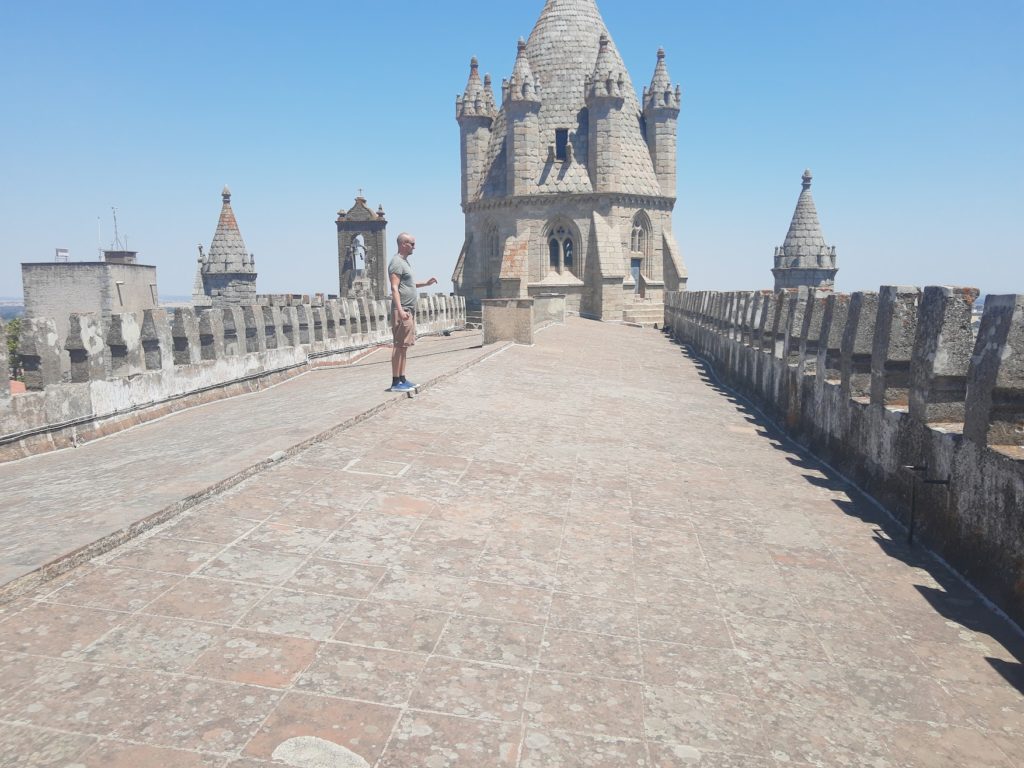
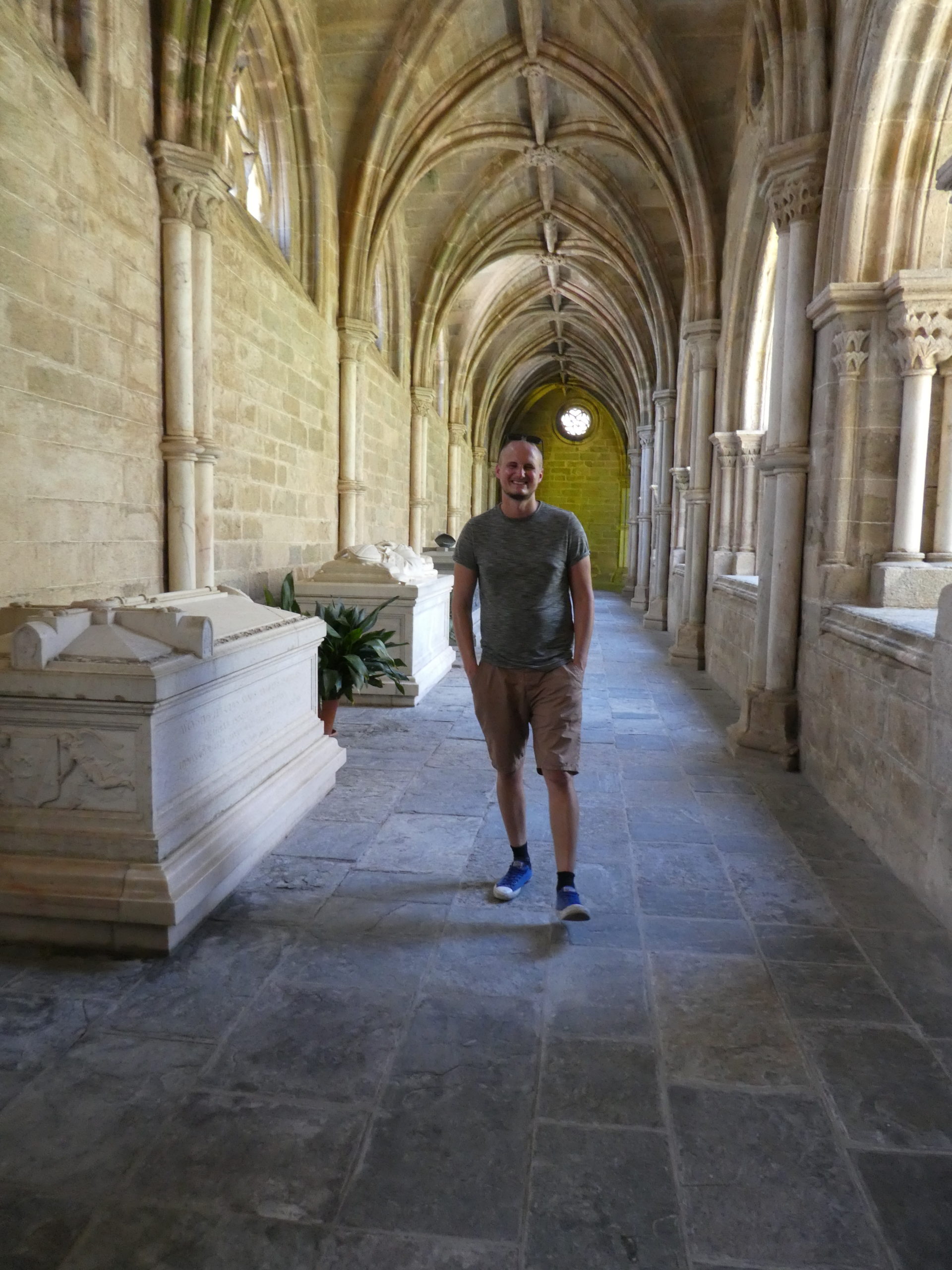
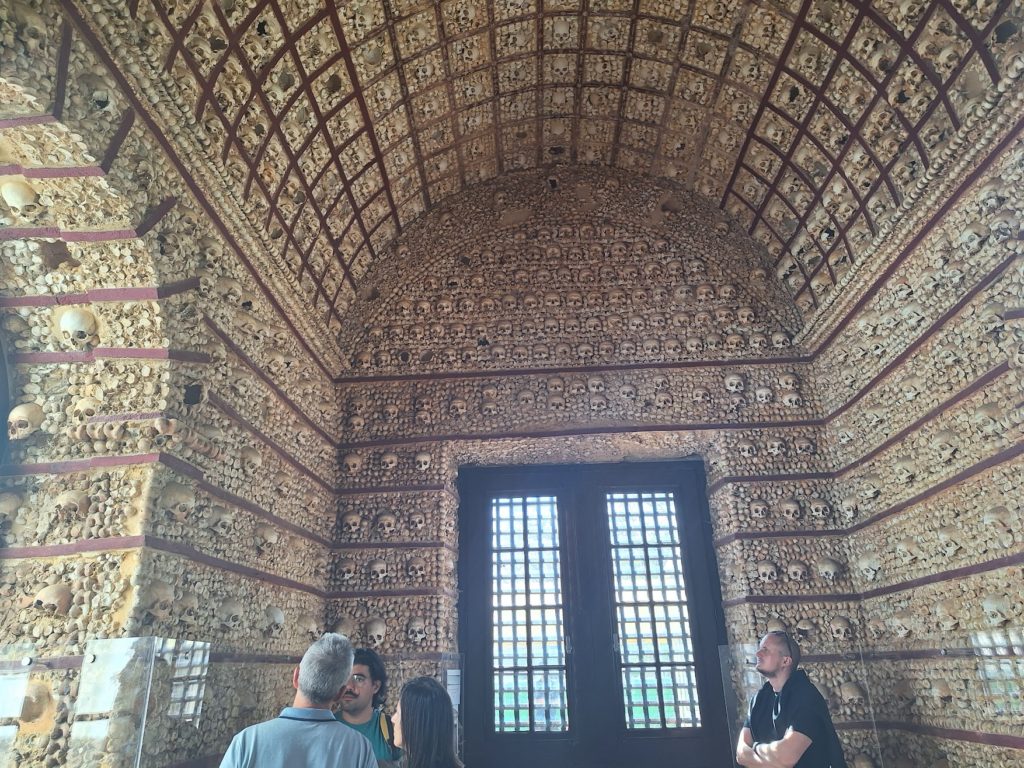
Within a few minutes’ walk you can stand before a Roman temple nearly two thousand years old, wander a soaring medieval cathedral, and step inside the famously haunting Chapel of Bones, its walls lined with the remains of thousands of monks and a message at the door that stops you in your tracks. The Order of Christ left its mark across this region too. But Évora is just as much about the slow pleasures — a glass of bold Alentejo red, a plate of black pork, and the warm hush of a town that has seen empires come and go.
Faro and the Algarve: journey’s end by the sea
And then, far to the south, the country opens onto the sea. Most travellers know the Algarve for its golden beaches and dramatic ochre cliffs — and they are every bit as beautiful as the postcards promise — but Faro, its capital, is too often rushed straight past.
Don’t. Behind its old walls lies a quiet, sun-bleached old town of cobbled lanes and orange trees, a marina looking out over the lagoons of the Ria Formosa, and a slower rhythm that feels a world away from the resorts. It’s the perfect place to end a journey through Portugal: a cold drink, the Atlantic glittering, and the whole extraordinary trail of the Templars stretching back behind you across the country.
Come with me to Portugal
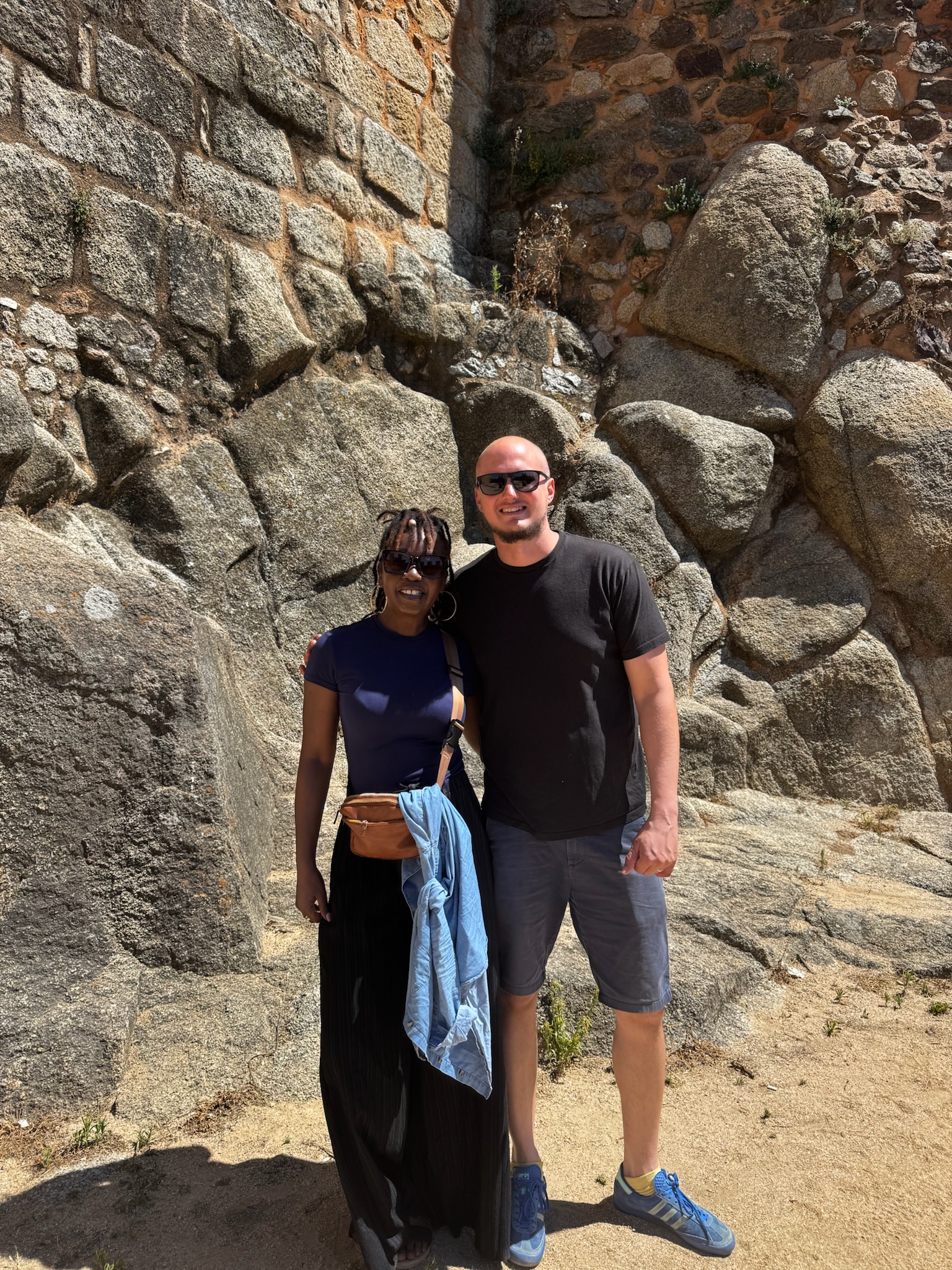
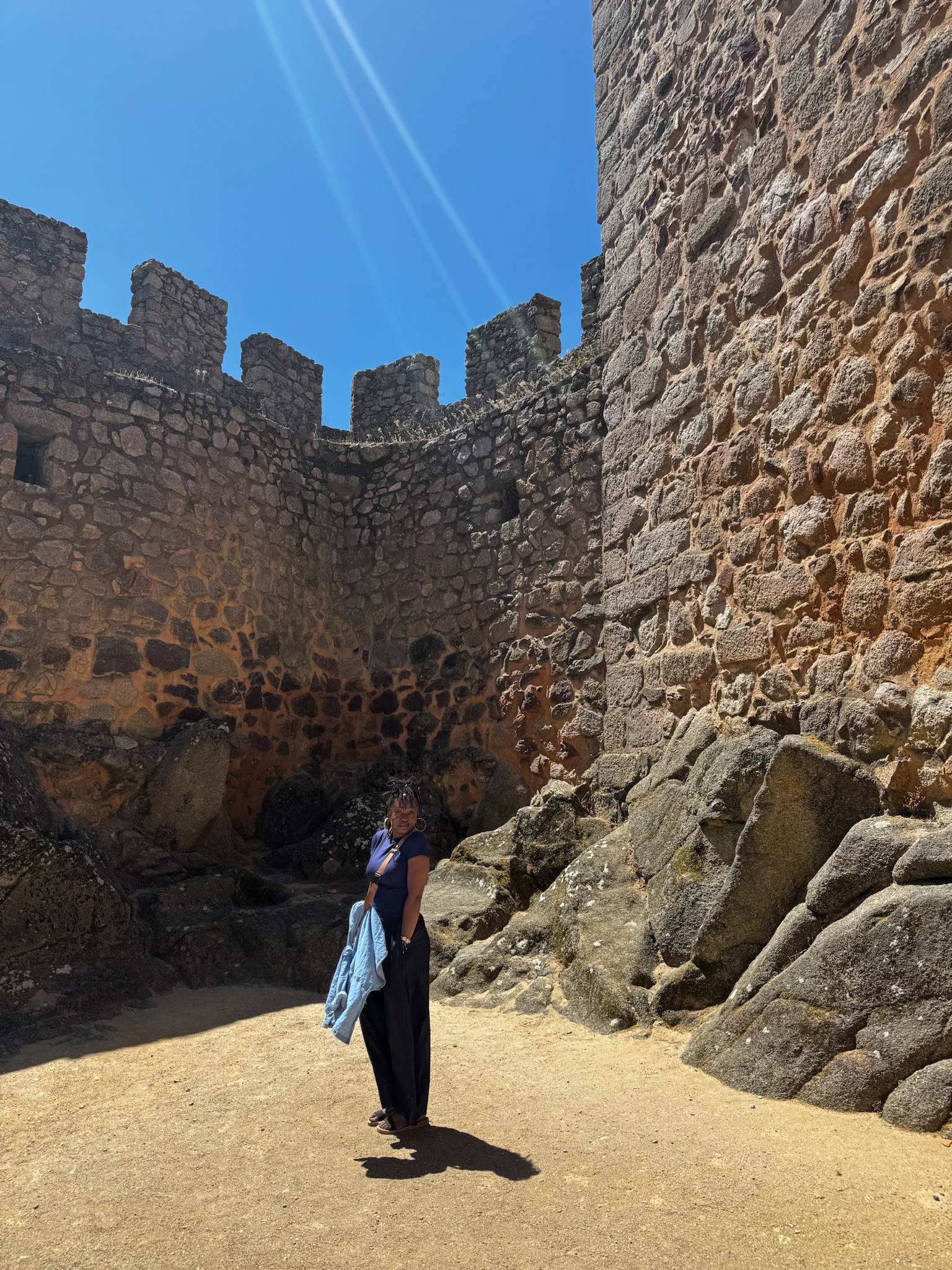
Everything I’ve described — the spiral wells at Sintra, the fortress at Tomar, the island castle at Almourol — I’ve stood in all of those places. I’ve felt what Eden feels in those pages. And for a long time, that was just mine.
But now, I’m inviting you to come too. In October 2026, for the first time, I’m leading a small group on a Knights Templar tour of Portugal — walking the fortress at Tomar, crossing the water to the island castle of Almourol, and descending into the Initiation Wells of Quinta da Regaleira. The exact places in the book. This isn’t a bus tour; it’s an adventure — a small group of readers following in Eden’s footsteps, in the places where the Templars actually lived, hid, and survived. There are only a handful of spots, and I’d love for you to be one of them.