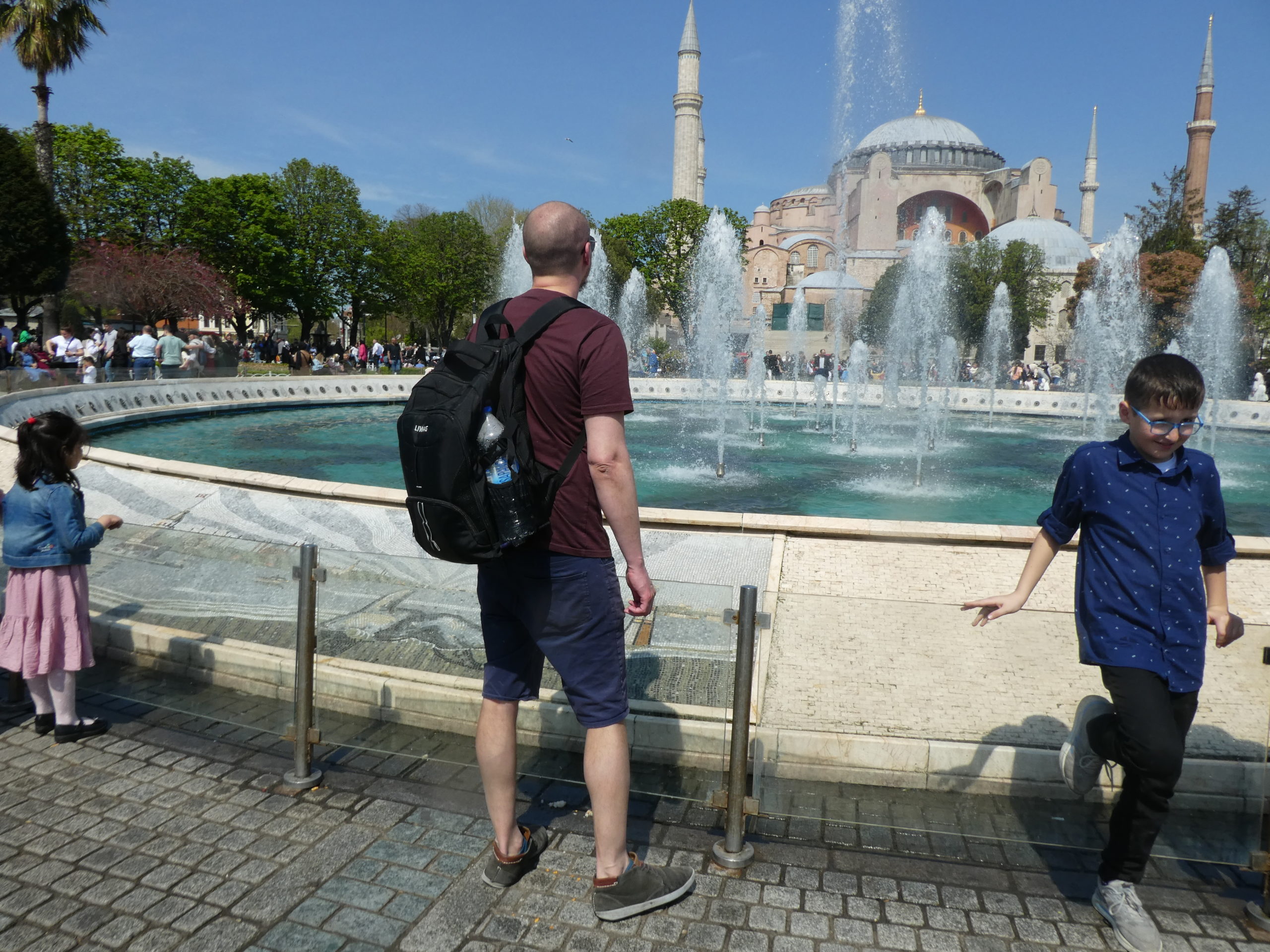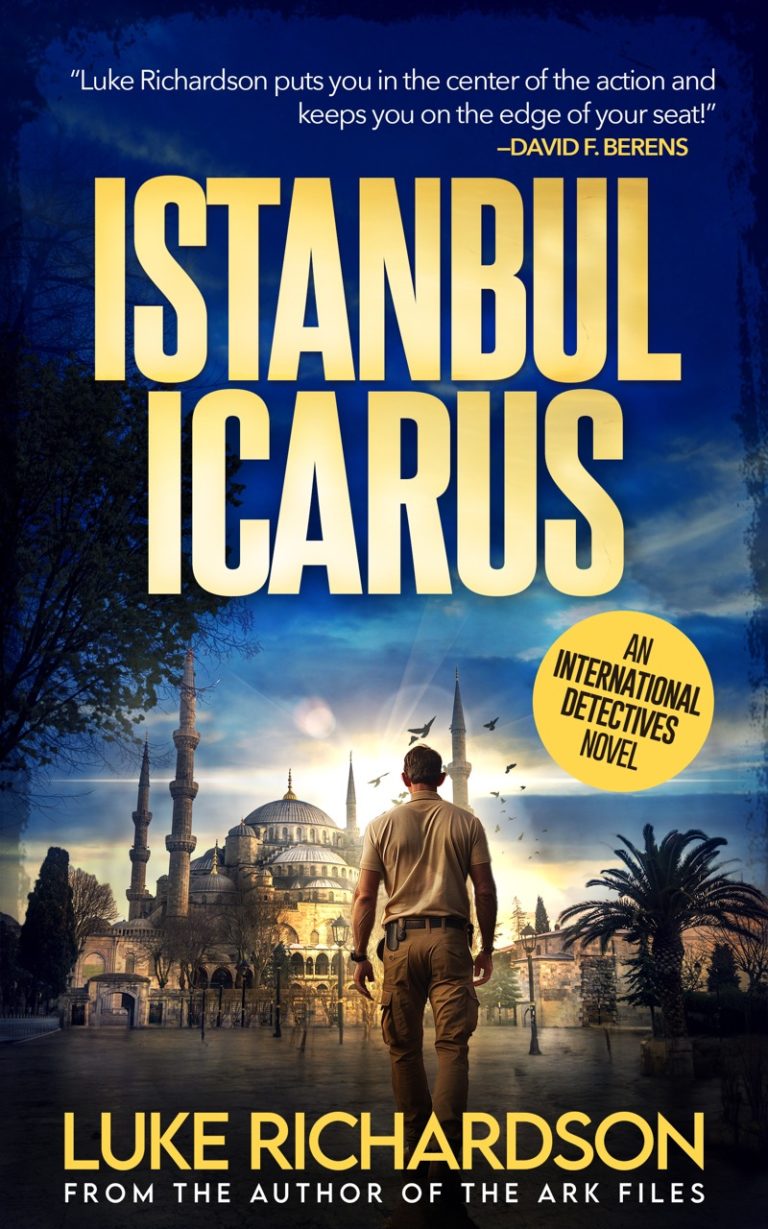
I originally visited Istanbul in 2016 — a trip that inspired my novel Istanbul Icarus. From the moment I arrived, I was captivated by the collision of continents, the sense that east and west pull at each other from opposite sides of the Bosphorus Strait.
I remember standing in the old city as the call to prayer rang out across Istanbul’s seven hills. It doesn’t come from one direction — it comes from everywhere at once, different voices from different minarets overlapping and echoing in one crazy and discordant sound.
The Orient Express and the Agatha Christie Connection
One thing that stood out on that first visit — and didn’t make it into the book — is Sirkeci Station, the grand terminal that served as the final stop for the Orient Express.
It’s a beautiful piece of architecture, all ornate arches and decorative tilework, and speaks of a time when travelling across land was the only option and arriving in Istanbul felt like the end of the known world.
The Orient Express ran from Paris to Istanbul from 1883, crossing ten countries and carrying — depending on the era — diplomats, spies, royalty, and adventurers. It was the most glamorous train journey on earth, and Sirkeci was where it ended. Standing on the platform, it’s hard not to feel the weight of all those journeys.
And then there’s the Agatha Christie connection. Christie travelled the route herself numerous times, and it was at the Pera Palace Hotel — a short walk from the station and still open today — that she stayed and reportedly wrote much of Murder on the Orient Express. The hotel has preserved her room, Room 411, exactly as it was. If you’re visiting Istanbul as a thriller writer, or simply as a fan of one of the greatest crime novels ever written, it demands a visit.
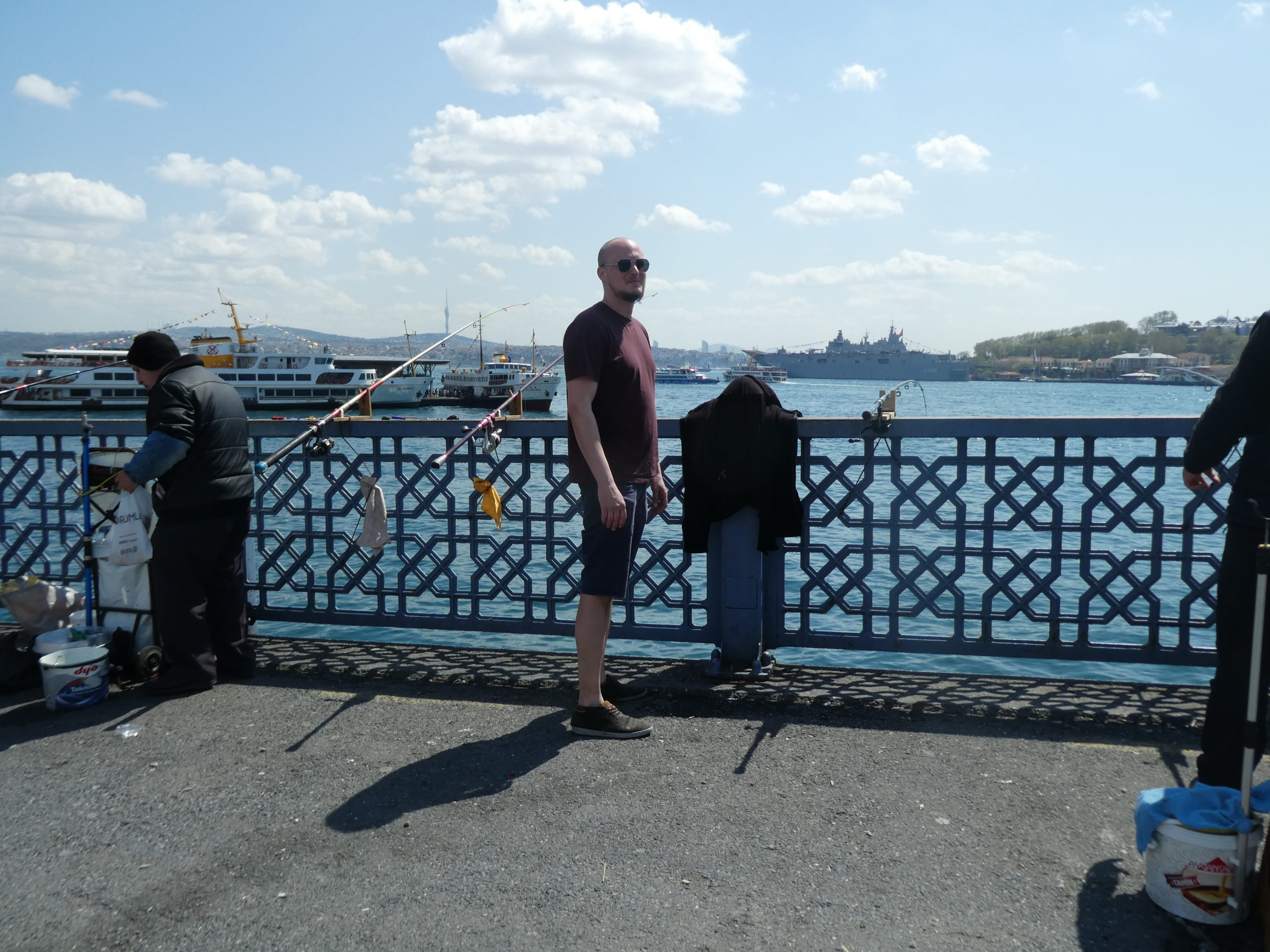
That first trip planted a seed. Seven years later, in 2023, I set out to recreate the journey myself — travelling entirely overland from England to Istanbul. Ten countries and four weeks later, I arrived to meet my friend and fellow thriller author Steven Moore. It felt like a proper arrival, and it was a pleasure to show him around some of the city’s highlights, including several of the places mentioned here.
Hagia Sophia: 1,500 Years of History in a Single Building
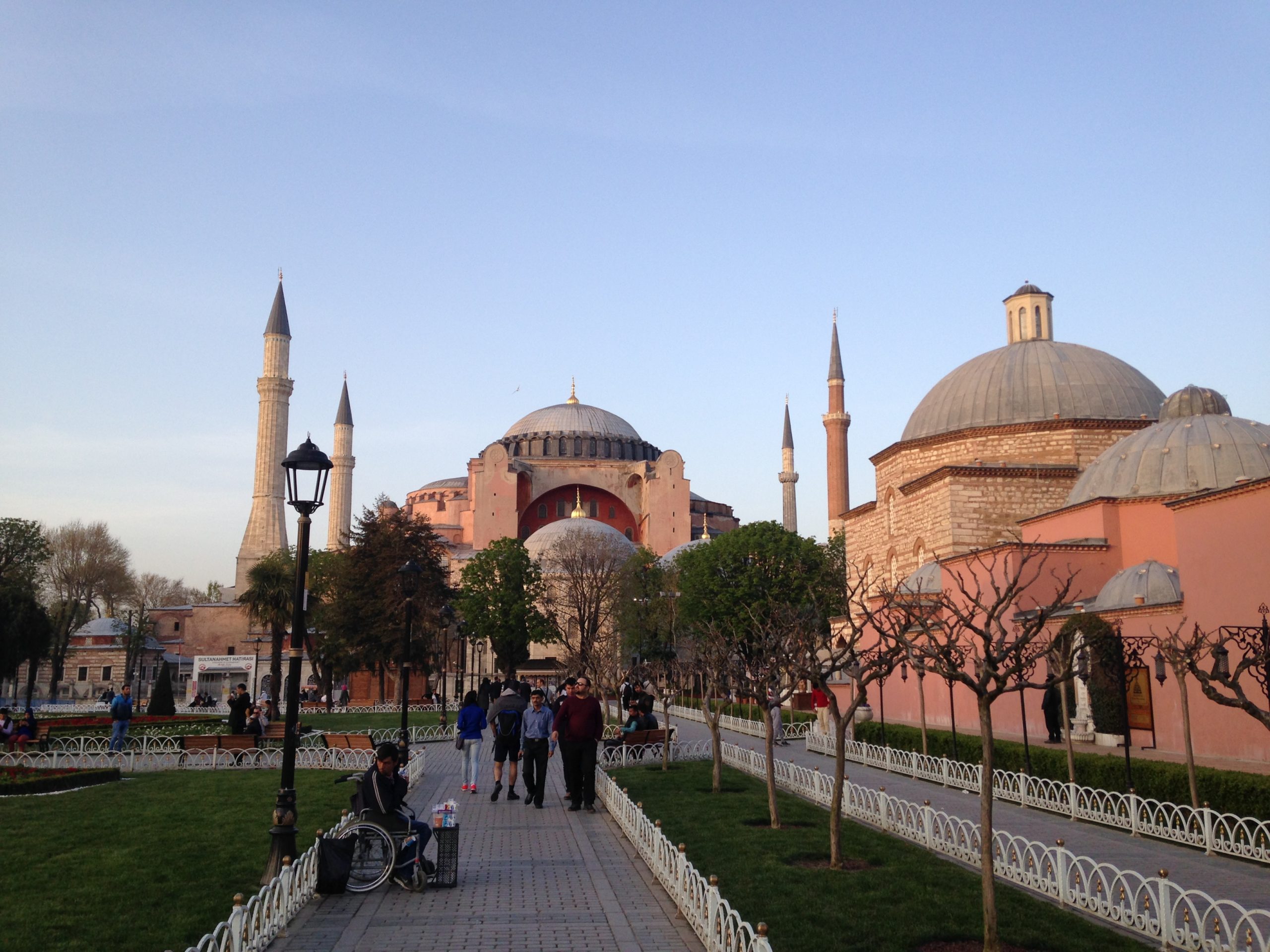
Hagia Sophia — whose name means Holy Wisdom — is perhaps Istanbul’s most iconic landmark.
Built by the Byzantine emperor Justinian I between 532 and 537, it remained the world’s largest church for nearly a thousand years. Its soaring dome and intricate mosaics are a testament to the skill of the Byzantine architects who created it, and standing beneath that dome, you really do feel the full weight of fifteen centuries of history.
What makes Hagia Sophia genuinely unique, though, is not just its age but its story. It has been an Eastern Orthodox church, a Roman Catholic cathedral, a mosque, a museum, and since 2020, a mosque once more. Each transition reflects a shift in power, in faith, and in the political identity of the city around it. Inside, that layering is visible — Christ Pantocrator and the Virgin Mary coexist with the name of Allah and the Prophet Muhammad, making it unlike any other building in the history of world religious architecture.
The Blue Mosque: Six Minarets and Twenty Thousand Tiles
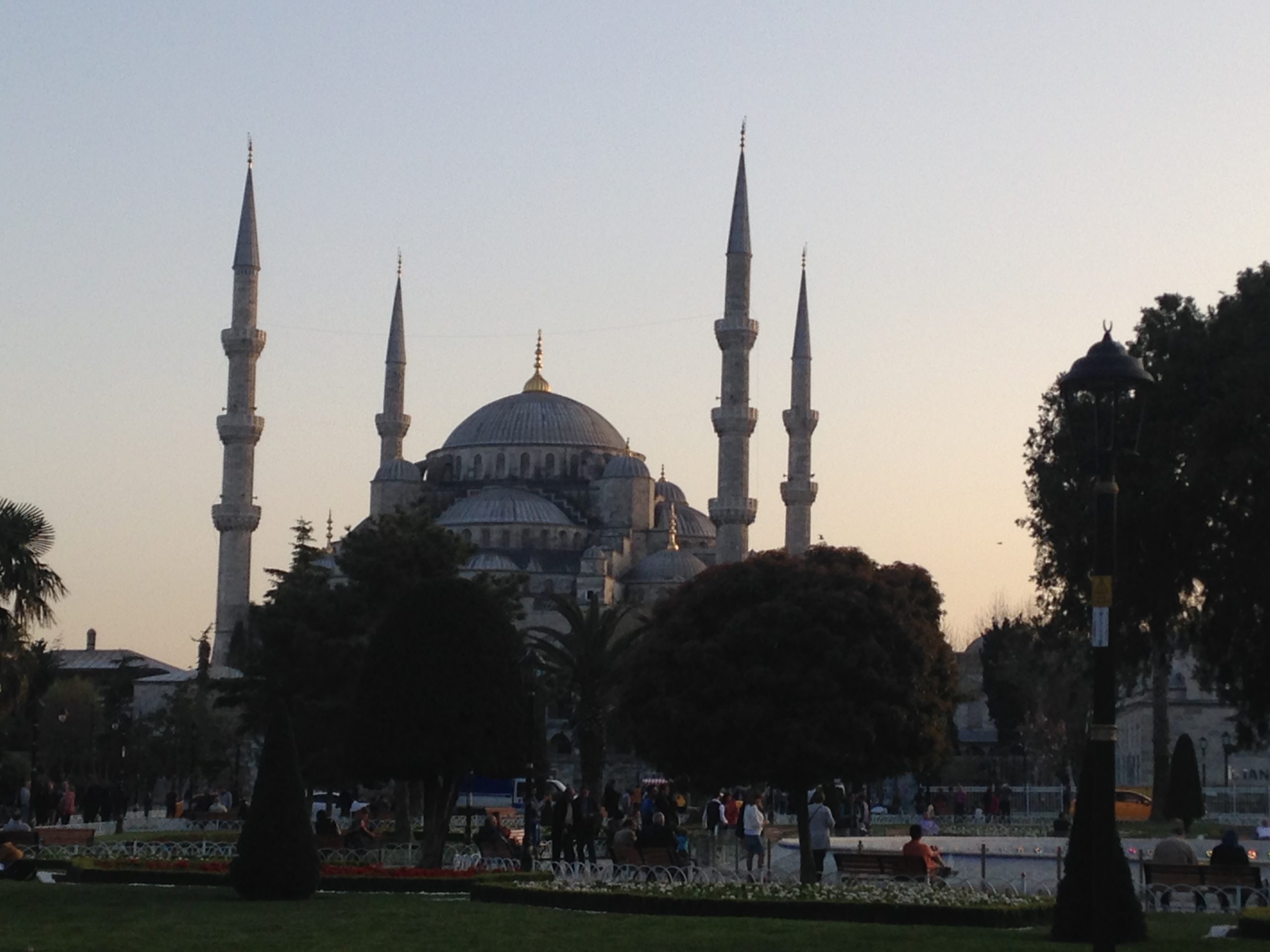
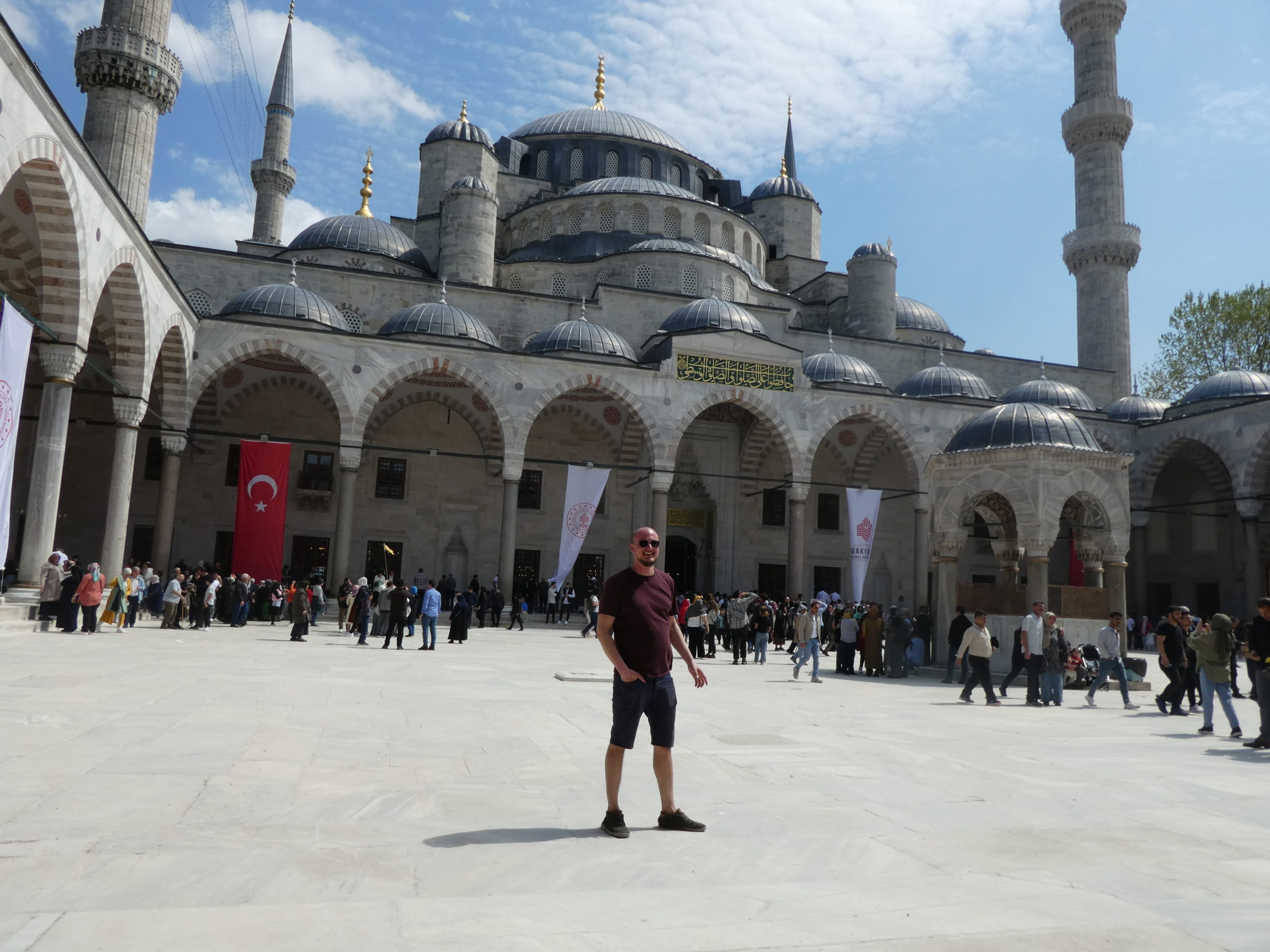
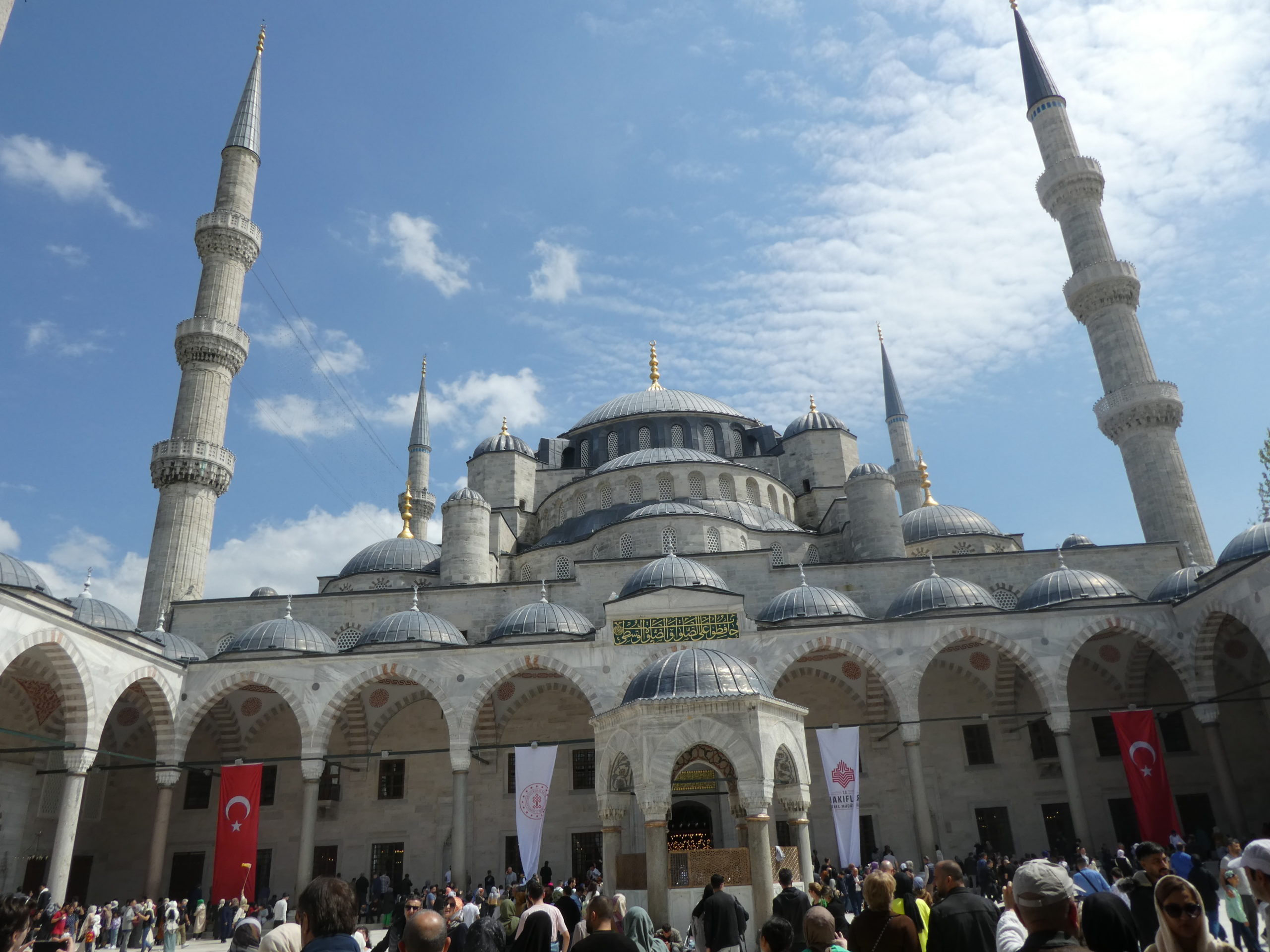
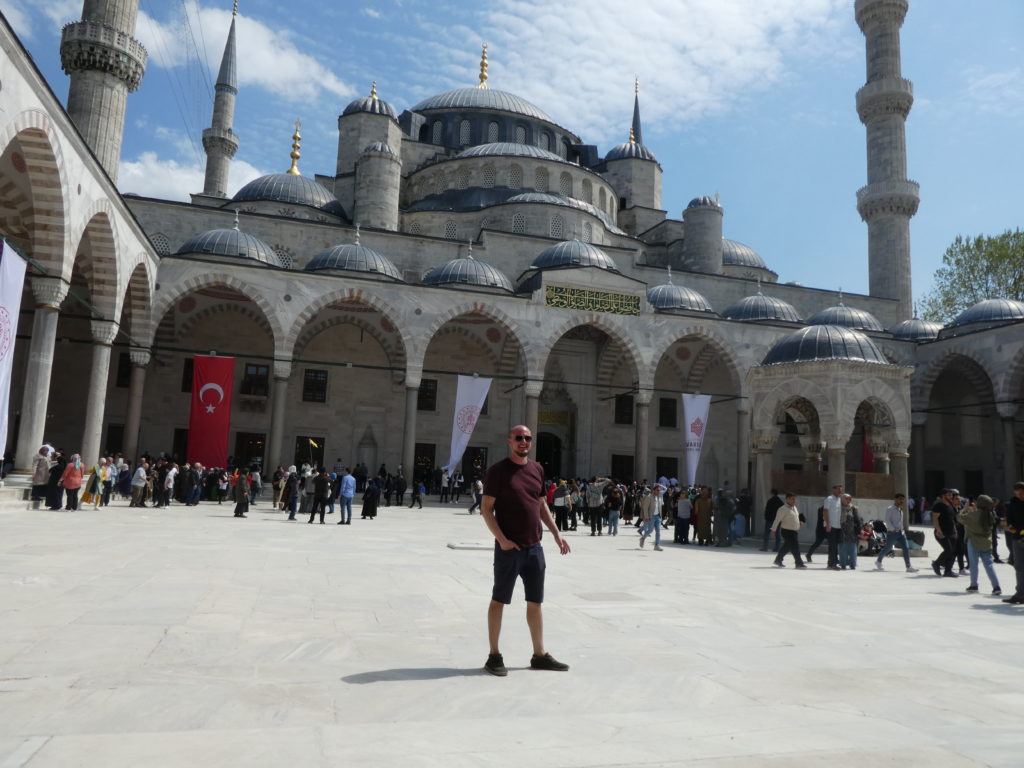
Directly across from Hagia Sophia, and visible from almost everywhere in the old city, is the Blue Mosque — officially the Sultan Ahmed Mosque. Built between 1609 and 1617 during the reign of Ahmed I, it was designed to rival and surpass the glory of Hagia Sophia itself. Its most distinctive feature is its six minarets — a number so controversial at the time that Islamic legal scholars went so far as to forbid Muslims from praying there. The controversy was resolved only when the Sultan agreed to fund a seventh minaret at the Grand Mosque in Mecca.
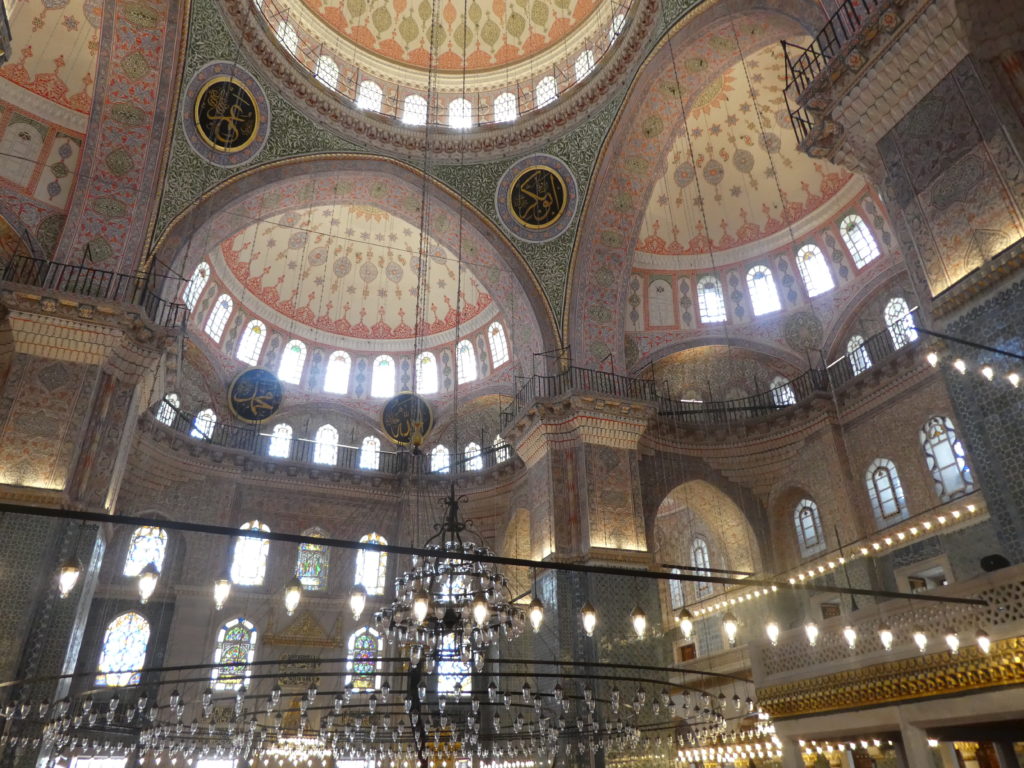
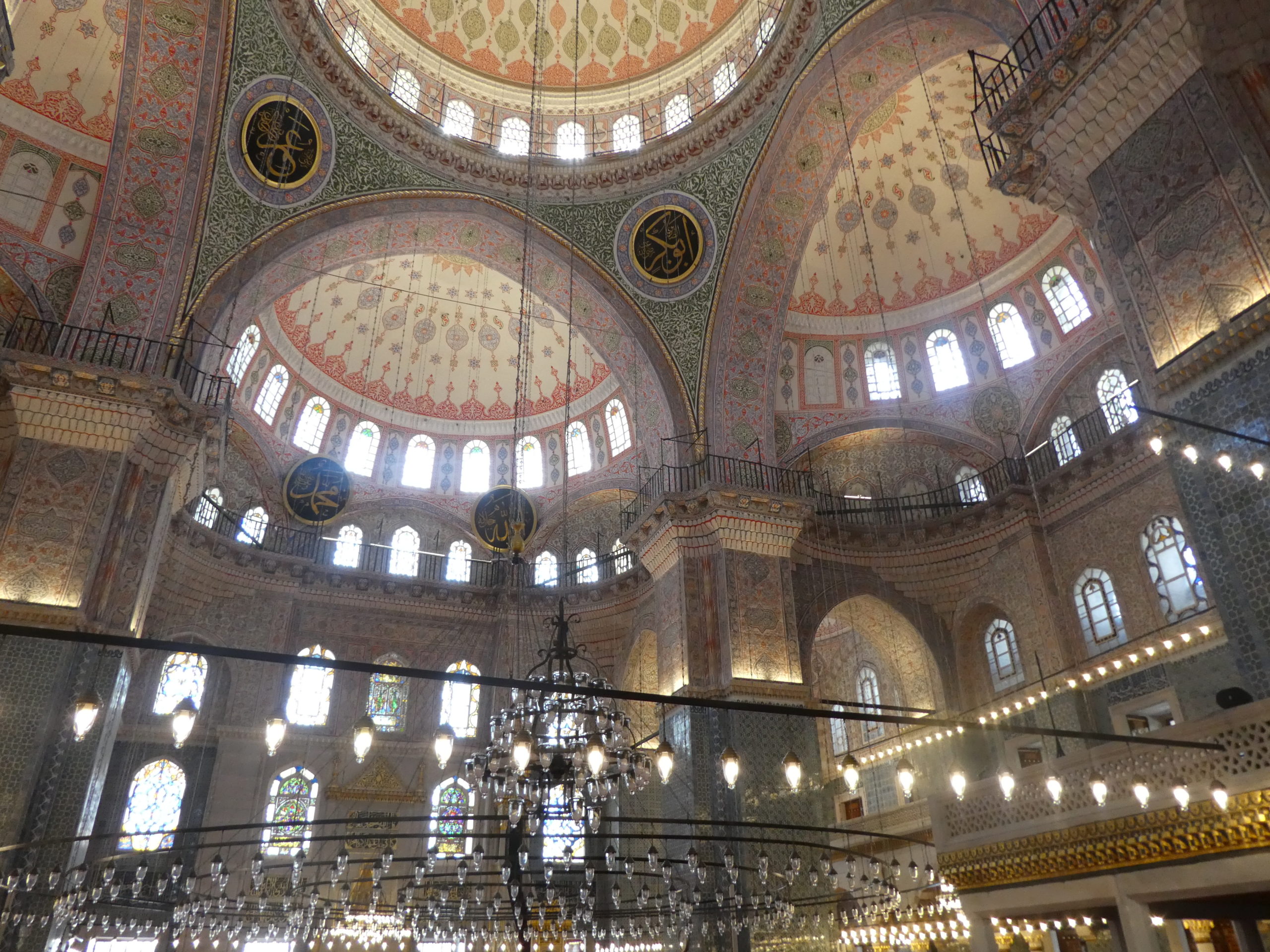
Step inside and you understand immediately why it carries its nickname. Over 20,000 handmade ceramic tiles from İznik line the walls, richly decorated with flowers, trees, and abstract patterns, and when sunlight filters through the stained glass windows, the entire interior glows with a soft blue light. It remains an active place of worship, which gives it an atmosphere that no museum can replicate.
The Basilica Cistern: Istanbul’s Sunken Palace
Beneath the streets of Istanbul lies a world most visitors never imagine. The city is home to a vast network of ancient underground cisterns — water storage facilities built over centuries to supply the city’s growing population — and the most famous of them is the Basilica Cistern, also known as the Sunken Palace.
Comprising 336 columns arranged in 12 rows, the Basilica Cistern is a genuinely awe-inspiring space — vast, dimly lit, and utterly silent in a way that the streets above never are. Some cisterns in the city are open to the public and have become major attractions, while others remain hidden beneath buildings and streets, still largely unexplored. In 2014, during the construction of a hotel in the Sultanahmet district, a previously unknown Byzantine cistern was discovered — 138 feet long, 115 feet wide, believed to date from the 6th century and likely used to supply the Great Palace of Constantinople. Istanbul, it seems, is still revealing its secrets.
The Bosphorus: Crossing a Continent for the Price of a Ferry Ticket
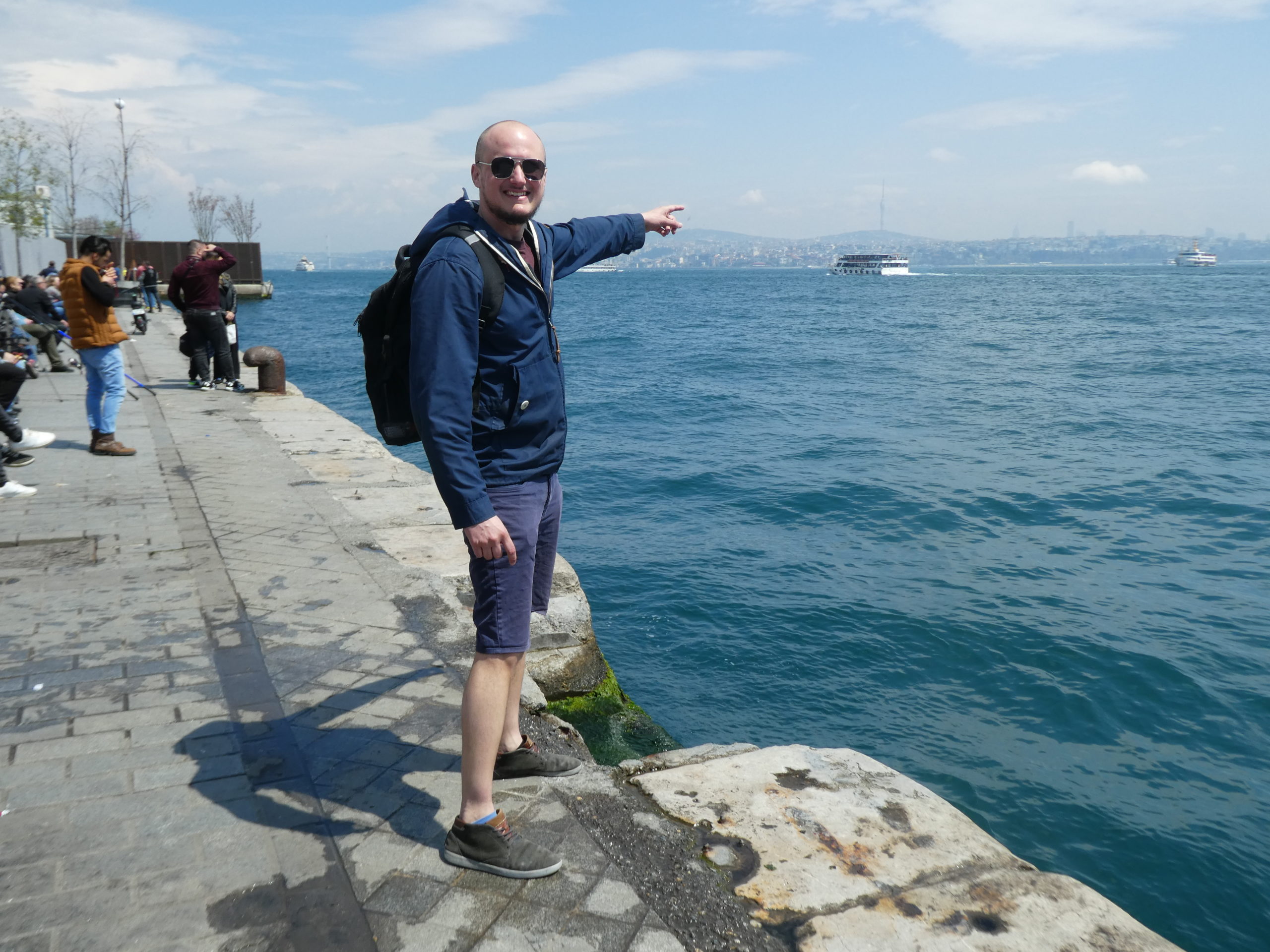
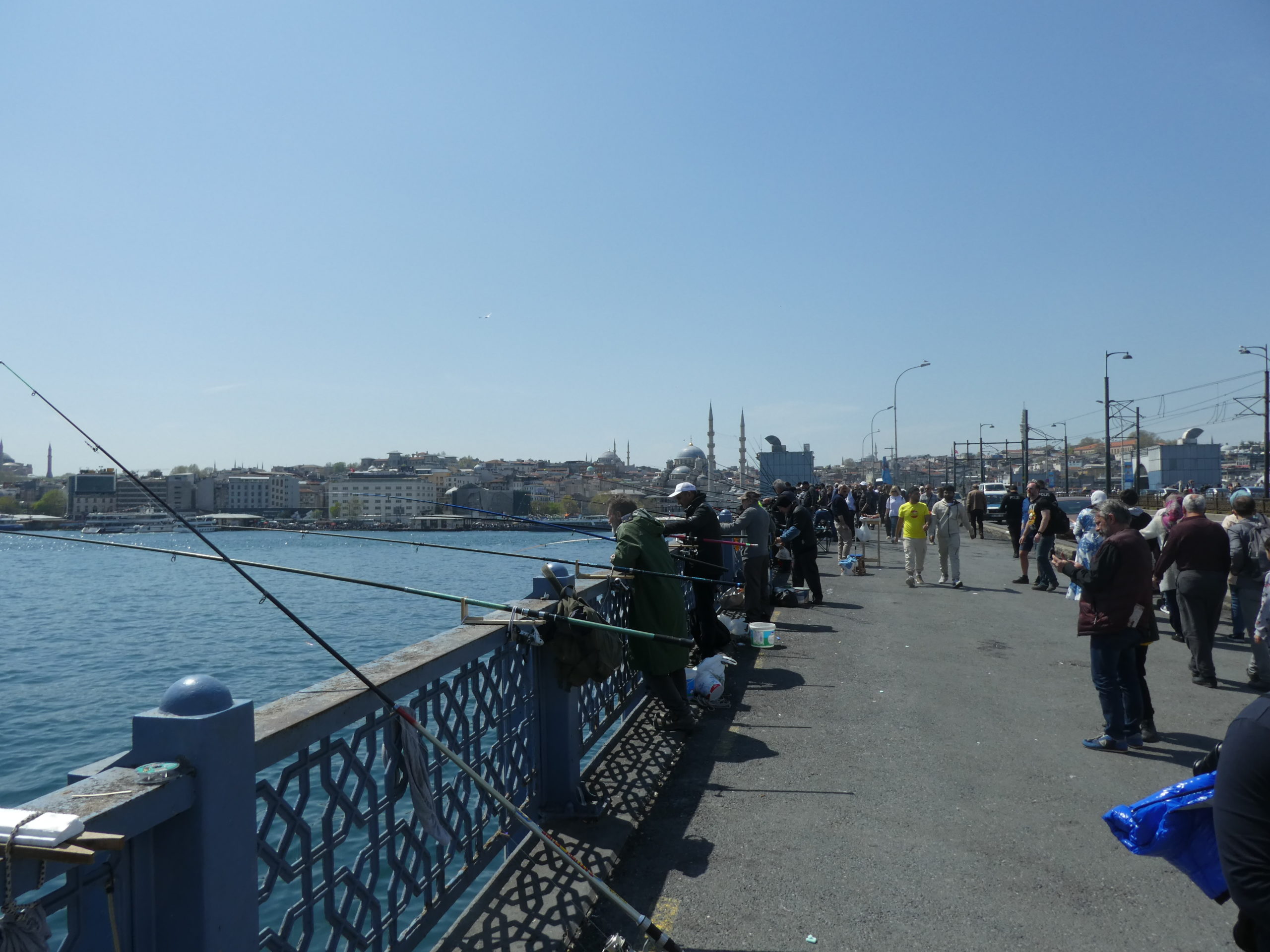
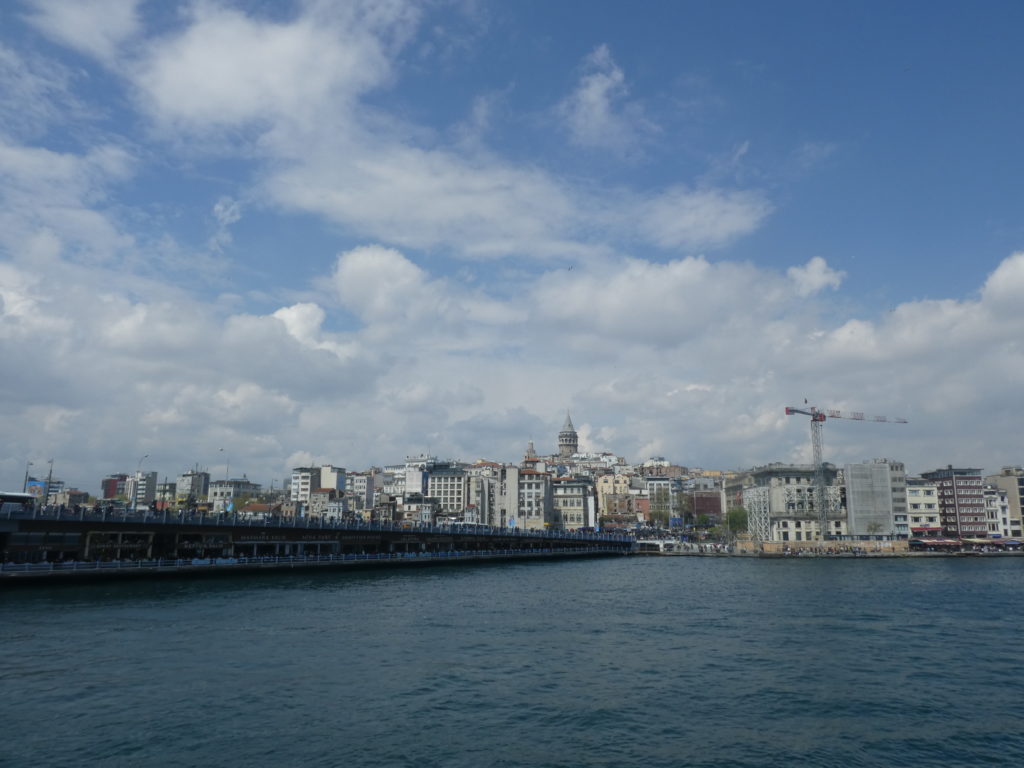
Istanbul’s unique position at the crossroads of Europe and Asia is perhaps best understood by actually crossing the Bosphorus Strait, which divides the city into its European and Asian halves. From almost anywhere in the old city you can look out and see the other continent — a fact that never quite loses its strangeness, no matter how many times you encounter it.
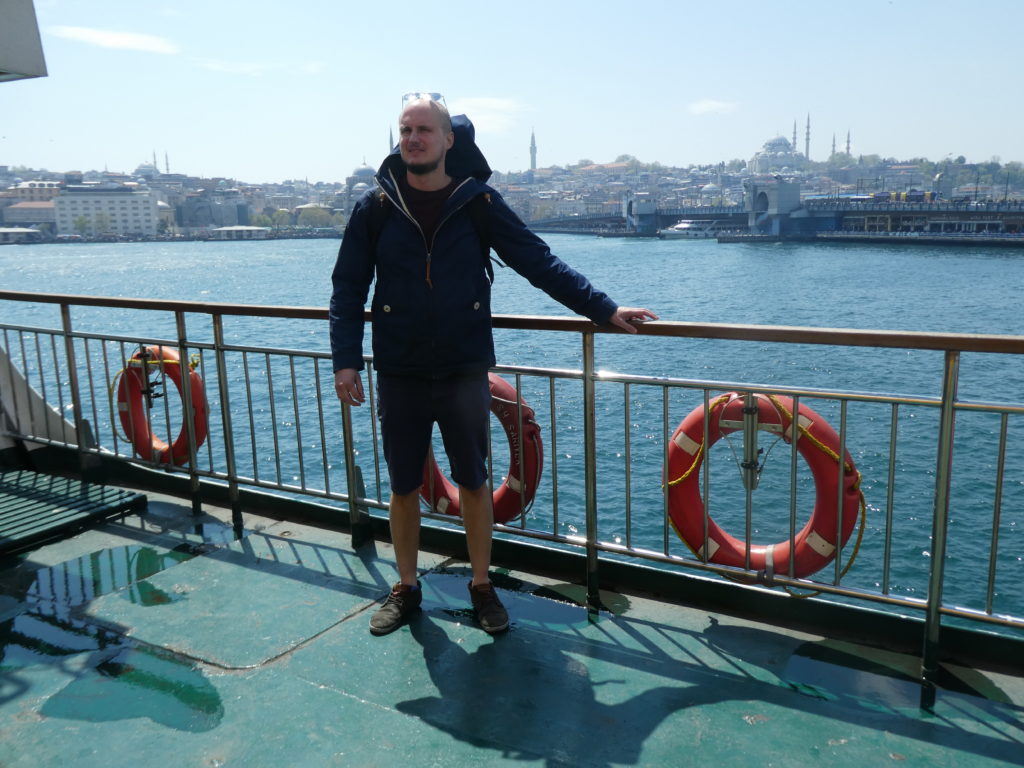
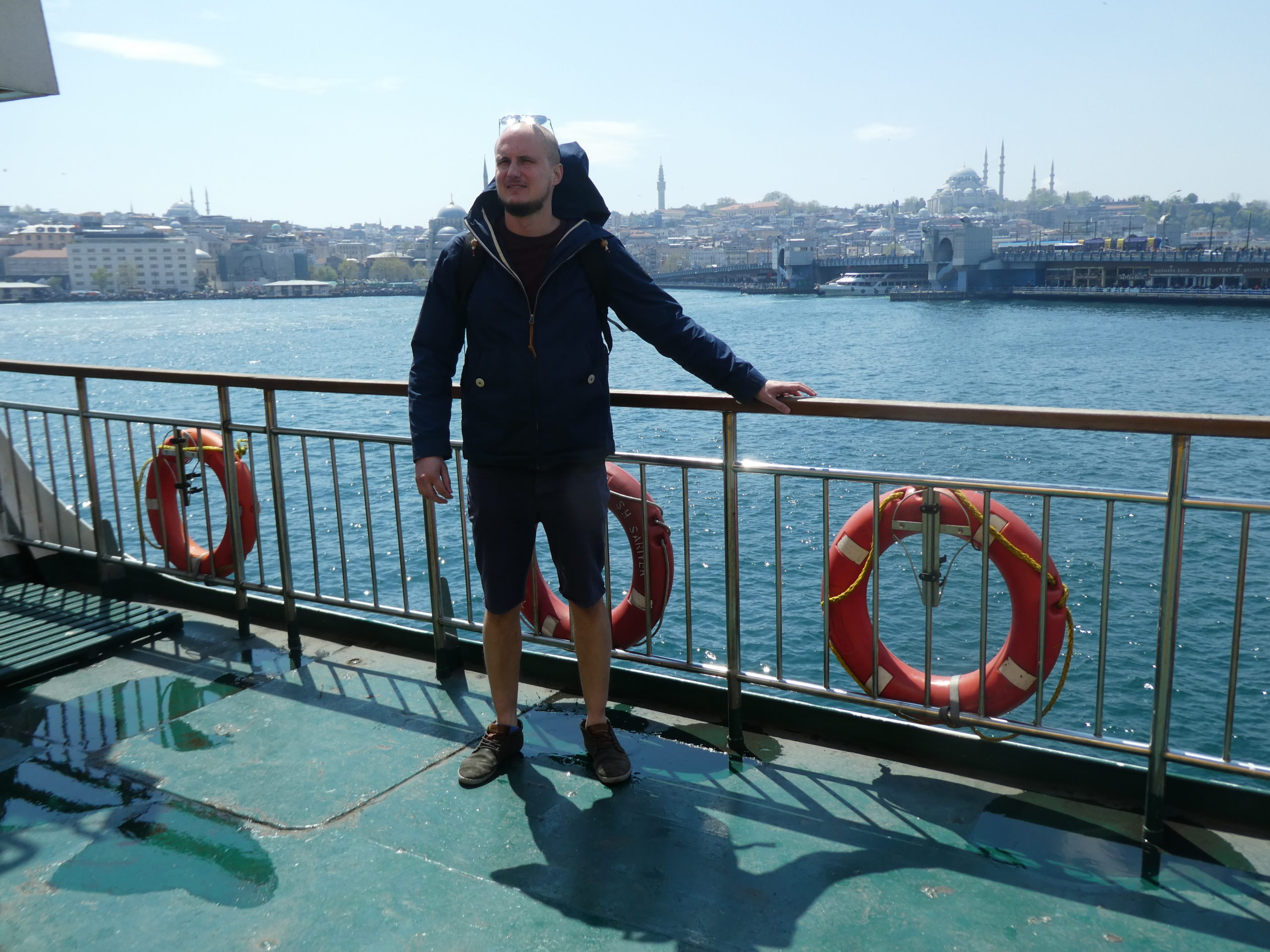
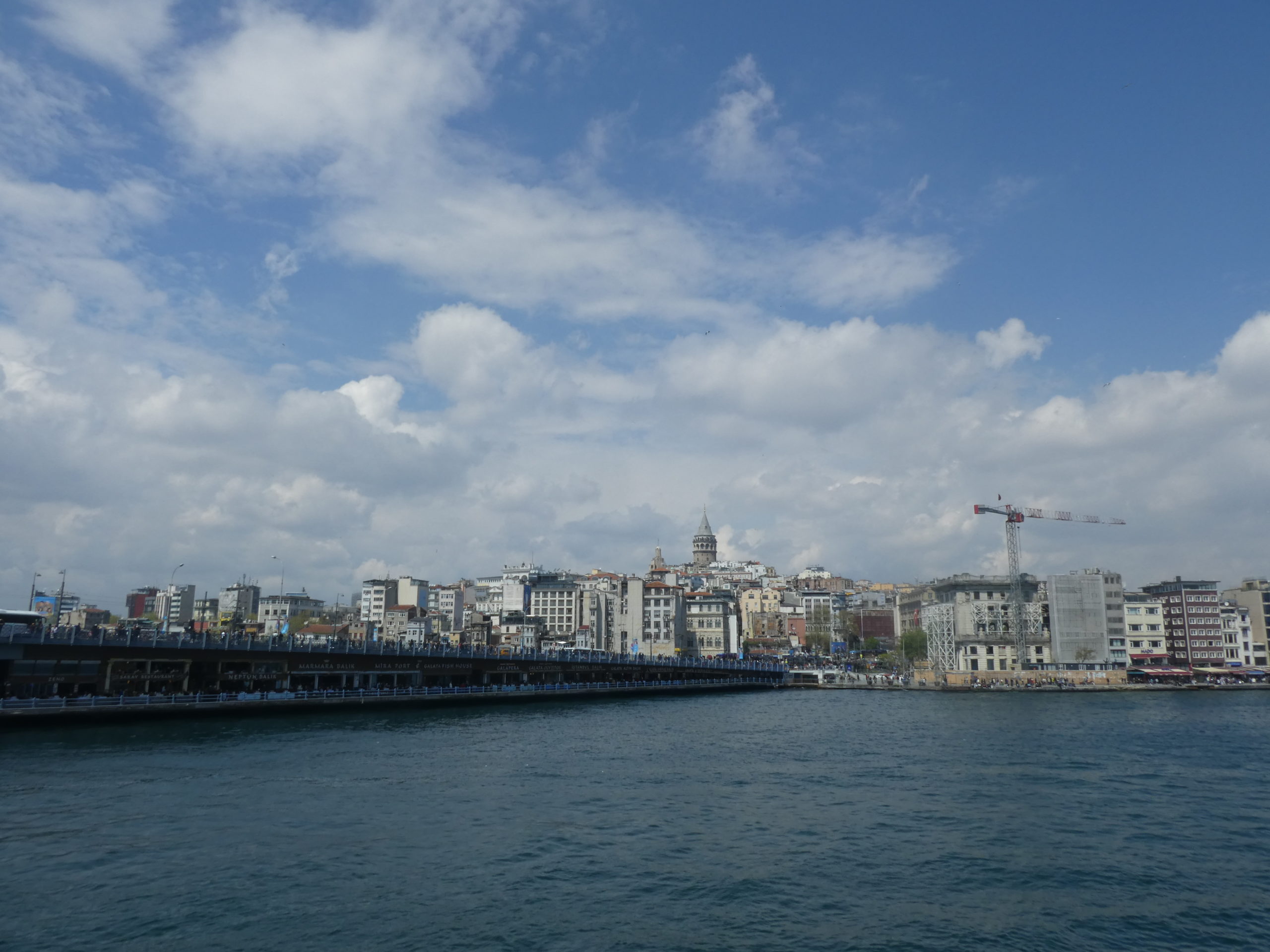
The best way to make that crossing is also the cheapest. The commuter ferry from Eminönü, running back and forth across the Bosphorus for a handful of lira, is a great travel experience. You board alongside Istanbul’s commuters — workers, students, old men with tulip glasses of tea — and within minutes the European skyline is sliding away behind you: the minarets of Sultanahmet, the dome of Hagia Sophia, the Galata Tower catching the light. Ahead, the Asian shore draws closer. You’ve crossed a continent without leaving your seat.
Kadıköy: Istanbul Being Itself
The Asian side of Istanbul — particularly the neighbourhood of Kadıköy — is a revelation for anyone who has spent time only in the tourist-heavy European districts. It has a completely different energy: a bustling fish market, narrow streets packed with bakeries and coffee shops, locals going about their lives. If the European side is Istanbul performing for the world, Kadıköy is Istanbul being itself. I’d go there on every visit.
A City That Never Finishes Surprising You
Istanbul is not a city you visit once and feel you’ve understood. Every street corner carries another layer of history, every building another story waiting to be uncovered. It gets under your skin — in the call to prayer echoing over the hills at dusk, in the smell of fresh simit from a street cart, in the moment you look out across the Bosphorus and realise you can see two continents from where you’re standing.
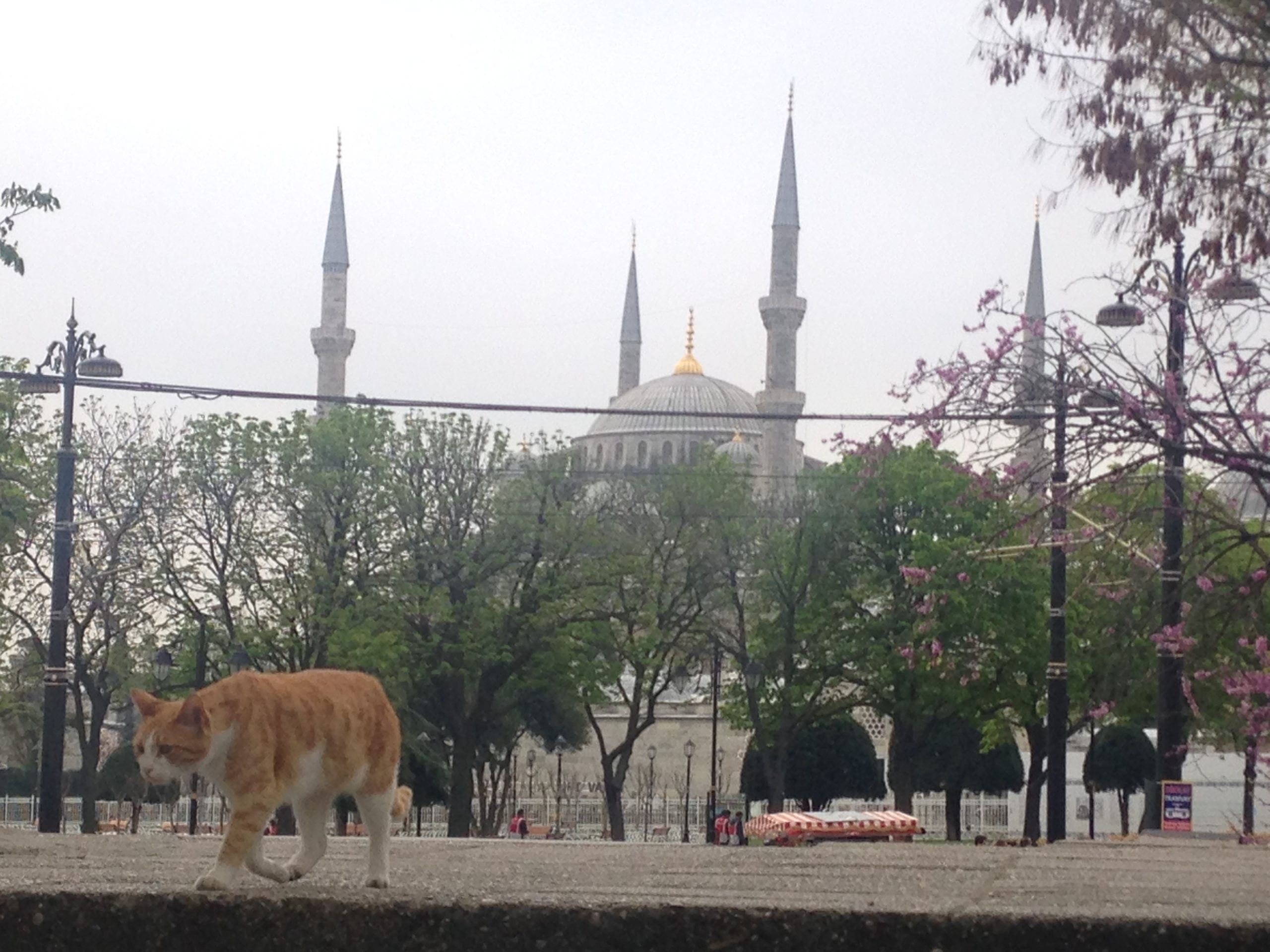
And then there are the cats. Istanbul’s street cats are legendary — fed by residents, living in mosques and markets and ancient cisterns, belonging to no one and everyone at once. They are as much a part of the city’s character as any of its great monuments, and they have a talent for appearing at exactly the right moment: sitting in a shaft of light in the Basilica Cistern, or watching the ferries cross the Bosphorus with an air of complete ownership.
The city is full of life — ancient and modern, sacred and chaotic, European and Asian all at once. I’ve been twice, and I’m already thinking about the third time.