Arriving in Marrakesh
I’ve travelled a great deal, but few places have got under my skin quite the way Marrakesh did. For a writer like me it’s the sort of place that feels like a story waiting to be written, a city that strikes you all at once — the heat, the colour, the calls of the traders, the scent of spice and smoke and orange blossom hanging in the air. Everywhere you look there’s another twisting alleyway, another bustling square, another dark corner where the centuries seem to fold in on themselves. And yet you don’t need to be hunting for a story to feel it, because Marrakesh casts its spell on everyone who wanders in.
Into the medina
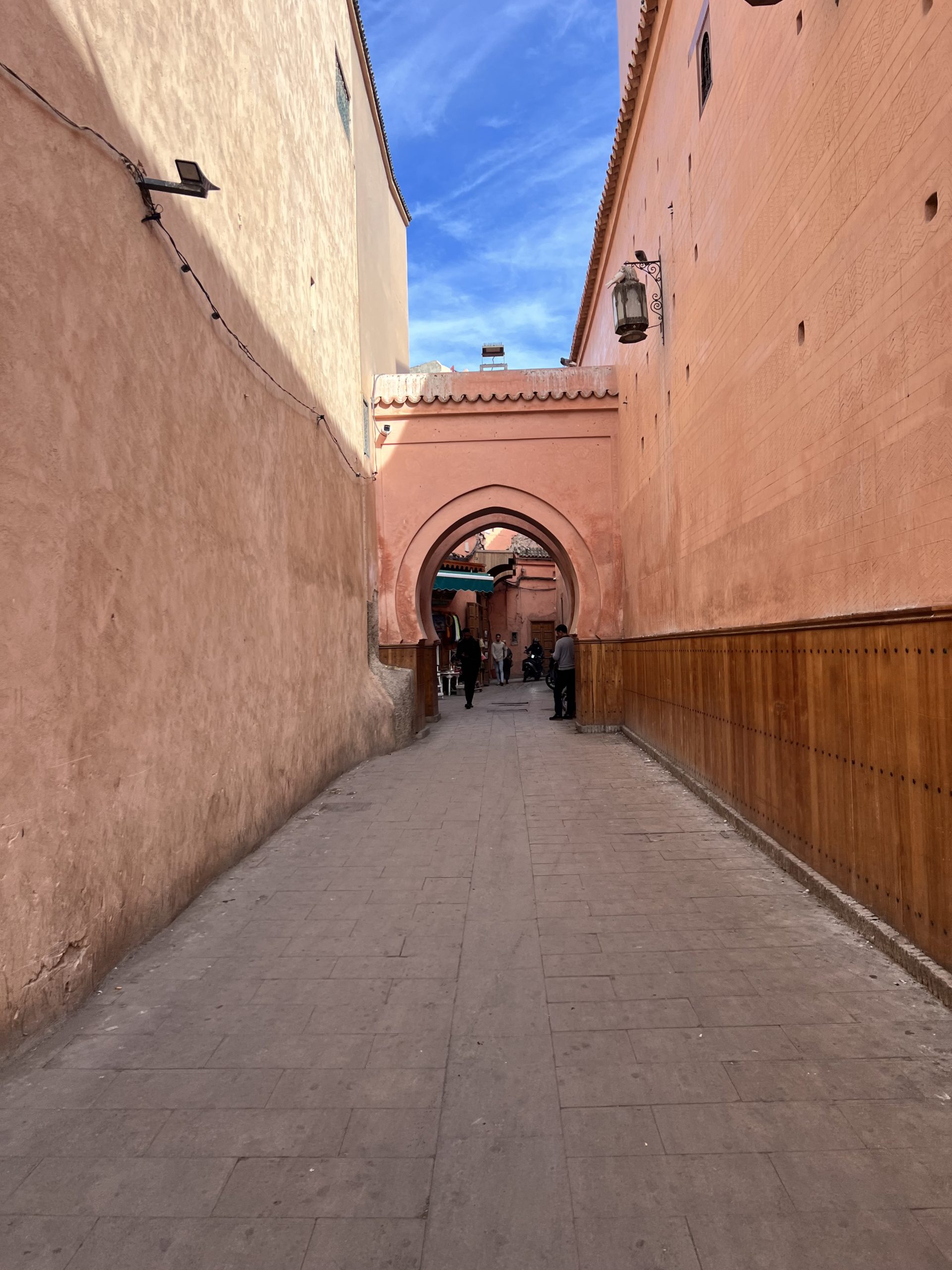
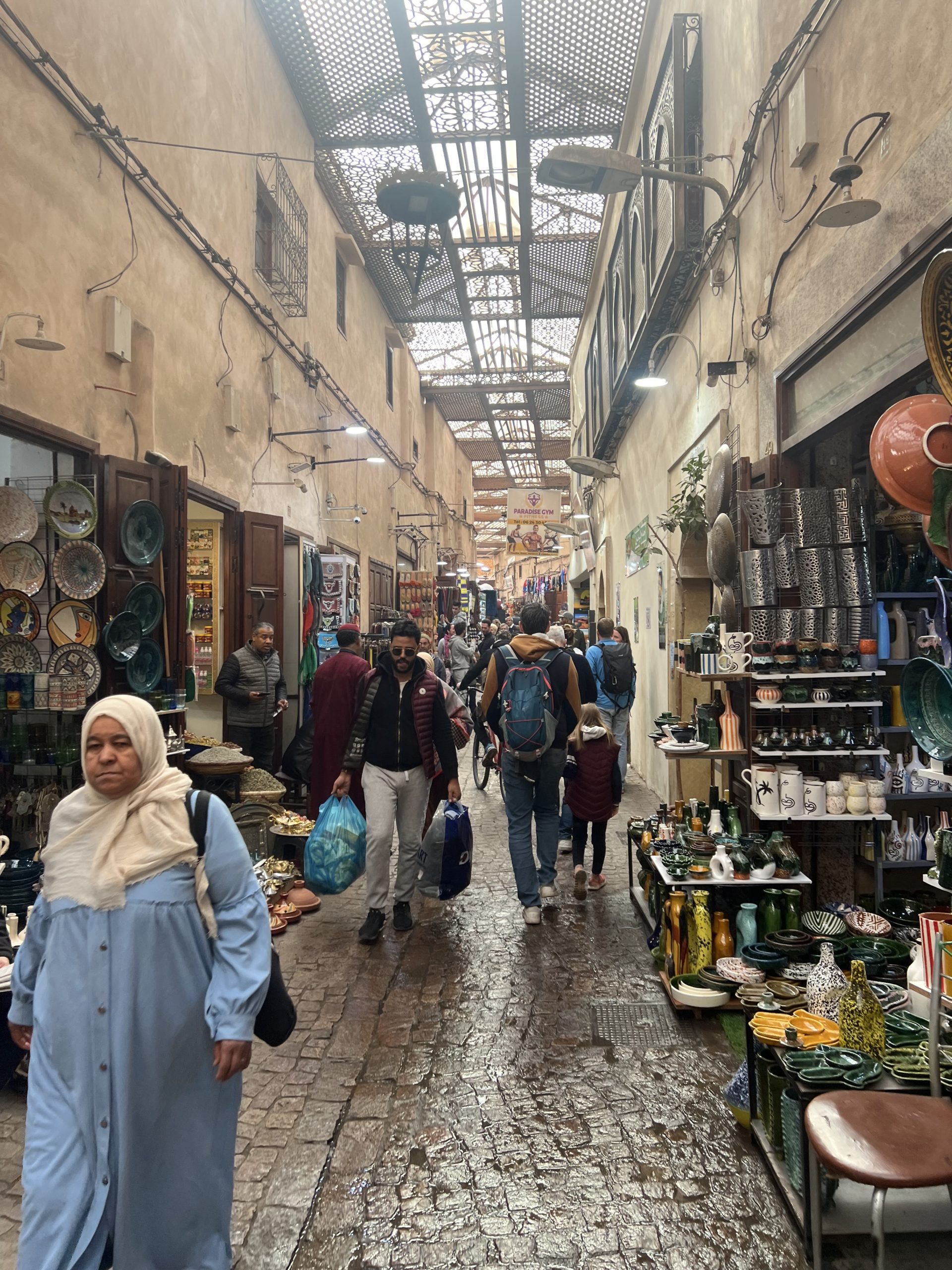
The heart of Marrakesh is the medina, the ancient walled city that you can’t help but get lost in.
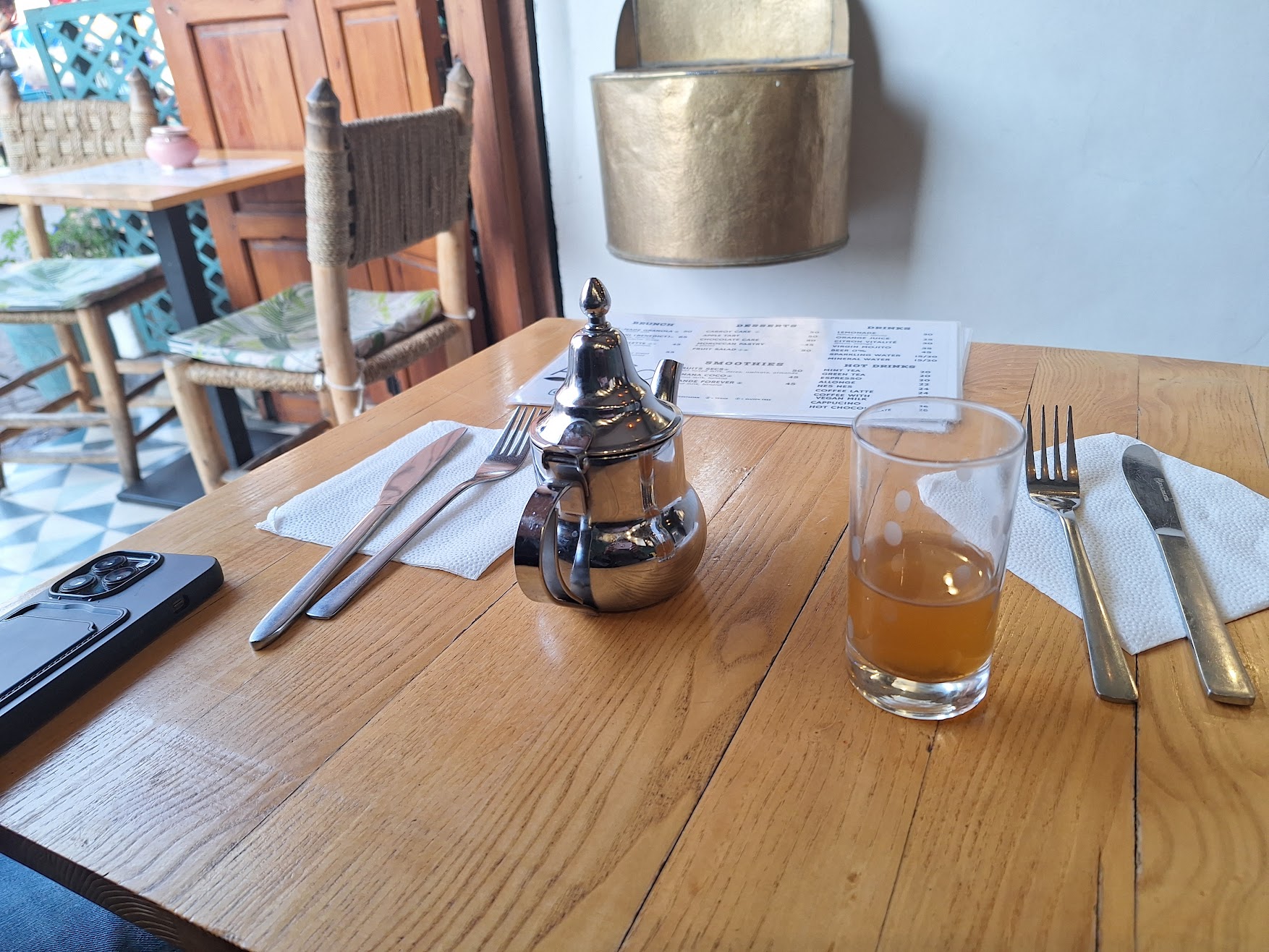
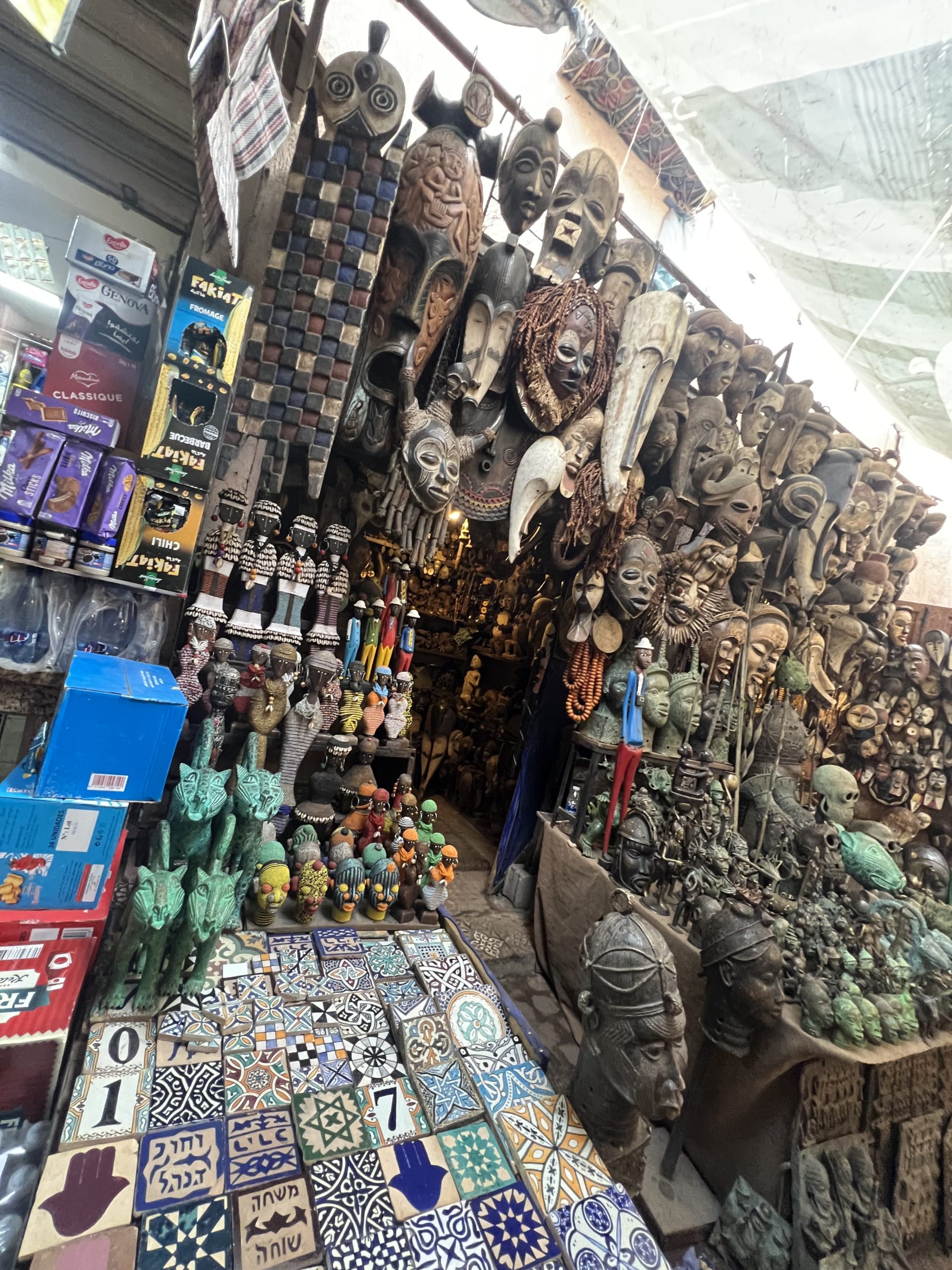
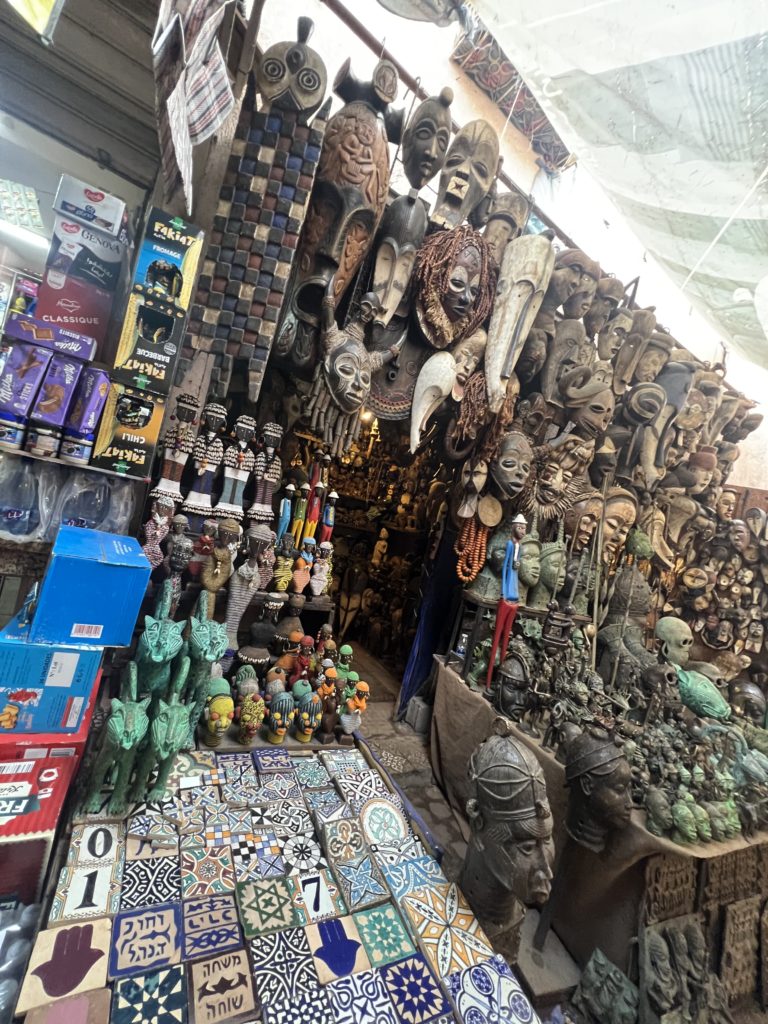
The souks — the covered markets — spread out in a glorious tangle of lanes, each loosely given over to its own trade. One alley glints with lanterns and beaten metalwork; the next is stacked head-high with leather, or carpets, or pyramids of cumin and saffron and dried rose petals. Haggling isn’t just permitted, it’s expected, and done with good humour over a glass of mint tea it becomes one of the real pleasures of the place rather than a chore.
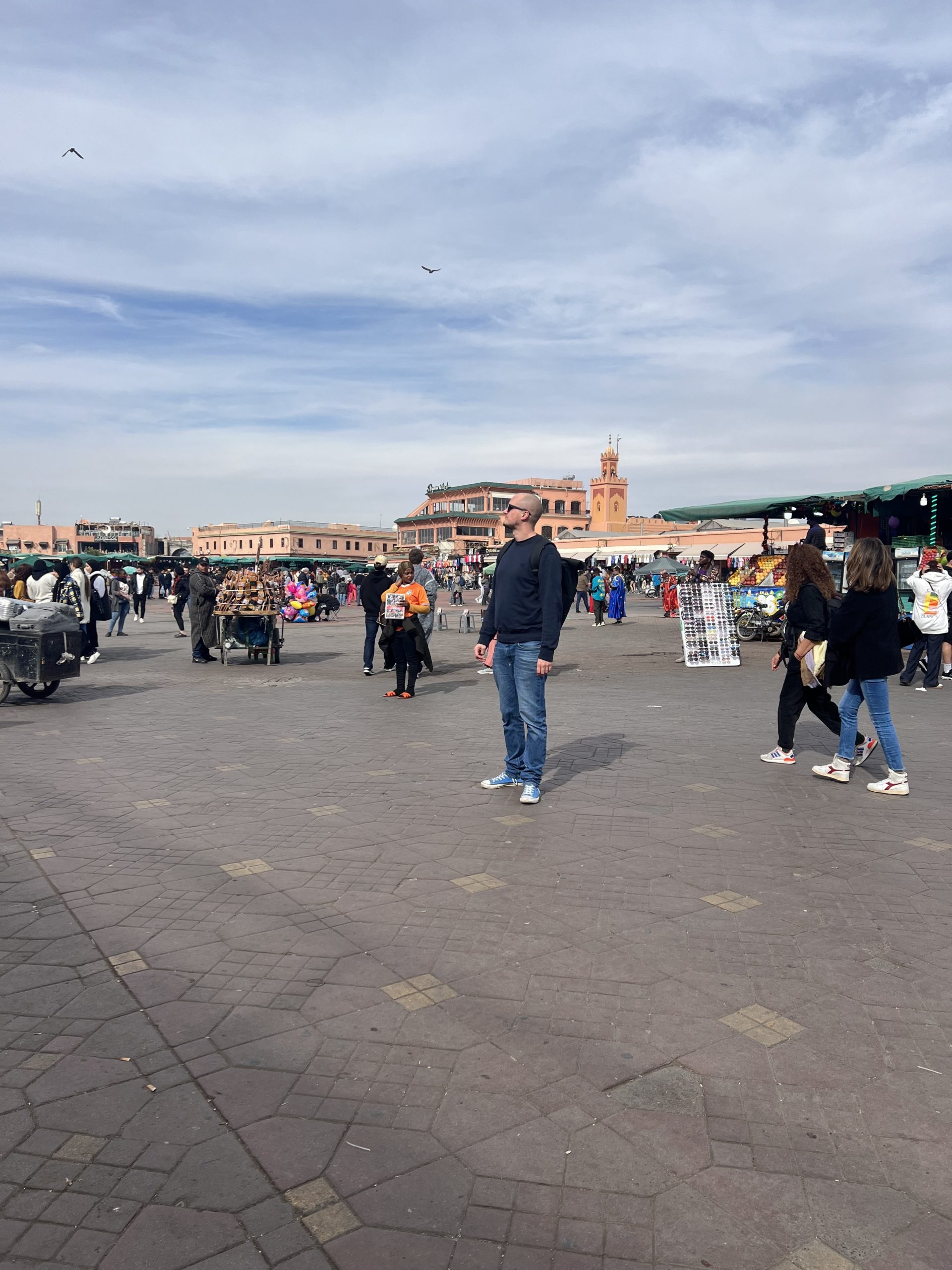
Sooner or later every path seems to spill out into Jemaa el-Fnaa, the vast main square that is the beating heart of the city. By day it’s a hum of juice stalls and storytellers; by night it transforms entirely, filling with food stalls whose smoke rises gold under the lights, with musicians, and with crowds that ebb and flow until the small hours. Although, be warned that as with central squares across the world, you’ll pay less for better food a few streets away. Climb to a rooftop terrace, order something cold, and simply watch it all unfold below you.
The Saadian Tombs: a secret kept for centuries
For all its noise and movement, the thing that captivated me most about Marrakesh is what lies beneath the surface — the layers of history built on top of one another. Few places tell that story better than the Saadian Tombs.
This beautiful necropolis was the resting place of the Saadian dynasty, who ruled in the sixteenth and seventeenth centuries. It’s a jewel box of a place: ornate marble tombs carved with flowing Arabic calligraphy, mosaic-covered pillars, and soaring cedarwood ceilings in deep reds and blues. The extraordinary thing is that for the best part of two hundred years, almost no one knew it was there.
The story goes that when a later sultan, Moulay Ismail, wanted to erase the memory of the dynasty he’d succeeded, he chose not to destroy their burial place but to do something far stranger — he had it sealed off, walled away behind the surrounding buildings and cut off from view. And so it slipped, quietly, out of living memory.
It stayed hidden until 1917, when French officers carrying out an aerial survey noticed an odd patch of enclosed land tucked between the buildings, with no obvious way in. Intrigued, they sent a team to investigate, broke through the blocked-up entrance, and found those spectacular rooms waiting in the dark, exactly as they’d been left. Standing there myself, I couldn’t help but imagine that moment of breakthrough — and to wonder, if a royal necropolis could vanish so completely, what else might still be sleeping beneath this city?
The Ben Youssef Madrasa: a code in the walls
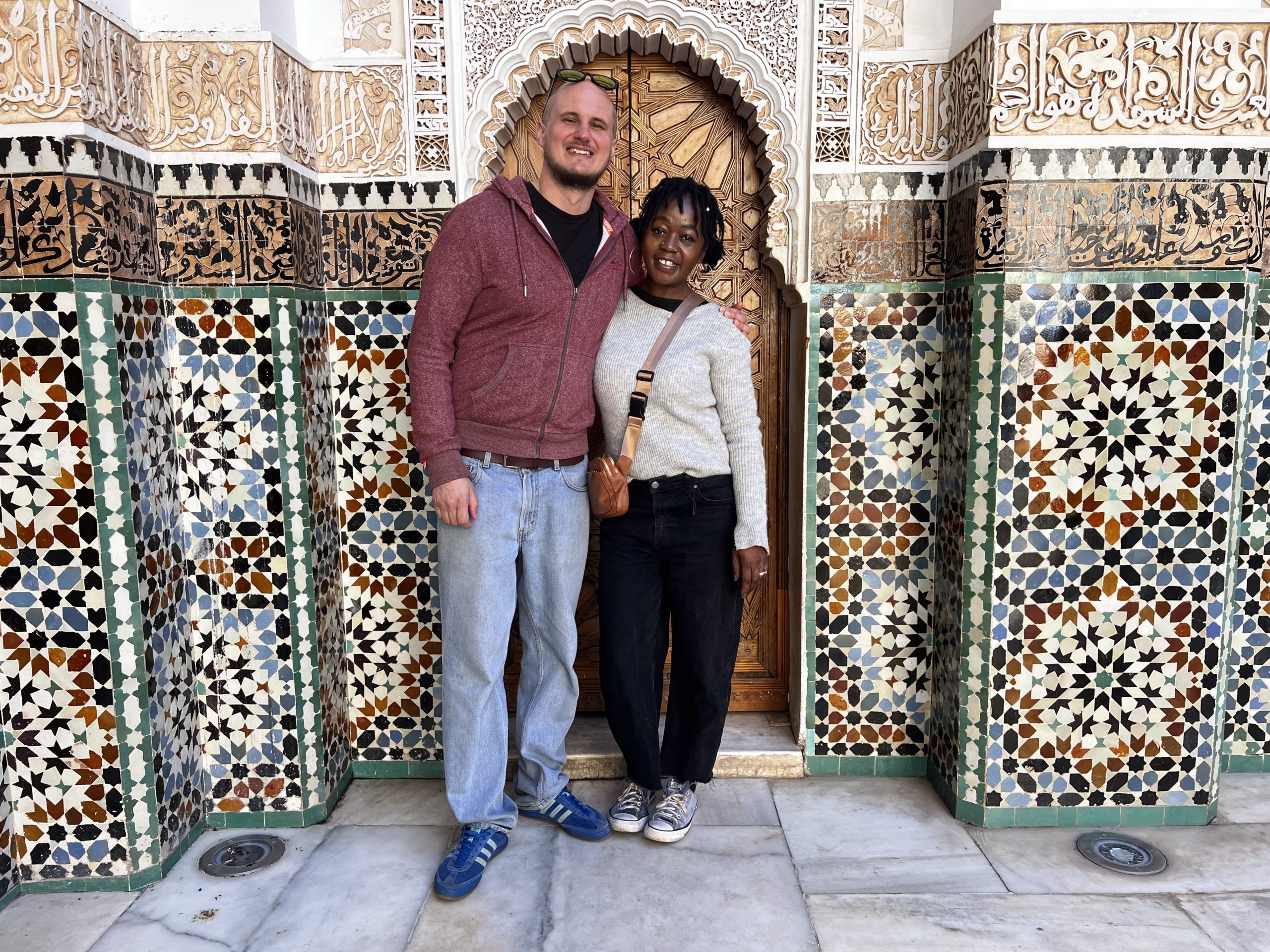
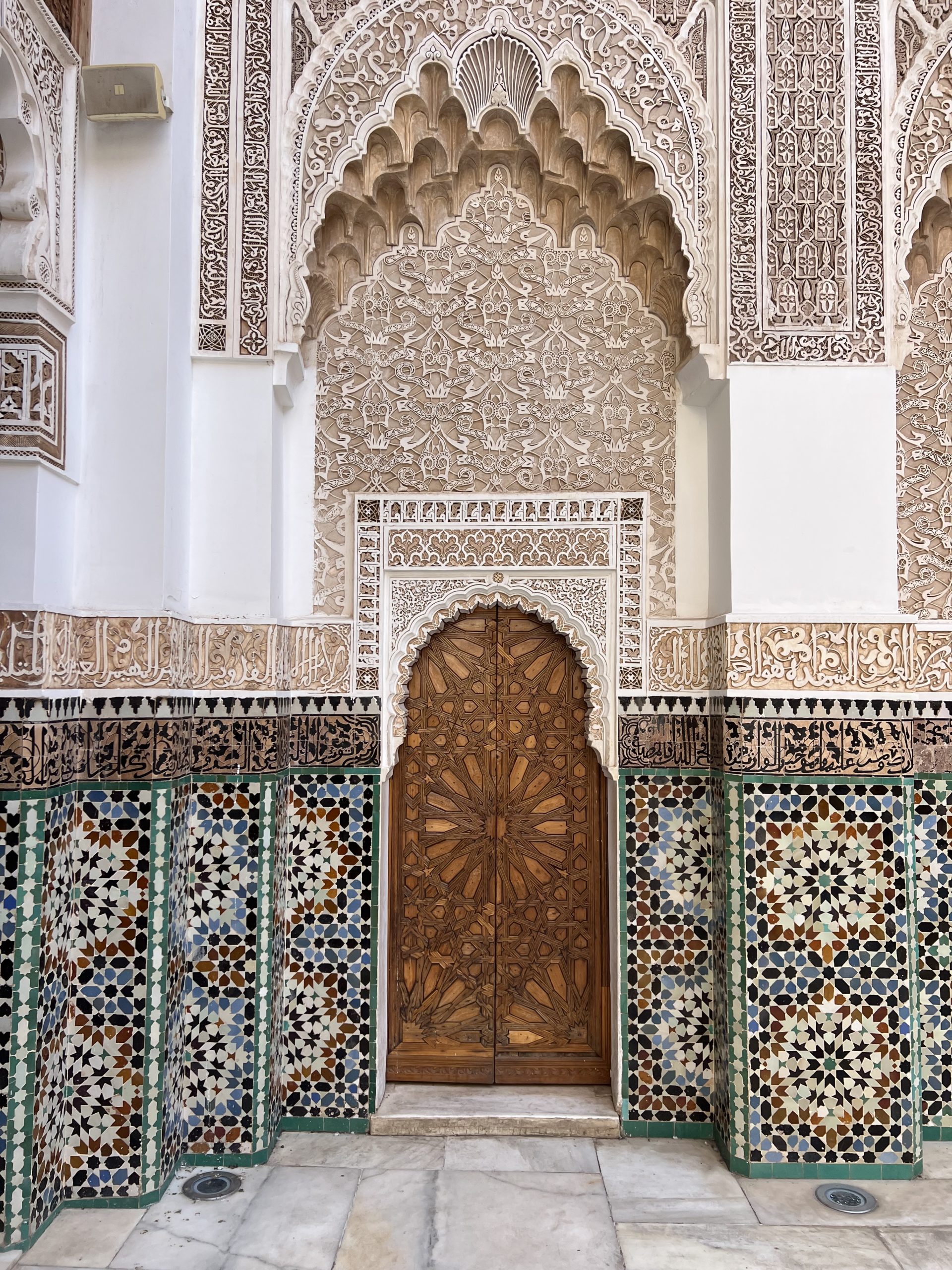
If the Saadian Tombs show you Marrakesh’s gift for hiding things in plain sight, the Ben Youssef Madrasa shows you its genius.
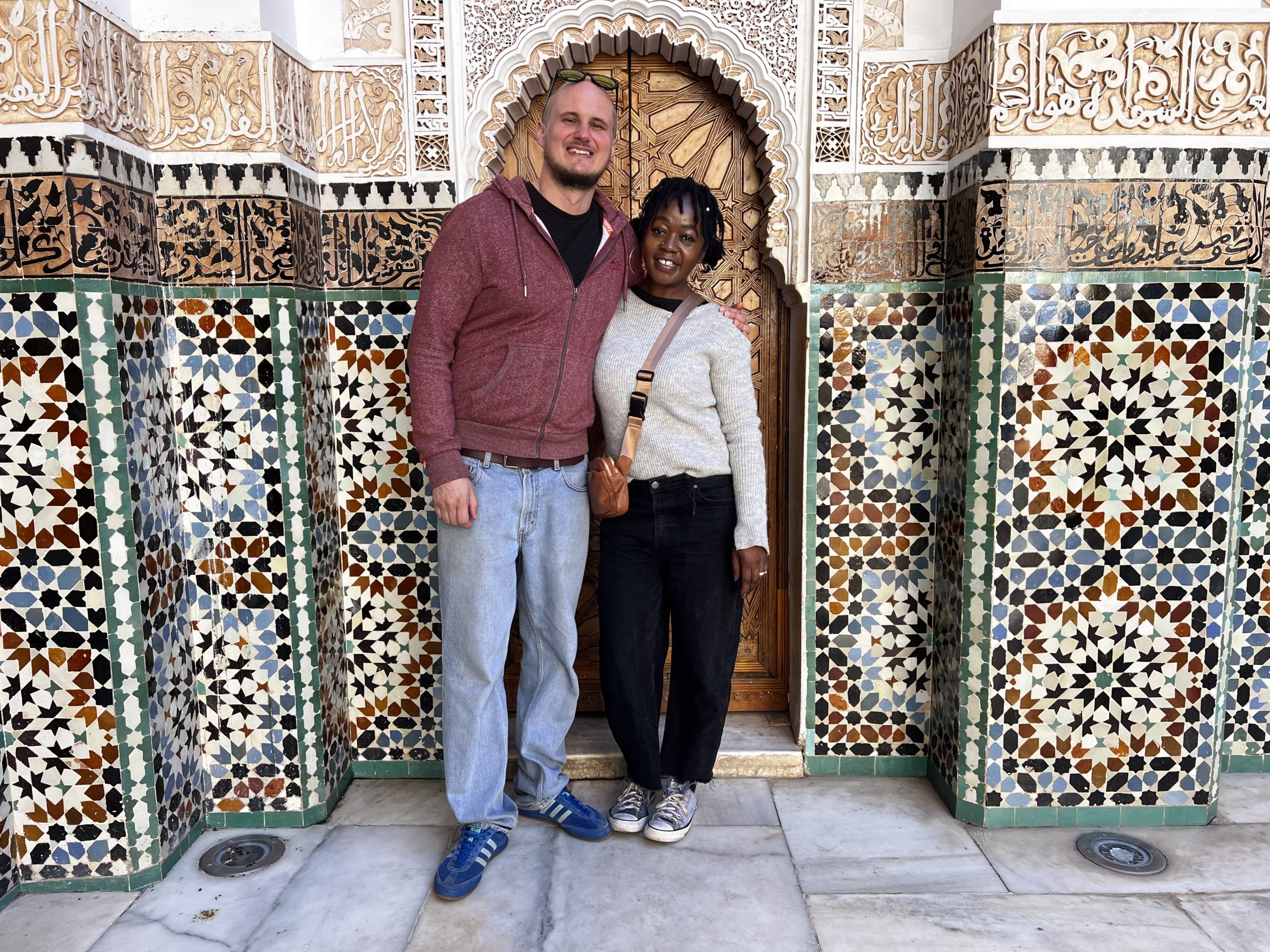
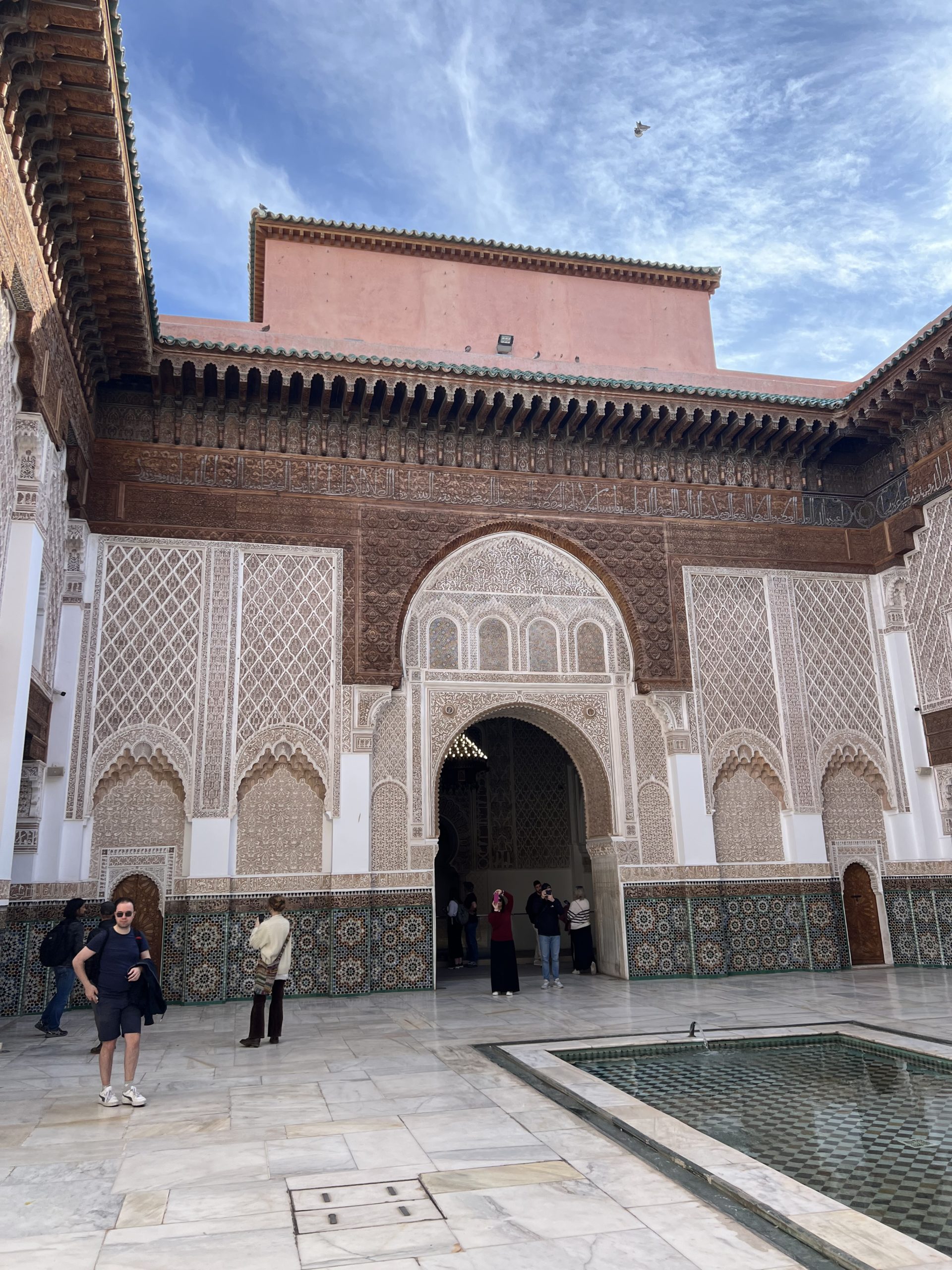
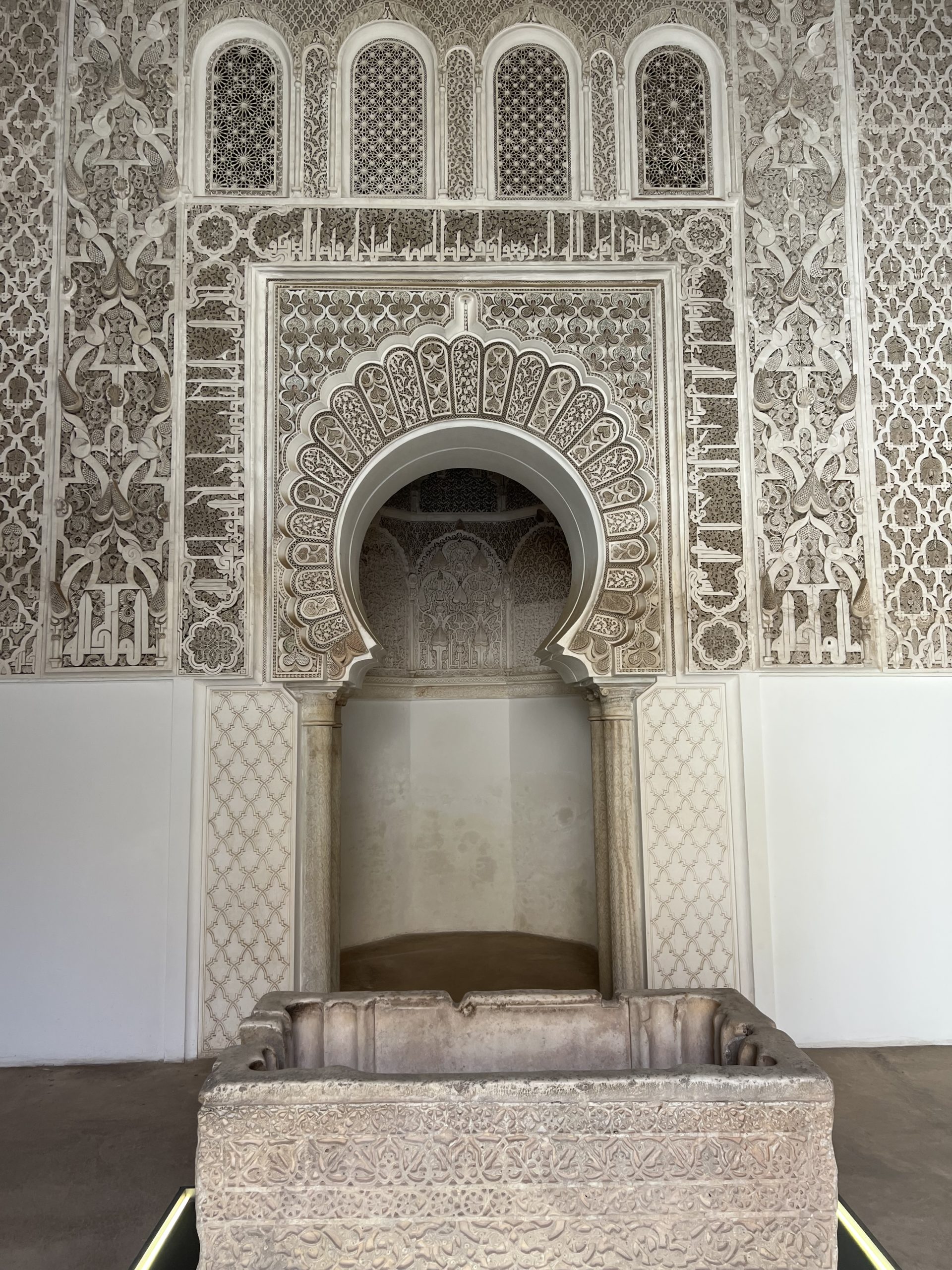
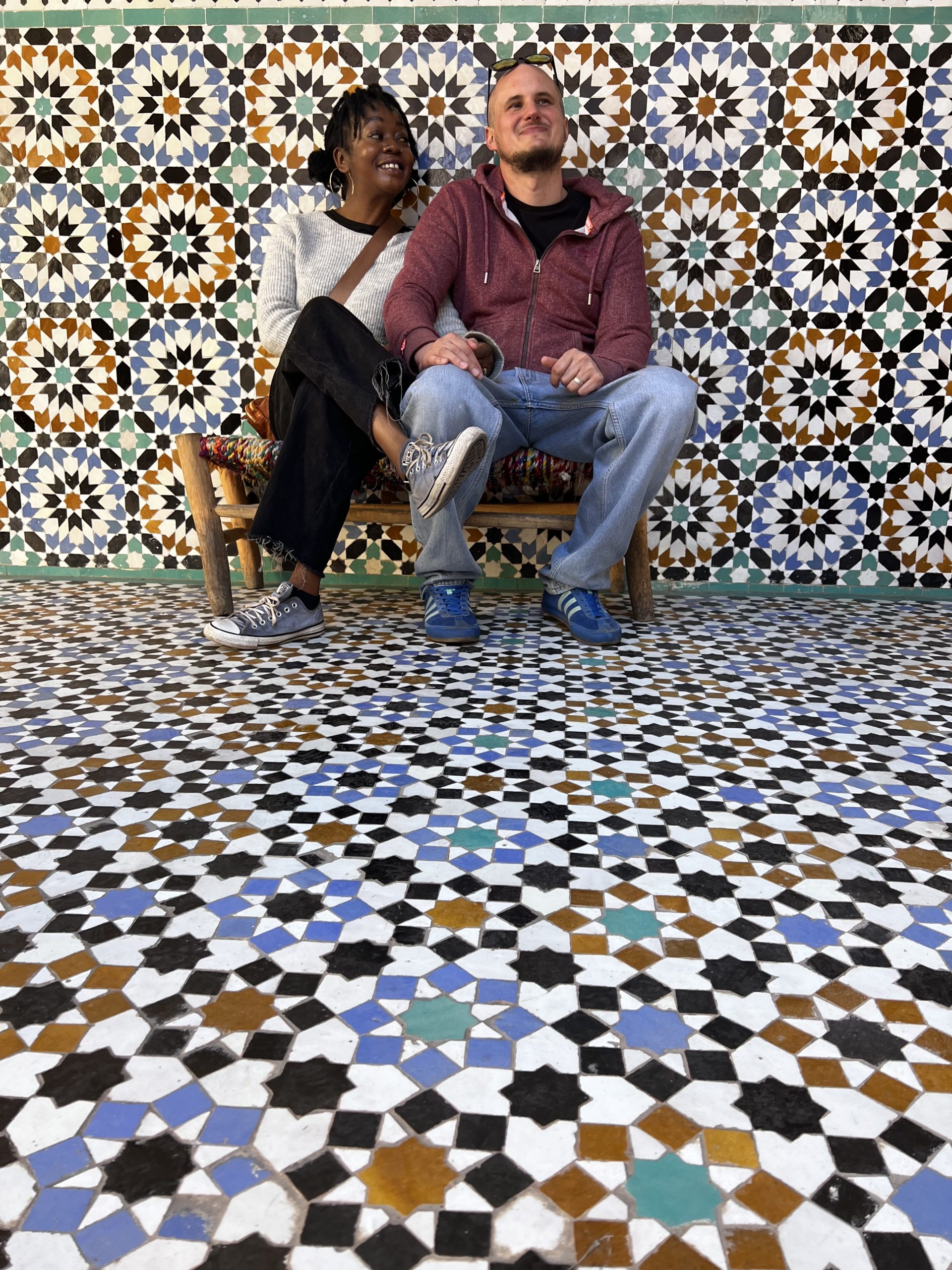
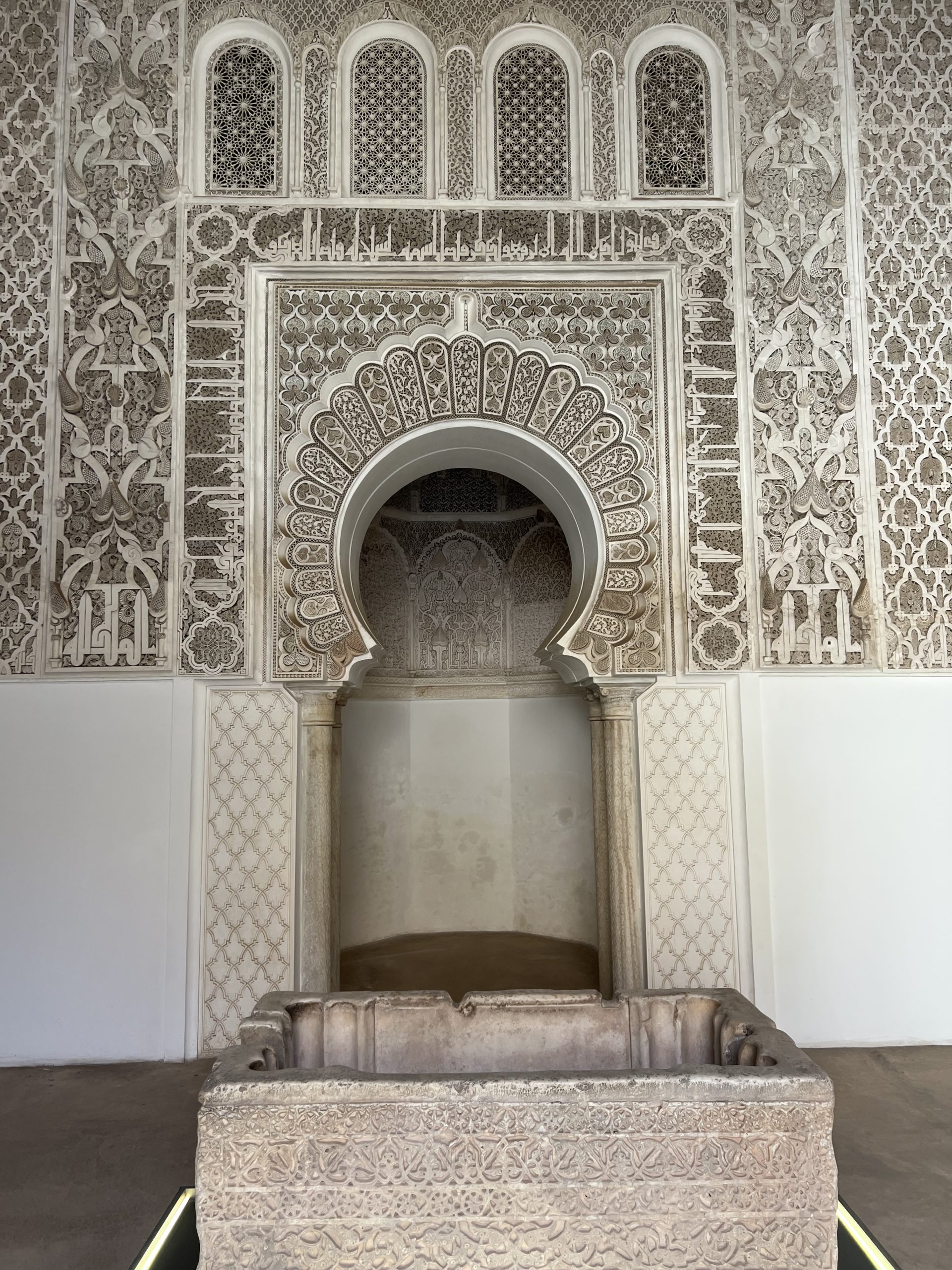
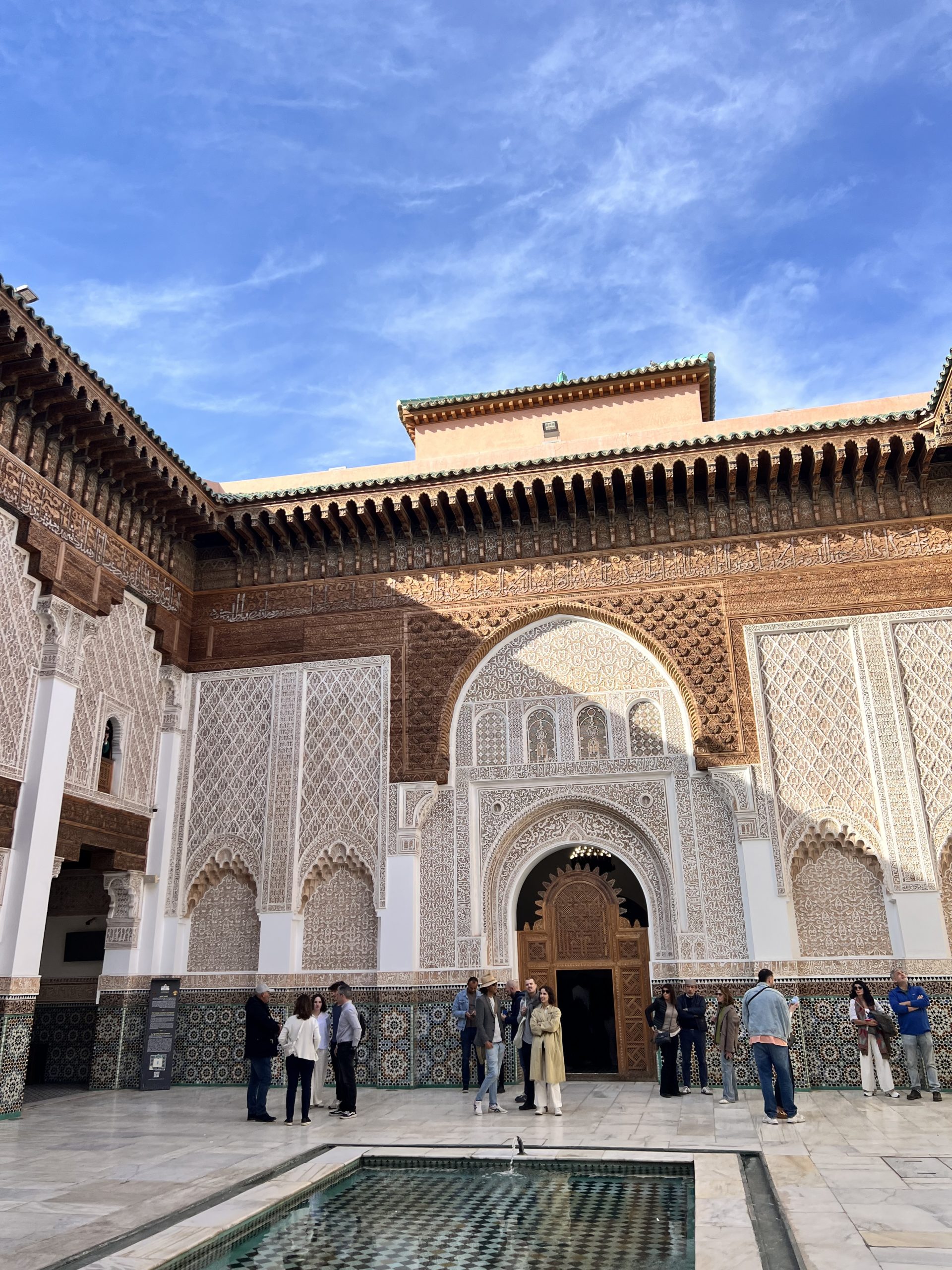
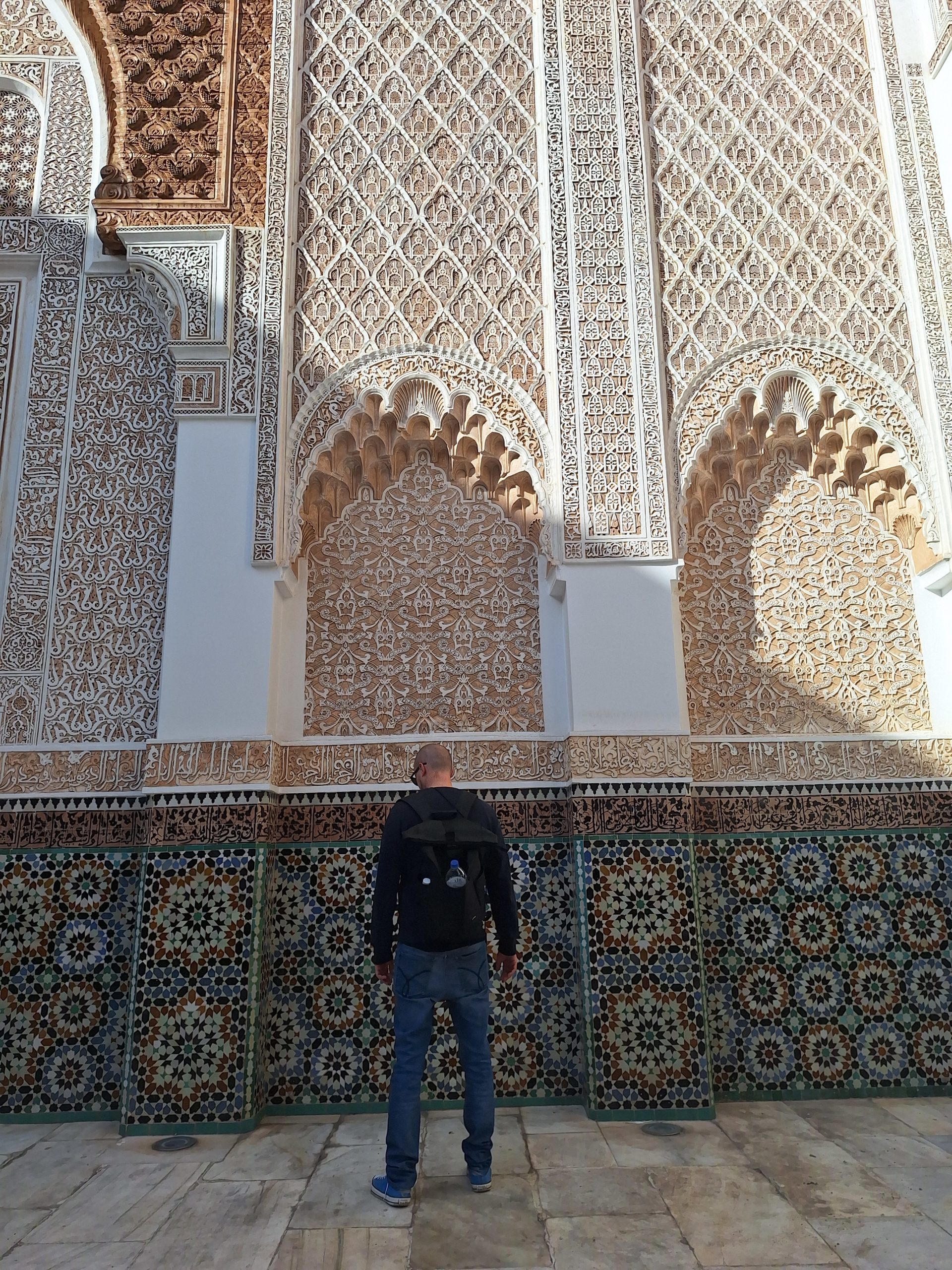
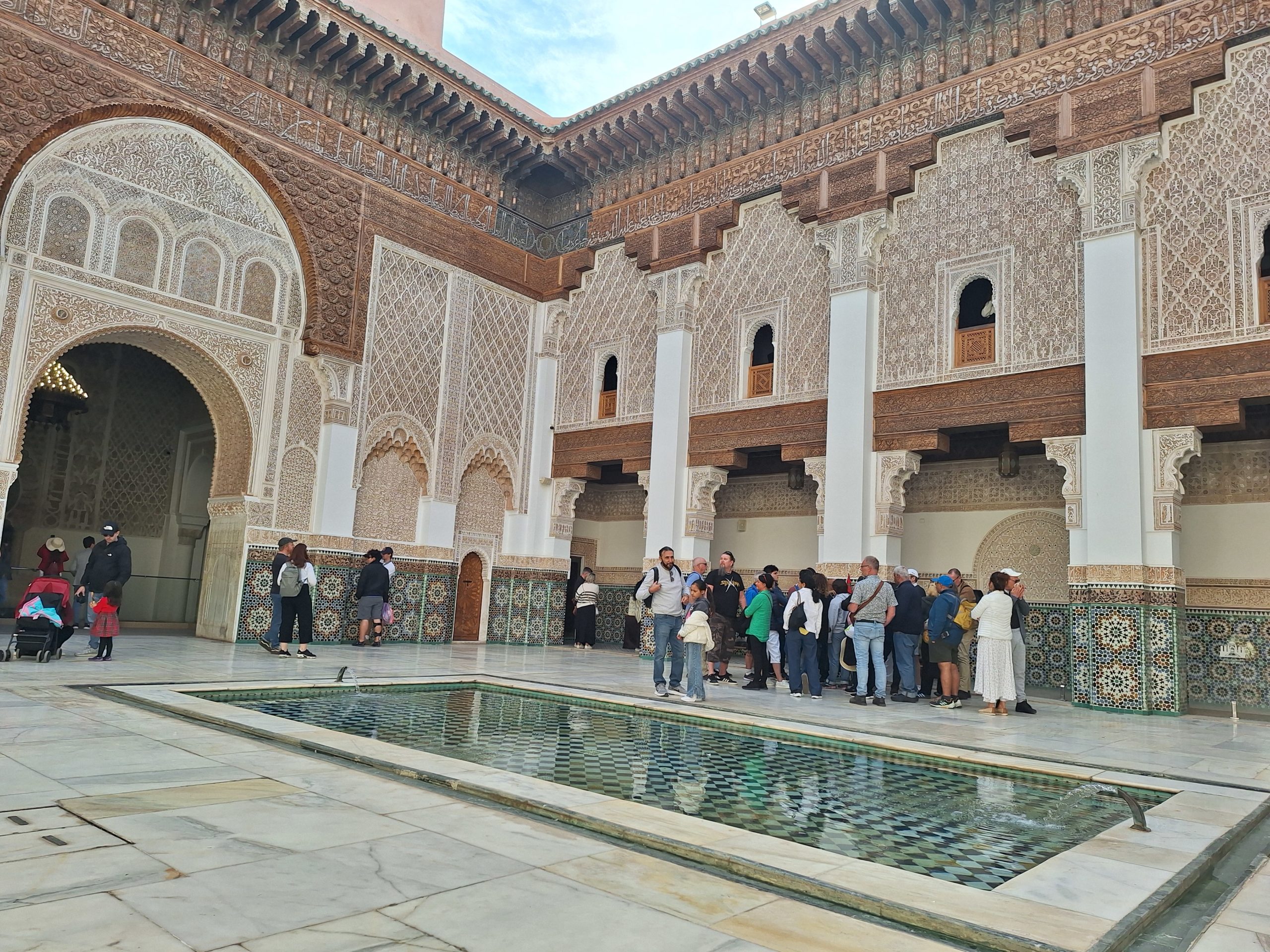
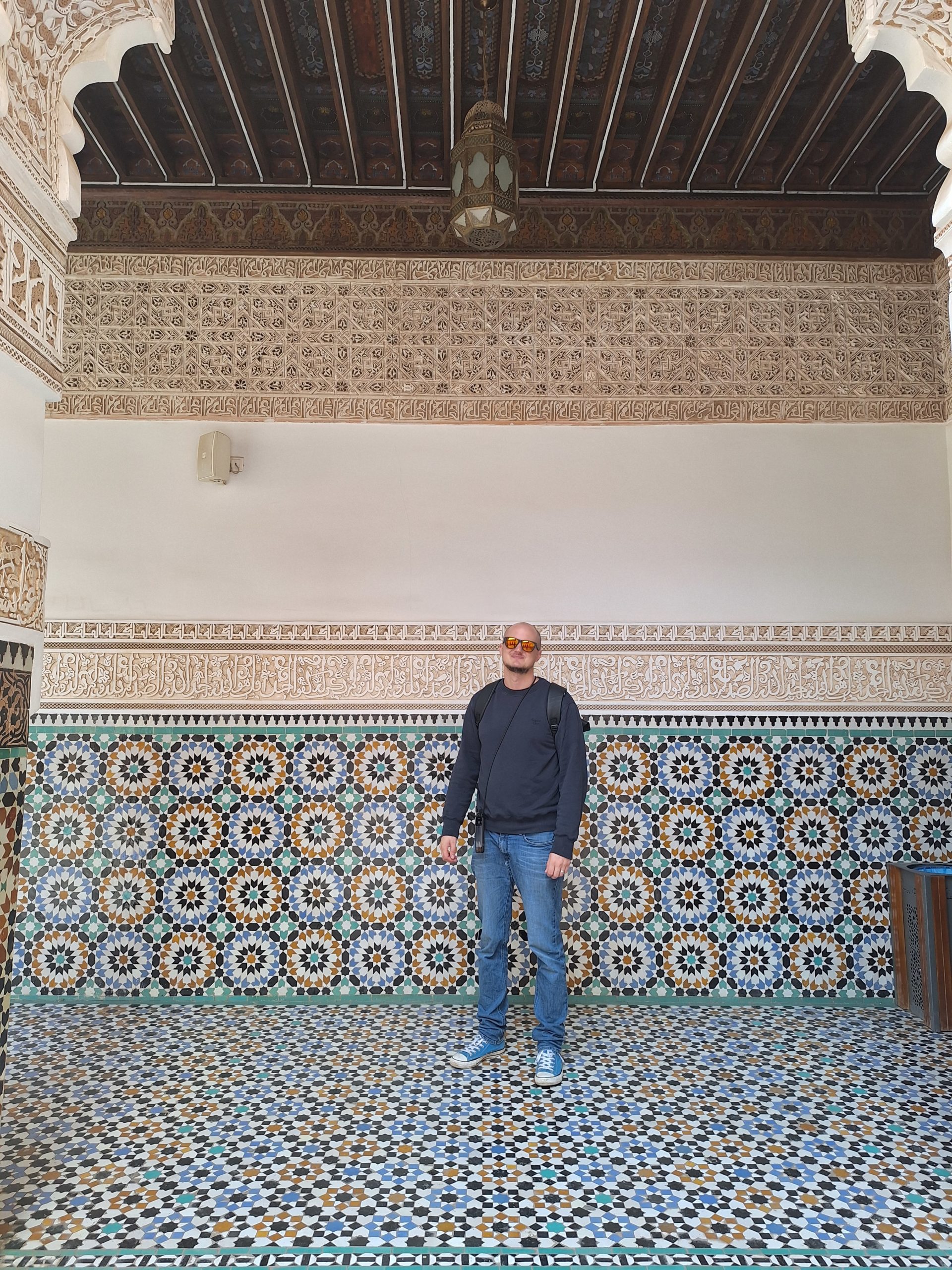
Once the largest Islamic college in Morocco, the madrasa is a masterpiece of courtyards and carved cedar and quiet, contemplative space. But it’s the tilework that stopped me in my tracks. The walls are covered in geometric mosaics — zellige — arranged in patterns so intricate they seem almost to move as you look at them.
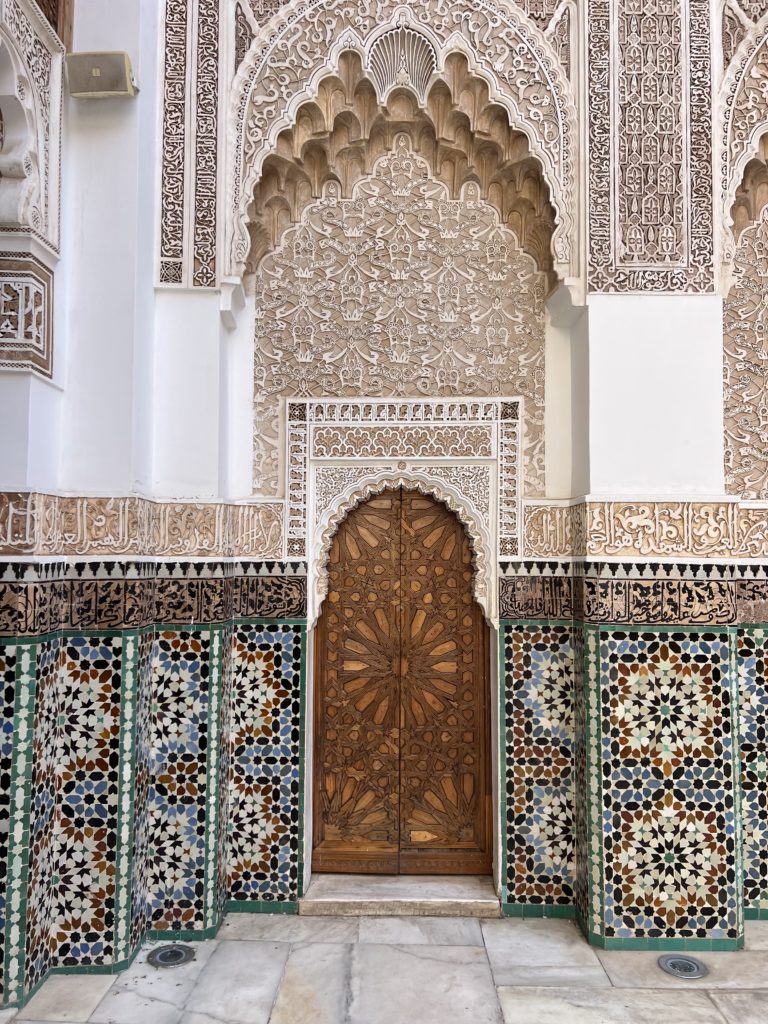
Here’s the part that genuinely sent a shiver down my spine — researchers studying these medieval Islamic patterns have found that some of them correspond to a mathematical principle — known as aperiodic, or Penrose, tiling — that Western mathematics didn’t formally describe until the 1970s. Yet here were craftsmen, working centuries earlier with nothing but traditional tools and inherited knowledge, laying out designs of astonishing mathematical sophistication. Similar patterns appear in Islamic architecture all the way from Spain to India, as though a body of knowledge were quietly travelling across borders and centuries, written in tile.
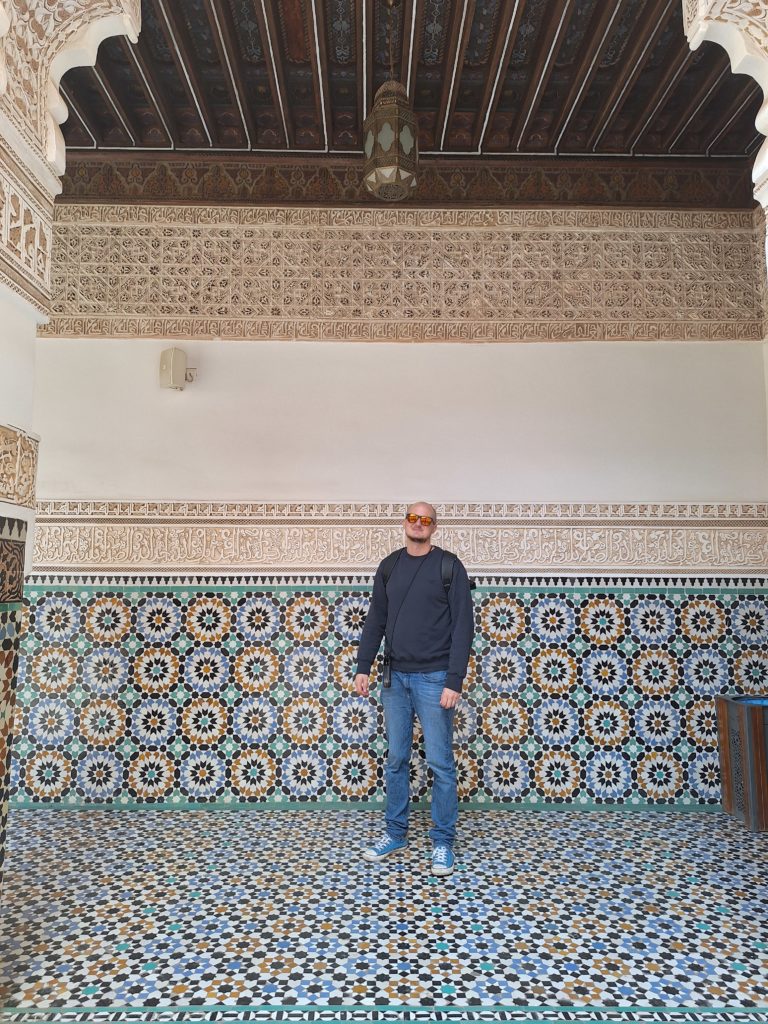
You don’t need to understand the mathematics to feel the wonder of it. Stand in that courtyard, look up at those walls, and you’re looking at the work of people who understood the world more deeply than we often give them credit for. Marrakesh, though, was only the beginning. From here, the road leads out into one of the most varied countries I’ve ever travelled.
Aït Ben Haddou: the city you’ve already seen
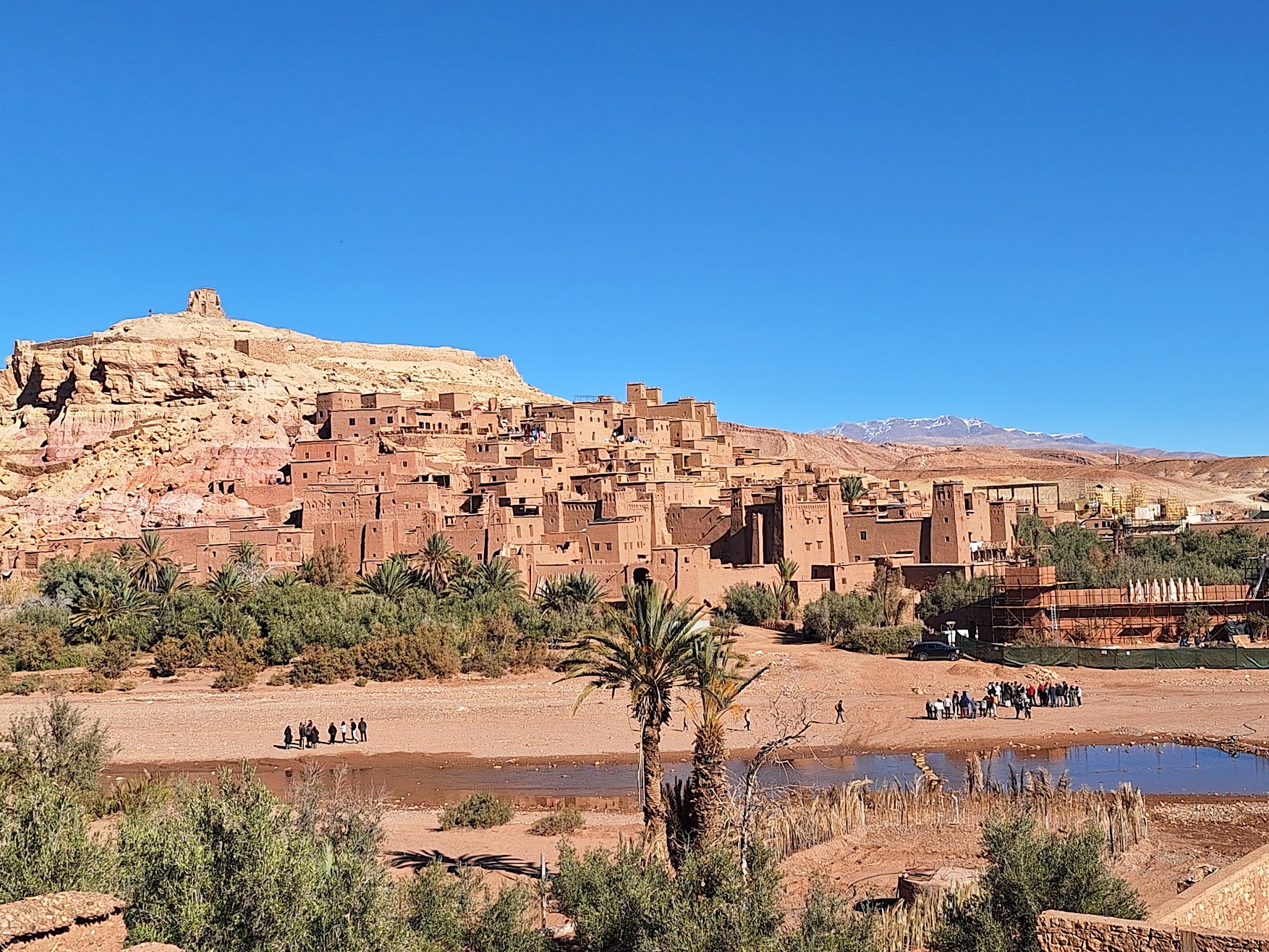
A few hours south of Marrakesh, over the High Atlas mountains, the earth turns red and a vision rises out of it: the great fortified village of Aït Ben Haddou.
This is a ksar — a cluster of earthen kasbahs huddled together behind defensive walls — and it once guarded the old caravan route between the Sahara and Marrakesh, the road along which gold, salt and stories all once travelled. It’s built almost entirely of rammed earth and clay, glowing amber in the afternoon sun, and to climb up through its narrow lanes is to step several centuries into the past. Little wonder it’s a UNESCO World Heritage Site.
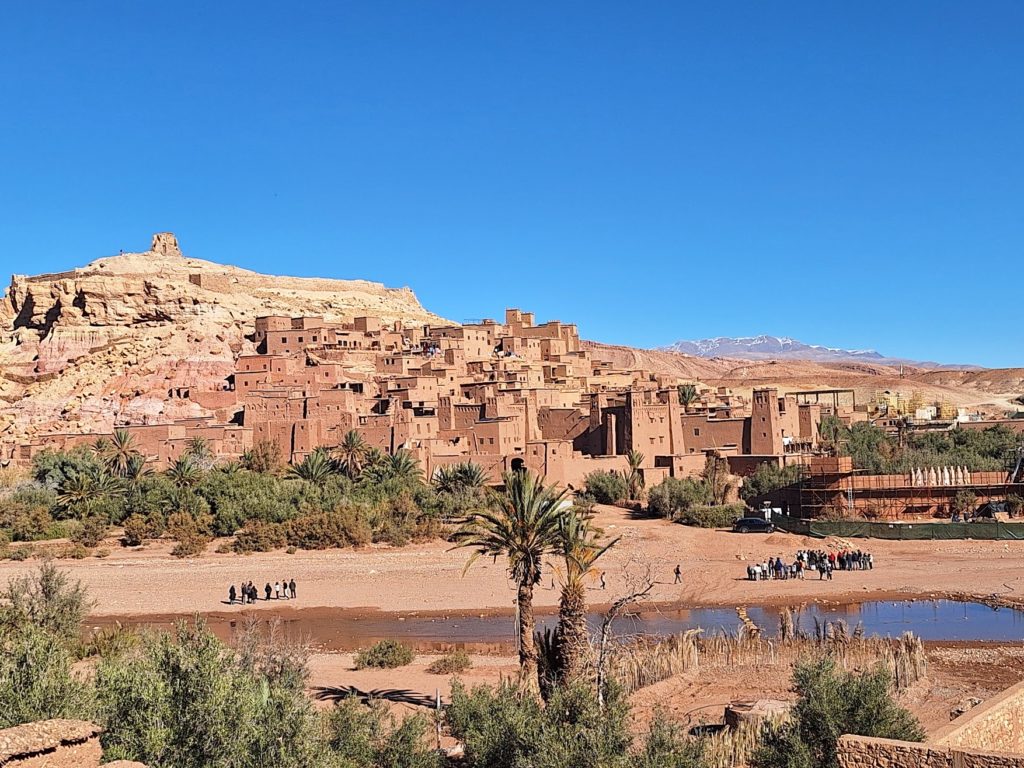
You may also feel you’ve been here before, and in a sense you have. Aït Ben Haddou is one of the most filmed places on earth, standing in for ancient cities in everything from Gladiator to Game of Thrones.
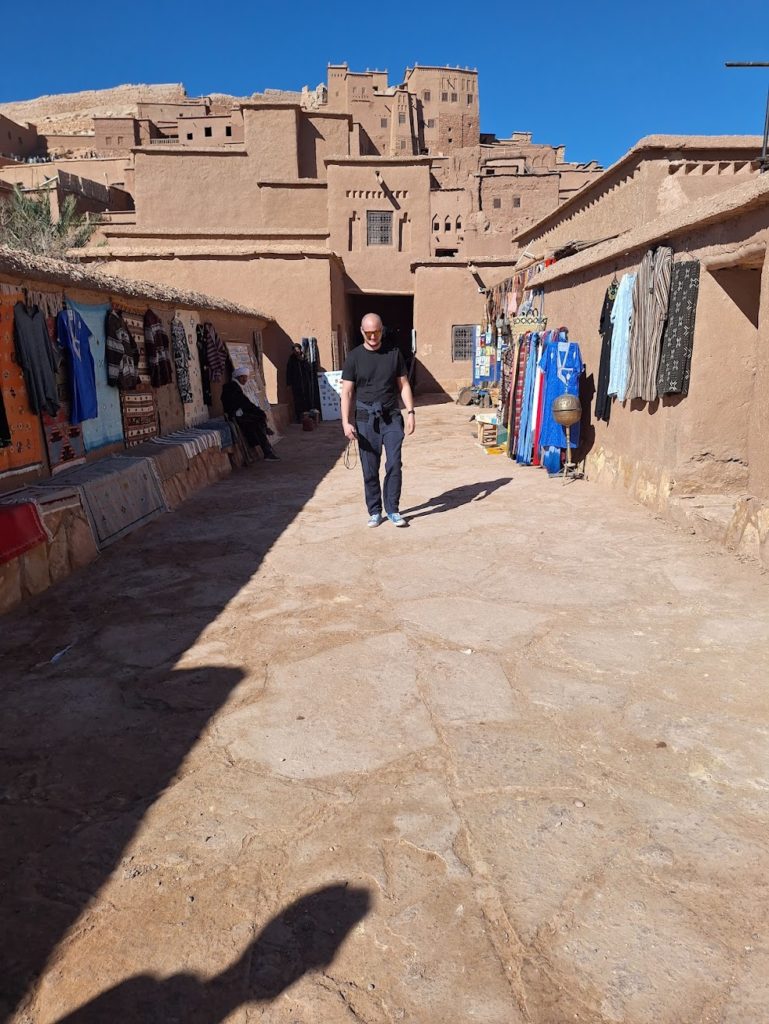
Seeing it in the flesh, you understand why the cameras keep coming back — no set designer could ever build something this real.
Merzouga and the Sahara: sunset over the dunes
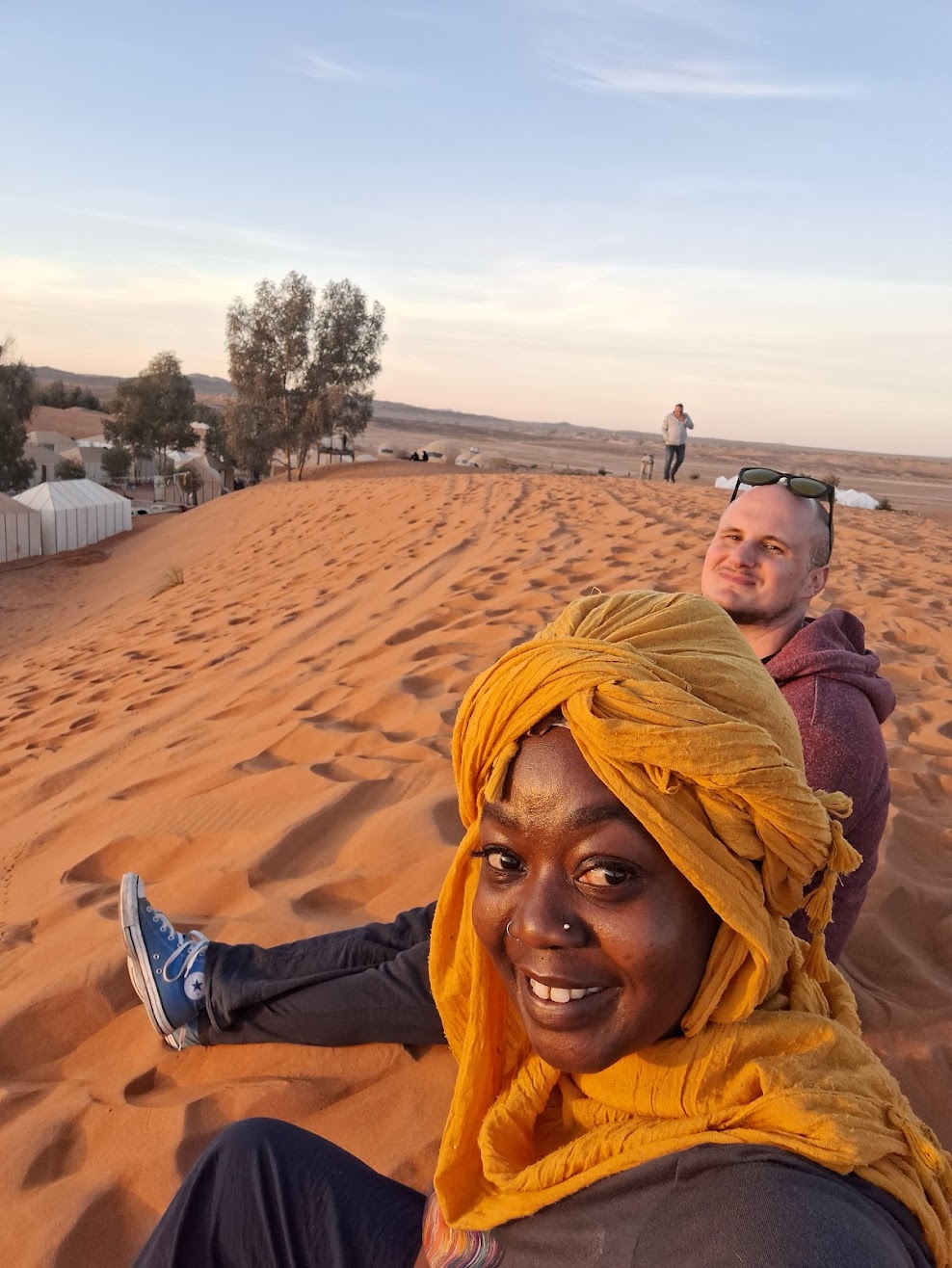
Keep heading east and, eventually, the land simply runs out of everything but sand. This is Merzouga, the gateway to Erg Chebbi — the great sea of dunes that is Morocco’s own slice of the Sahara.
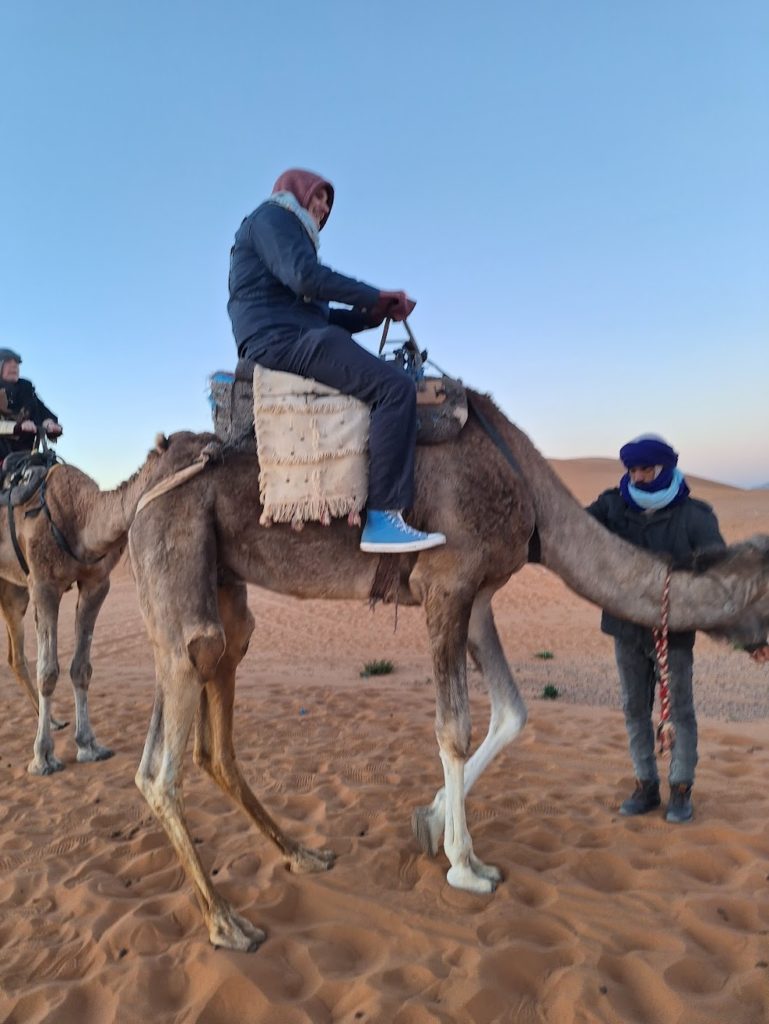
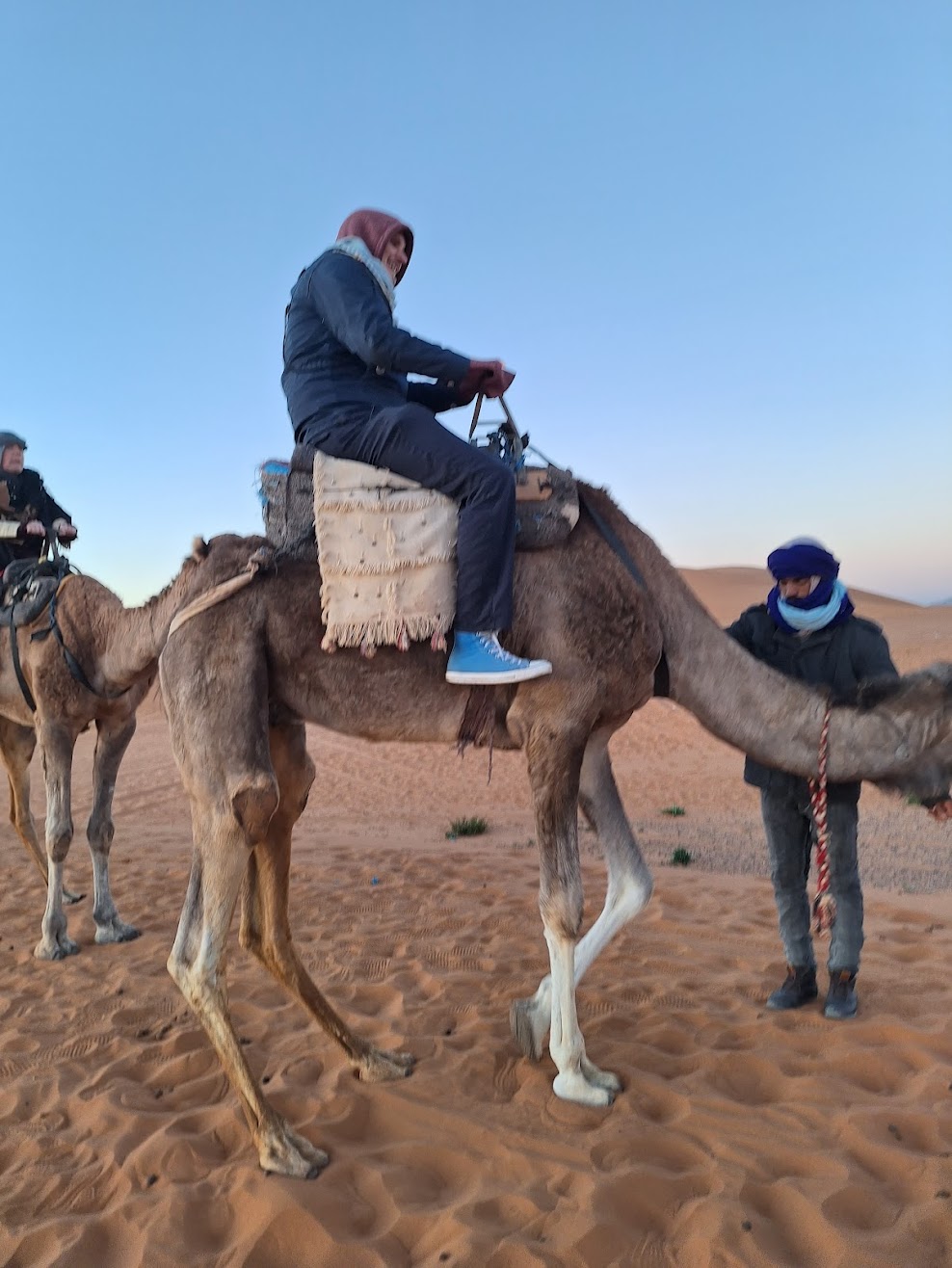
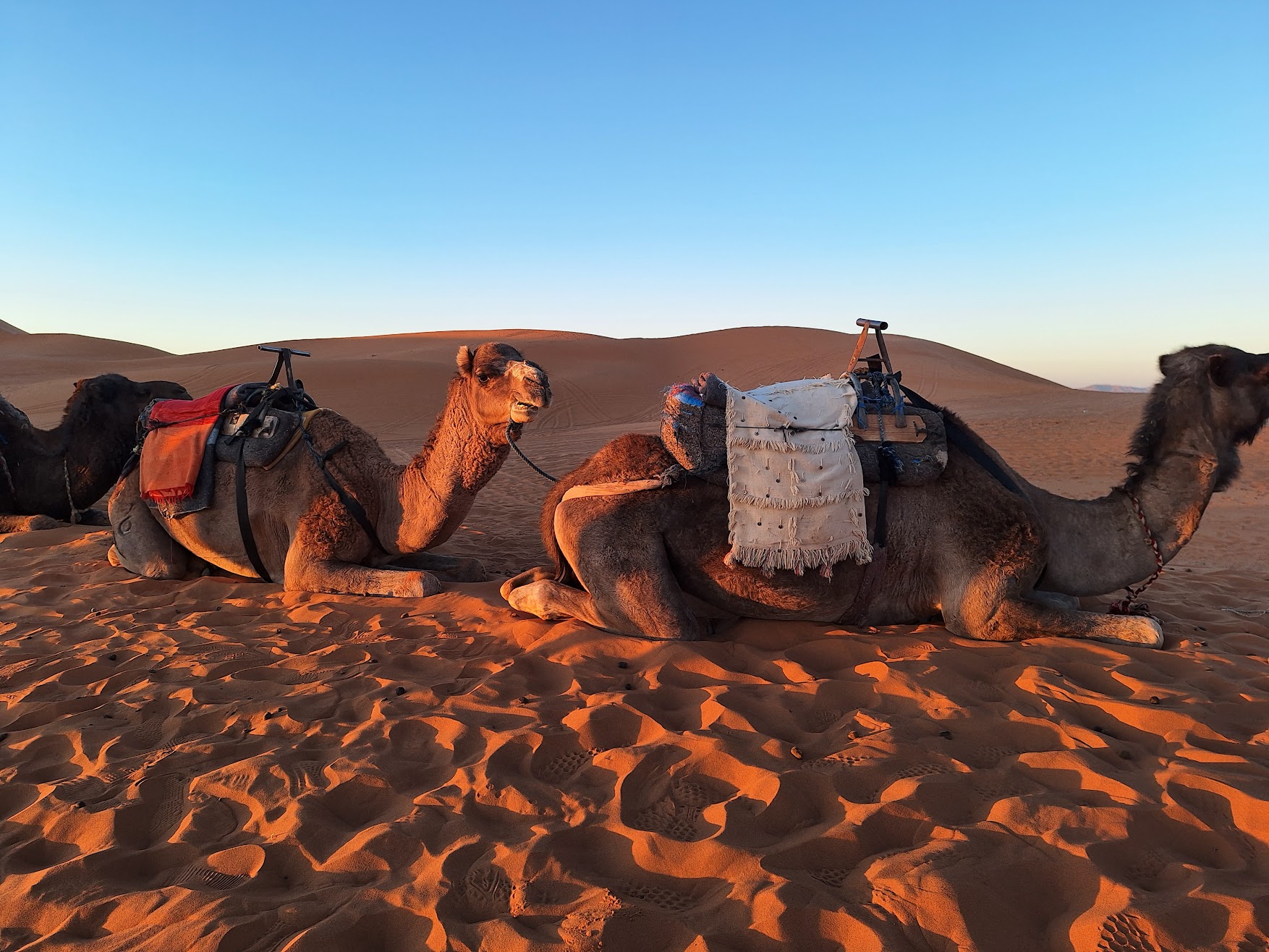
Nothing quite prepares you for them. The dunes rise like mountains, some of them over a hundred metres tall, their crests carved into perfect curves by the wind. We went out as the day was fading, and watched the sun sink over the Sahara — the sand shifting through gold and amber and deep rose as the light died, the silence so complete it almost rang in your ears.
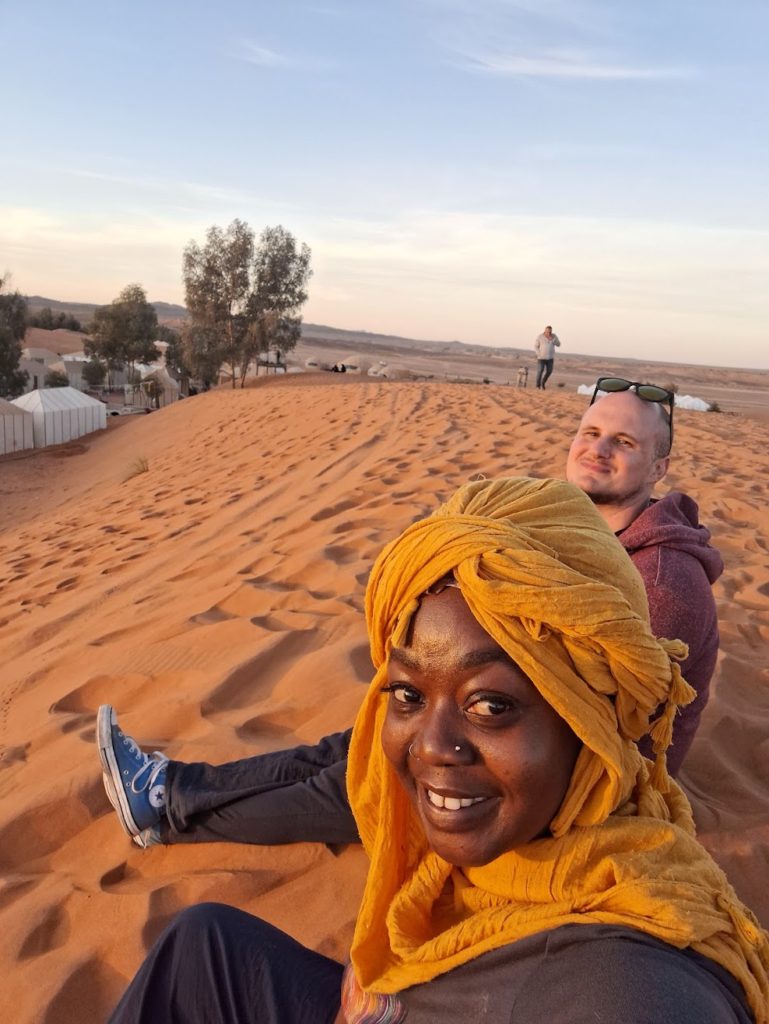
As a man who has just written a thriller set beneath these sands, I can tell you no amount of research compares to standing there and feeling how vast, and how old, and how genuinely otherworldly that desert is. Stay the night in a camp out among the dunes if you possibly can; the stars over the Sahara are a sight you’ll carry with you forever.
Fez: the world’s oldest city of learning
If Marrakesh is Morocco’s showman, Fez is its scholar. The spiritual and intellectual heart of the country, it’s home to a medina so vast and so tangled that it’s often called the largest car-free urban area in the world — and getting lost here isn’t a risk, it’s a certainty.
At its heart sits the University of al-Qarawiyyin, founded back in 859 AD and often cited as the oldest continually operating university anywhere in the world. Remarkably, it was founded by a woman, Fatima al-Fihri — a piece of history worth pausing on as you stand before its doors.
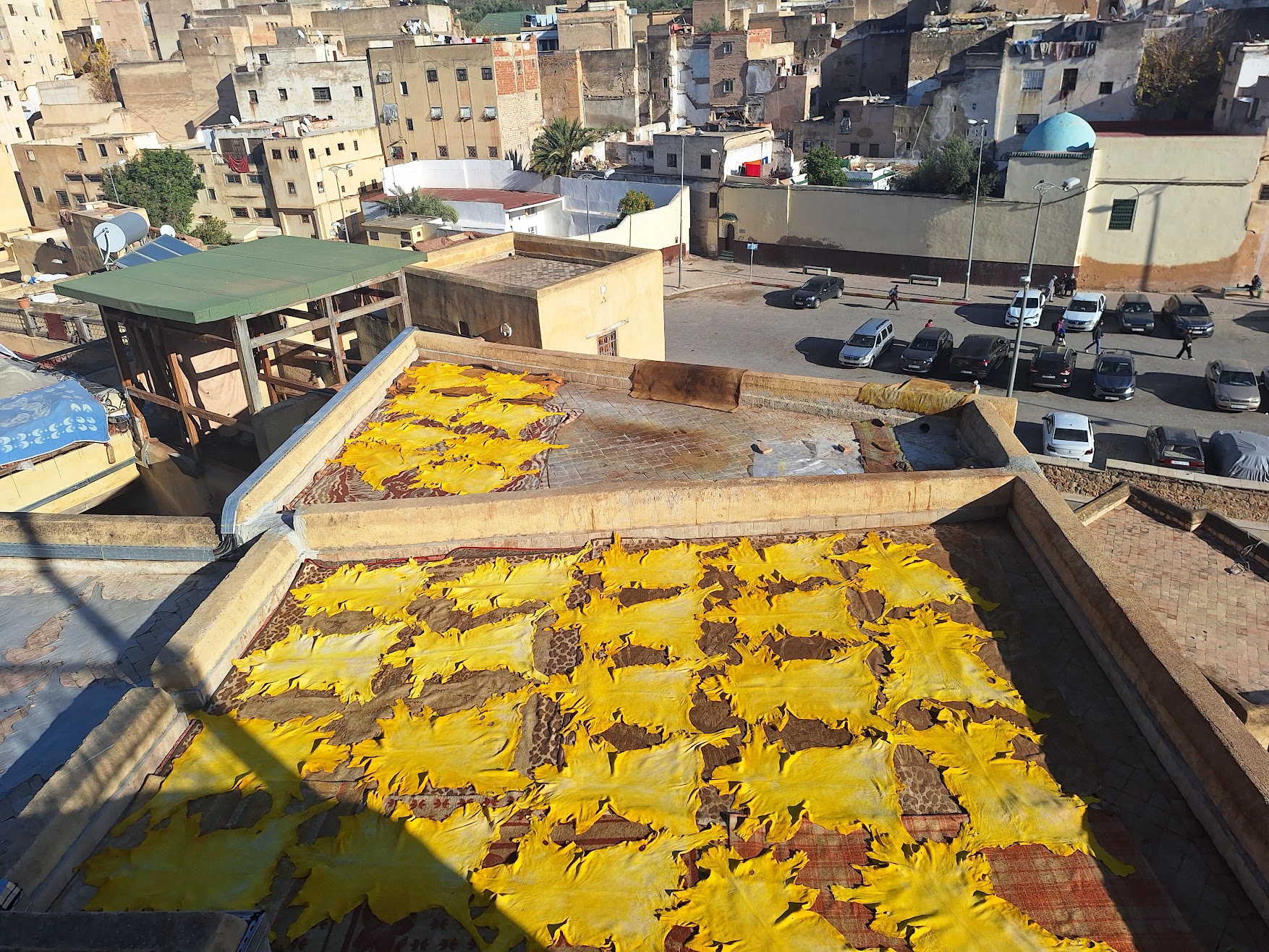
And then there’s the tannery. You’ll smell the Chouara Tannery before you see it, but push on, because the view from the surrounding leather shops is unforgettable: a honeycomb of stone vats filled with natural dyes in earthy reds, yellows and browns, where men work the hides by hand using methods that have barely changed in a thousand years.
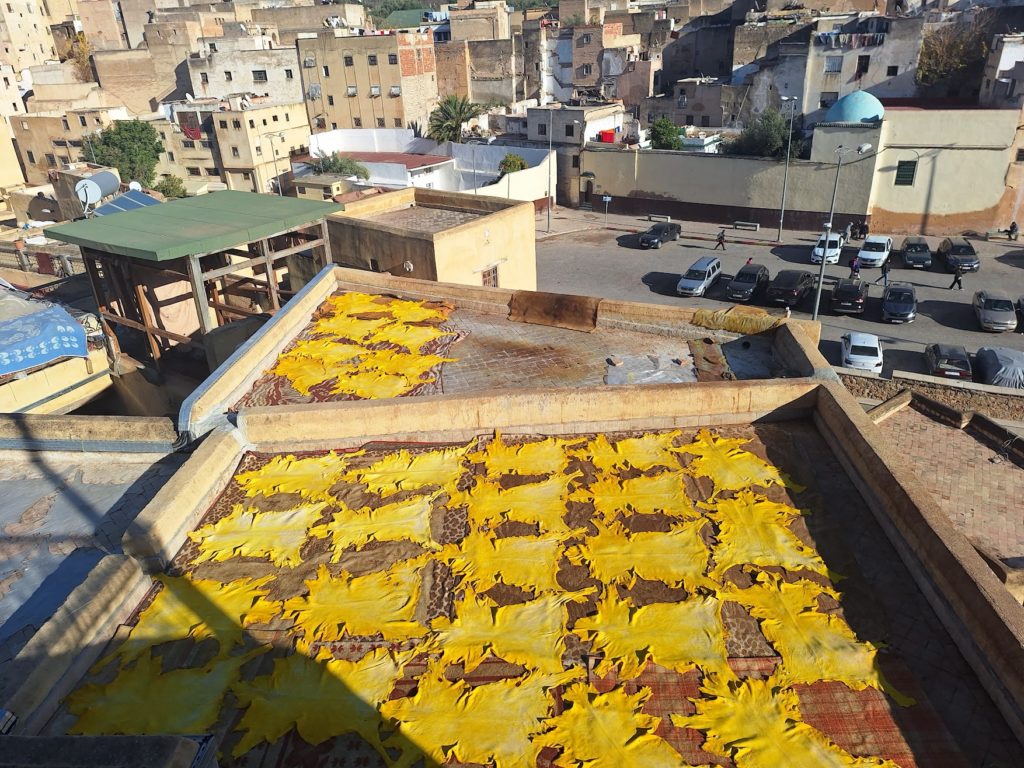
They’ll hand you a sprig of mint to hold under your nose — take it — and let you watch one of the oldest living crafts on the planet, still going strong.
Chefchaouen: the blue pearl
Tucked into the Rif Mountains in the north lies a town unlike anywhere else in Morocco — or anywhere else at all.
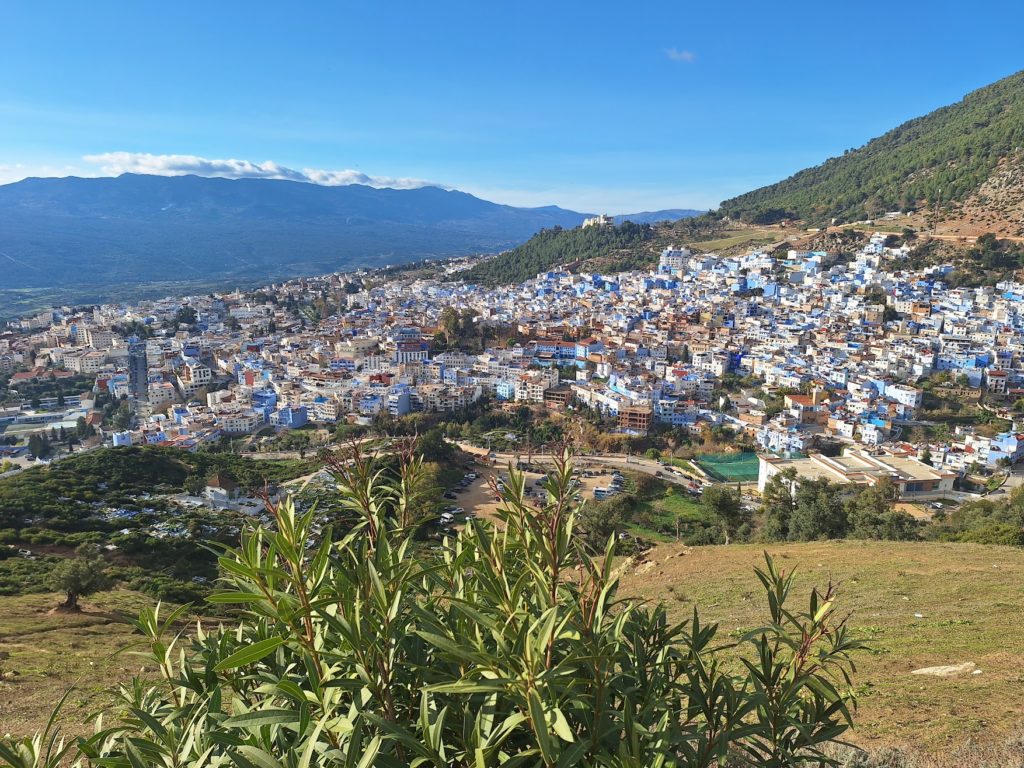
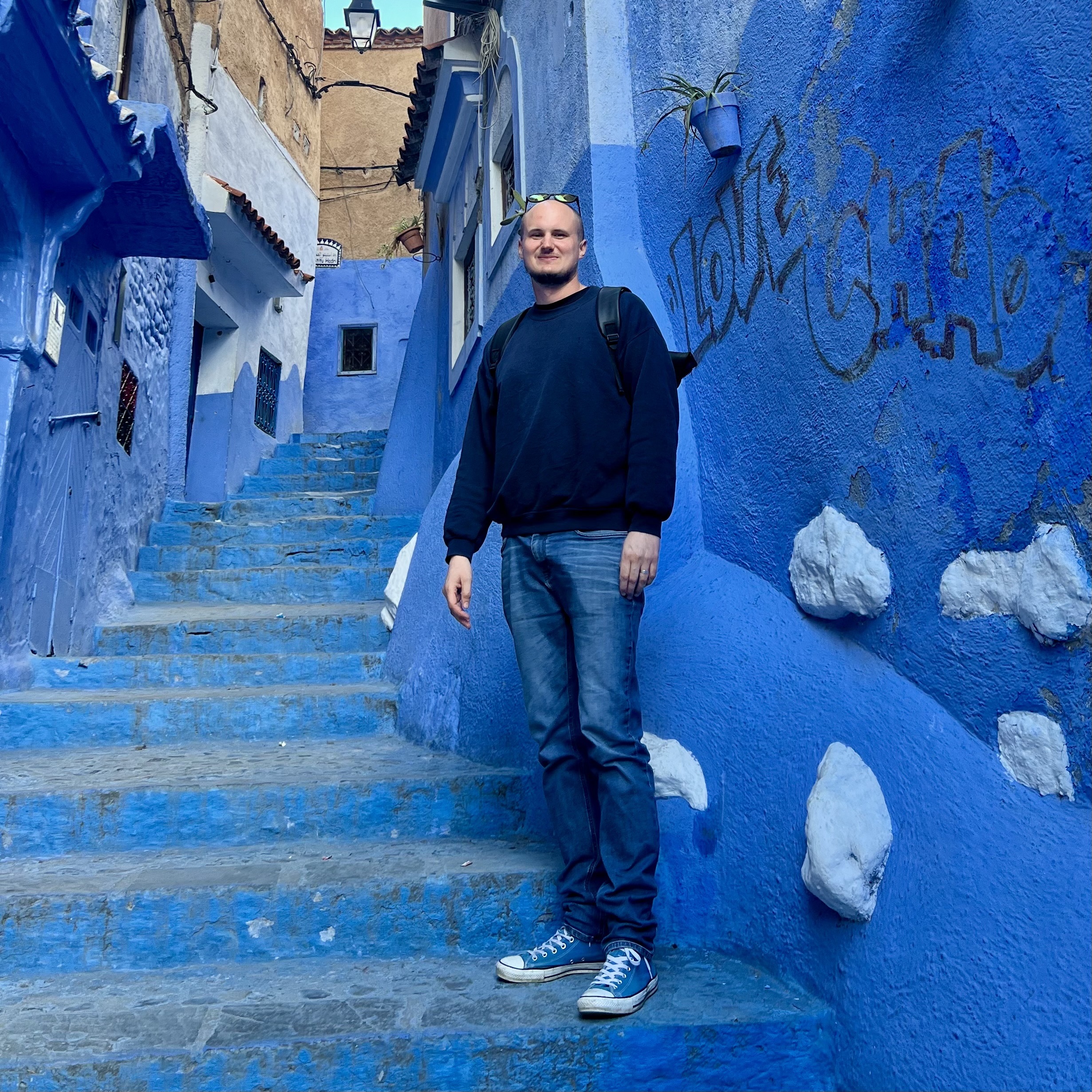
Chefchaouen, the famous Blue City, is painted, almost in its entirety, in shades of blue.
Every wall, every staircase, every doorway runs through cornflower and cobalt and powder and sky, so that wandering its lanes feels like moving through a dream, or underwater.
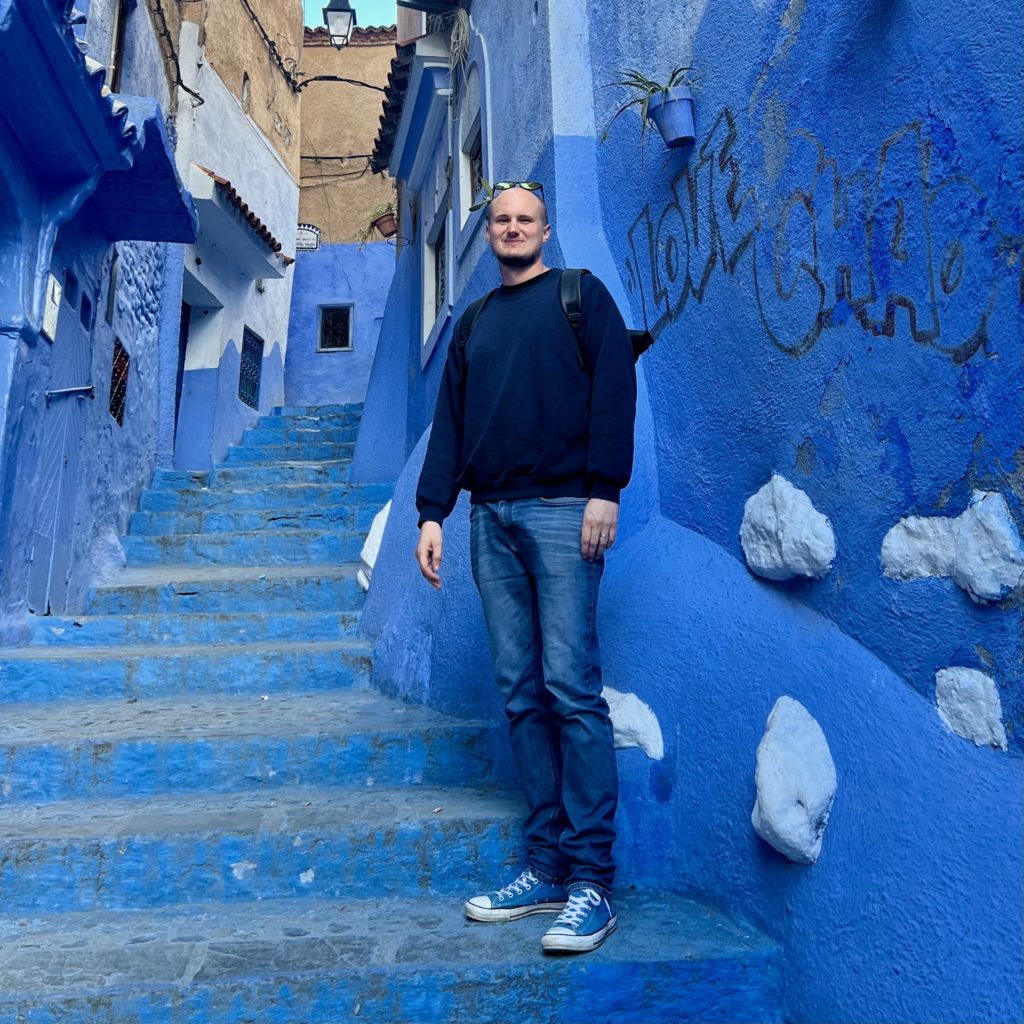
It’s a slower, gentler, mountain-cool sort of place after the heat and rush of the imperial cities — somewhere to drink coffee, take a thousand photographs you’ll never regret, and simply breathe. Of all the places we visited, it’s the one people always want to see the pictures of.
Tangier: where two seas meet
Up on the northern tip of the country, looking across the water to Spain, sits Tangier — and few cities carry a reputation quite like it. For decades in the twentieth century it was an International Zone, a freewheeling, anything-goes port that drew spies, smugglers, writers and artists in equal measure, and a faint whiff of that old lawless glamour lingers still.
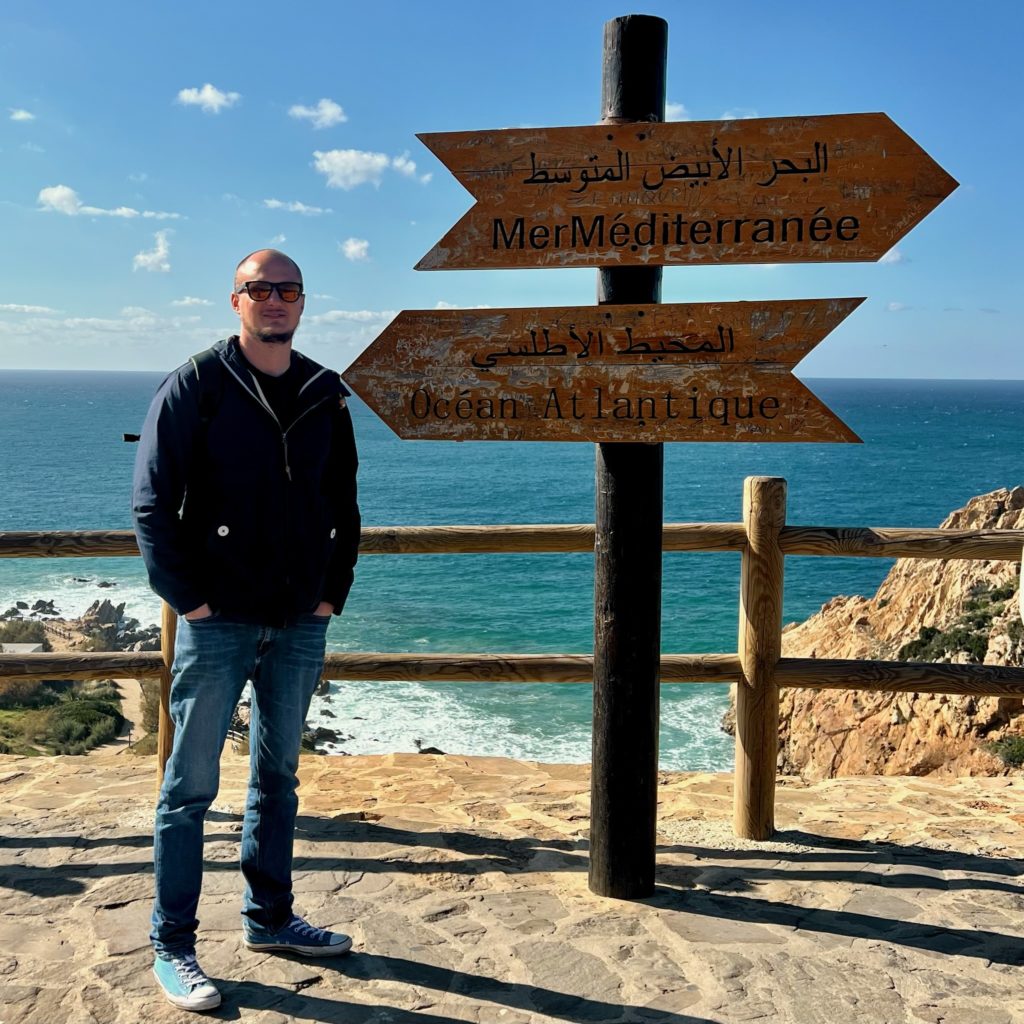
But Tangier’s real magic is geographical. This is where the Mediterranean meets the Atlantic, two great seas pressed together at the Strait of Gibraltar, and standing at Cap Spartel to watch them meet is a genuinely stirring thing. Nearby, don’t miss the Caves of Hercules — a vast sea cavern steeped in myth, whose opening to the ocean has, by some wonderful trick of nature, been worn into the shape of the map of Africa.
Essaouira: journey’s end on the Atlantic
And then, at last, the coast. Of all the places in Morocco, Essaouira is the one we’ve come back to again and again — a windswept, whitewashed fishing port on the Atlantic that simply gets under your skin.
After the intensity of the interior, Essaouira is a long exhale. Its handsome ramparts look out over a crashing grey-blue sea; gulls wheel over a working harbour piled with the day’s catch; and the breeze that has earned it the nickname “the windy city of Africa” keeps everything fresh and bright.
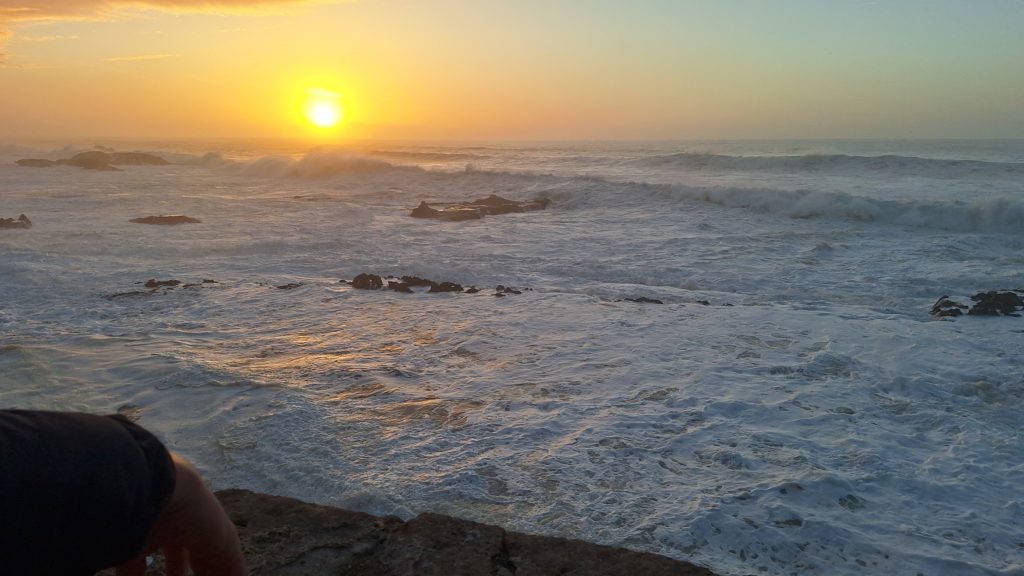
The medina here is relaxed and walkable, full of artists and music and the smell of grilling sardines, and the pace is gloriously, deliberately slow. It’s the perfect place to end a Moroccan journey: salt in the air, the Atlantic stretching west, and the whole astonishing trip behind you.
A country of endless stories
That, in the end, is what Morocco does to you. In the space of a single trip you can lose yourself in a thousand-year-old market, sleep under the stars in the Sahara, wander the oldest university on earth, and watch two oceans meet — and still feel you’ve barely scratched the surface.
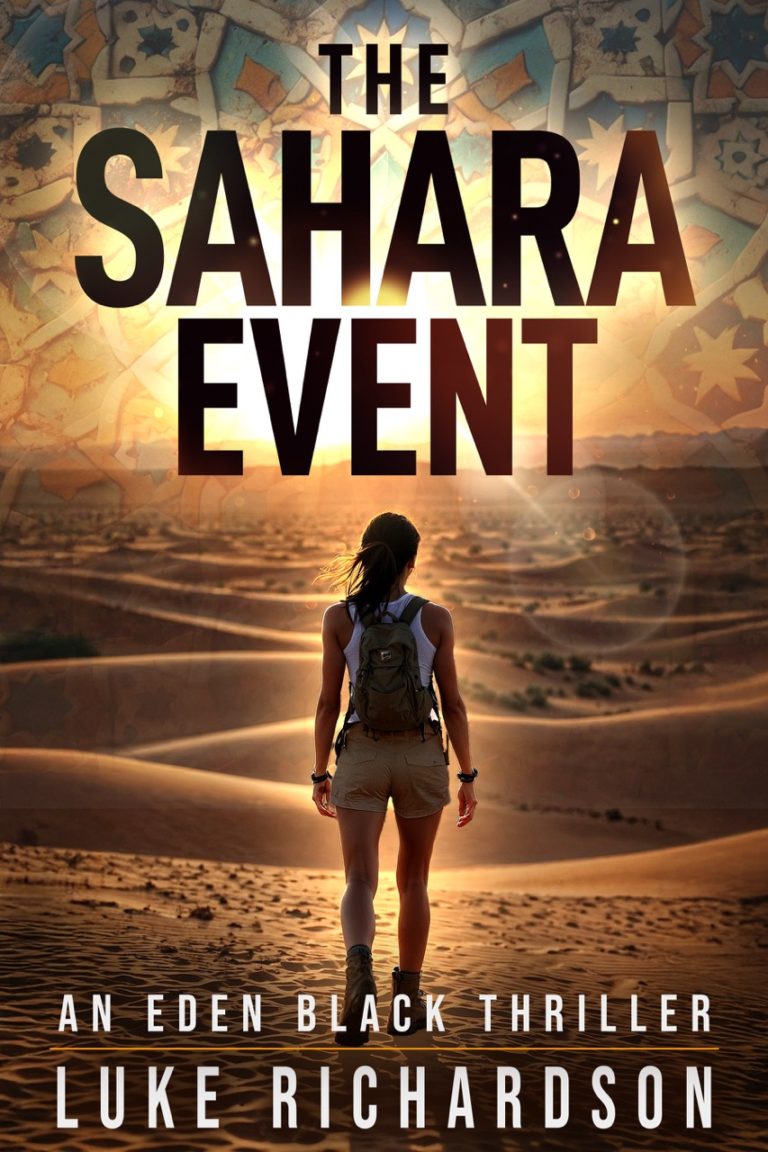
It’s the country, and the desert, that inspired my novel The Sahara Event, and standing in those places I understood exactly why so many stories have been set here. My advice, having made the journey myself, is simply to go — start in Marrakesh, follow the road wherever it leads, and let Morocco show you everything it’s been keeping. You won’t come home the same.