
Locations & Travel
Kathmandu
Location overview
The City That Inspired Kathmandu Killers
I visited Kathmandu in 2016 and, honestly, it got under my skin in the way few places do.
I arrived after a ten-hour bus journey from Pokhara, over winding mountain roads that climbed and dipped through pass after pass. At some points the road felt like it was balanced on the edge of a cliff, with sheer drops down to rivers far below. For several miles the road disappeared altogether, the bus rumbling over unpaved tracks from one tiny village to the next.
The journey, as always with travel experiences, was the adventure in itself.
And then we arrived in Kathmandu — this vibrant, busy, exciting place, full of noise and colour. A place with history and population layered on top of itself. It felt to me like nowhere else on earth. It wasn’t long before I knew it had to be the setting for a book.
A Place People End Up
Interestingly, I’d already had the idea of the nefarious restaurant rattling around in my head for some time (no spoilers here), and I was looking for somewhere to set it.
At this point I’d never written a book before, and arriving in Kathmandu, something clicked. I just knew that this was the place. There was something about it that made the piece fall together.
I think that’s because Kathmandu felt to me, in that short couple of days, like a place that people end up. You don’t intend to go there — you just end up there.
I make reference to that in the book, because for many, Kathmandu is the jumping-off point for an adventure elsewhere. People go to trek in the Himalayas, which are quite literally on the doorstep. To ride up towards Everest, or go mountain biking, or white-water rafting. For me it felt like a place in between — an accidental destination.
The End of the Hippy Trail
Then, reading about Kathmandu in the 1960s and 70s captured my imagination further. Because back then, Kathmandu was the ultimate destination — it was the end of the Hippy Trail.
That overland route wound all the way from Europe through Turkey, Iran, Afghanistan, Pakistan, and India before finally arriving in Nepal. Kathmandu was quite literally the end of the road. The party’s last stop.
Over the decades, thousands of young adventurers made that journey, drawn by the promise of spiritual awakening, cheap living, and an experience utterly unlike the one they’d left behind in Europe.
Kathmandu had everything they were looking for: a laid-back atmosphere, affordable guesthouses, and a culture that felt genuinely exotic. At the centre of it all was a place brilliantly called Freak Street — a stretch of cafes, shops, and guesthouses where East met West in the most colourful way imaginable. It’s a place that blends incense and rock music, where Buddhist monks and backpackers jostle for space on the narrow lanes.
It has since toned down slightly, but I still remember the smell of herbs being burned in the street. And one afternoon, walking through Freak Street, we came across a Scottish bagpiper strolling down the road and playing his tune as if it were the most normal thing in the world. That moment, more than anything, captured what the place felt like.
If you end up reading Kathmandu Killers, you’ll see that one of the characters is directly inspired by that era — again, no spoilers.
Kathmandu Today
So what’s Kathmandu like today? Well, when I say today, it was 2016 when I visited, and that feels like a lifetime ago. But even now, as a writer of several novels, it feels almost impossible to adequately describe — especially if you’re not used to travel in that part of the world.
It’s chaotic and spiritual and historic all at once, and somehow, despite everything, deeply addictive.
Thamel: The Backpacker District
Most visitors base themselves in Thamel — the backpacker district in the heart of the city. It’s a labyrinth of narrow alleys crammed with guesthouses, trekking gear shops, restaurants, and stalls selling everything from prayer beads and singing bowls to pashmina scarves and bronze Buddha statues. It’s overwhelming at first, but that’s part of the charm. You can wander for hours and still find something unexpected around the next corner. Certainly prepare to get lost — there’s an army of tiny taxis ready to zip you back to your hotel for less than a dollar.
The Spiritual Sights
The spiritual side of the city is harder to pin down, because it’s genuinely everywhere. Pashupatinath, Nepal’s holiest Hindu temple, sits on the banks of the Bagmati River, and visiting at dusk — when the cremation pyres are lit and the air fills with incense smoke — is one of the most extraordinary experiences I’ve had.
The Boudhanath Stupa is something else entirely: an enormous Buddhist monument rising above the rooftops. It’s one of those sights you really do need to see in person.
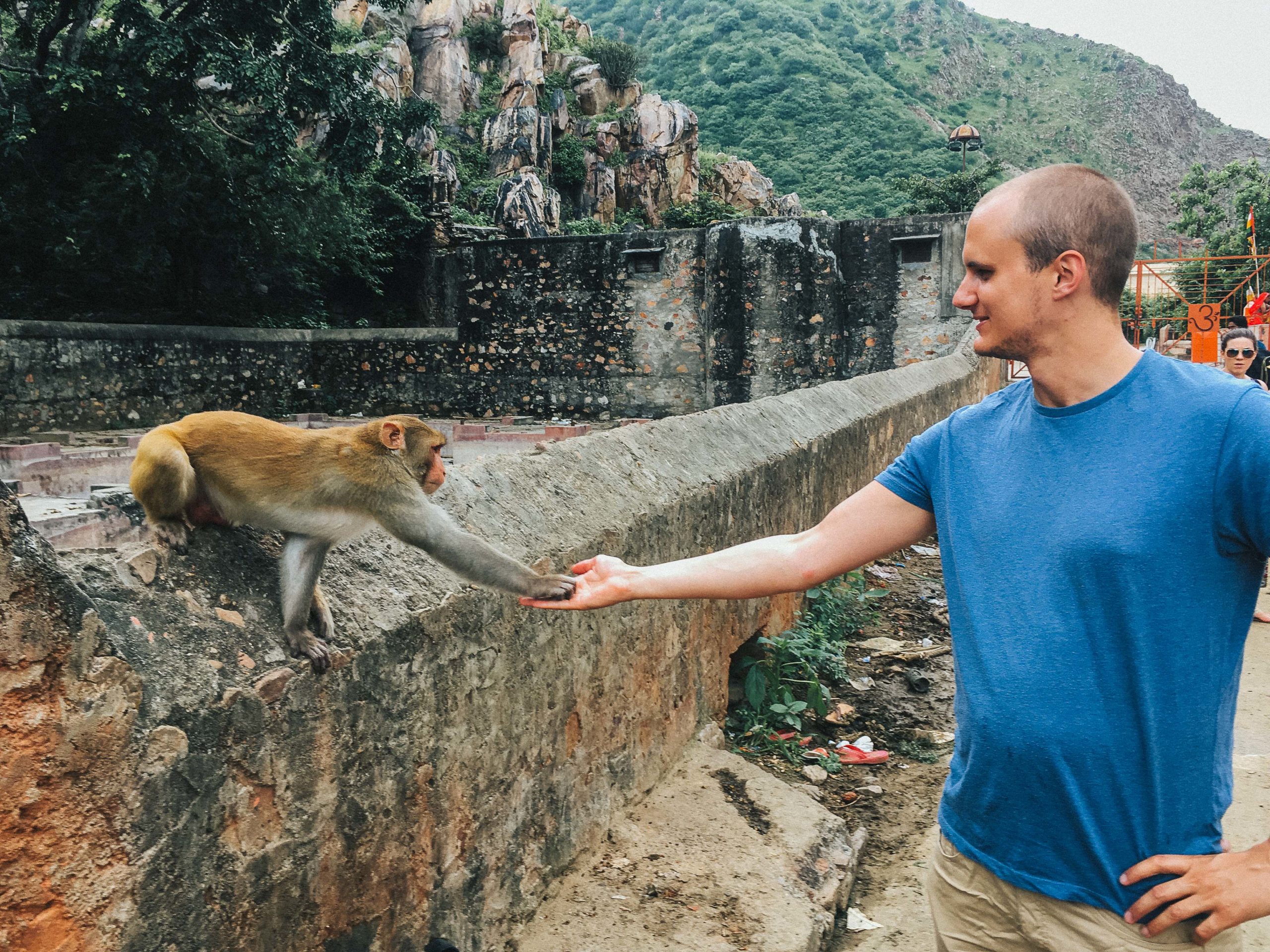
For views over the whole valley, head up to Swayambhunath — better known as the Monkey Temple. And yes, the monkeys are very much present and very much in charge. The climb up the steps is worth every one of them.
Beyond the City
Beyond the city, the Himalayas are on the doorstep. Not having the time to do any trekking last time, I settled for a flight up into the Himalayas. Our tiny plane bounced and yawed as the pilot took us alongside the mountain range, pointing out Everest and its brothers, most of which are equally tall and imposing.
I always say it’s good to leave something you want to do next time. For me, that’ll be a mountain trek — probably the Annapurnas, which are also not far away. Then again, I didn’t make it to the ancient towns of Bhaktapur and Patan, both UNESCO World Heritage Sites with cobblestoned streets and extraordinary Newari architecture that makes you feel like you’ve stepped back several centuries.
A Darker Story Behind the Book
Kathmandu Killers also touches on something more difficult. While I was there, I learned about a deeply troubling reality facing many Nepalese women and girls: the practice of luring them to the city with promises of jobs and opportunities, only for those promises to lead to domestic slavery or prostitution. At that time it was shockingly common, and it left a mark on me that found its way into two of my books — both Kathmandu Killers and the opening chapter of The Giza Protocol. At the time several charities were doing excellent work to eradicate this, and I hope they still are.
A City That Stays With You
One thing is for certain: Kathmandu is a city that stays with you. For me, it’s a place that changed my life, as it inspired me to finally put pen to paper and write the book that’s now titled Kathmandu Killers. And for that, I’ll forever be grateful to it.
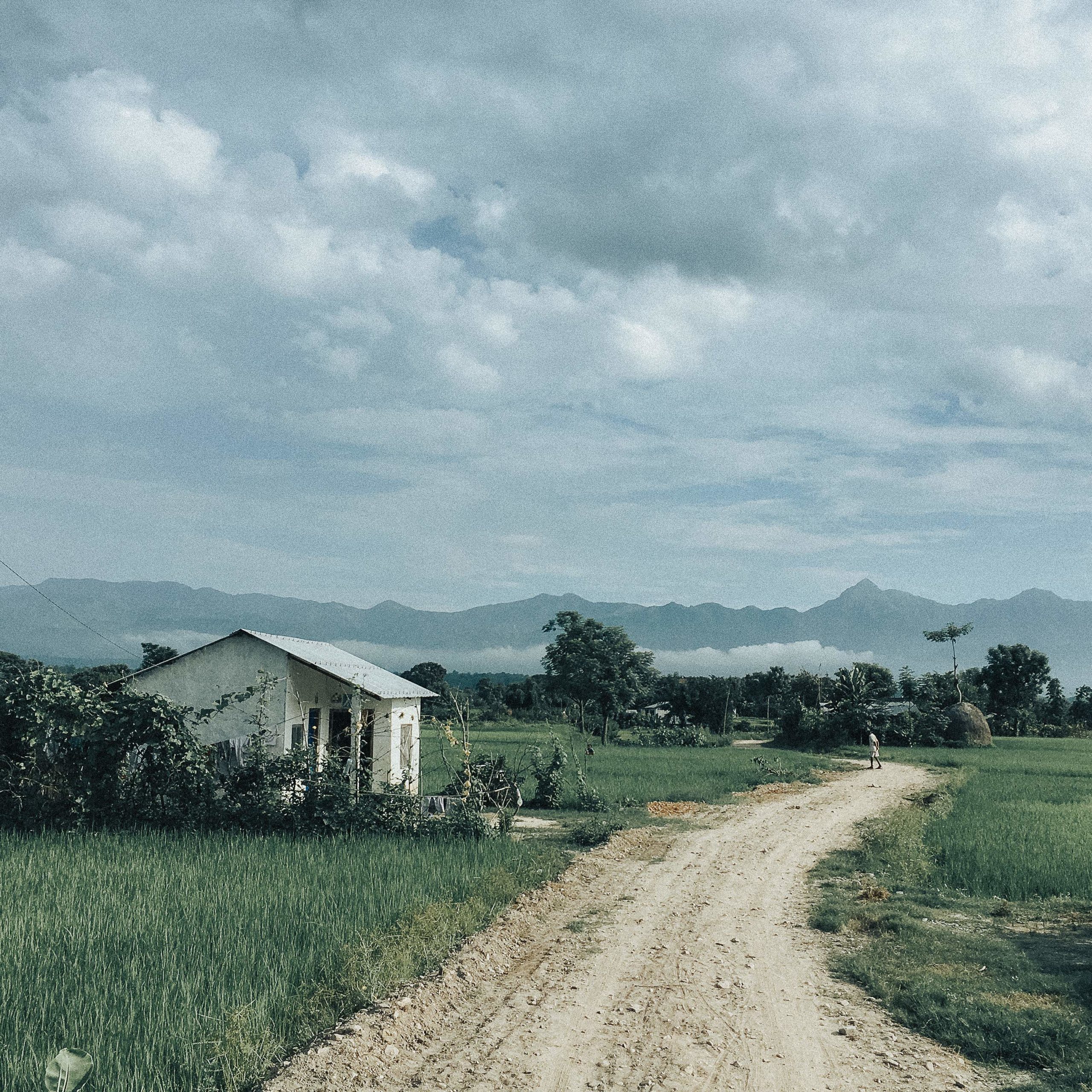
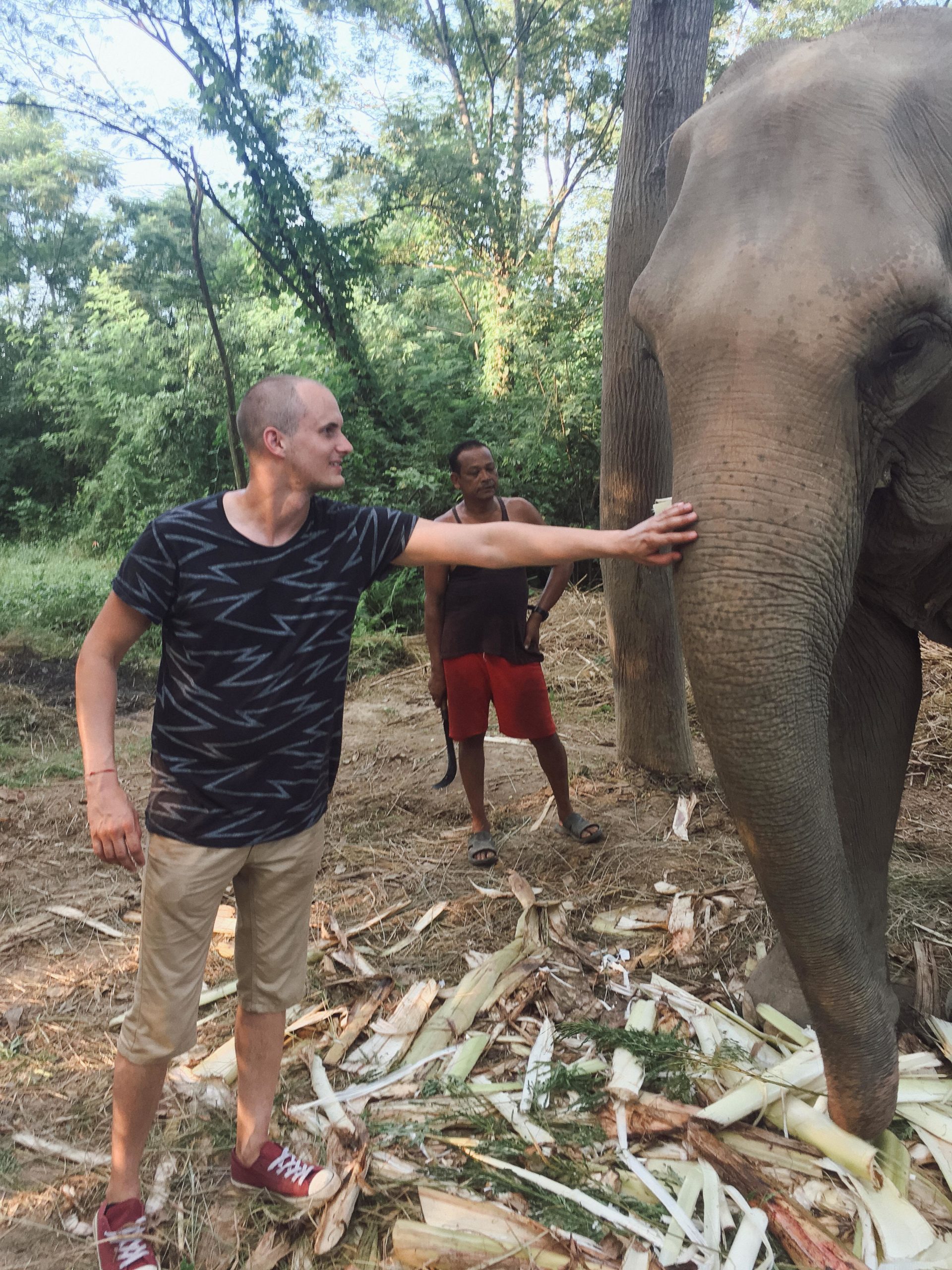
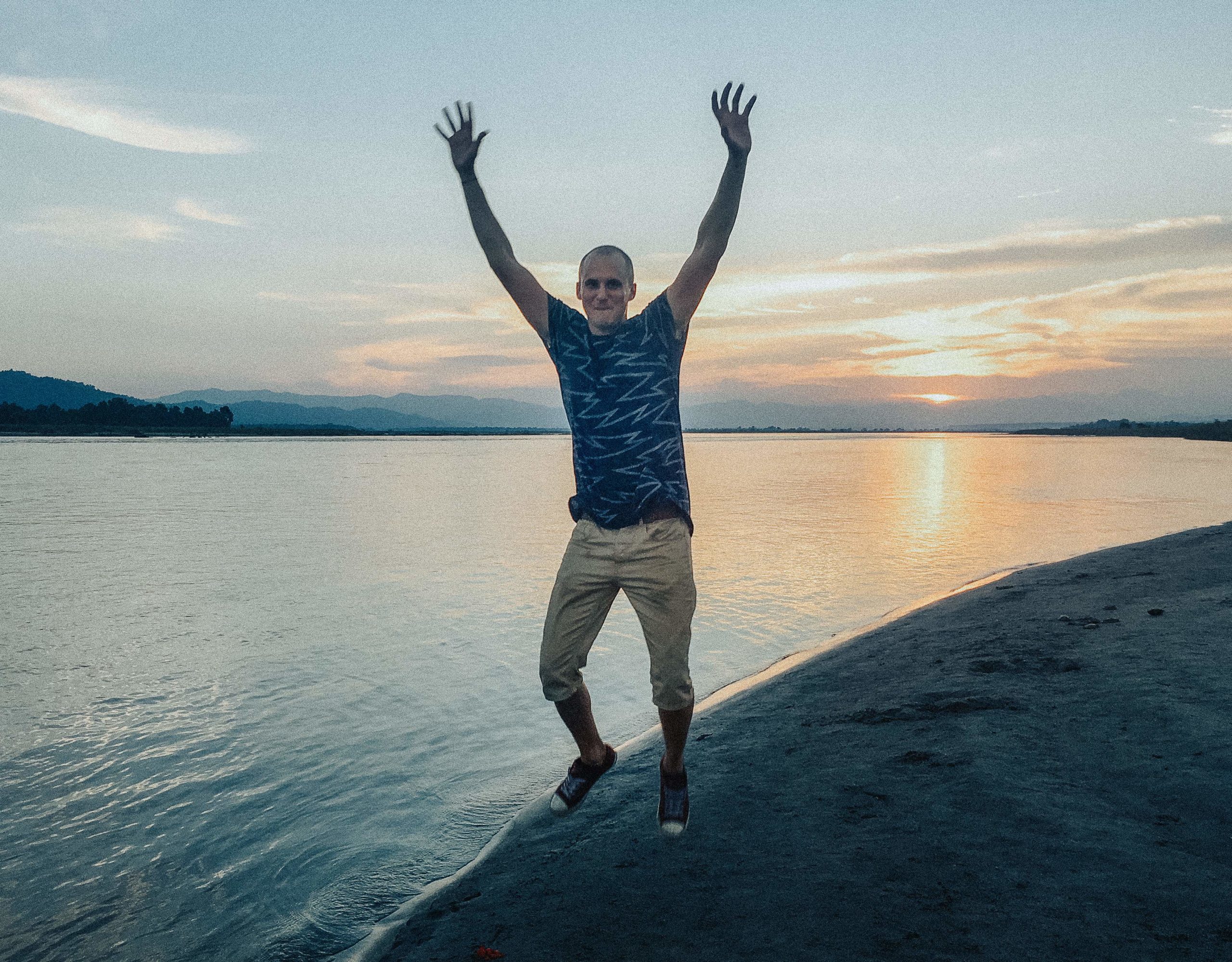
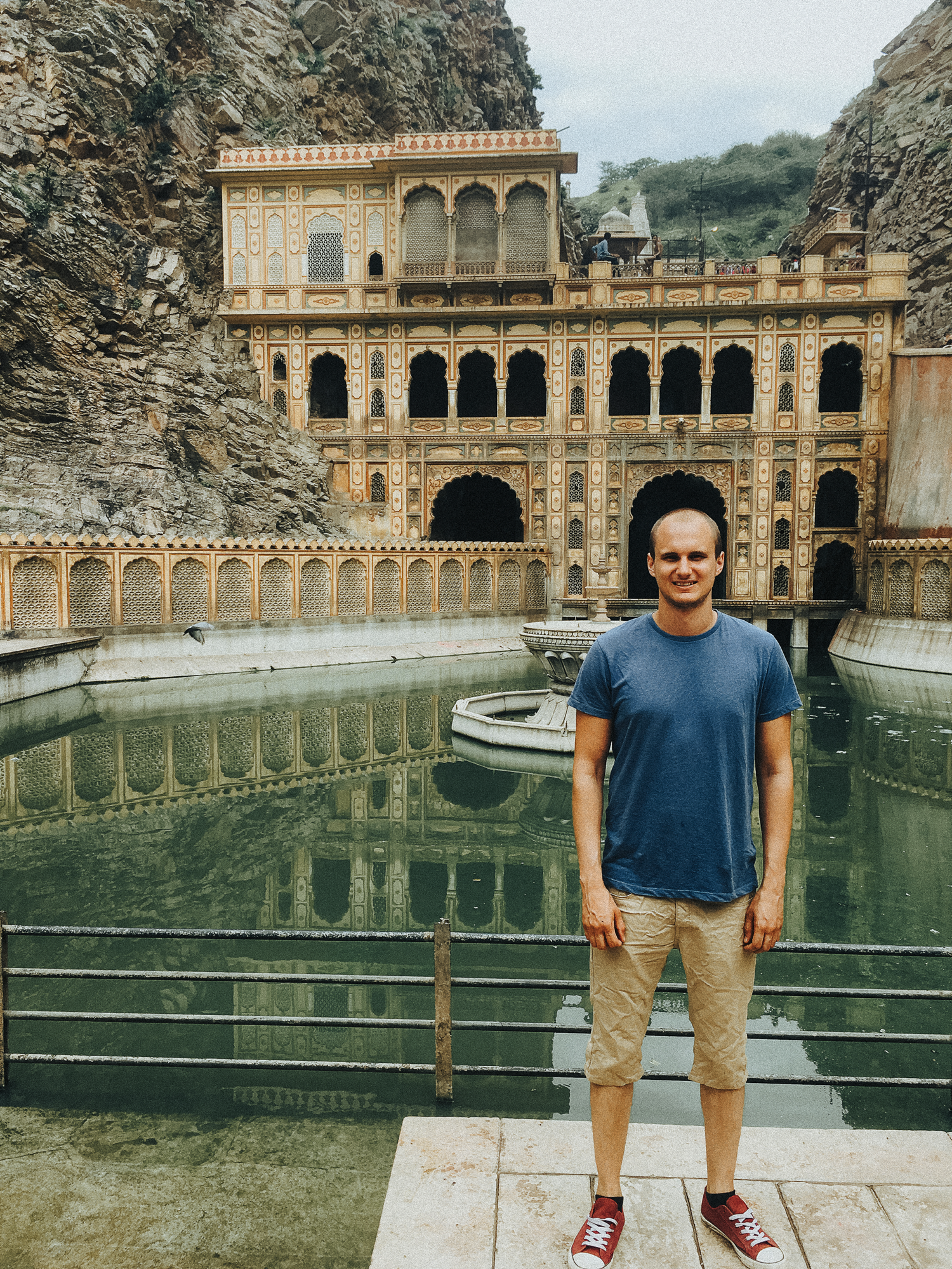
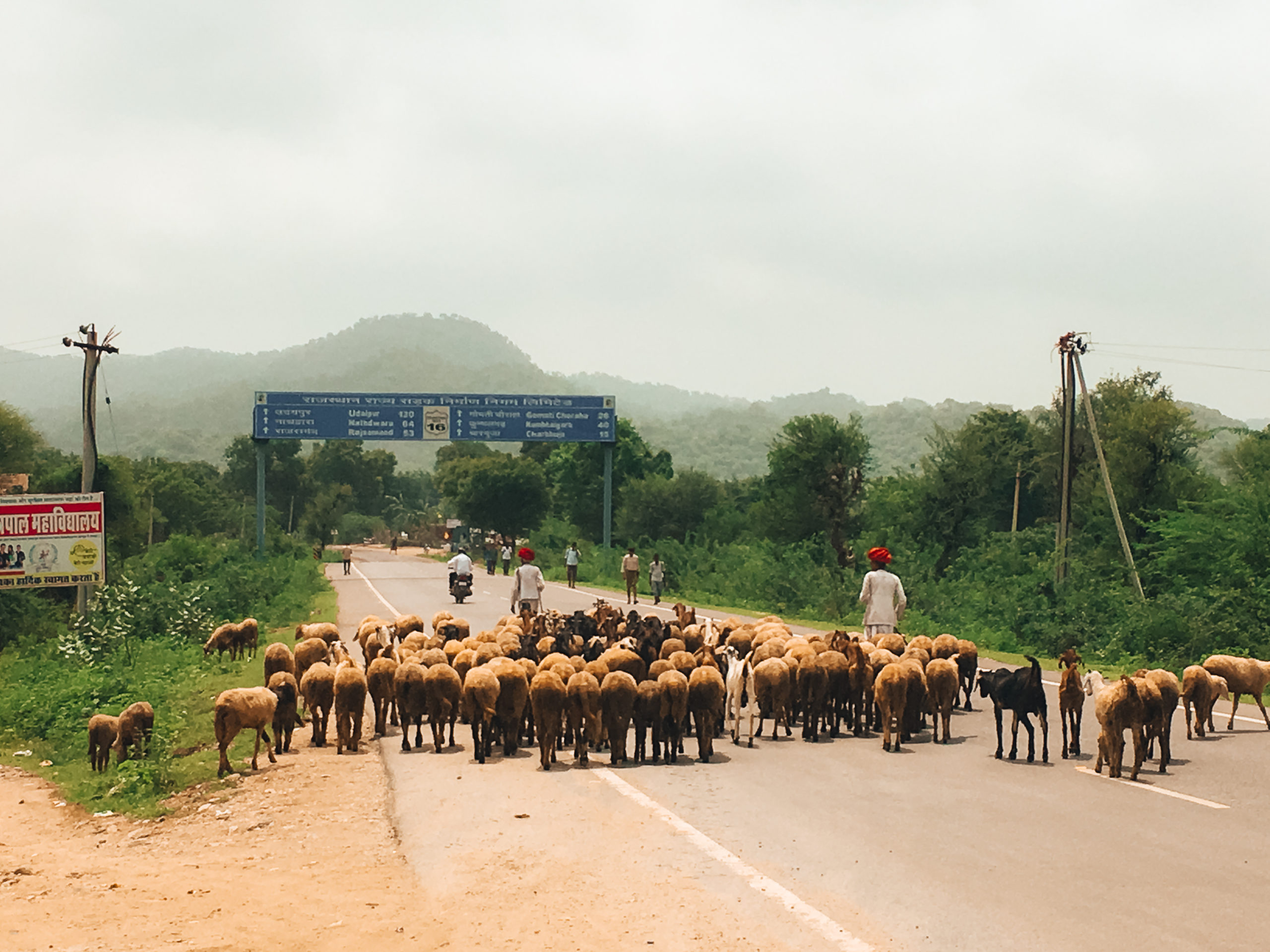
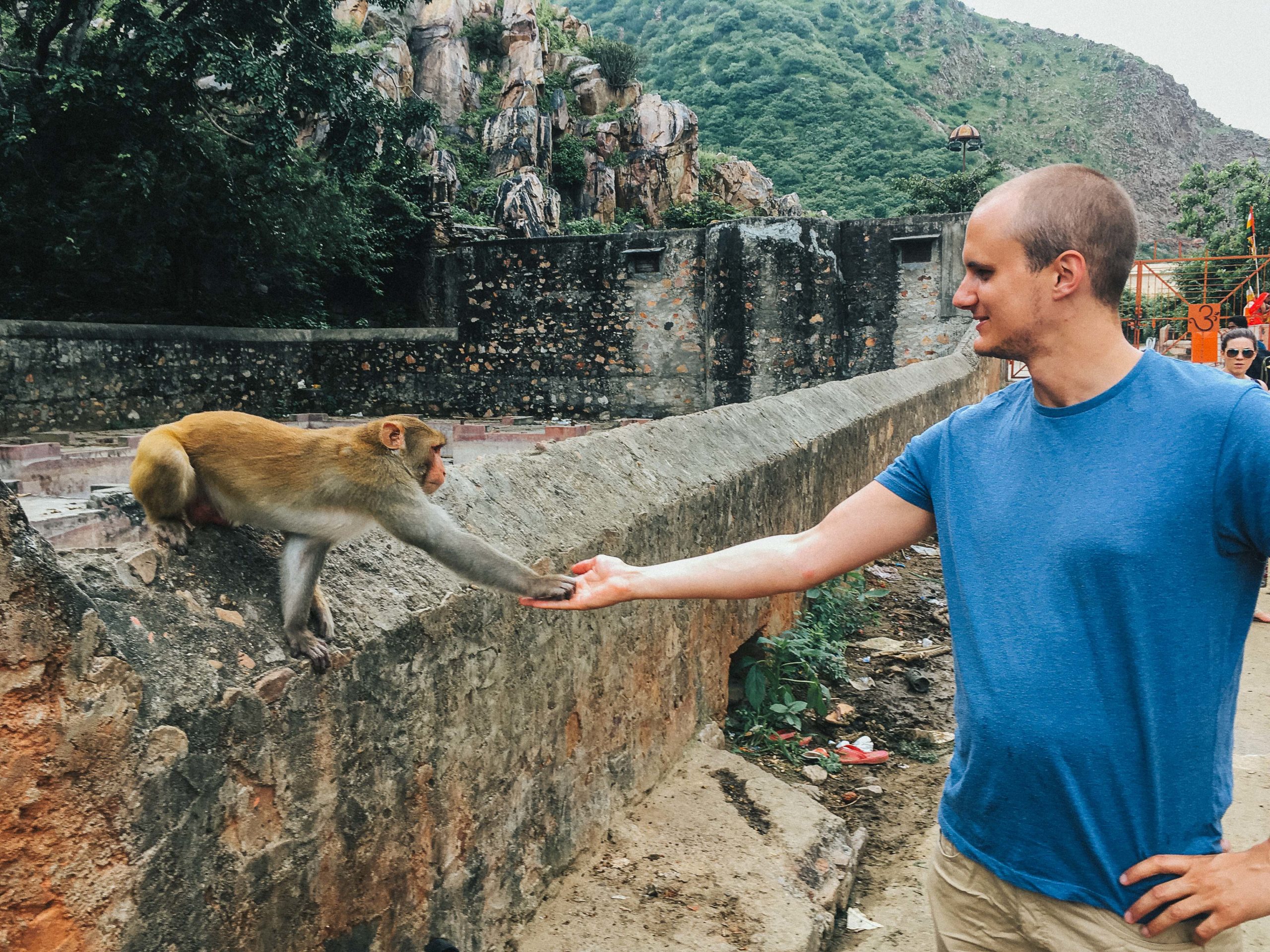
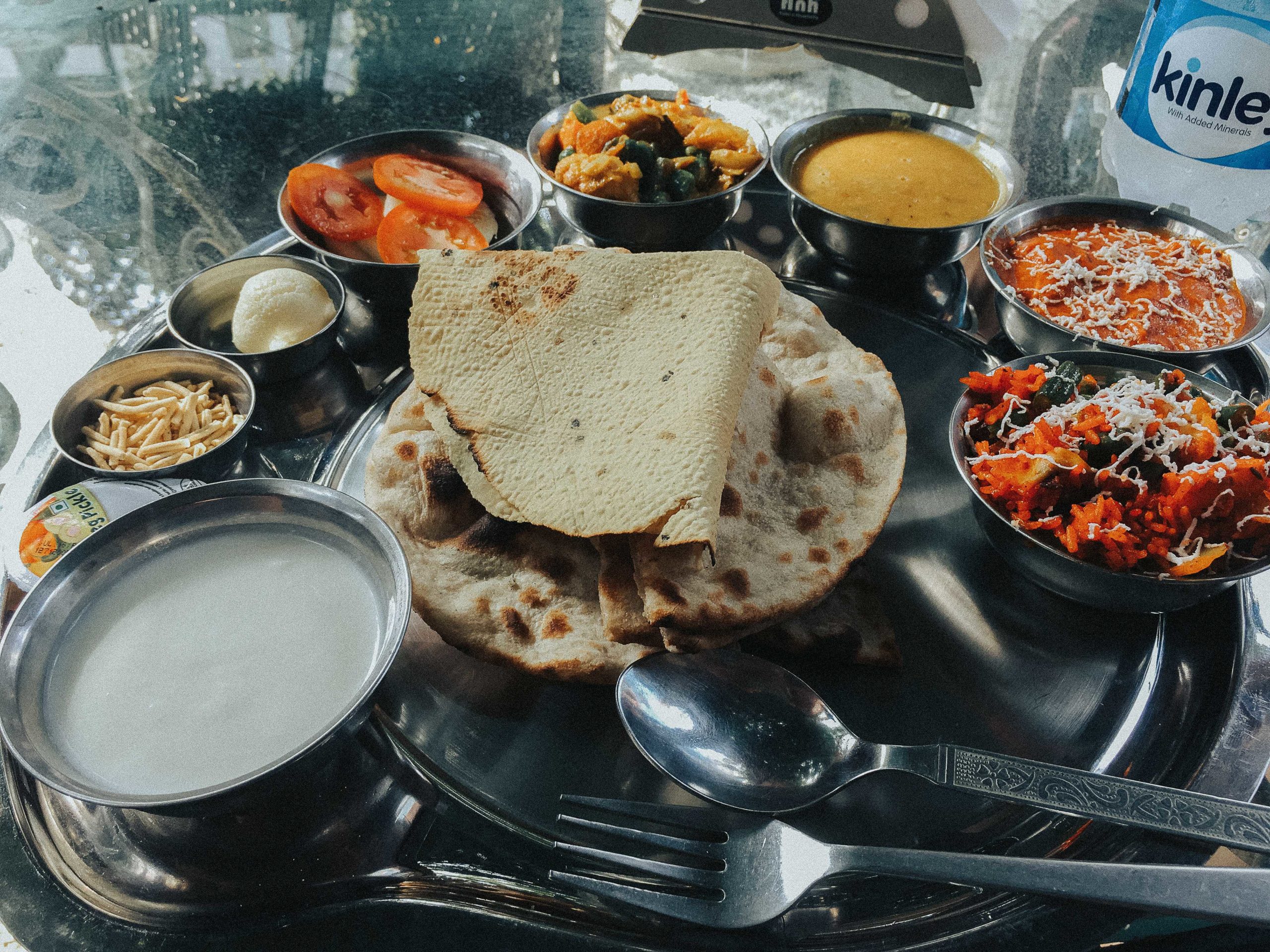
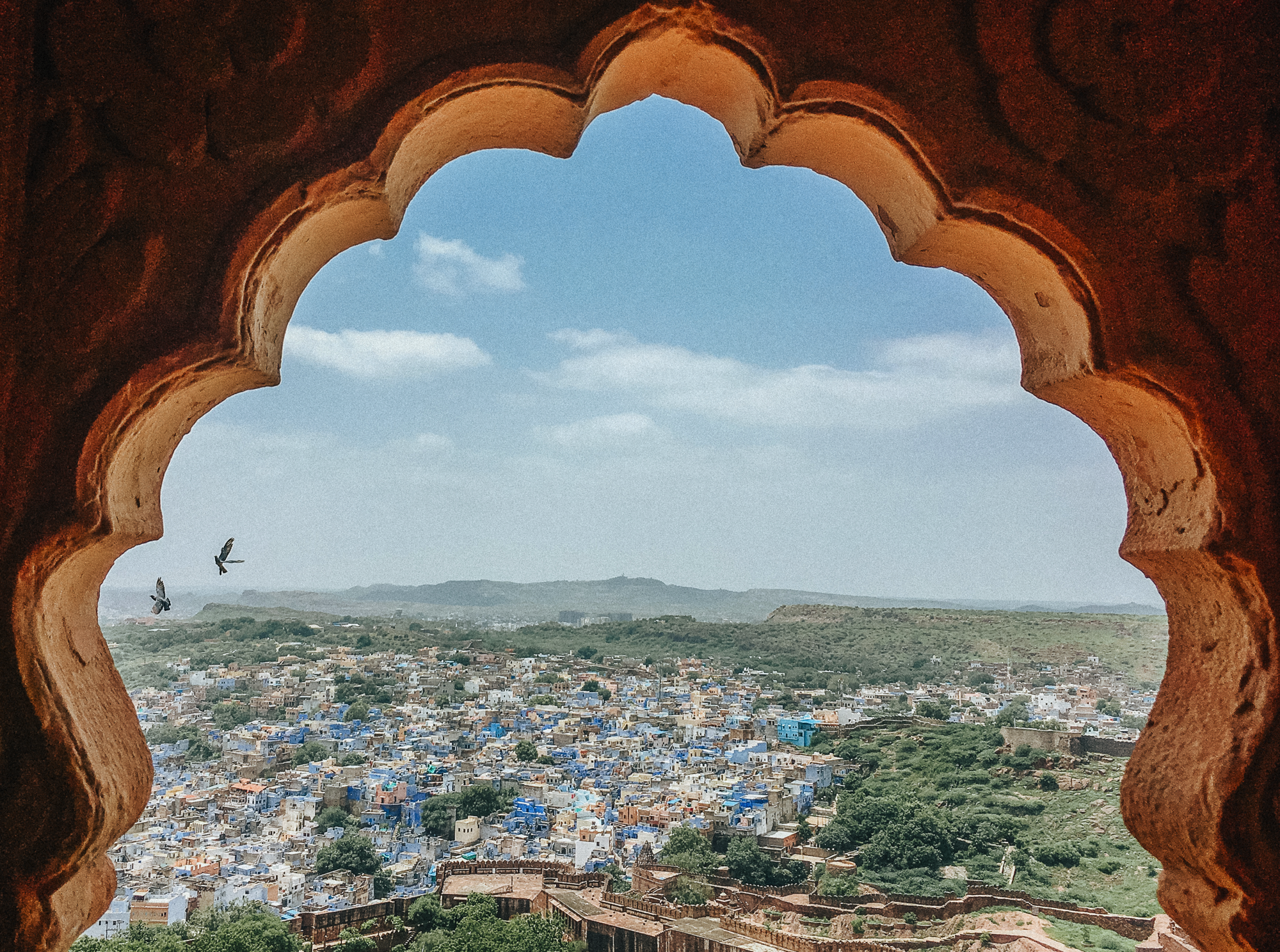
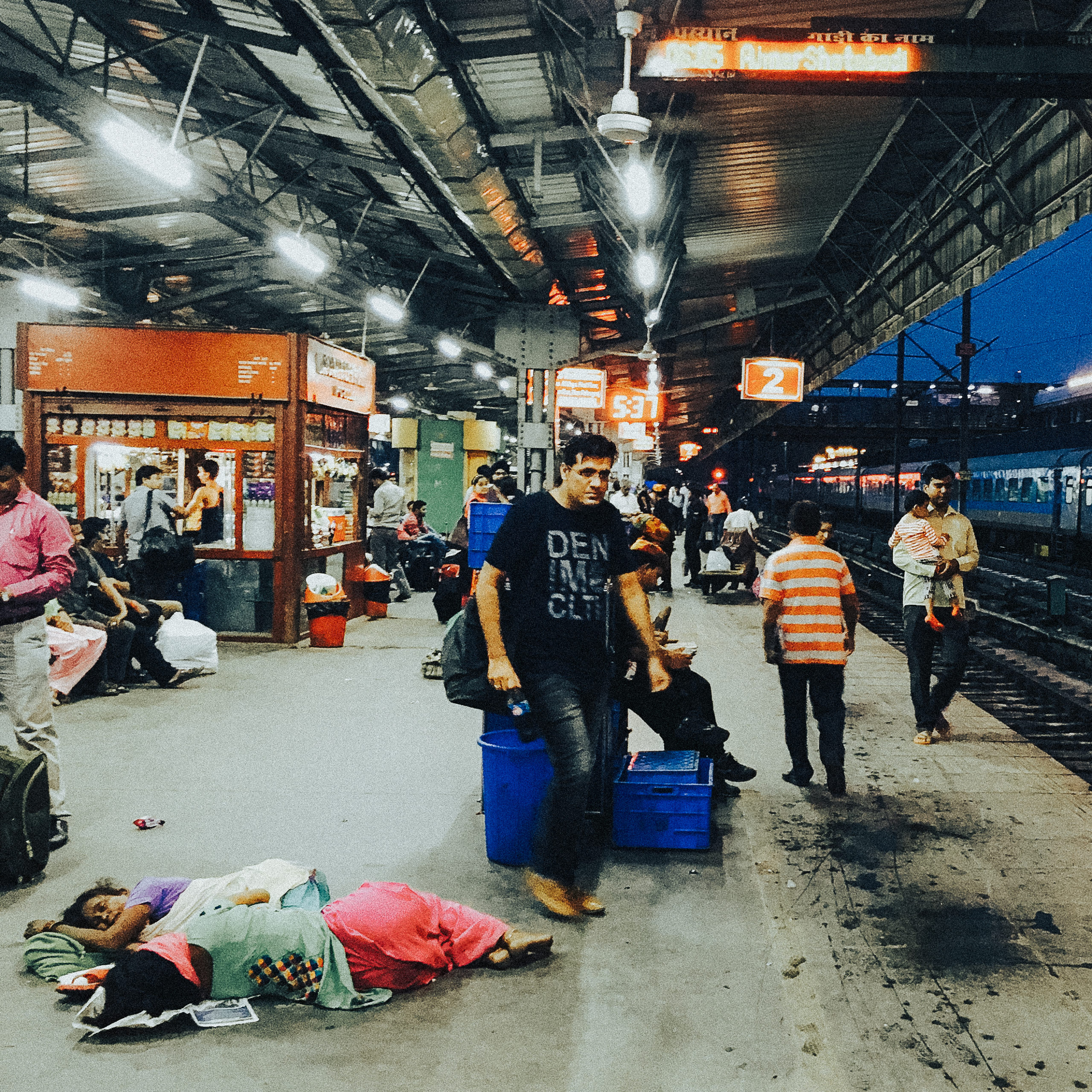
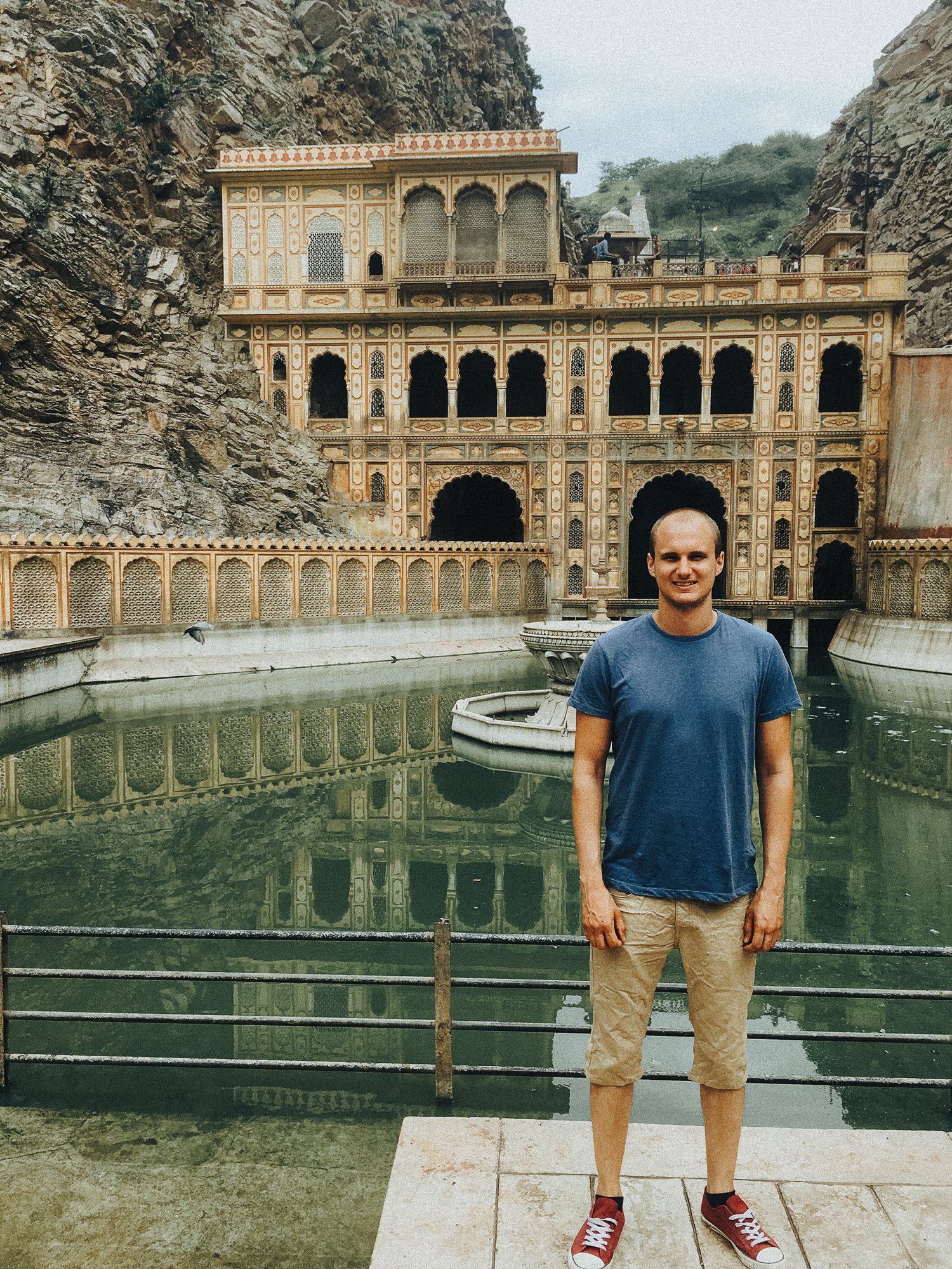
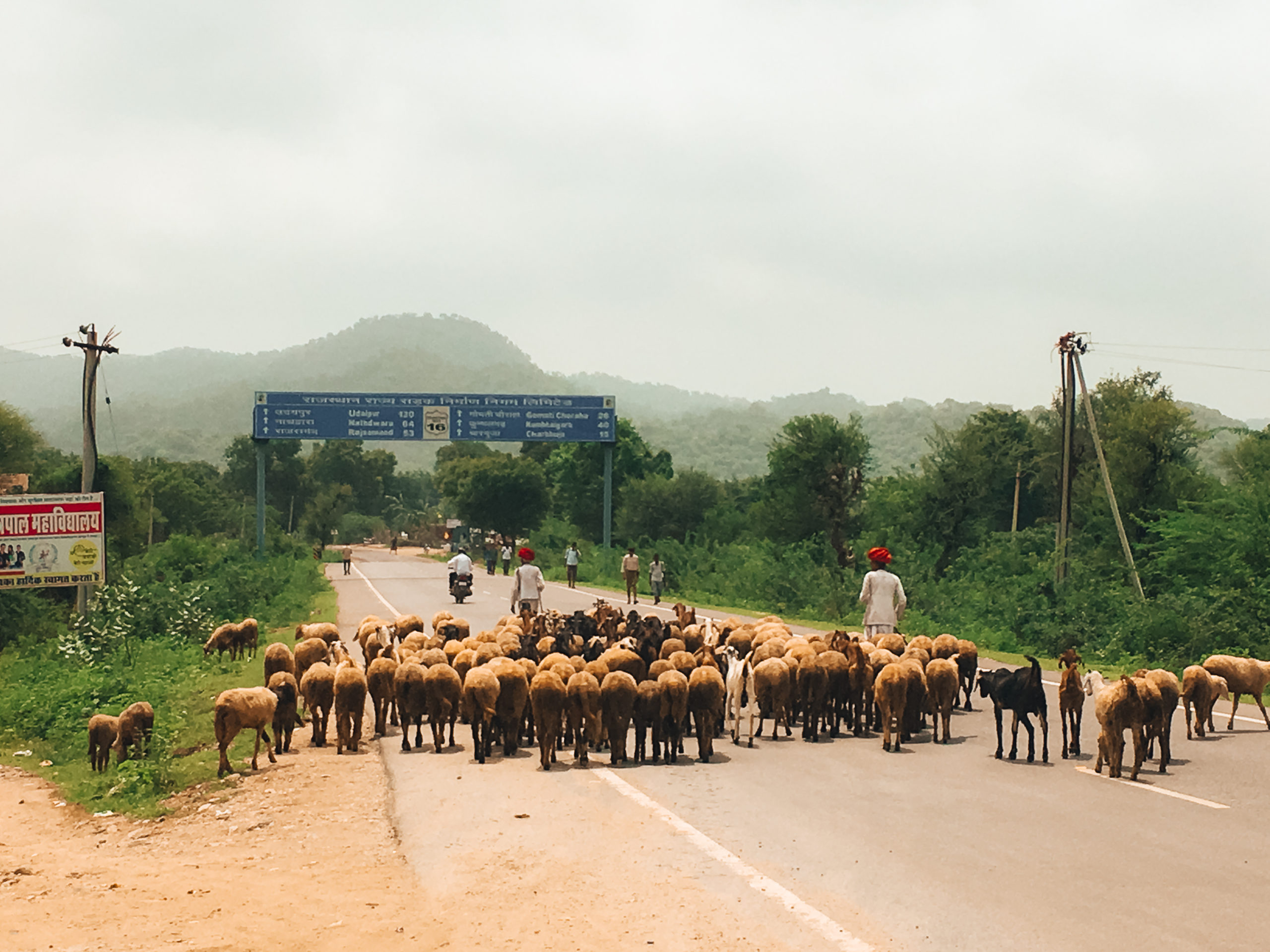
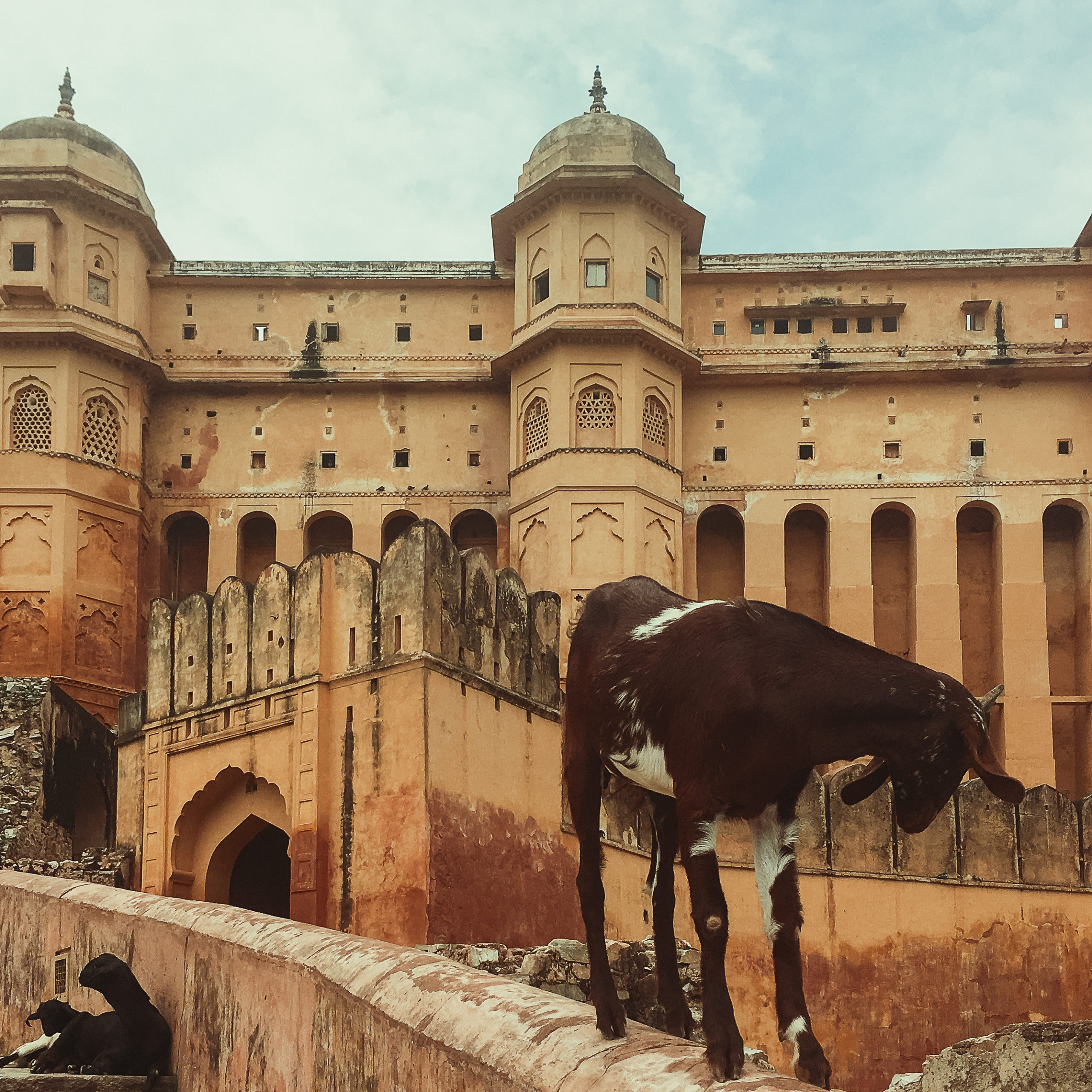
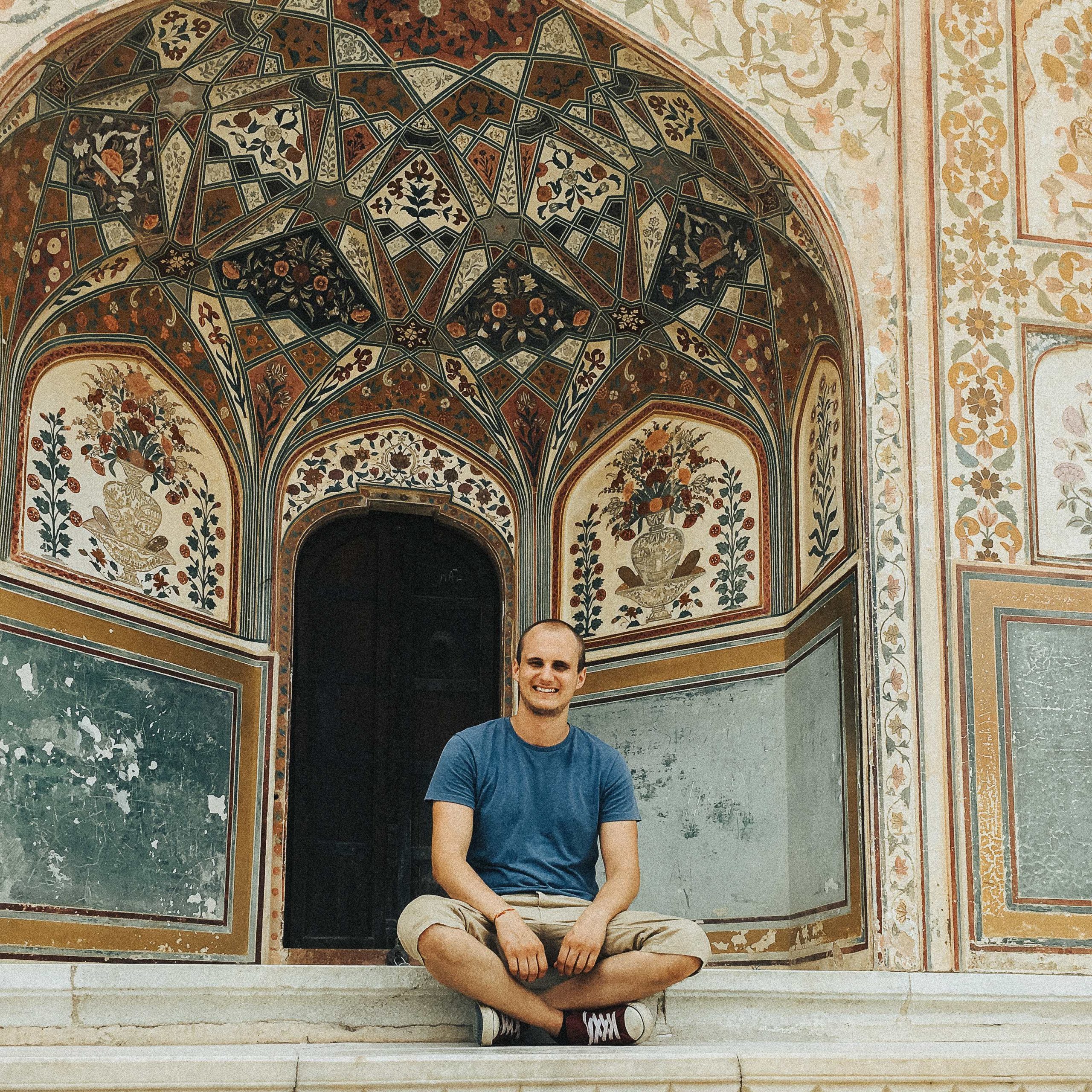
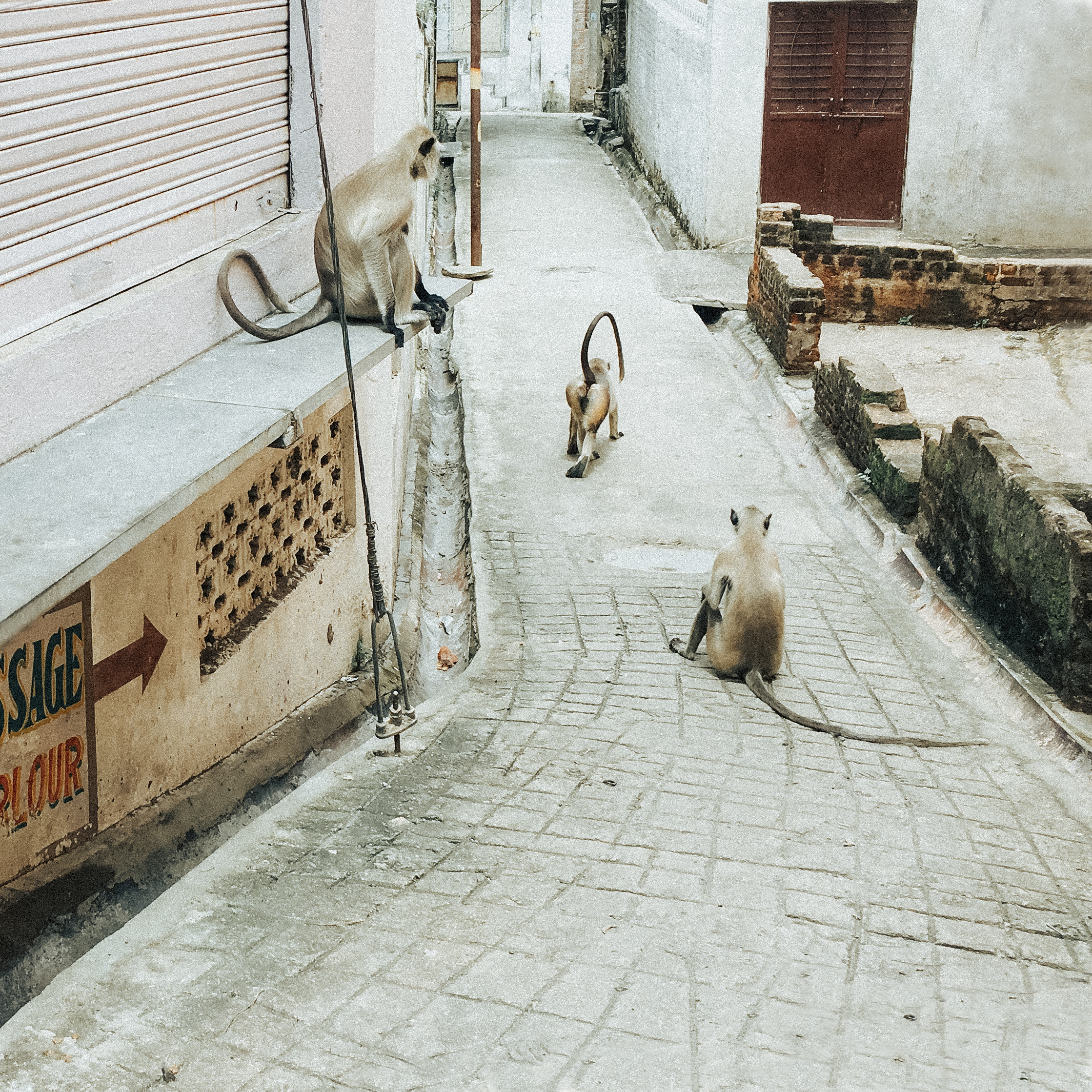
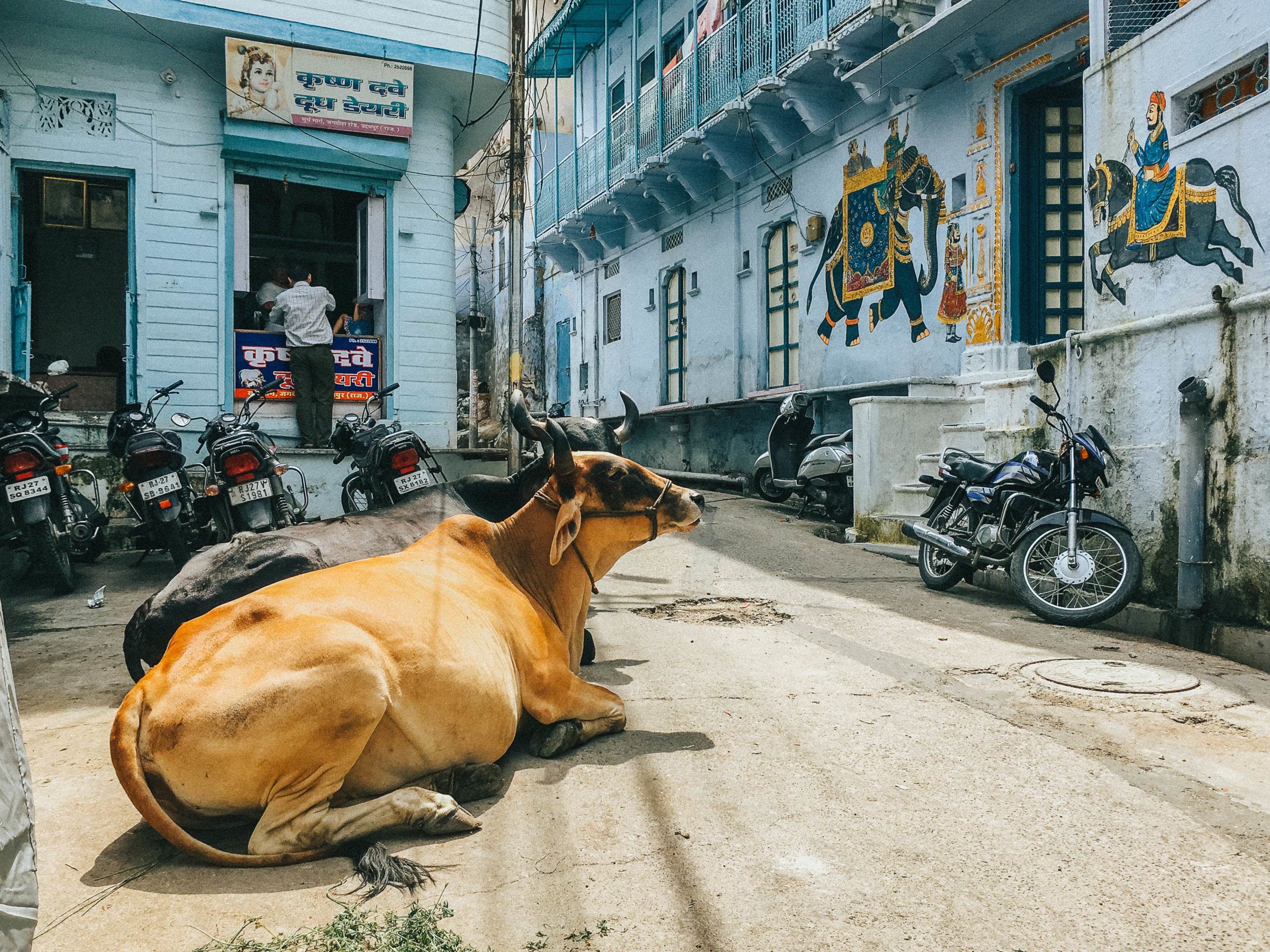
A note on the photos here: in a weird twist, when preparing this article I couldn’t find any photos I’d actually taken while in Kathmandu. I knew that I hadn’t taken many, it was the last stop on a long and very tiring trip across India and Nepal. I remember just wandering the streets, and enjoying the scenes, without even thinking about my camera. The photos I have included here are from earlier in that same trip. When I finally make it back to Kathmandu, I’ll update this!
An Excerpt from Kathmandu Killers
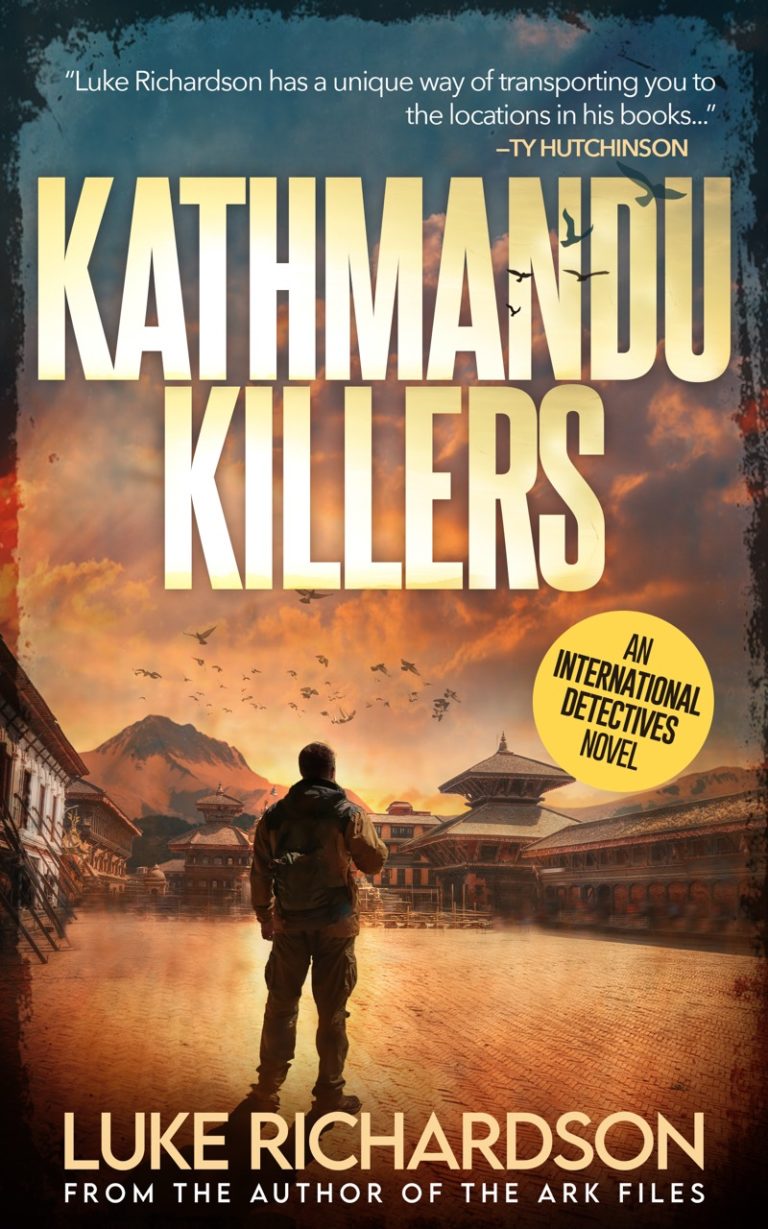
To introduce you to the city, here’s a chapter from Kathmandu Killers.
Sundown in Kathmandu
A blinding orange sun sank through a fragmented wall of clouds. Shafts of haggard, uncompromising light signalled the falling blanket of dusk. Behind the sprawling city, the silver backs of the Himalayas stood resolute.
The clang and yammer of daytime production muted as merchants, makers, and menders packed away the tools of their trade. A welder, a bicycle repairman, a tyre salesman. Their work for the day was now complete, and their concern for the hunger of their families met, for now.
In the upstairs windows, lights blazed. The smell of spice and onions replaced the odour of oil, paint, and rubber.
Two young men made their way through a backstreet. This city was a warren of such narrow thoroughfares, allowing people to scuttle unseen.
Concrete structures stood tall on both sides, leaving a narrow, dusty path. The going was difficult. The men knew it would be worth it, however. As they turned left at a crossroads, the narrow passage forced them into single file. They walked in silence.
The man in front lit a cigarette; it flared in the shadows.
The residents of the city were used to these people. A rabble of them had passed through their city, homes, and restaurants for as long as anyone could remember.
For some, it was the beginning of a journey — perhaps Pokhara, or Everest. For others, it was the end. A last stop before the road became impassable, inconvenient, or uncomfortable, and the flight home beckoned.
The men walked towards the end of the passage, a dead end — the concrete wall of a building. Its ugly construction looked bulky and mysterious in the darkness. Pipes and wires bulged like veins across its skin. The men knew what they sought, however. They had been there before.
All they had to do was look for the light. A bare bulb, swinging on its wire and encircled by insects, hung above a door. It was the only thing that separated the door the men were seeking from any other.
The men saw the light and hurried onwards. The door opened before the men reached it. A waiter with an oily smile stood in the gloom. Nodding as they entered, the waiter showed them to a table in the dark room. The small restaurant was kept dark on purpose.
“You want the lamb? We have the lamb again,” the waiter said when the men were seated. The men nodded, ordered beers, and resumed their conversation.
They were moving on the next day, out into the mountains, hiking somewhere. The waiter couldn’t work out where, even in the quiet of the empty restaurant. The waiter placed bottled beers on the table; neither of the young men looked up. Then he hung back in the shadows, listening.
“Looking forward to leaving this city…” one man said to the other.
“Yeah, it’s not been…”
From the scraps of conversations, the waiter made a decision.
“There are so many other places…”
“We’re getting out tomorrow…”
The oily grin ran across his face as he clicked a switch on the wall. The light outside — look for the light — died into darkness.
In the restaurant, the men ate wordlessly. The lamb was as spectacular as ever. Perfectly spiced, sizzling, succulent, and fresh. They abandoned cutlery and ate with their hands, grabbing at the meat by its bones, skin, and muscle.
Although meat was served in Nepal, it wasn’t the norm. The pair had been in the city a few days, and they had seen nothing like the lamb served at the backstreet restaurant.
“They get it from the mountains,” they’d been told by a guy they had met on their first afternoon in the city.
“It’s the best meat in Nepal, if you can find the place. The lambs live up in the mountains where they eat wild grasses and breathe the fresh air. That’s what makes them so big and strong. Most restaurants here don’t serve it — or save it for their best customers. This place, if you can find it, is amazing.”
Later that evening, they’d followed the guy’s directions down the passageways, each one smaller than the last. By some luck, they found their way to the dark door advertised only by the bare bulb.
They had been back three times since. The waiter with the oily smile had greeted them each time, and each time they had ordered the succulent, delicious Himalayan Lamb.
From the kitchen door, the waiter stood and watched. One man tore meat from a long bone with his teeth, while the other picked at it like a vulture devouring an abandoned carcass. When they’d finished eating, the waiter collected the dishes.
The men stretched backwards, resting their full stomachs. Sweat mottled their pink foreheads.
“You want our special smoke?” the waiter asked.
The men looked at each other.
“We have to catch a bus early in the morning.”
“It’s free because you are special customers, coming back again. It’s a family tradition,” the waiter insisted.
The men exchanged smiles. They were in Kathmandu. How could they refuse?
The waiter returned with a large, ornate hookah pipe. Liquid gurgled as the men drew on the pipe, inhaling the sweet smoke. The coal glowed red like the eyes of a devil.
“With our compliments,” the waiter said, melting into the gloom.
Luke's Kathmandu FAQ
Where should I stay in Kathmandu?
Most visitors base themselves in Thamel, the backpacker district in the heart of the city. It’s a labyrinth of narrow alleys packed with guesthouses, trekking gear shops, restaurants, and stalls selling everything from prayer beads to bronze Buddha statues. It can feel overwhelming at first, but that’s part of the charm – and if you do get lost, tiny taxis will zip you back to your hotel for less than a dollar.
What are the must-see sights in Kathmandu?
Four sights stand out. Pashupatinath, Nepal’s holiest Hindu temple on the banks of the Bagmati River, is extraordinary at dusk when the cremation pyres are lit. The Boudhanath Stupa is an enormous Buddhist monument that really does need to be seen in person. Swayambhunath — better known as the Monkey Temple — offers sweeping views over the valley (and yes, the monkeys are in charge). And Freak Street, the legendary heart of the 1960s Hippy Trail, still has plenty of character to soak up.
How do I get to Kathmandu from Pokhara?
Can I see the Himalayas without trekking?
What should I do beyond Kathmandu city?
Is Kathmandu safe for travellers?
Kathmandu is generally welcoming to visitors and is a popular base for travellers from around the world. As with any busy city, sensible precautions apply — keep an eye on your belongings in crowded areas like Thamel, use registered taxis, and trust your instincts. It’s also worth being aware of the human trafficking issues affecting vulnerable women and girls in the region, which several charities work to combat; supporting responsible local businesses and ethical tour operators is a small way to help.
My photo gallery
Map
Napal setting
Also in Asia
Read more from Napal
Want to hit the road with me?
This is your chance to travel with me, to share my adventures, and find out what I’m working on.