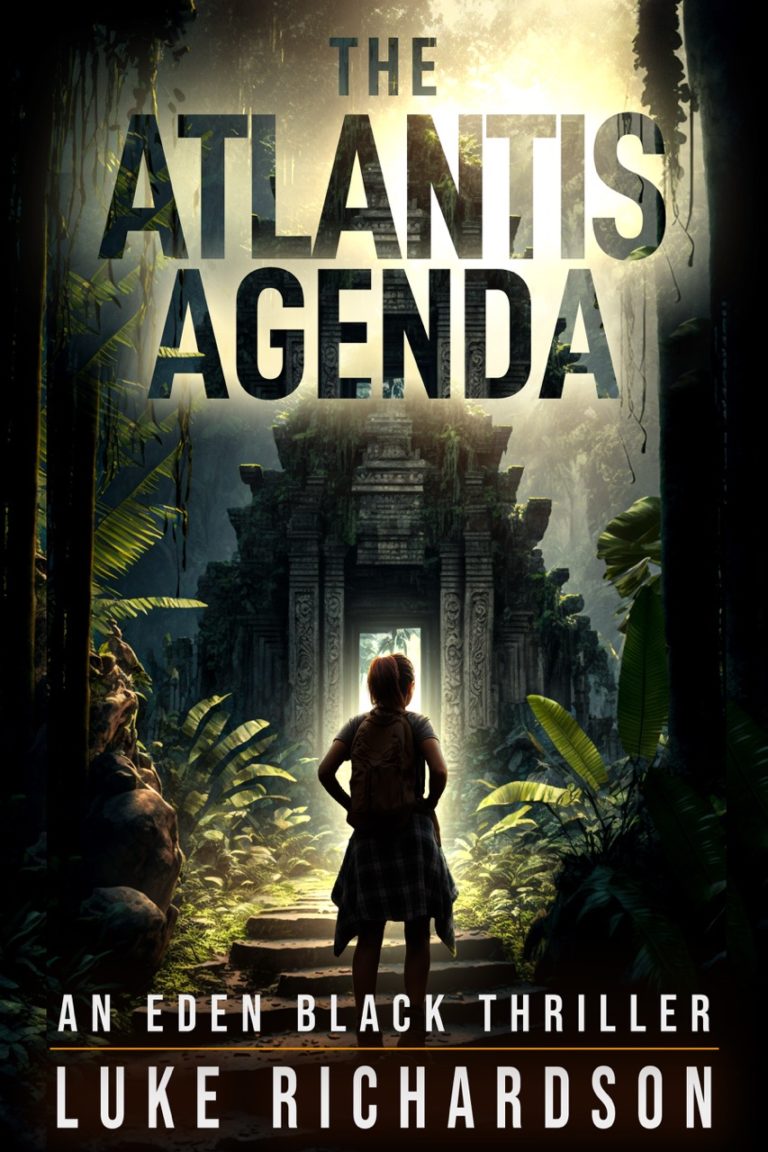
Mrs R and I visited Mexico to research for The Atlantis Agenda, the third book in my Eden Black Archaeological Thriller series. I’d wanted to visit for a long time, and when the chance came to set a book there, I jumped at it without hesitation.
A Country That Wears Its History Openly
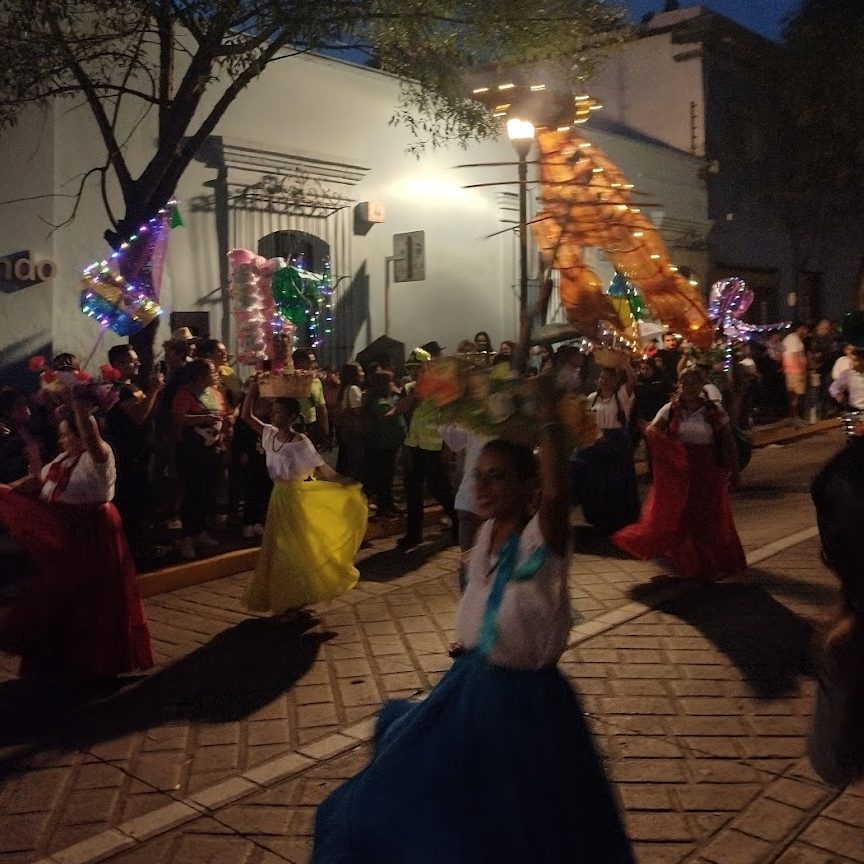
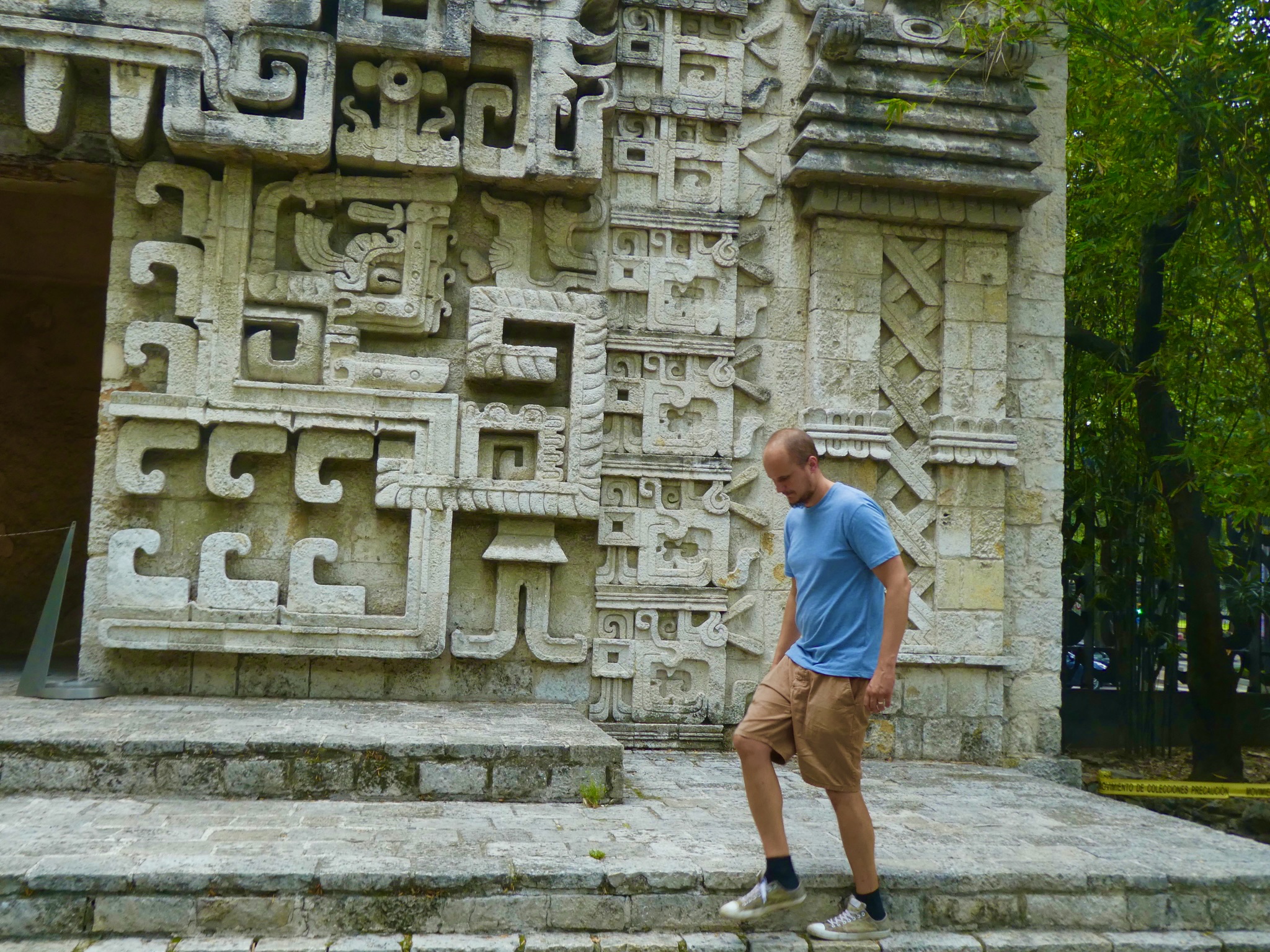
As an archaeological thriller writer, Mexico is almost overwhelming in what it offers. Ancient civilisations that predate the Aztecs by thousands of years, pyramids that dwarf the ones in Egypt, and colonial cities built on top of indigenous temples. It’s a culture that wears its history openly, in its food, its festivals, and its streets. For someone who makes a living turning the past into stories, it’s difficult to know where to begin.
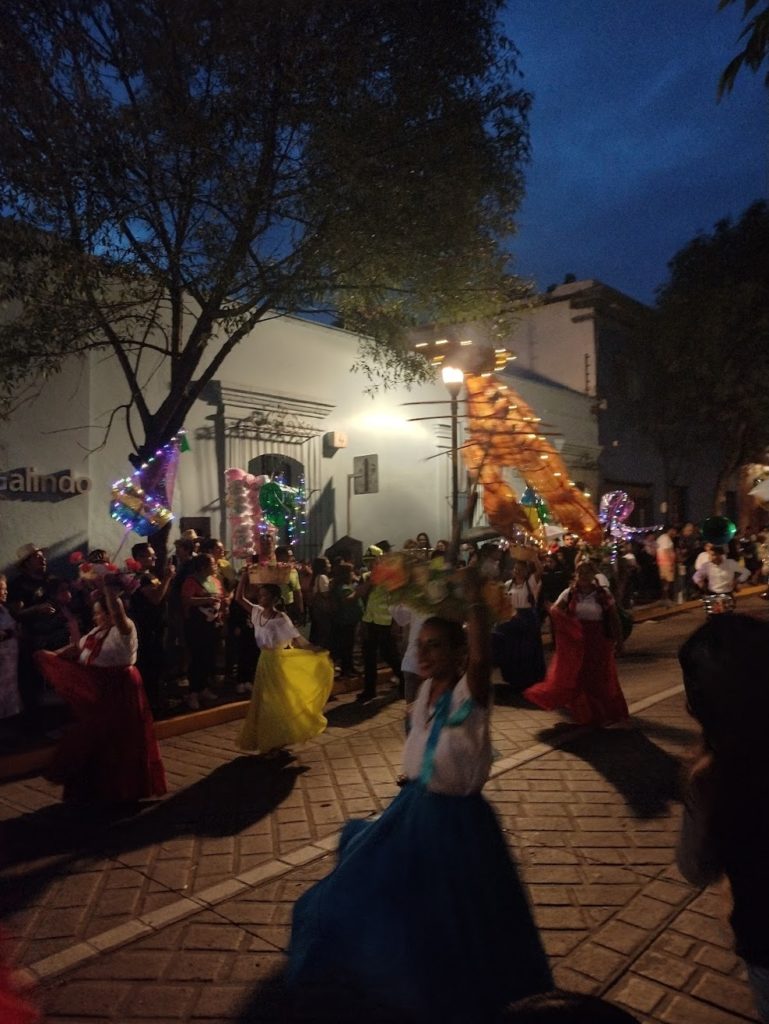
Which brings me to the question of scale. Mexico is vast — genuinely vast, in a way that’s easy to underestimate before you go. In a month of travelling we barely scratched the surface, focusing mostly on the centre of the country before finishing on the Pacific coast. The Caribbean, the Yucatán Peninsula, the north of the country — each of those is a separate trip entirely, and we left them deliberately for another time. That’s always been our approach to travel: better to go deep into a few places than to skim across many. Racing from tourist spot to tourist spot and ticking things off a list doesn’t interest us, and it tends to produce a thin kind of experience — plenty of photographs, not much understanding. Leaving something for next time is never a failure — it’s a reason to return.
What followed was one of the best trips we’ve ever taken — a journey through ancient civilisations, strange history, beautiful colonial towns, and food that I still think about on a regular basis.
Travelling Mexico by Bus
We travelled almost entirely by bus, which in Mexico is a far more pleasant experience than in other parts of the world. The long-distance coaches that cross the country are comfortable, air-conditioned, and equipped with wifi — closer to a budget flight than the rattling local buses you might be imagining. We rarely booked in advance, usually just turning up at the bus station the day before we wanted to move on and taking whatever was available. It worked every time. You can fly between Mexican cities, and sometimes it makes sense to do so, but there’s something about travelling overland — watching the landscape change through the window, feeling the distance between places — that flying simply can’t replicate. The journey is part of the trip, and in Mexico, the journey is often extraordinary.
Mexico City: Condesa and the Castle on the Hill
We arrived in Mexico City and settled into the Condesa neighbourhood, which immediately felt like the right choice. Tree-lined streets, independent cafés, and a pace of life that invites wandering rather than rushing.
On our first morning we walked through the city to the Plaza España, passing through genuinely lovely city squares where you can escape the heat of the day and watch the city go about its business. Mexico City has wonderful green spaces, and Condesa puts you right in the middle of them.
Chapultepec Castle
From the neighbourhood it was easy to reach two of the city’s highlights.
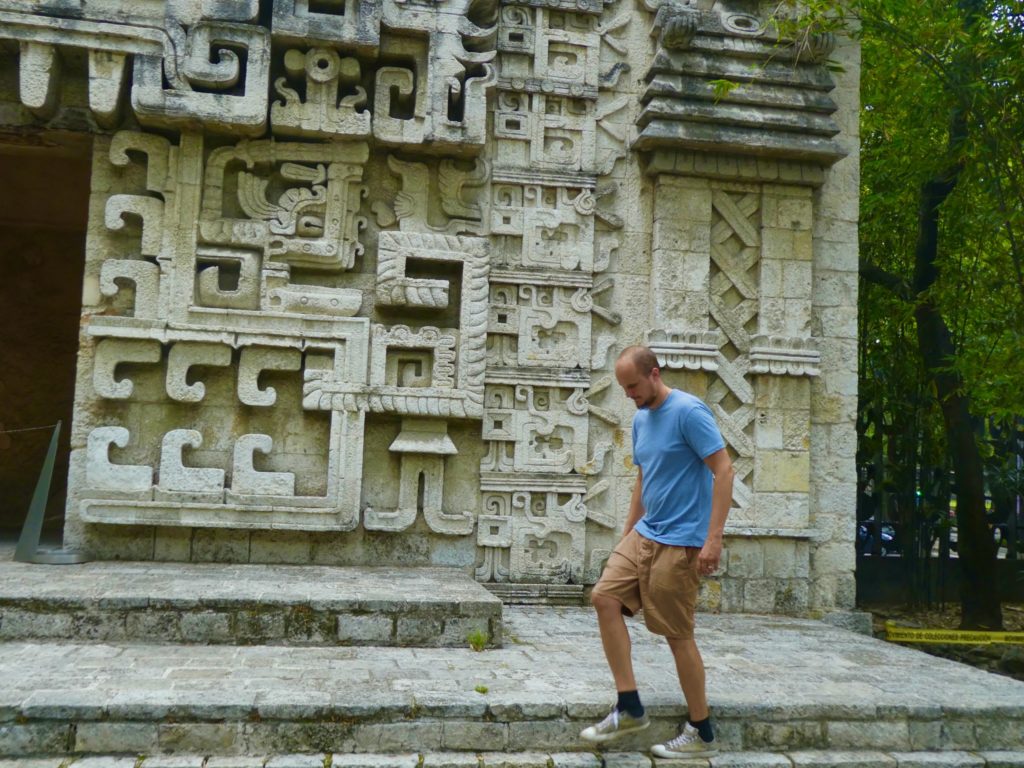
Chapultepec Castle — a hilltop palace that has served as an imperial residence, a military academy, and Mexico’s National History Museum — offers extraordinary views across the city and a fascinating crash course in Mexican history.
The National Museum of Anthropology
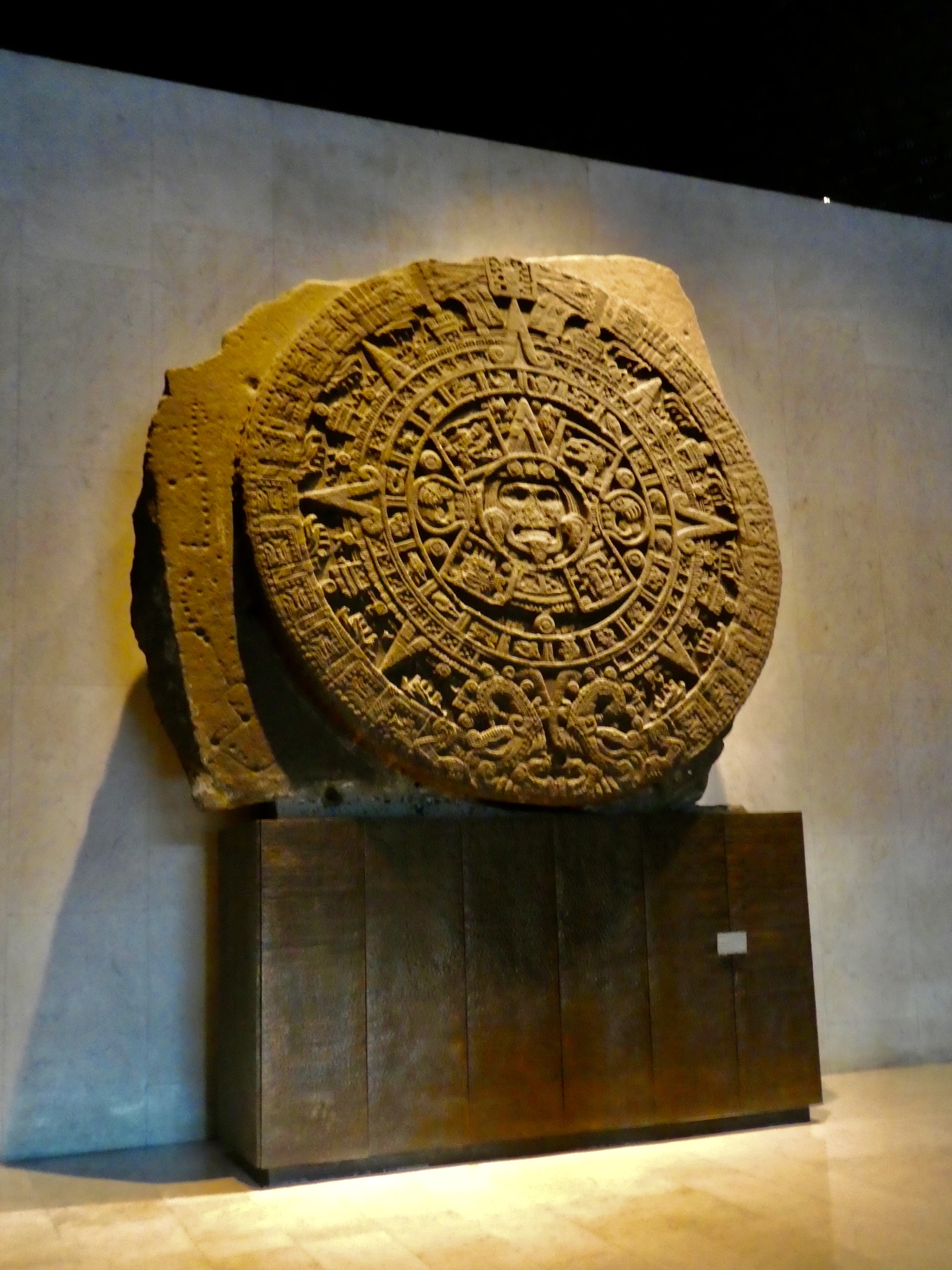
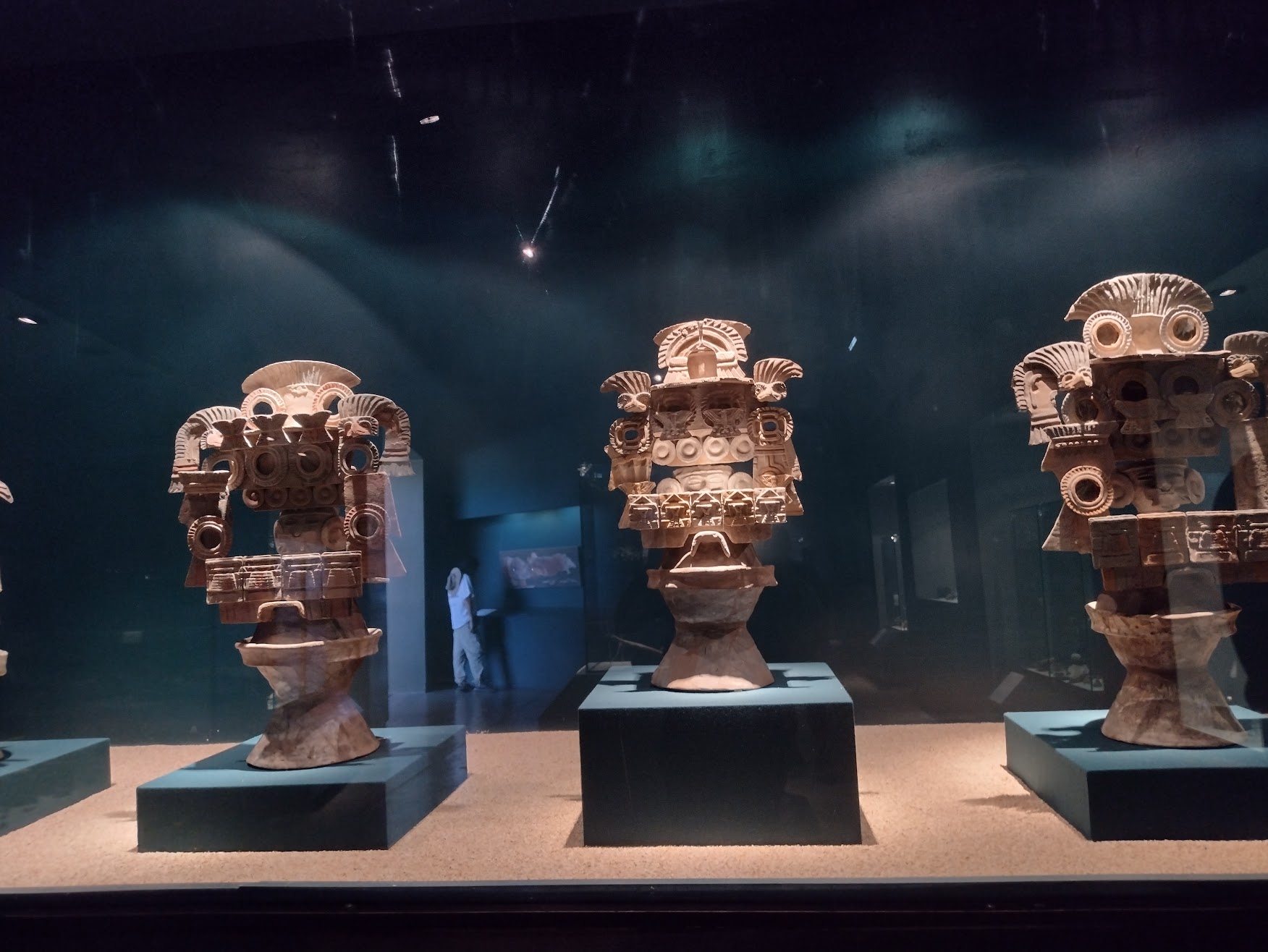
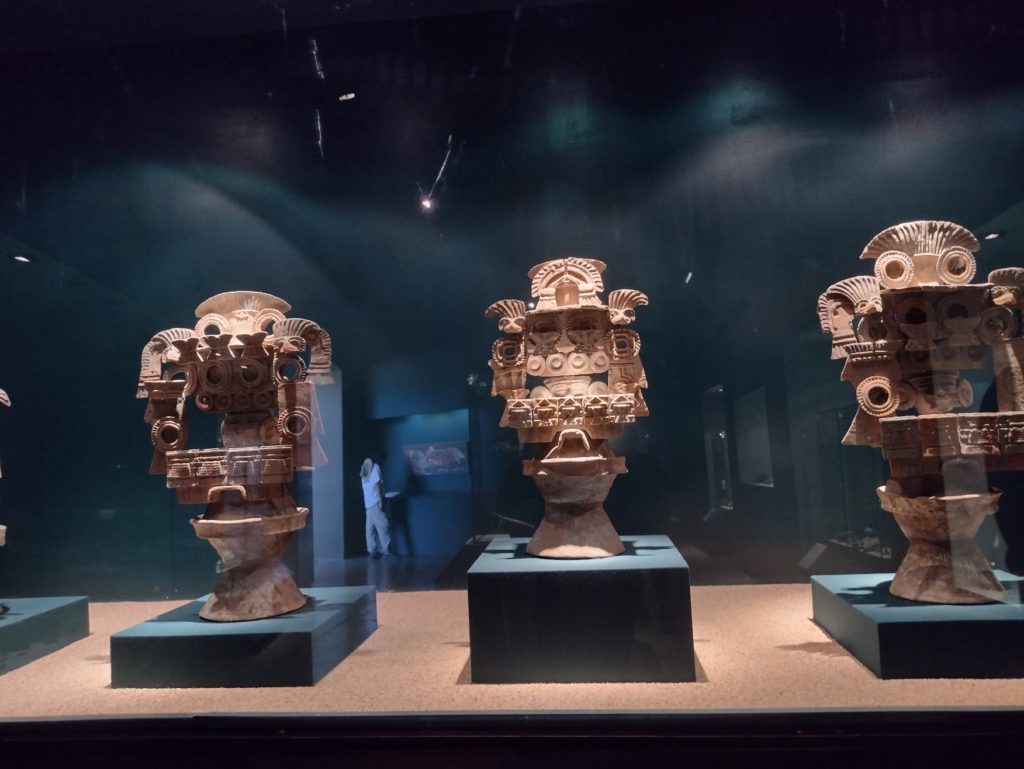
Nearby, the National Museum of Anthropology is one of the great museums of the world, housing an astonishing collection of pre-Columbian artefacts including the famous Aztec Sun Stone and objects from every major civilisation that flourished in Mexico before the Spanish arrived.
As an archaeological thriller writer, I love to explore places like this and read about the stories behind the objects — that’s a place to get inspired for sure.
If you only have one afternoon for a museum in Mexico City, this is the one.
Teotihuacán: The City That Nobody Can Explain
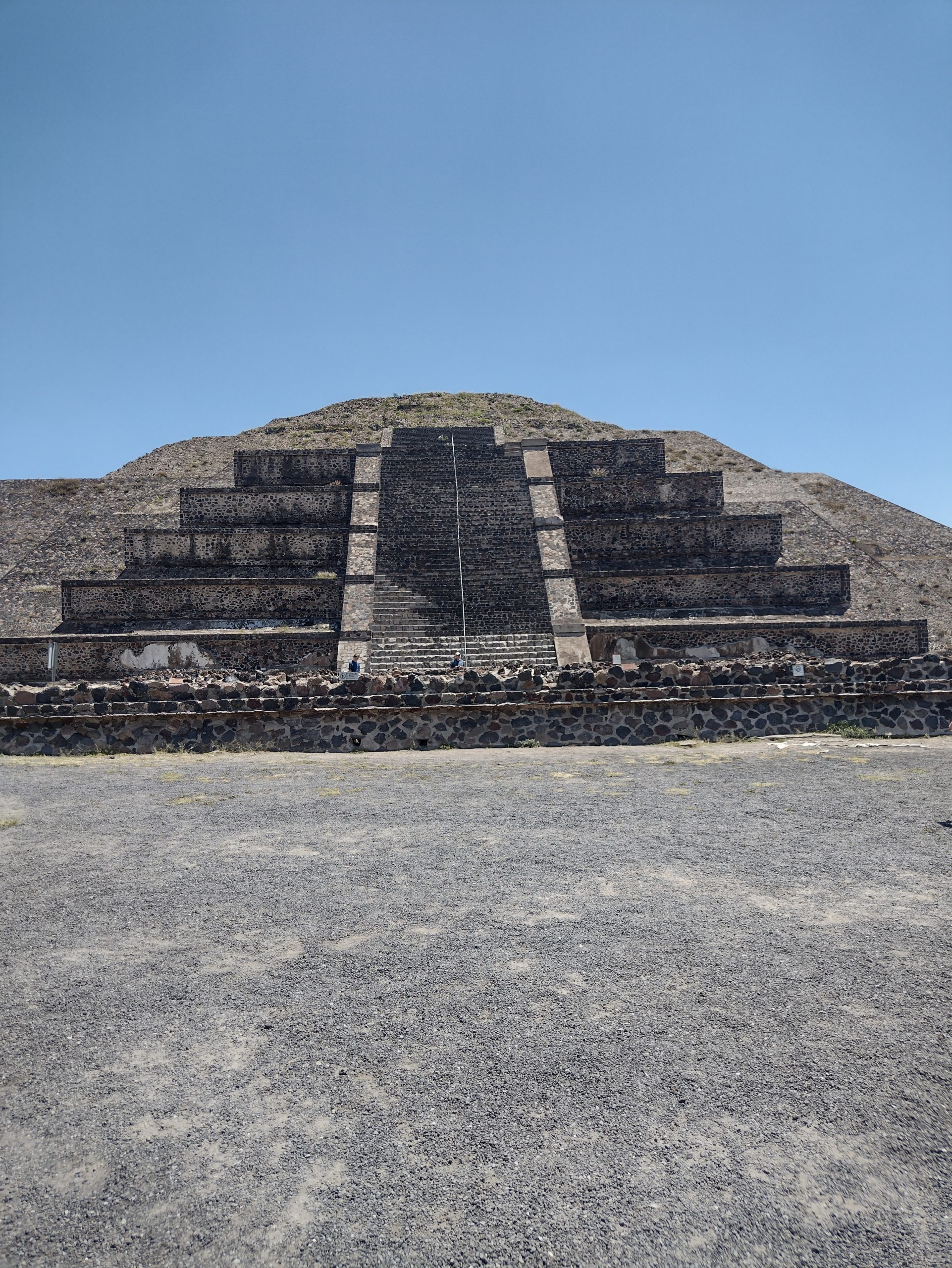
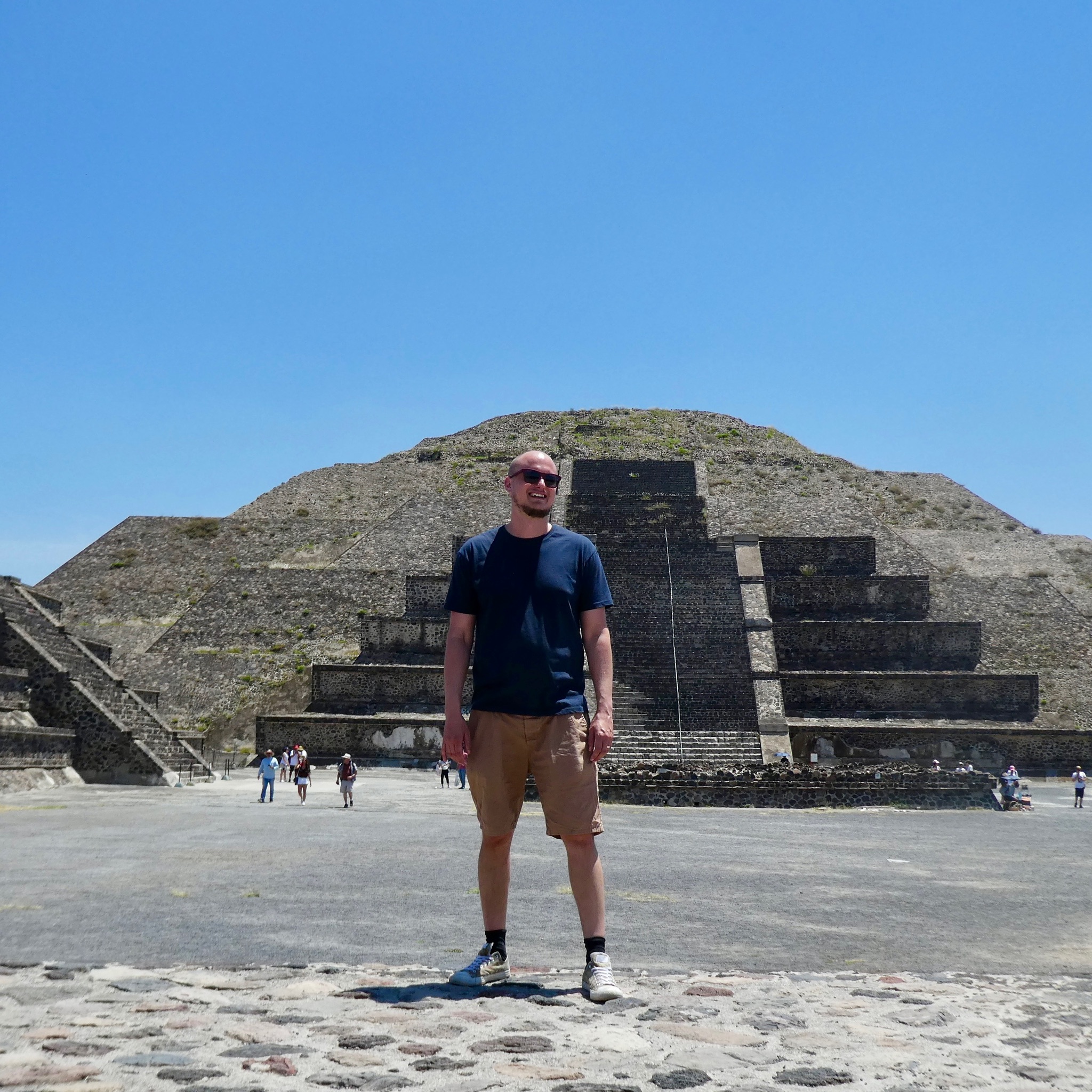
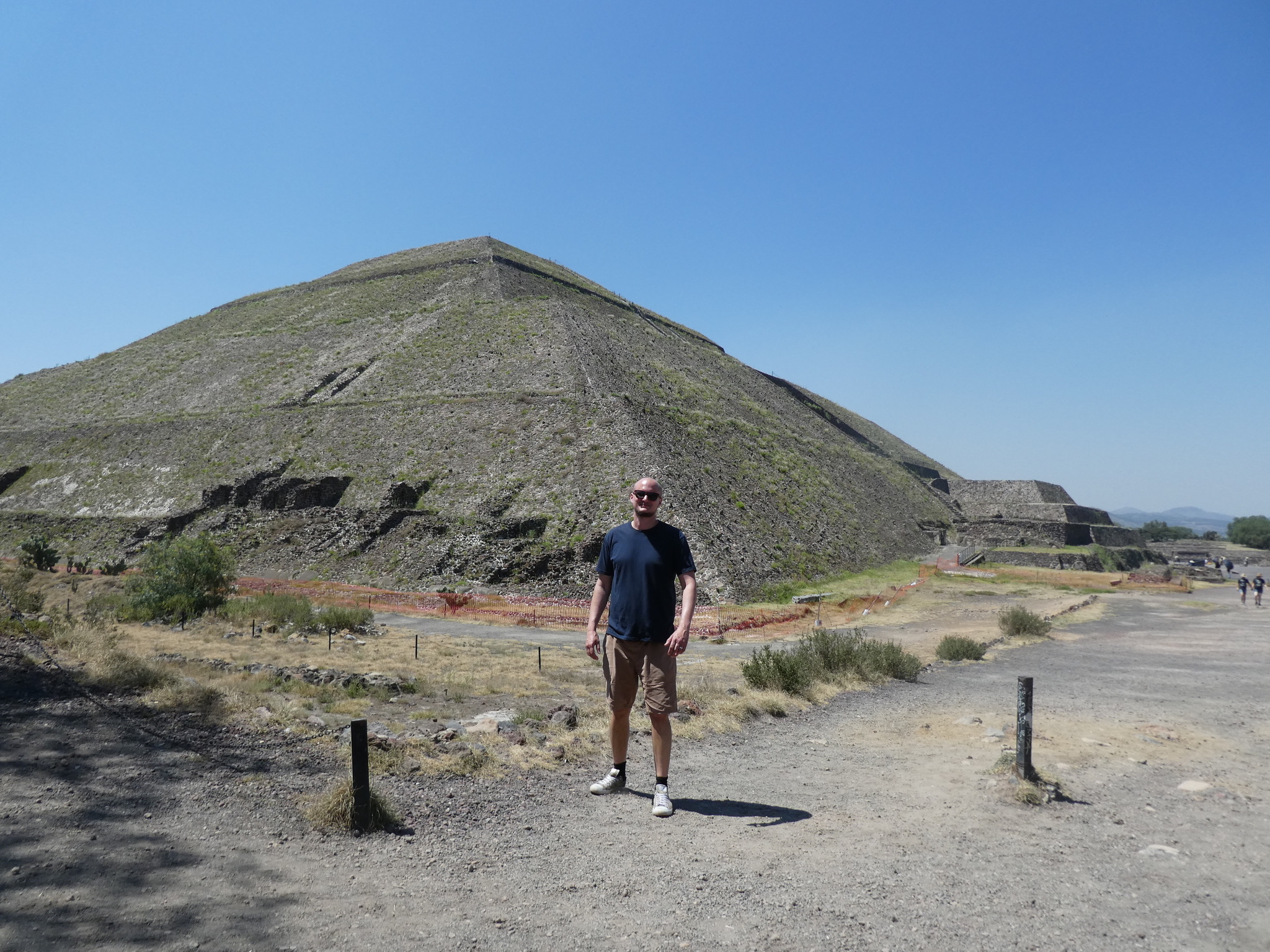
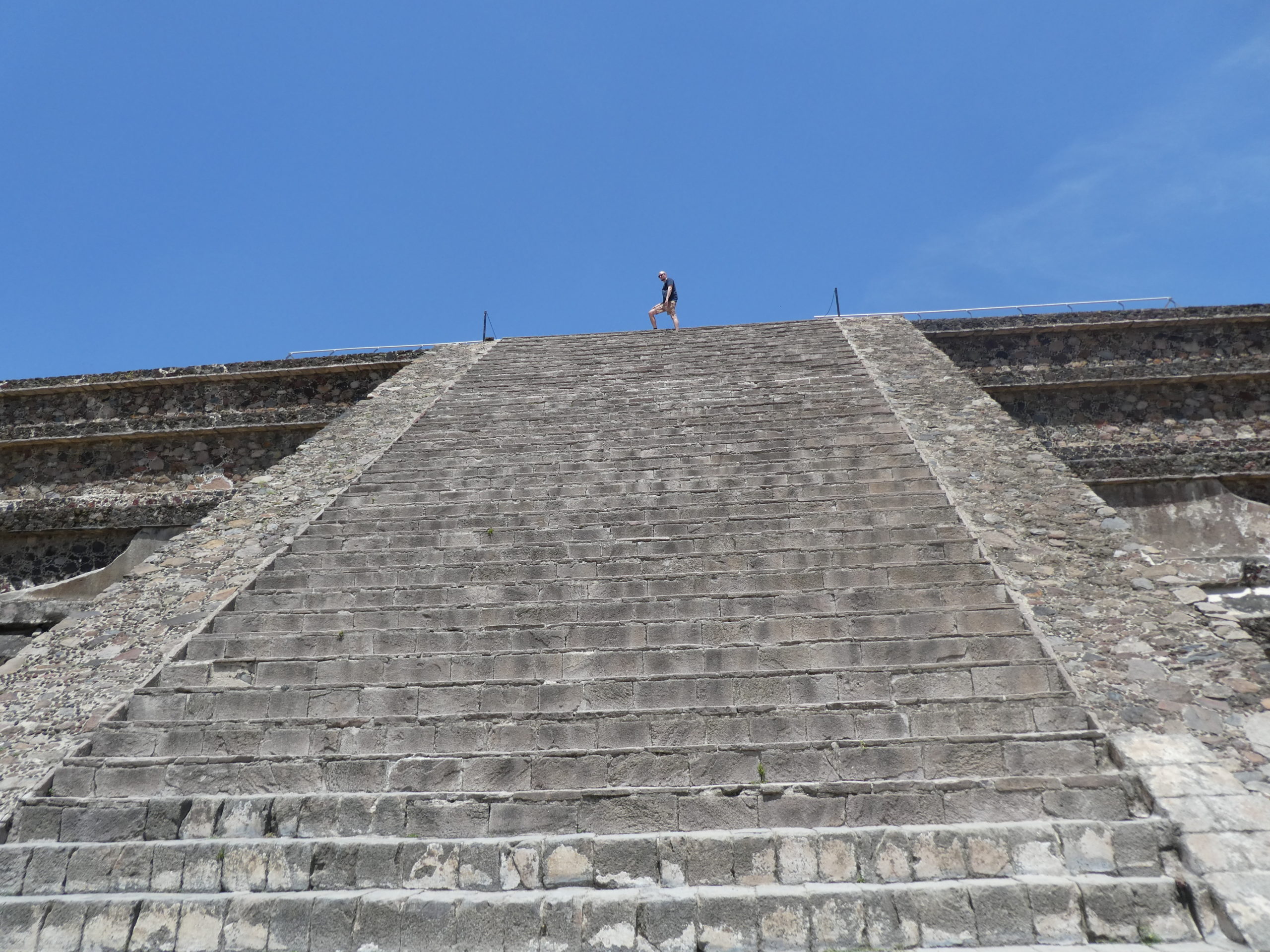
From Mexico City we made the short journey to Teotihuacán. At the time I was halfway through writing my book set there and wanted to make sure I had the details right. Looking up at the Pyramid of the Moon, and then walking up the Avenue of the Dead toward the Pyramid of the Sun, it really does make you think differently about the ancient world.
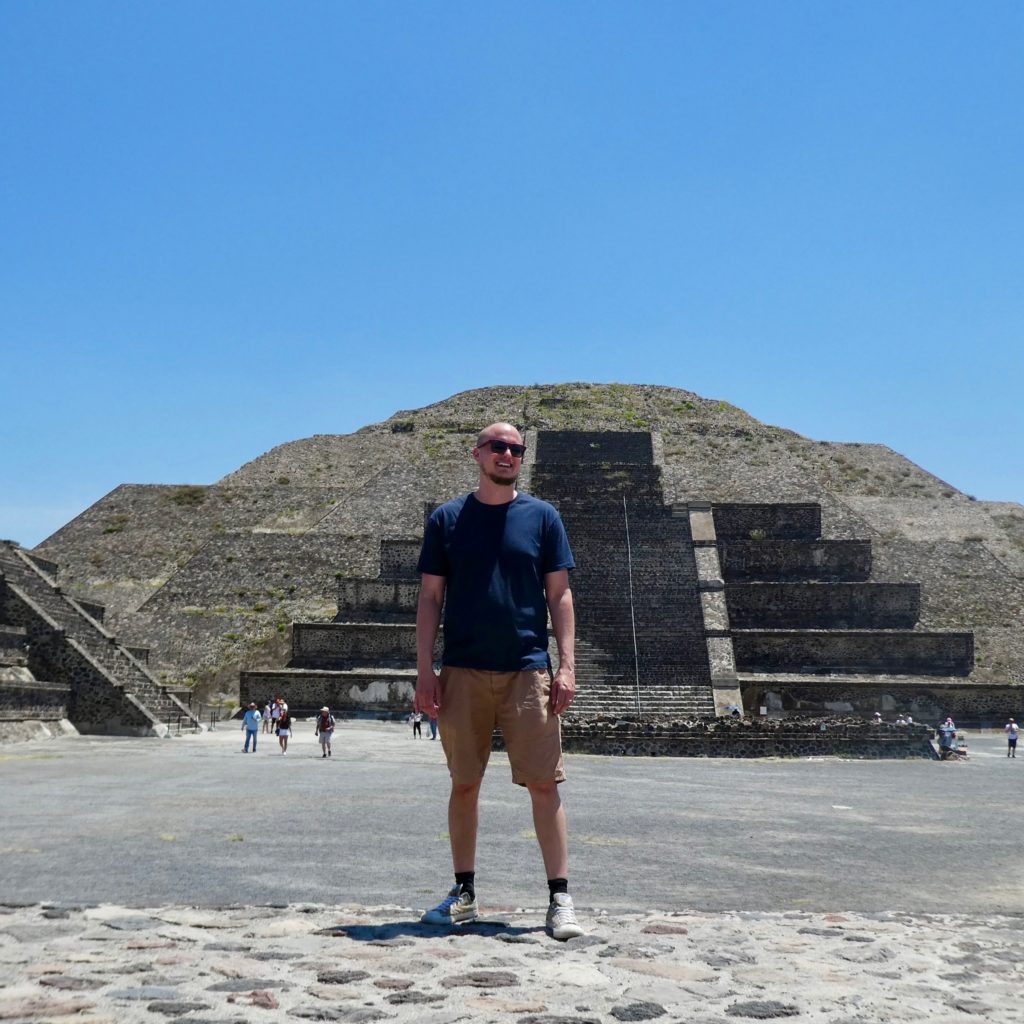
Flourishing between the 1st and 7th centuries CE, Teotihuacán was one of the largest cities on earth at its peak — home to perhaps 125,000 people, with sophisticated urban planning, and intricate murals that still retain their colour. The Pyramid of the Sun is the third largest pyramid in the world and the Avenue of the Dead stretches two kilometres through the heart of the city. It is vast, extraordinary, and because we still don’t know that much about it, deeply mysterious.
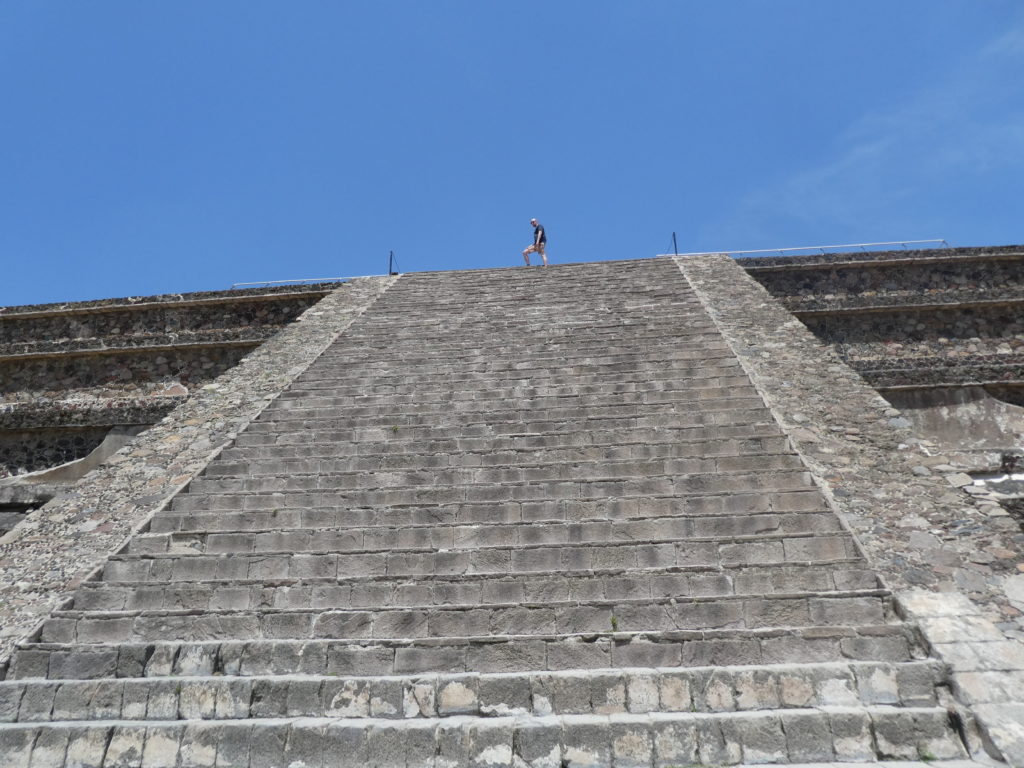
The city was already ancient and abandoned by the time the Aztecs arrived, and they named it Teotihuacán, meaning “the place where the gods were created.” They had no idea who its builders were. We still don’t. Walking through those structures and knowing that the people who created them remain essentially unknown to history made me think: if a civilisation this large and this sophisticated can be so thoroughly forgotten, what else might be out there that we know nothing about at all? And, slightly depressingly, will the same thing happen to us in a few thousand years’ time?
New Discoveries Beneath the Pyramid of the Moon
Although it’s an ancient site, details are still being uncovered. In 2018 researchers using ground-penetrating scanning technology made an extraordinary discovery beneath the Pyramid of the Moon — a hidden tunnel leading to a previously undiscovered chamber. Archaeologists believe the space was used for rituals, and that the tunnel was deliberately designed to represent the underworld — a place where, in Teotihuacán’s belief system, life, plants, and food were created. Previous excavations had already found skeletons, objects made of green stone, necklaces, and anthropomorphic figurines in earlier tunnels beneath the same pyramid. What else remains sealed beneath the site, nobody knows, although my imagination has some theories.
San Miguel de Allende: The Town Steven Told Us About
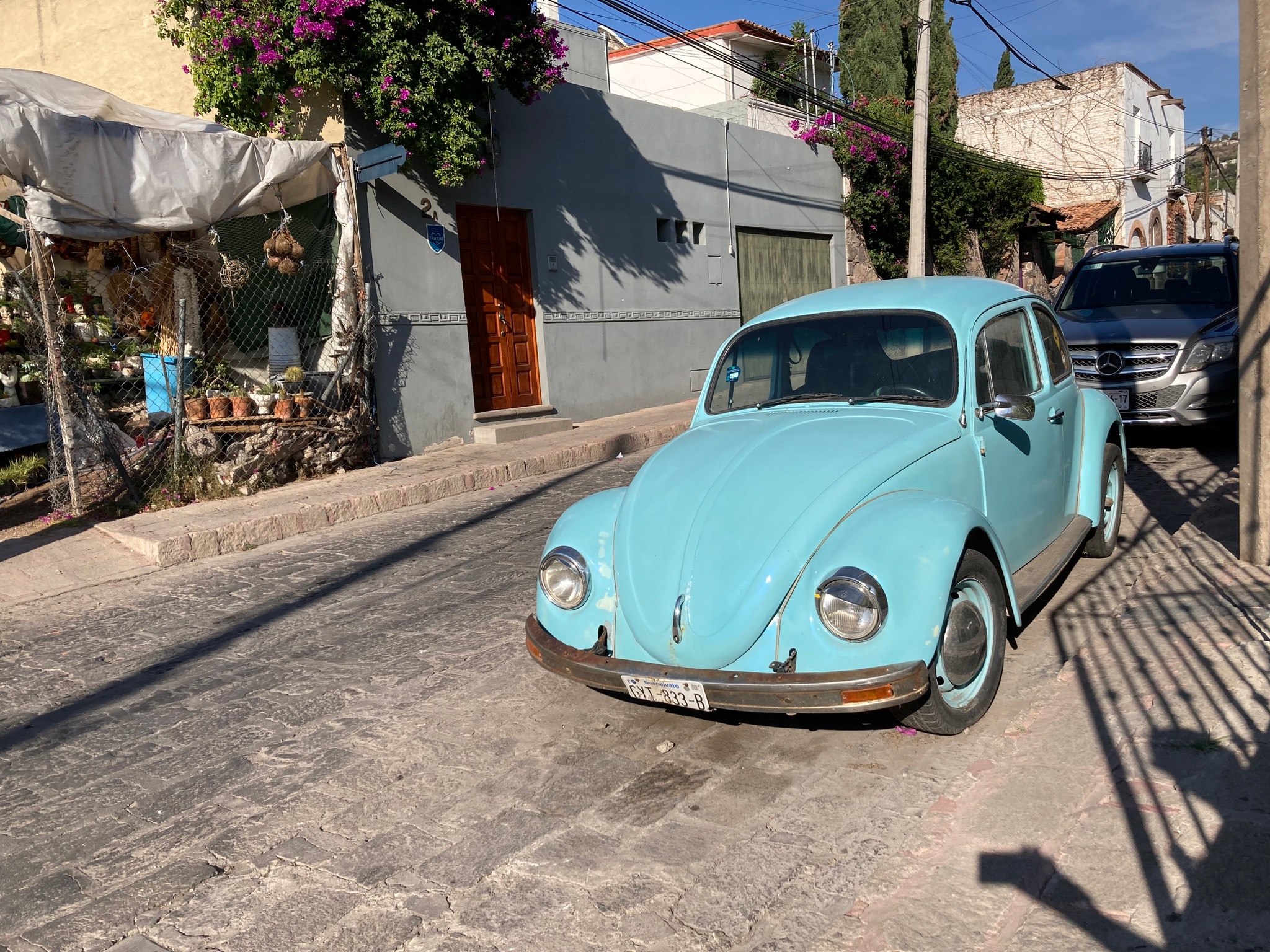
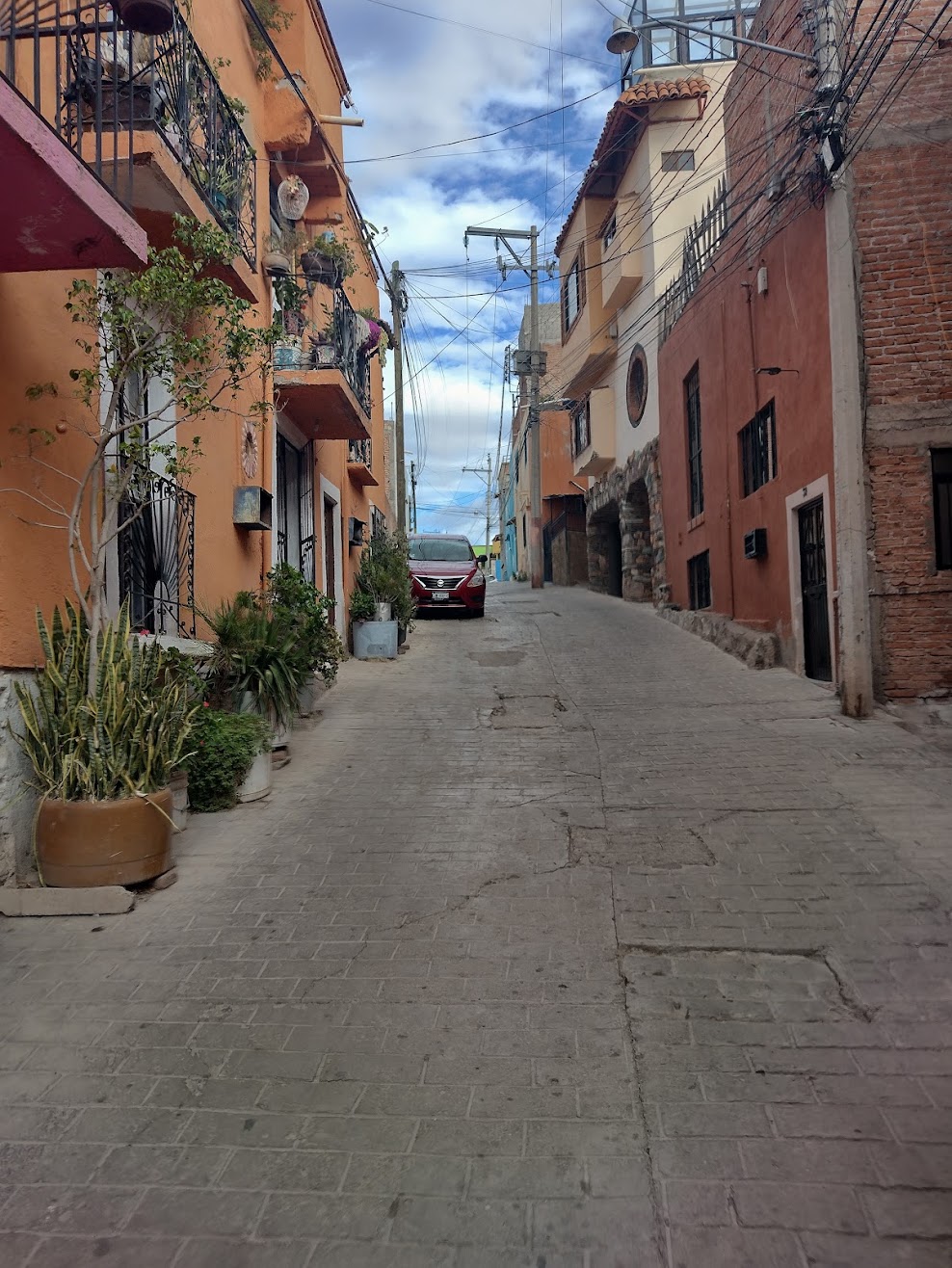
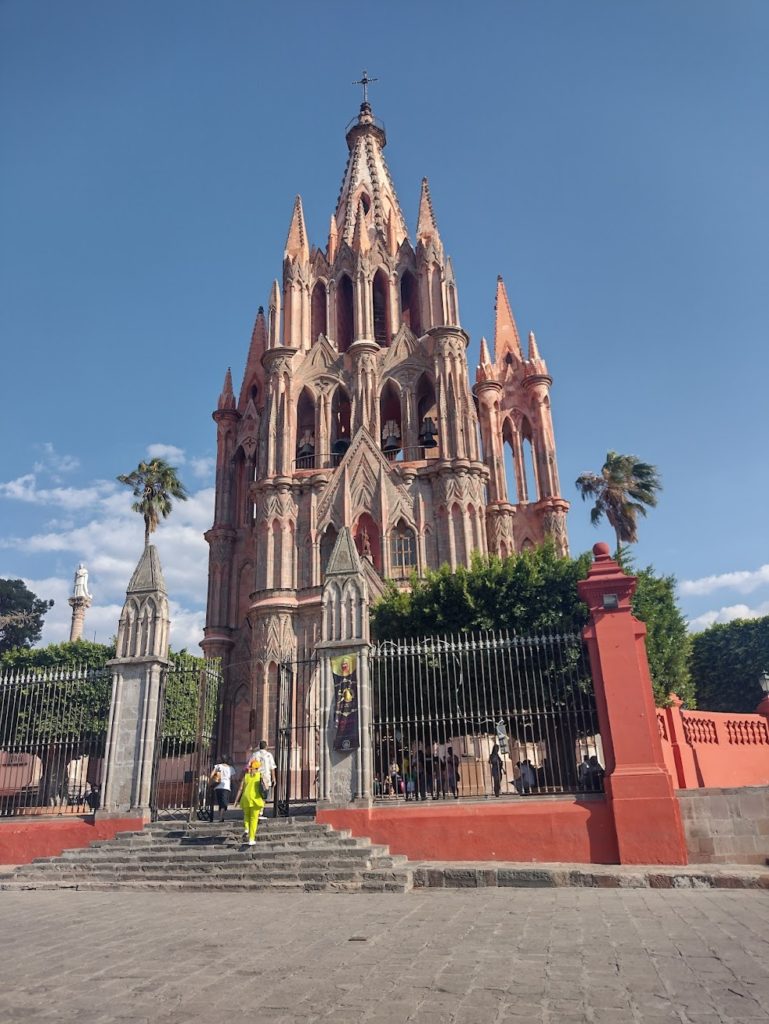
From Mexico City we moved on to San Miguel de Allende, on the recommendation of fellow thriller writer Steven Moore. Steven, who lived there for almost ten years, said we had to visit as it’s one of most beautiful, and fun, cities in the country. Steven was right. The entire old town was declared a UNESCO World Heritage Site in 2008, and wandering its cobblestone streets it’s easy to understand why. The buildings, painted in rich ochres and pinks, look like something out of a postcard.
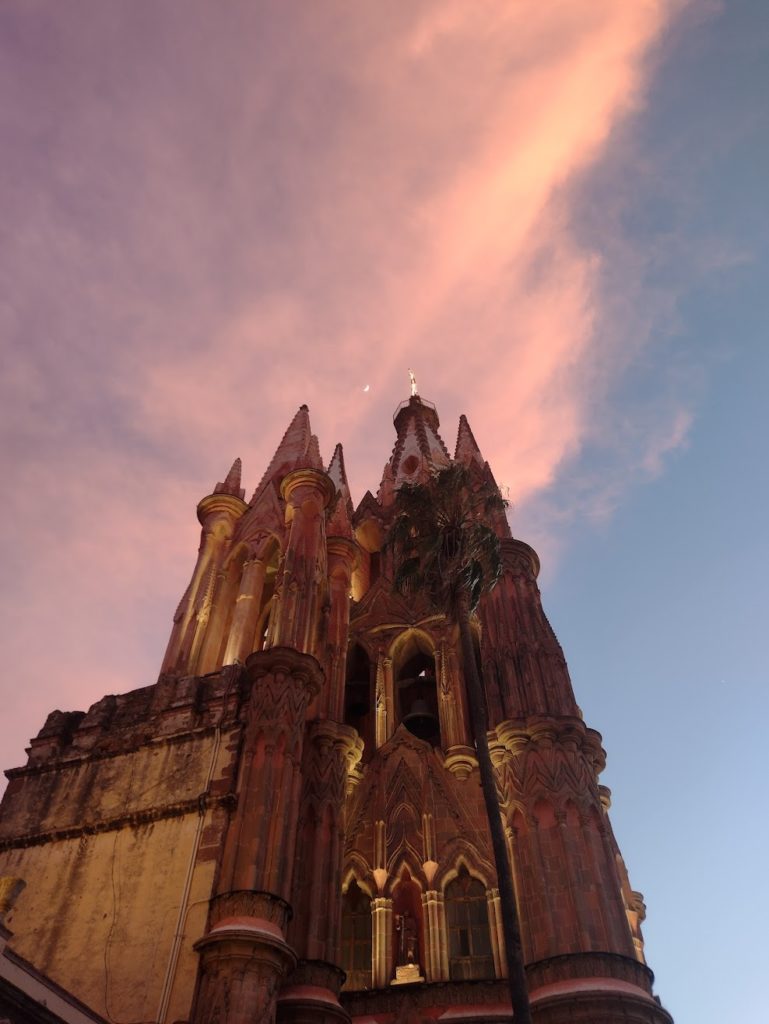
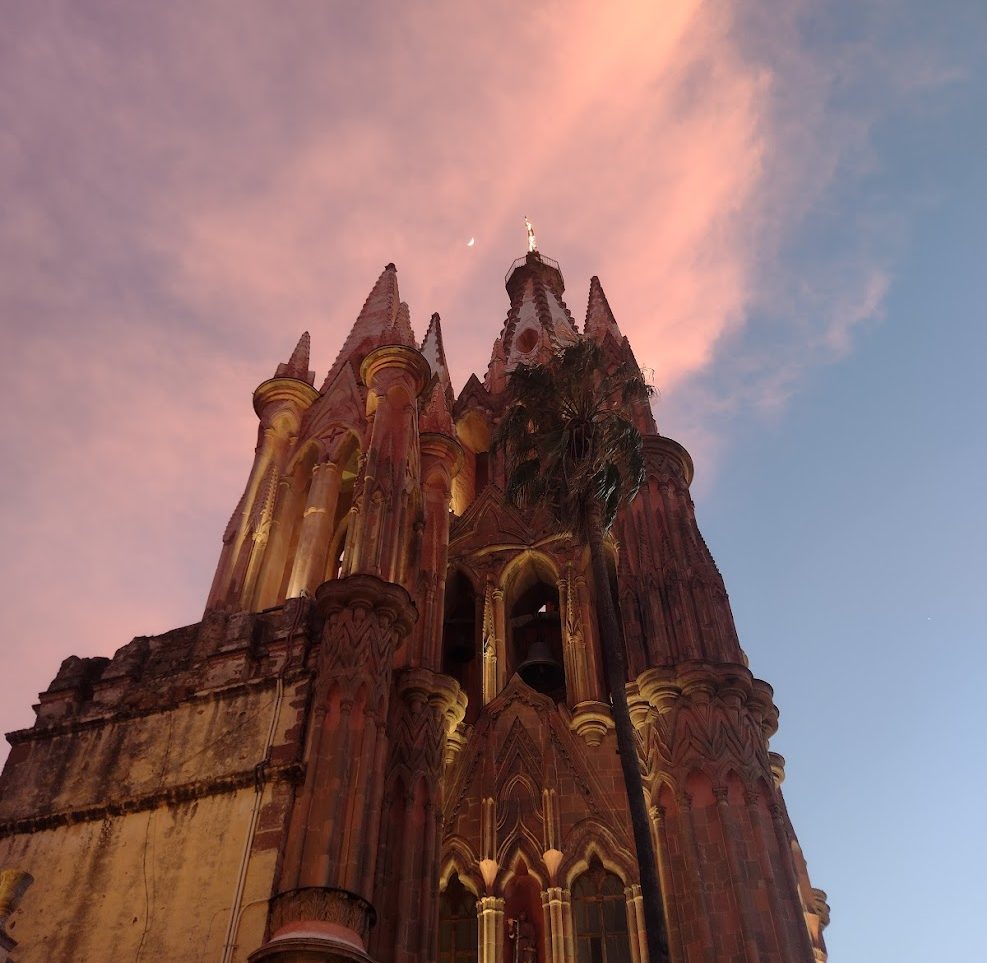
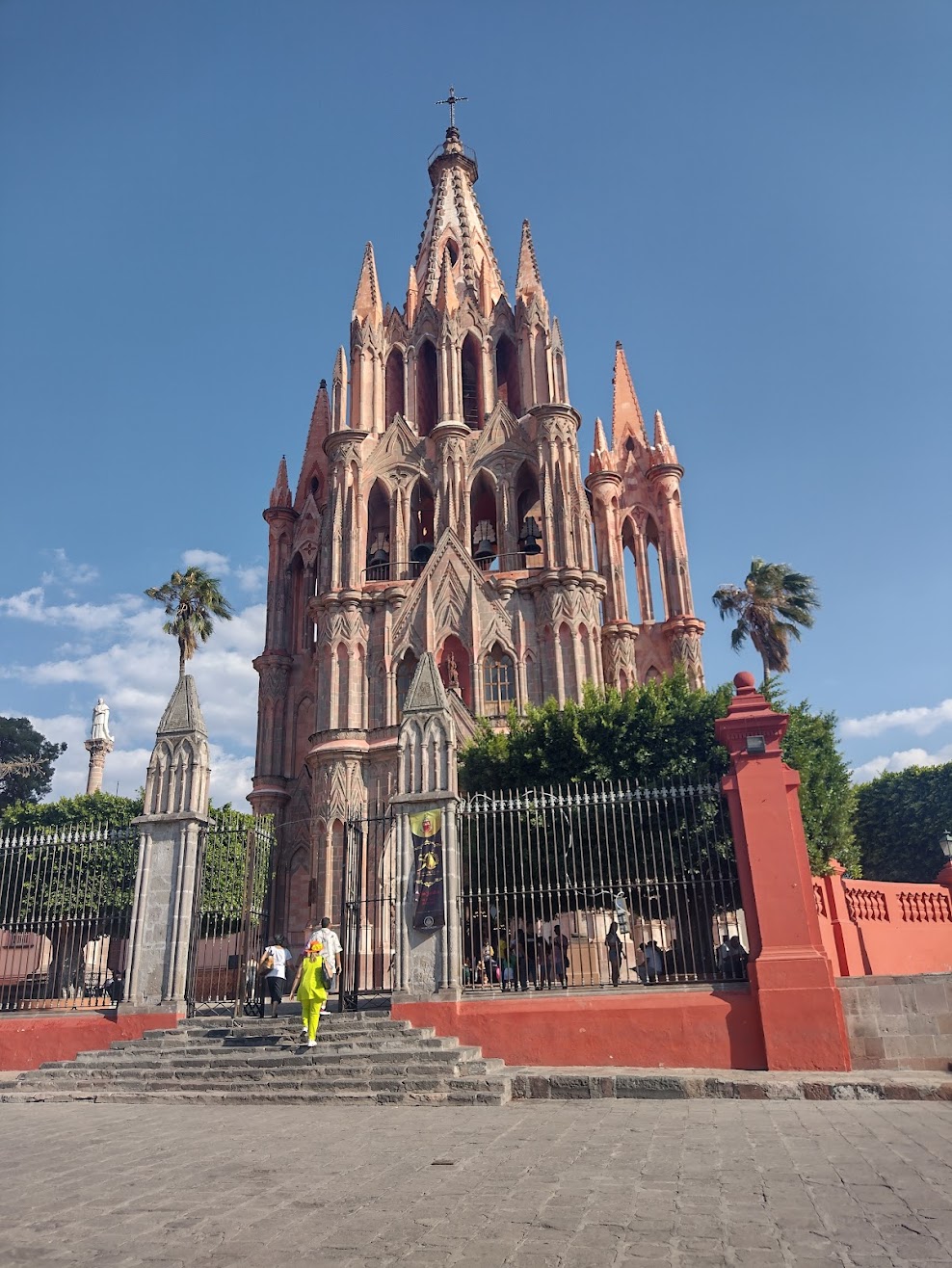
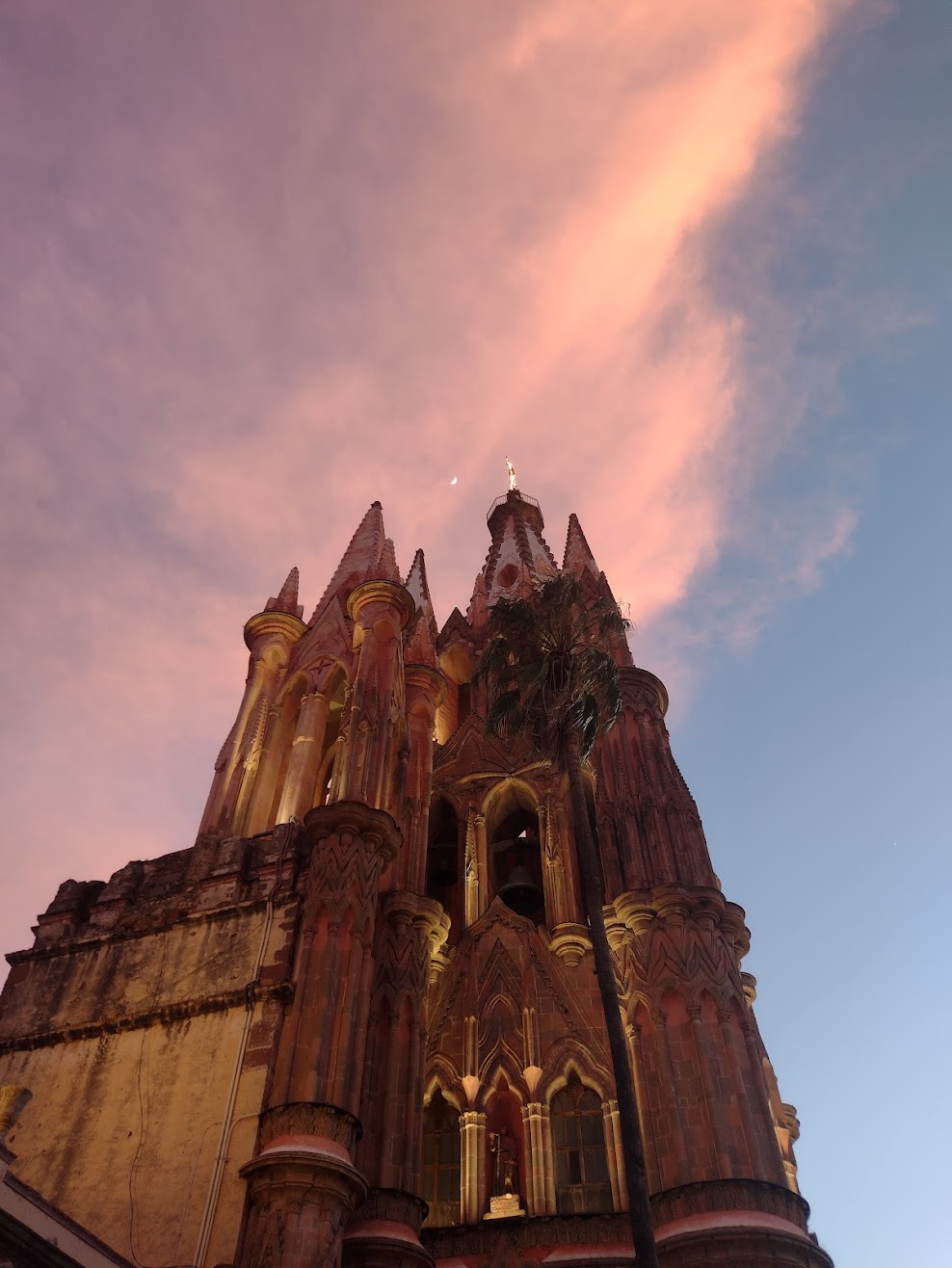
The town’s most distinctive landmark is the Parroquia de San Miguel Arcángel, the extraordinary pink stone church that dominates the main square.
The city sits in the central highlands and enjoys what locals call eternal spring weather, and the surrounding area is dotted with hot springs and vineyards. A large and creative expat community makes it easy to enjoy, and the pace of life invites lingering rather than rushing. We could easily have stayed longer.
Guanajuato: The City of Mummies
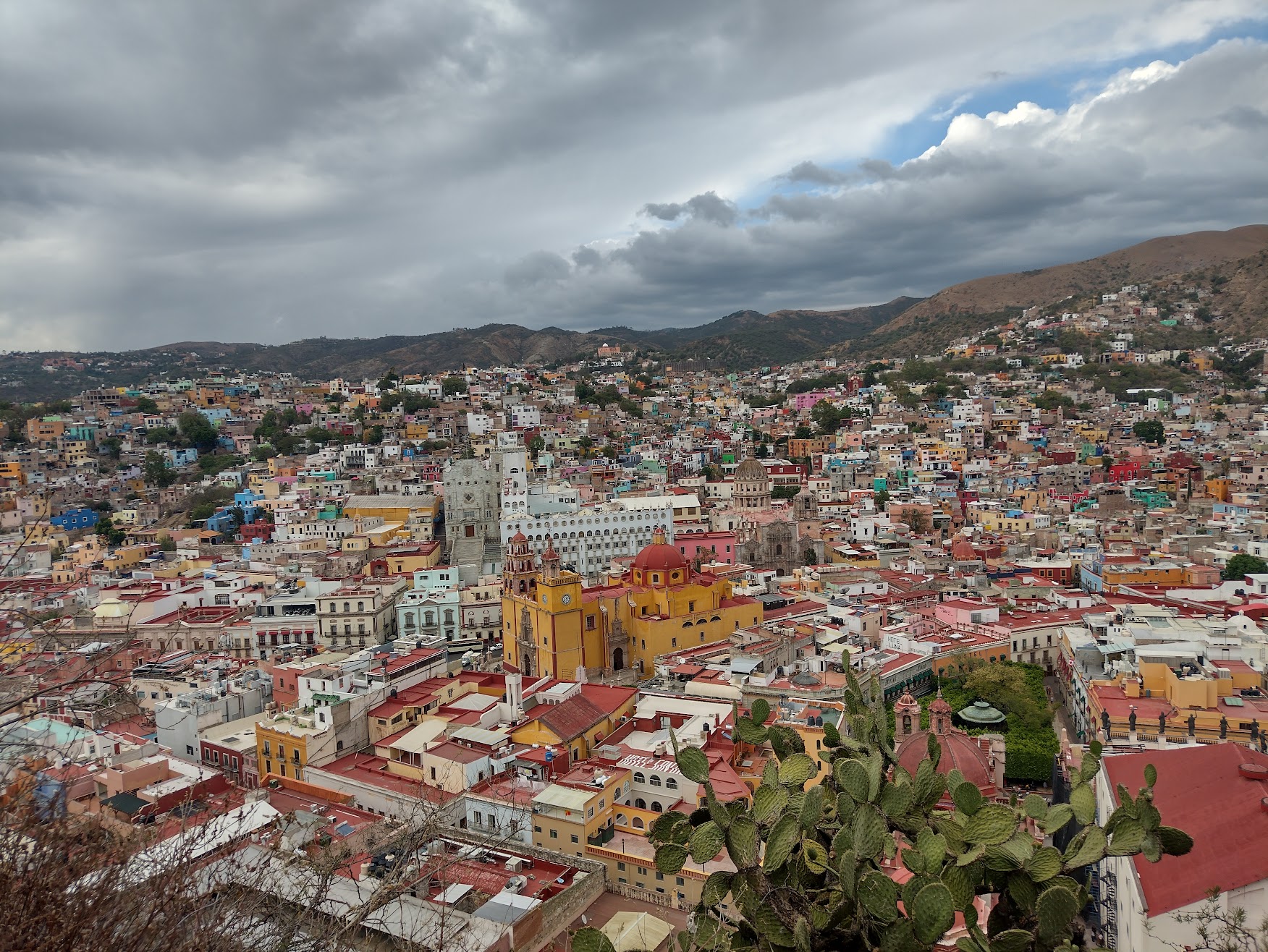
After a few days in San Miguel, we moved on to Guanajuato. Guanajuato is a former silver mining town built into the hills of central Mexico, and it is one of the most beautiful colonial cities I’ve seen. At over 2,000 metres above sea level and built into steep ravines, walking around really does test your fitness.
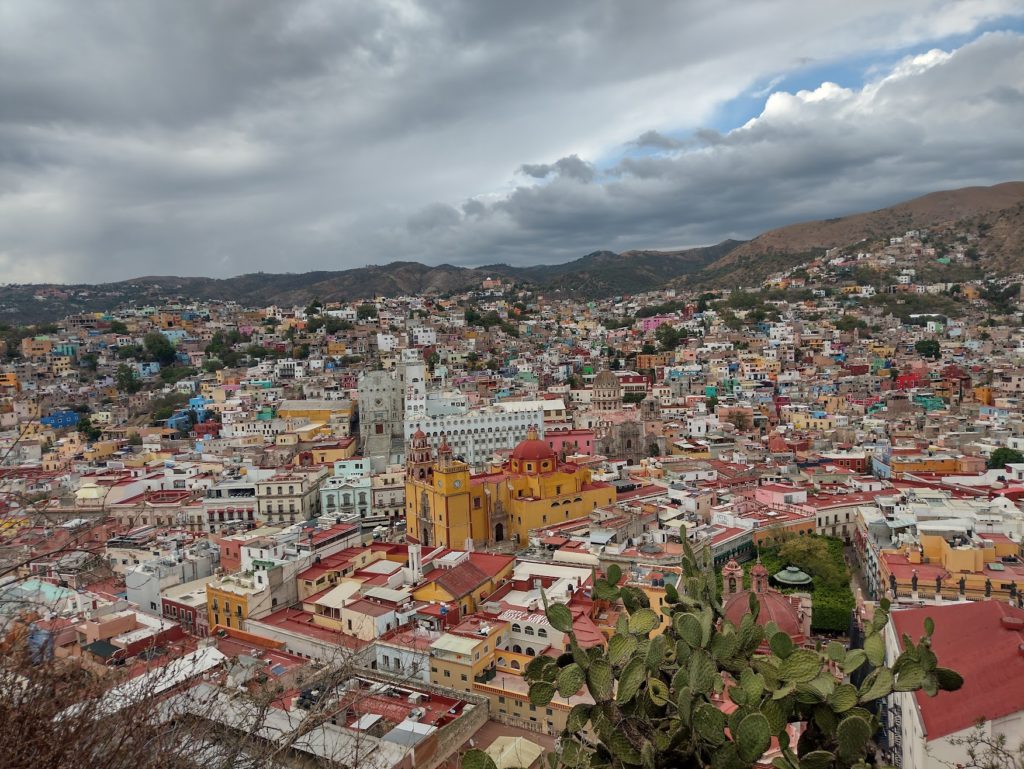
UNESCO has listed it as a World Heritage Site since 1988, thanks to its colonial Spanish architecture, its extraordinary silver-mining history, and its role in Mexico’s War of Independence — it was here, in 1810, that Miguel Hidalgo launched the uprising that would eventually free Mexico from Spanish rule. Its baroque churches, narrow cobblestone streets, and candy-coloured houses are genuinely extraordinary.
But the reason most people know the name Guanajuato is darker, and weirder, than any of that.
The Mummies of Guanajuato
The Mummies of Guanajuato are naturally mummified bodies that were interred during a cholera outbreak in 1833. Thirty-two years later, a local tax was imposed requiring families to pay a fee to keep their relatives buried.
If families were unable or unwilling to pay, the bodies were dug up (which is grim in itself, right?). But it gets worse, so much worse. When gravediggers began removing the unpaid bodies from their crypts, they discovered that the unique mineral-rich soil and the arid environment had done something extraordinary — it had preserved the corpses, as though they had only died a few weeks before.
Around 100 of the bodies are now displayed in the Museo de las Momias, and visiting it was one of the strangest experiences of my life. The mummies stand in glass cases, their faces frozen in expressions of what looks very much like horror — mouths open, features contorted, skin pulled tight like dried leather. Some may have earned their expressions legitimately: because cholera victims were buried so rapidly to contain the spread of disease, it is thought that some of the sick and dying were interred alive by accident.
Some of the mummies still wear the clothes in which they were buried. Among the collection is a woman who died in childbirth, displayed beside what is thought to be the youngest mummy in existence — a 24-week-old foetus, possibly the smallest mummy in the world.
We were so shocked, and slightly fearful, that we didn’t take any photos — it felt to us slightly disrespectful to do so. Many other people, who I assumed to be Mexican, snapped away happily. There’s even an empty display case in which you can stand beside the mummies and pretend to be one. For us, it felt really unsettling. Although I’m far from an expert, I think that’s probably down to our relationship with death largely being unseen and quite often ignored. I think that in Mexico that’s a very different thing. Either way, whilst I’m glad to have visited the place, I wouldn’t say I enjoyed it.
Reading about it afterwards, I was glad not to be alone in that feeling. Ray Bradbury visited the museum and was so profoundly disturbed that he wrote the short story “The Next in Line” about the experience. “The experience so wounded and terrified me,” he wrote later, “I could hardly wait to flee Mexico. I had nightmares about dying and having to remain in the halls of the dead with those propped and wired bodies.” I understand the feeling completely, though I’m glad I went. It is genuinely unlike anything else.
Pátzcuaro: The Lake, the Island, and the Butterflies
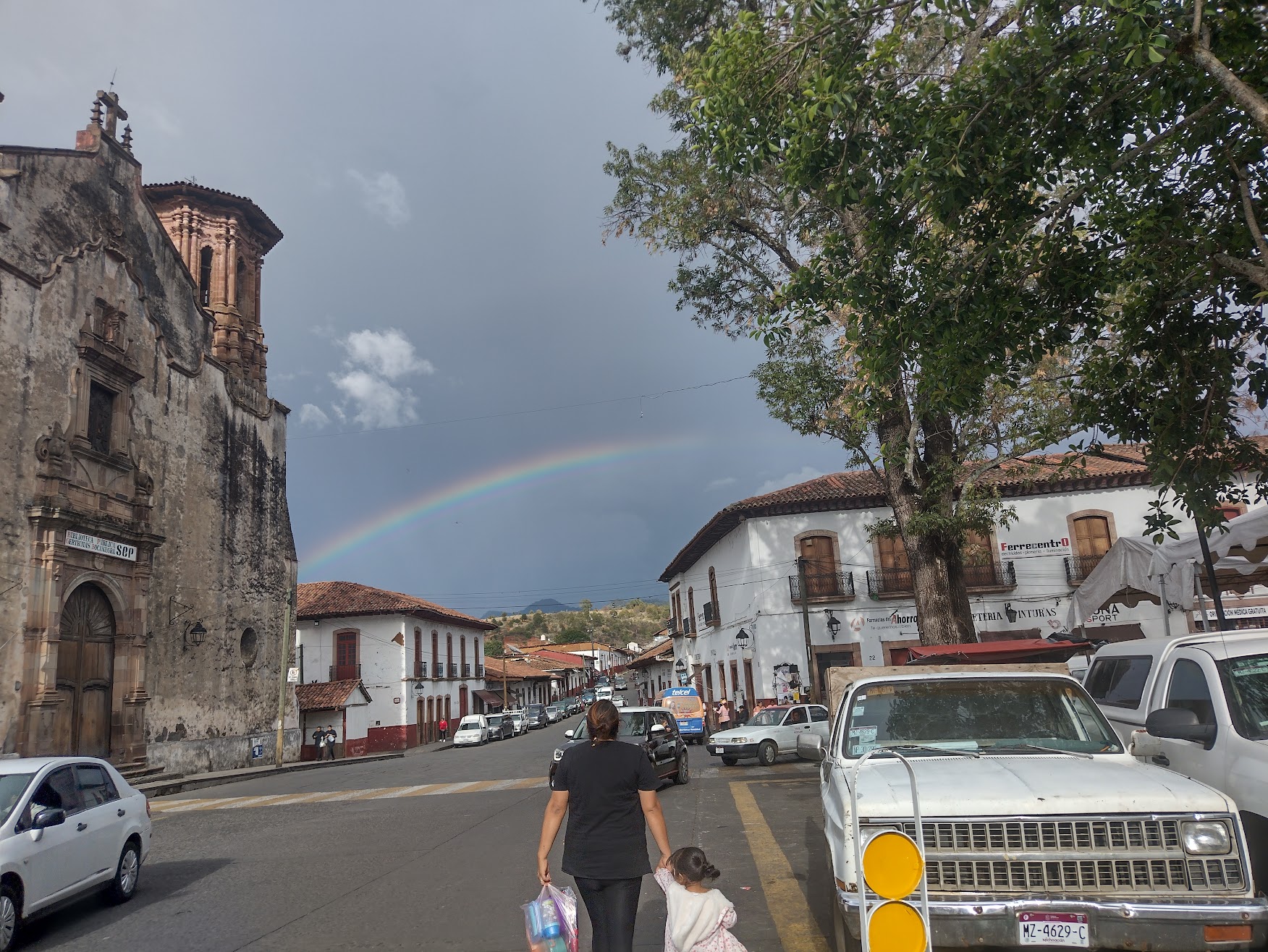
Pátzcuaro was a quieter stop, and all the better for it. We were staying with friends who, strangely, I had never met before but had known for several years through online communities. They split their time between an RV in the States in the summer and Pátzcuaro in the winter — and I can’t think of a better place for it.
Pátzcuaro is a quiet, beautiful town built in the traditional style around two central squares. Green, lush, and genuinely interesting, it’s starting to attract the expats that have transformed other Mexican towns — though thankfully, it’s still a little behind the curve on that front.
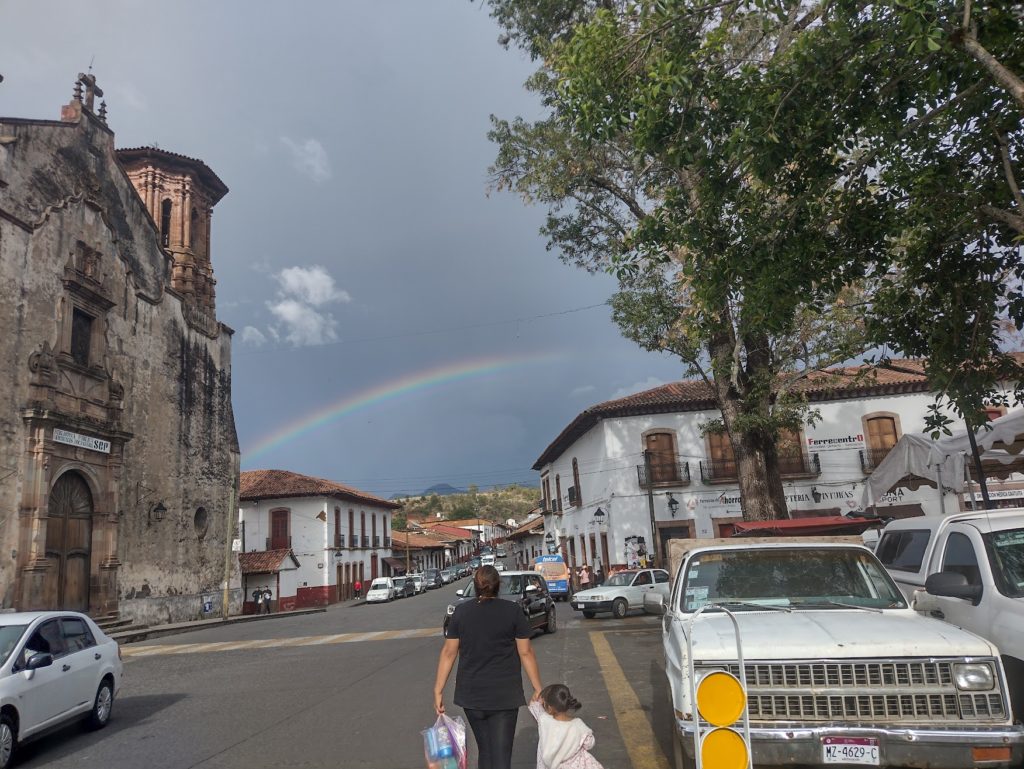
It has had some bad press in recent years, with several countries advising their citizens to avoid it due to cartel violence. We had no idea — and had a brilliant time. Nothing but peaceful streets and excellent food.
Janitzio and the Butterfly Fishermen
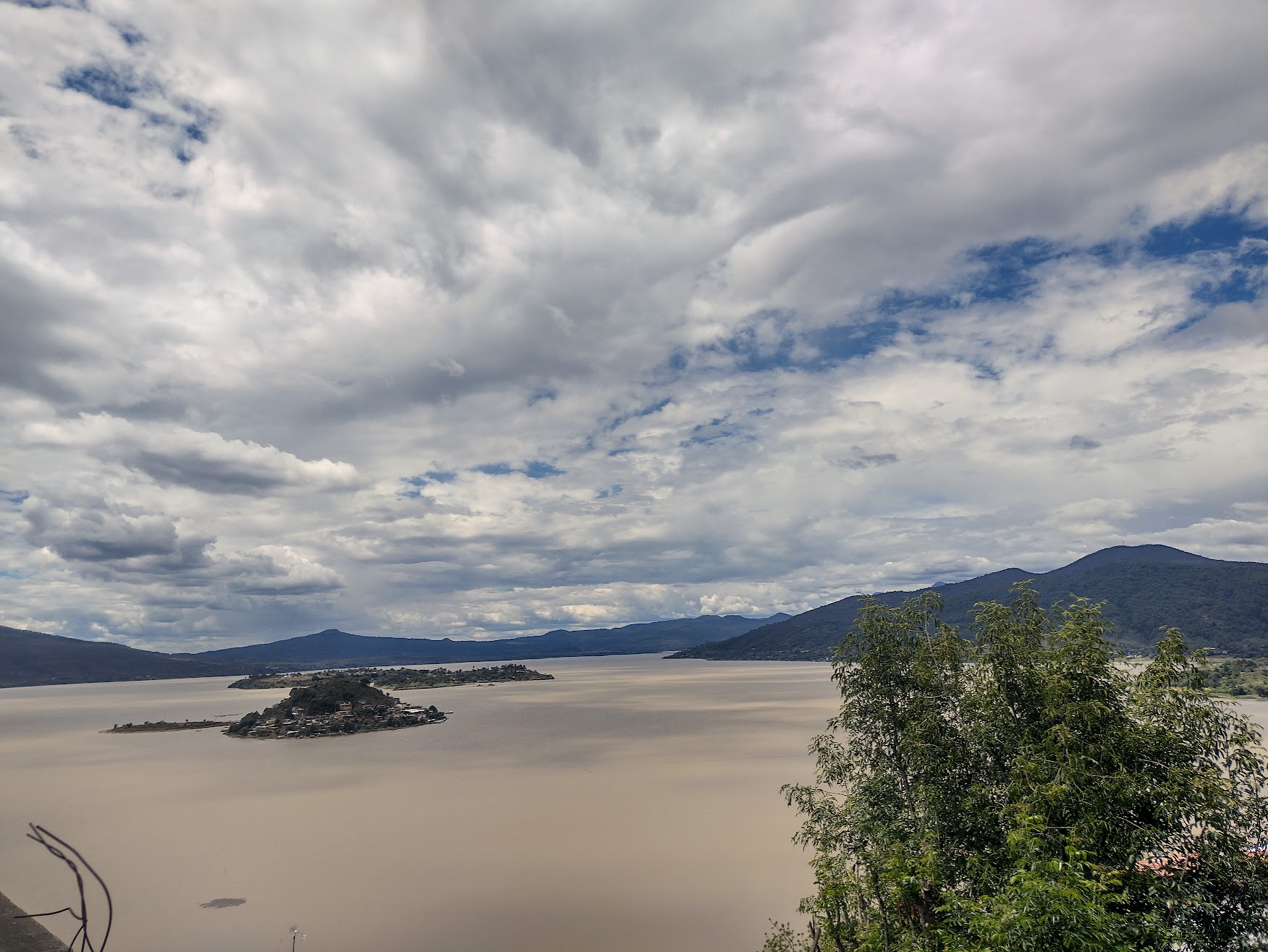
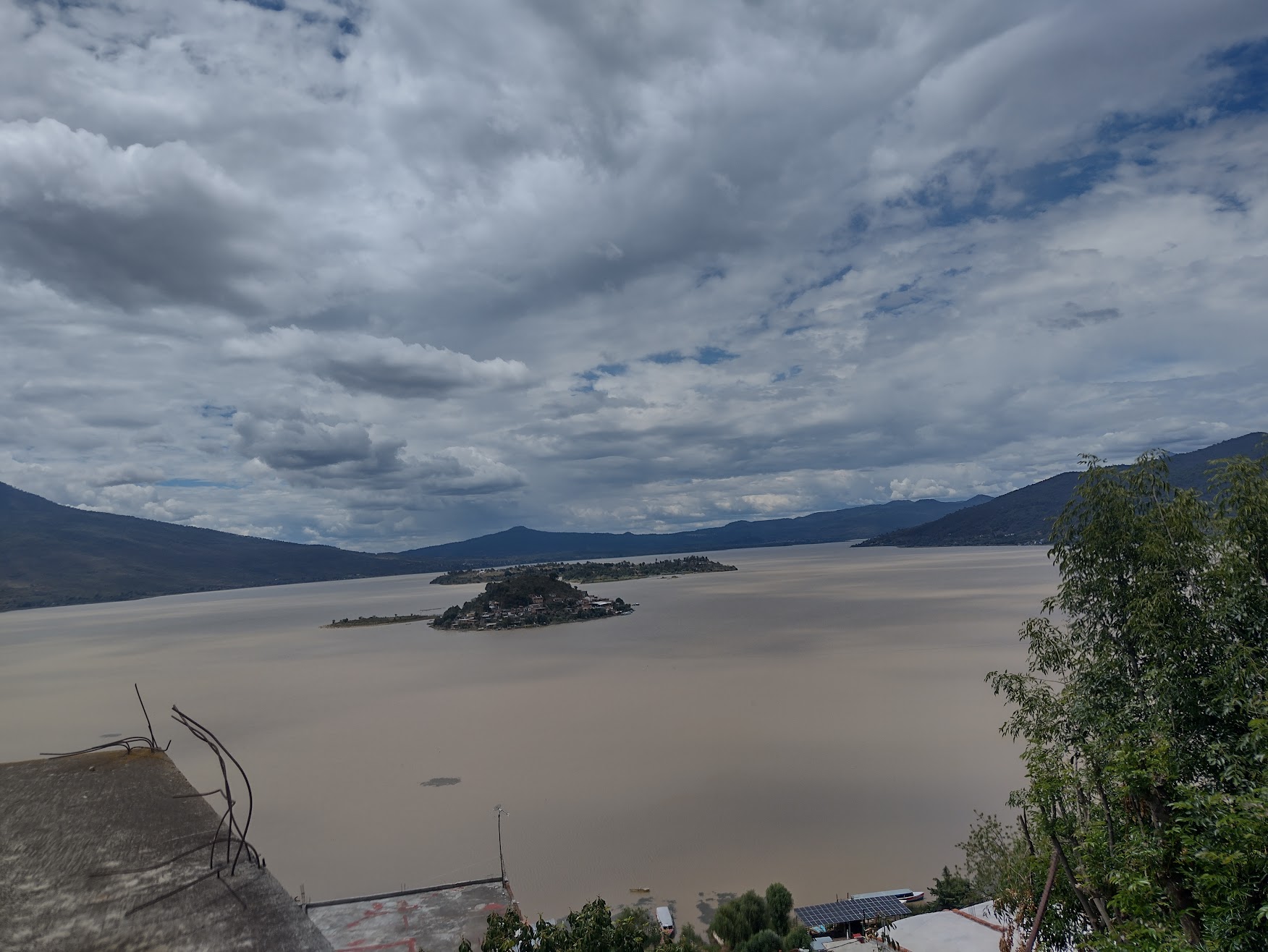
The town sits on the shores of Lake Pátzcuaro in Michoacán, one of the most serene landscapes in Mexico, and from its pier you can take a boat to Janitzio, the largest of five islands on the lake, home to the Purépecha people, whose traditional culture and language have been preserved for centuries.
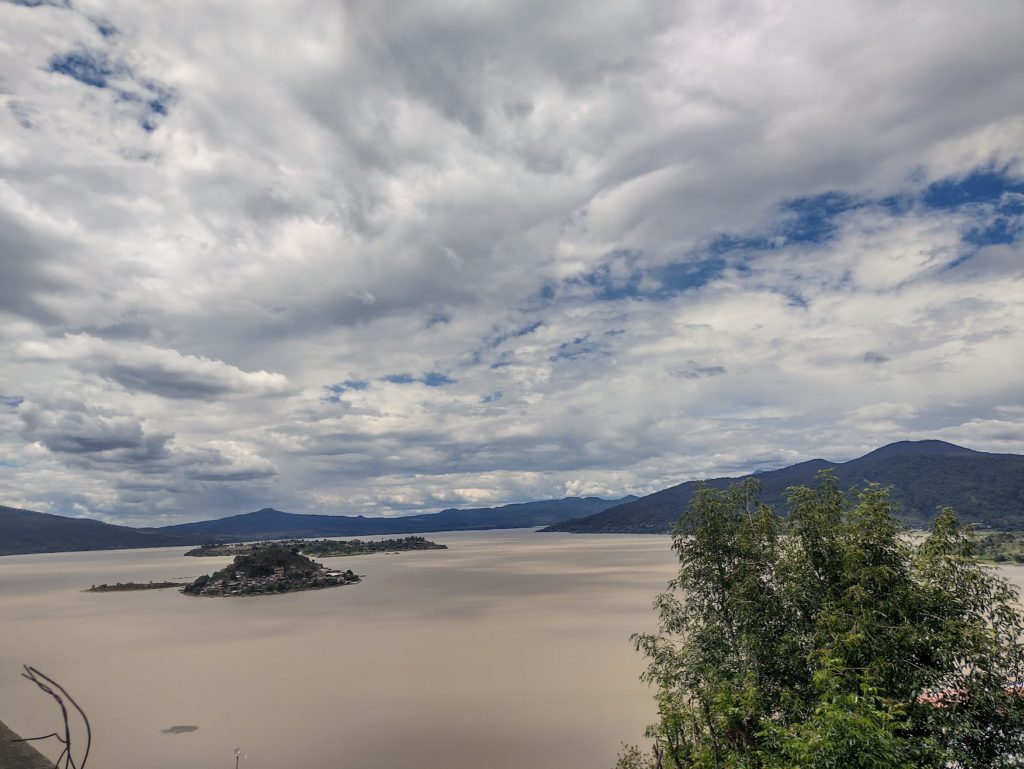
Whilst the island is a bit of a tourist trap, with musicians and local fishermen posing for photographs, it was an interesting experience.
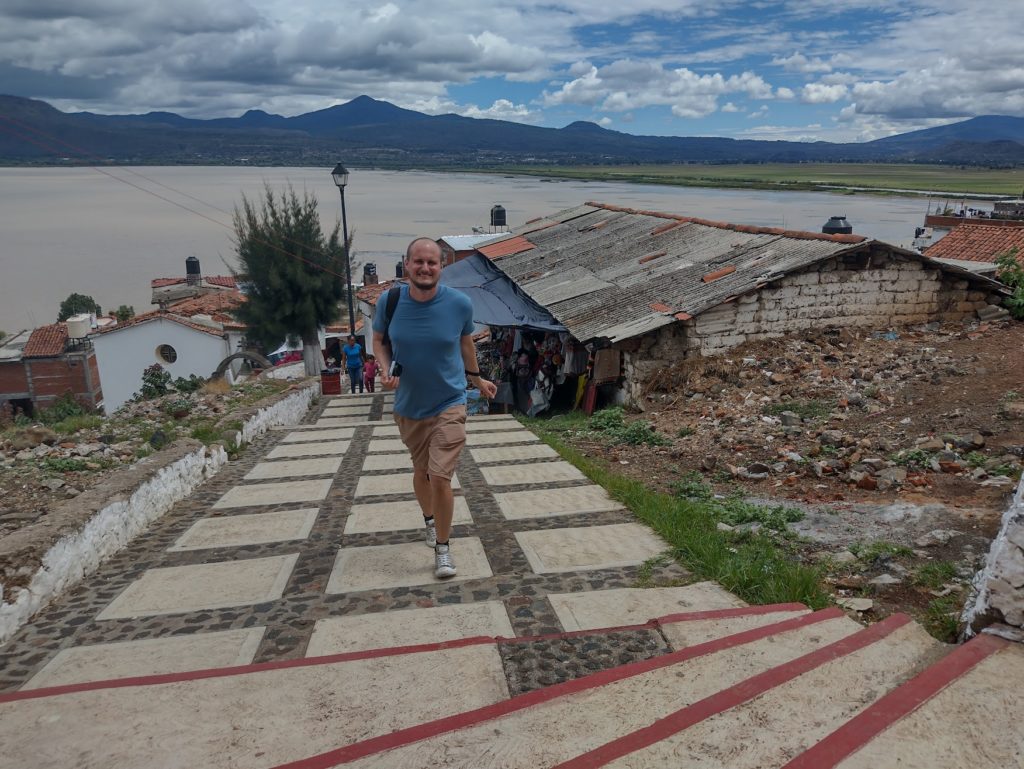
The island is famous for its butterfly fishermen, who cast distinctive butterfly-shaped nets across the water to catch the local pescado blanco — a prized whitefish endemic to the lake. Atop the island’s highest point stands a monumental statue of José María Morelos, hero of Mexico’s independence, with a spiral staircase running up the inside, its walls covered in murals depicting Morelos’s life, culminating in a panoramic view from peepholes in the statue’s giant raised fist. It is a genuinely extraordinary thing to stand inside.
Tzintzuntzan and the Yácatas
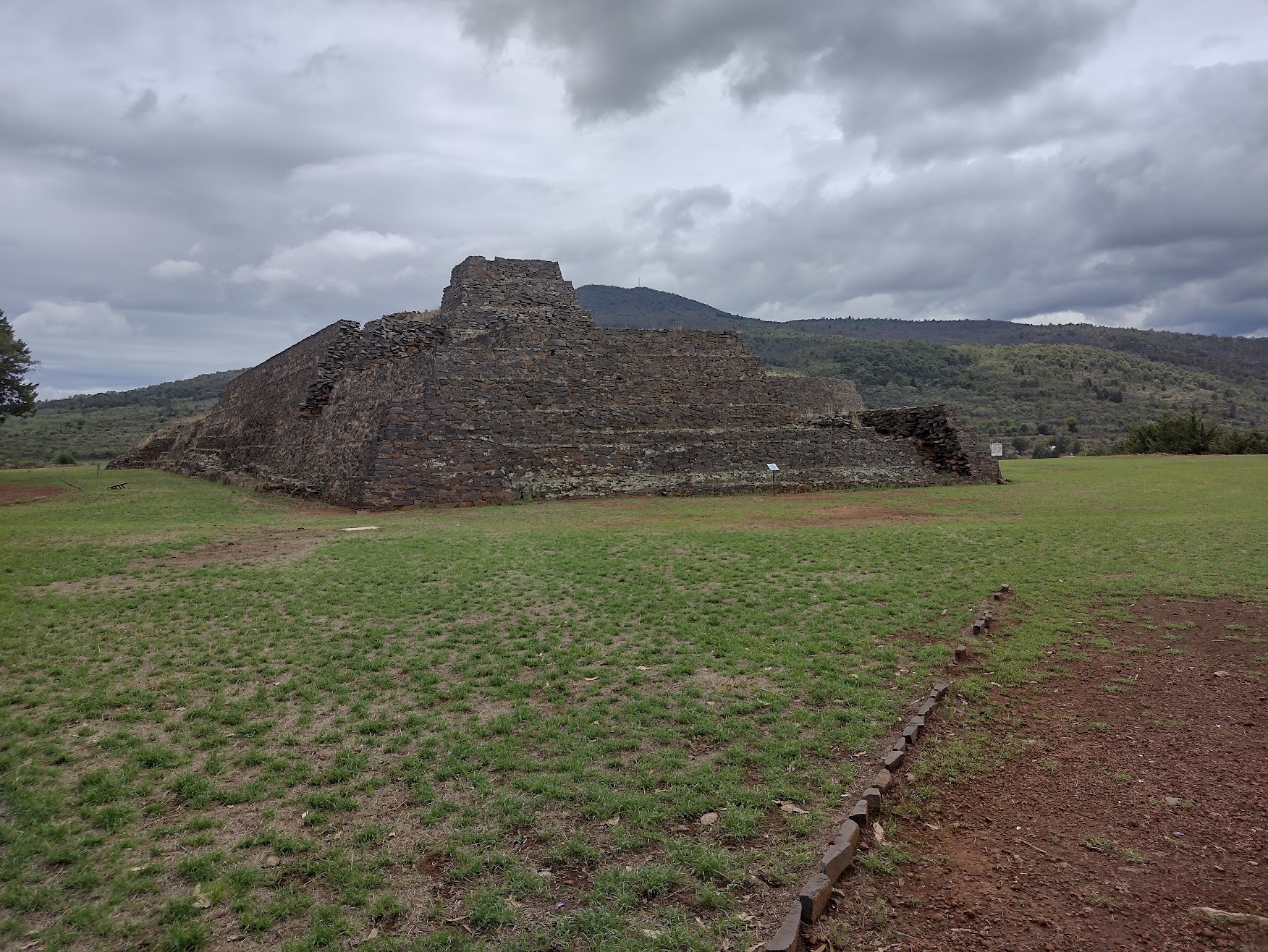
We also visited the ancient city of Tzintzuntzan — home to the remarkable Yácatas, five great pyramids that rear out of a hillside with imposing walls of stone.
The pyramids sit on a promontory overlooking Lake Pátzcuaro, and were the heart of the Purépecha Empire, which flourished from around 1350 to 1530. Unlike the stepped pyramids of the Aztecs or Maya, the Yácatas are rounded, keyhole-shaped structures, linked together by a great shared platform — which gives the whole site a distinctive, slightly otherworldly appearance.
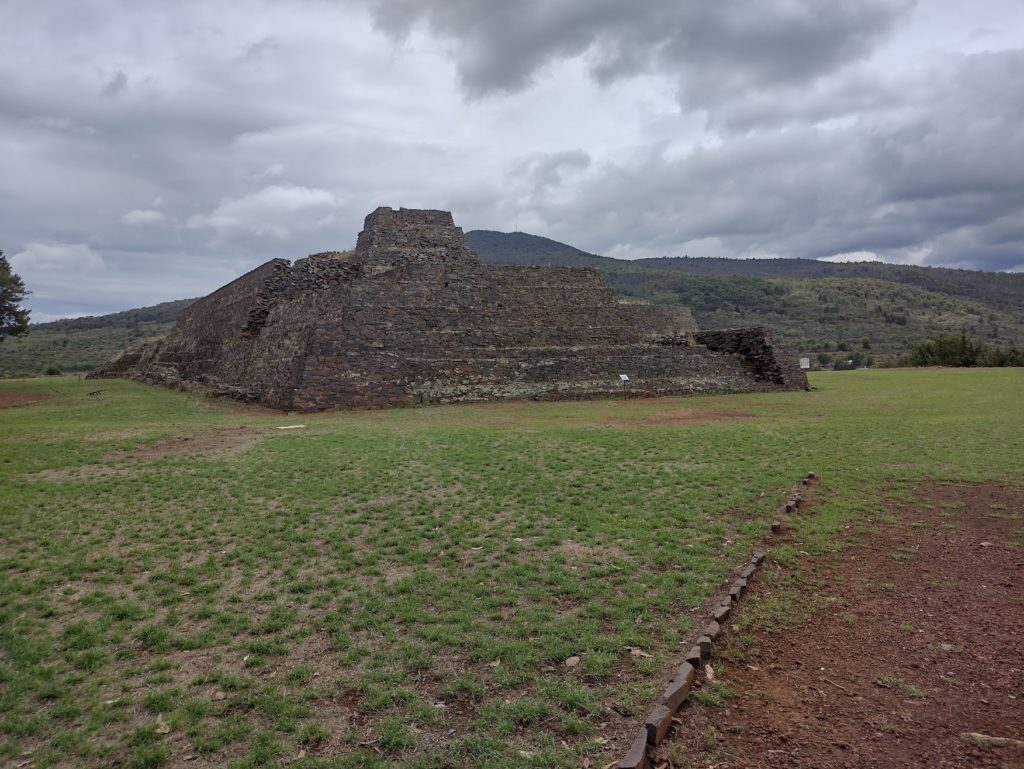
At its peak, Tzintzuntzan covered more than 1,500 acres and was home to some 30,000 people. The Purépecha were one of the few Mesoamerican civilisations powerful enough to resist the Aztec Empire — a fierce rival to the east — and their capital reflects that ambition. When the Spanish arrived in 1522, the Purépecha chose not to resist. It did not save their ruler, Tangaxuan II, who was burned at the stake despite having converted to Christianity. It’s a place that doesn’t get anywhere near the attention it deserves. Well worth the short trip from Pátzcuaro.
Cholula: The Pyramid Disguised as a Hill
The bus journey from Pátzcuaro to Cholula is long, and involves travelling back through Mexico City. For us, this marked the mid point of our adventure, and our quest south.
We were going to Cholula for one thing, and one thing alone. Because it contains one of the most astonishing and least known archaeological sites in the world — the largest pyramid ever built, by volume, anywhere on earth.
Most people assume that title belongs to the Great Pyramid of Giza. It doesn’t. The Great Pyramid of Cholula reaches 66 metres tall and covers an area of 300 by 315 metres, with a total volume of 4.45 million cubic metres — almost twice the size of the Great Pyramid of Giza. Its Nahuatl name, Tlachihualtepetl, means “mountain made by hand.”
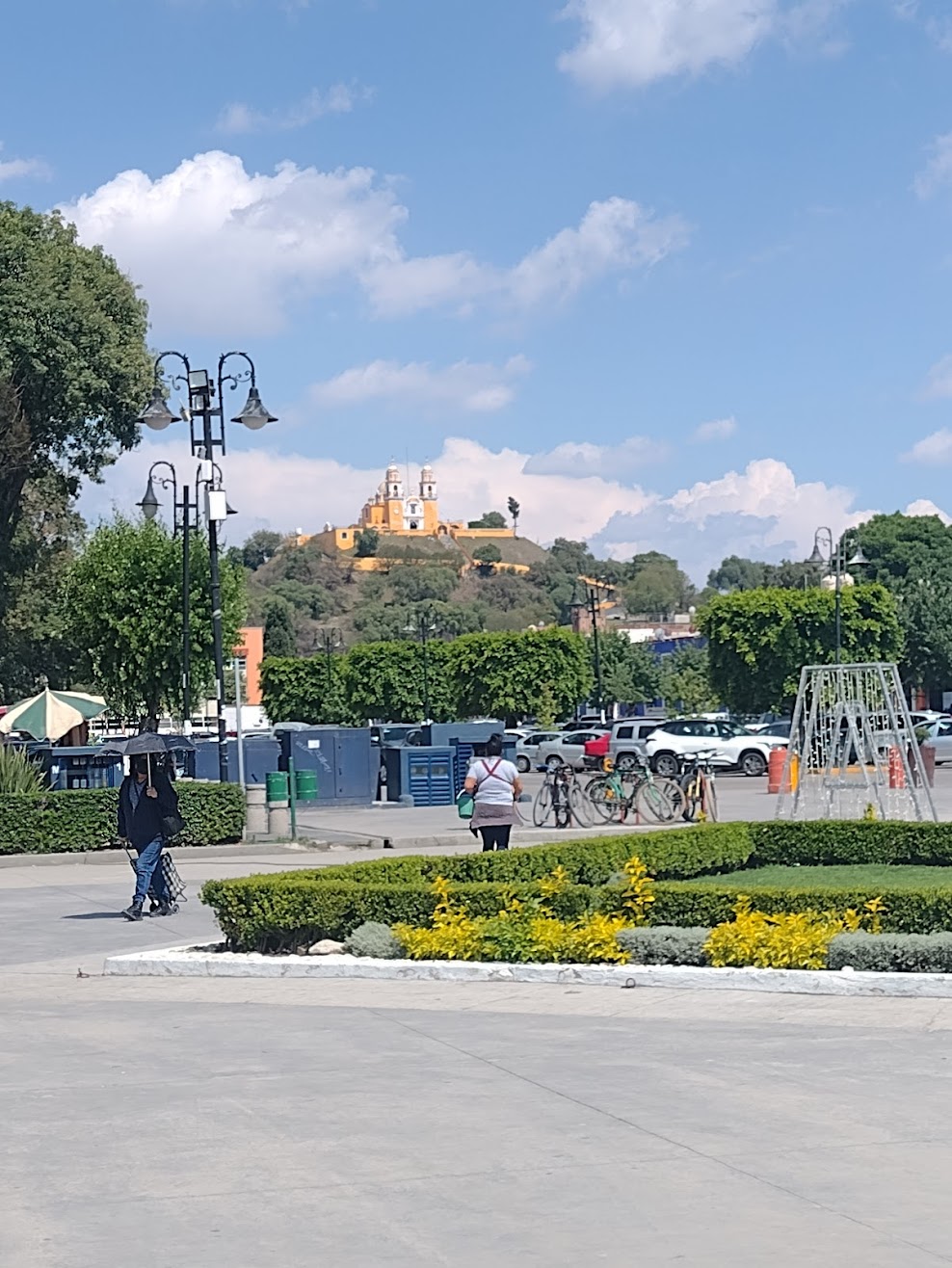
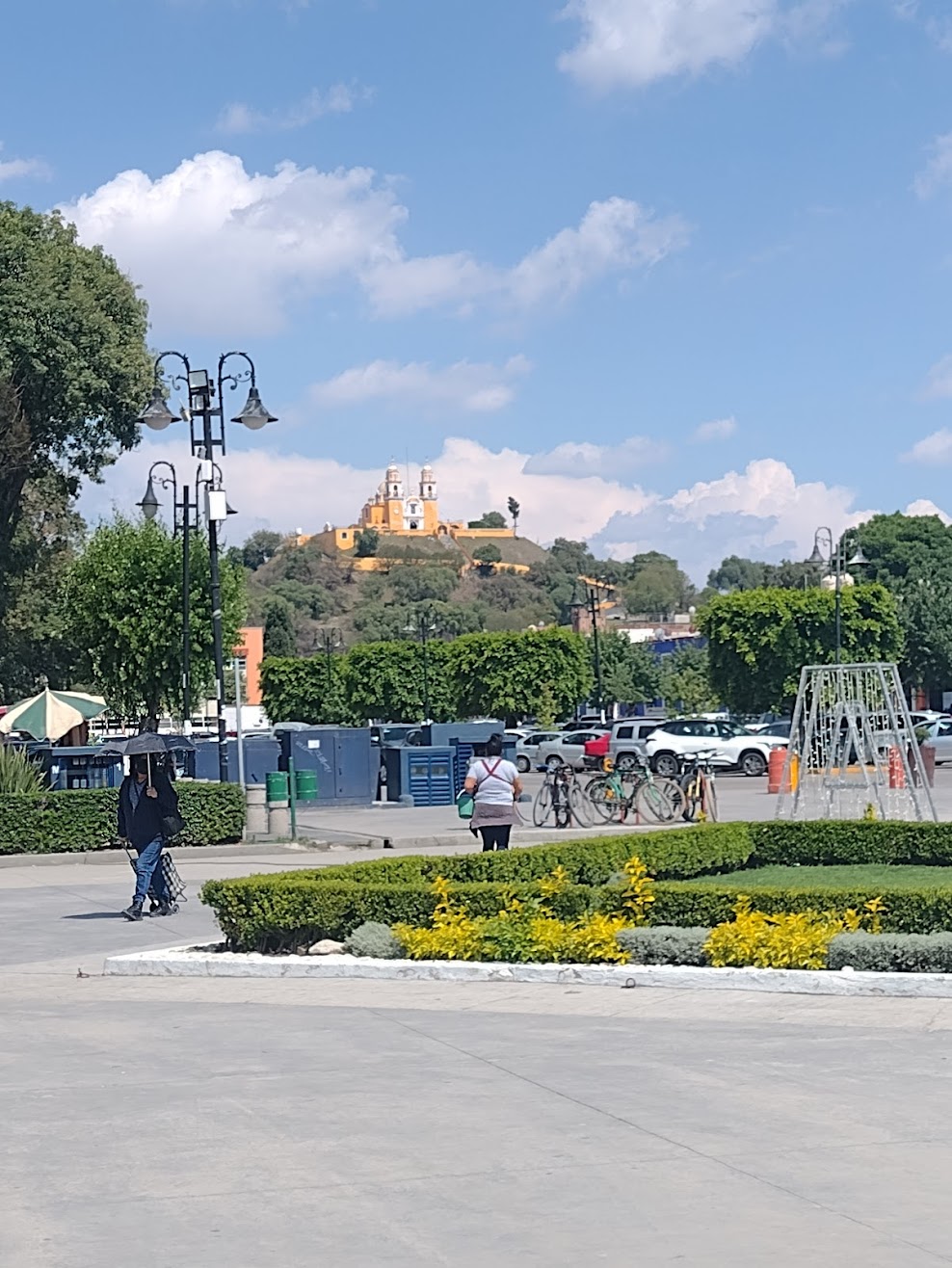
The reason most people have never heard of it is that by the time the Spanish arrived in 1520, the pyramid had become covered by dirt and was hidden from view. Looking at the landscape though, totally flat for miles around, this square-shaped hill in the middle of nowhere does still look strange.
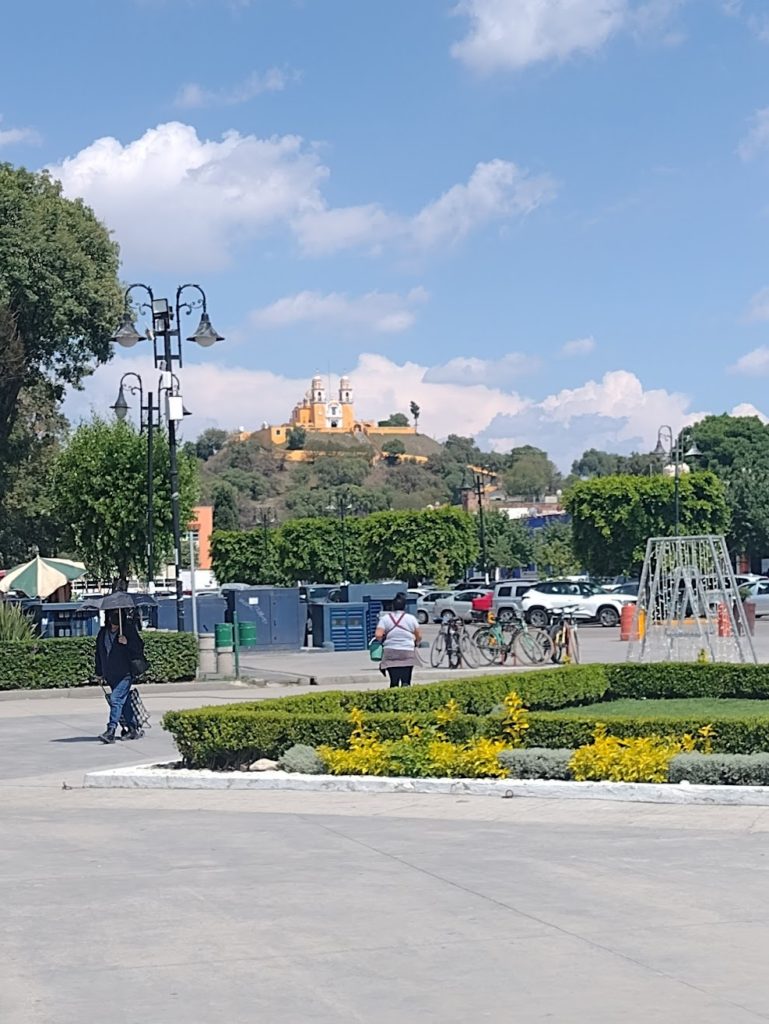
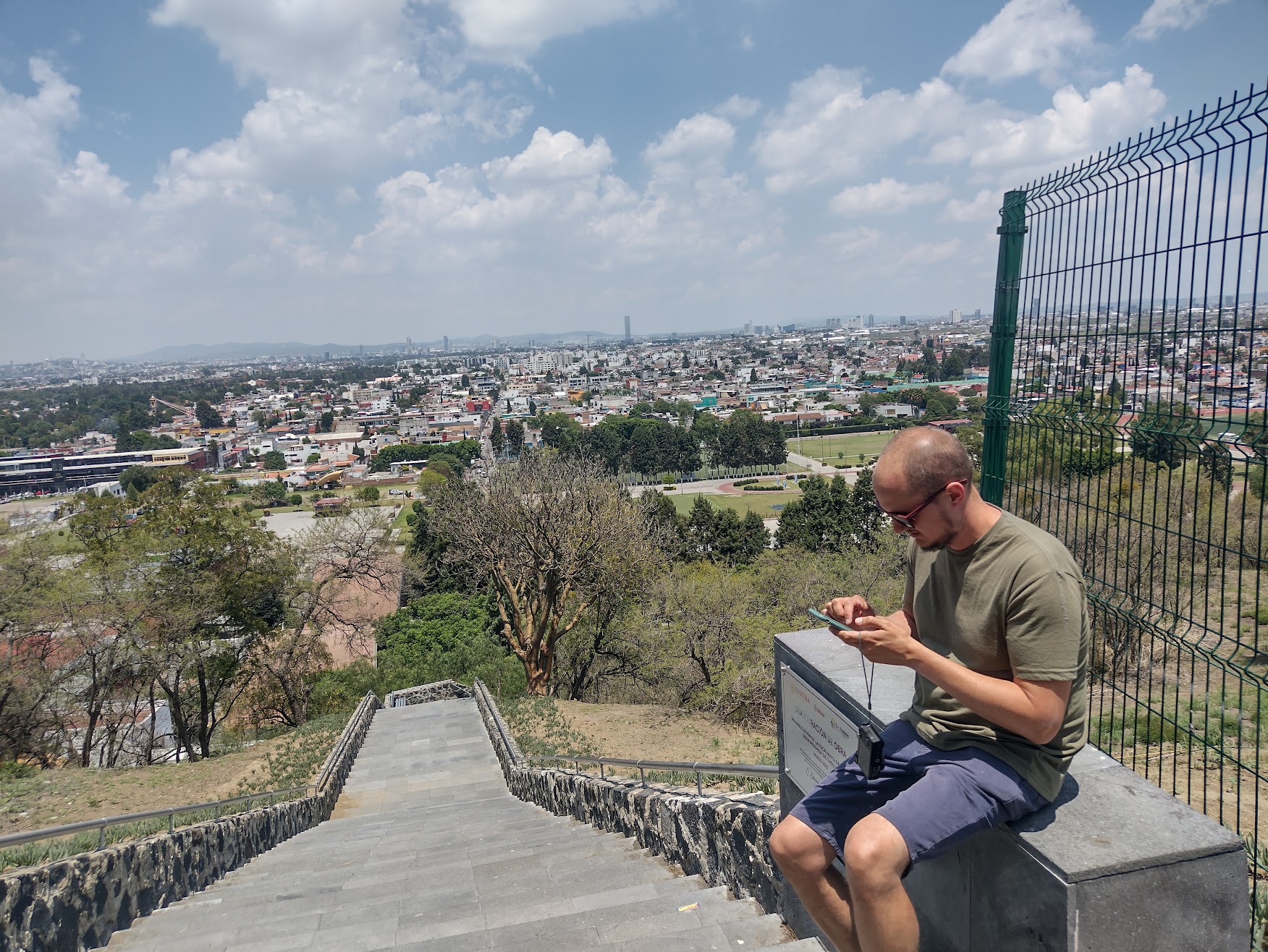
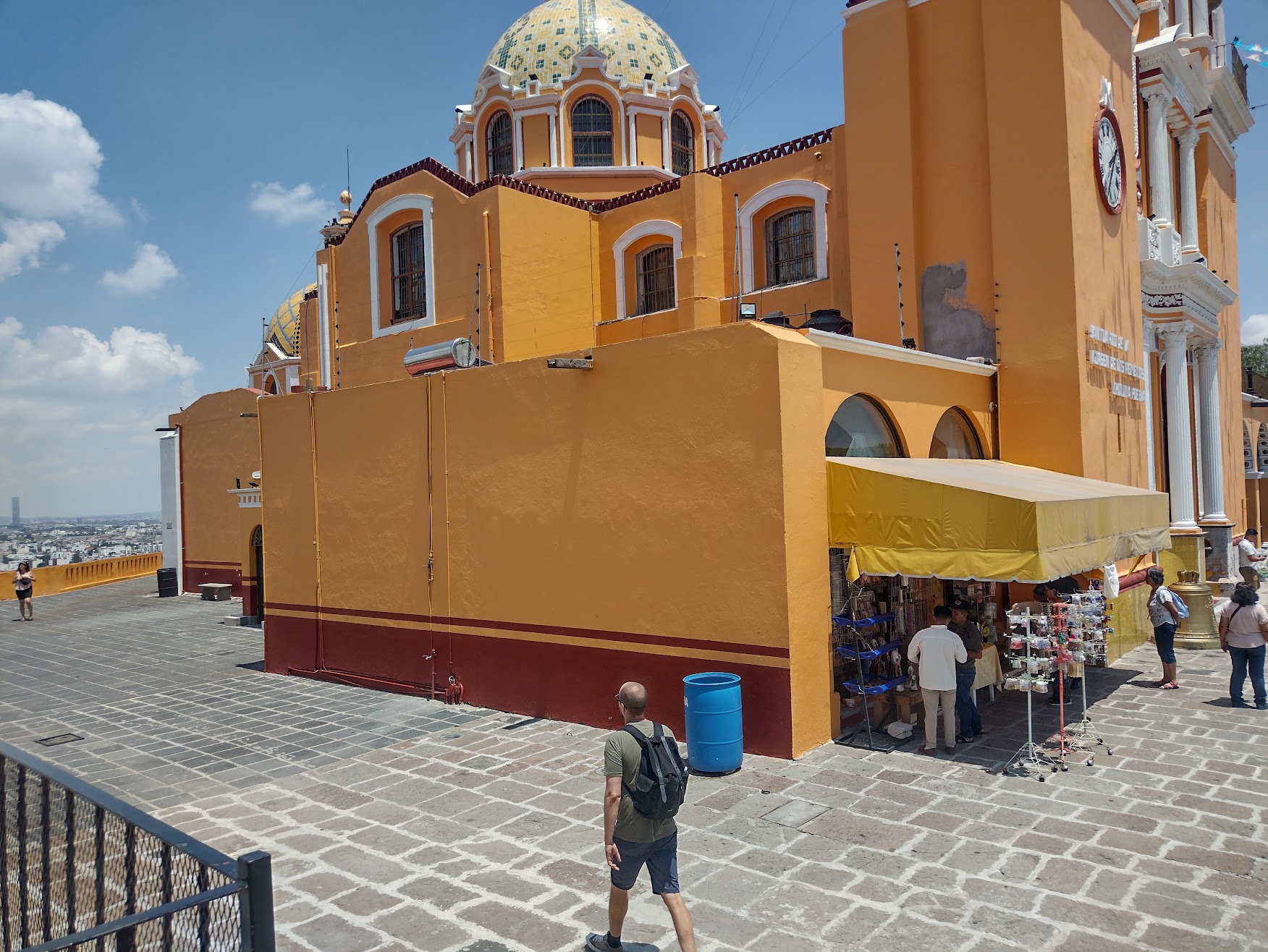
The conquistadors were either unaware of the hill’s true nature, or were making a point by doing so, but they built a church on top of it, which is still standing today. The Iglesia de Nuestra Señora de los Remedios sits at the summit, and the view from up there — an enormous pyramid concealed beneath grass and trees, with a colonial church perched on top — is one of the more surreal sights I’ve encountered anywhere.
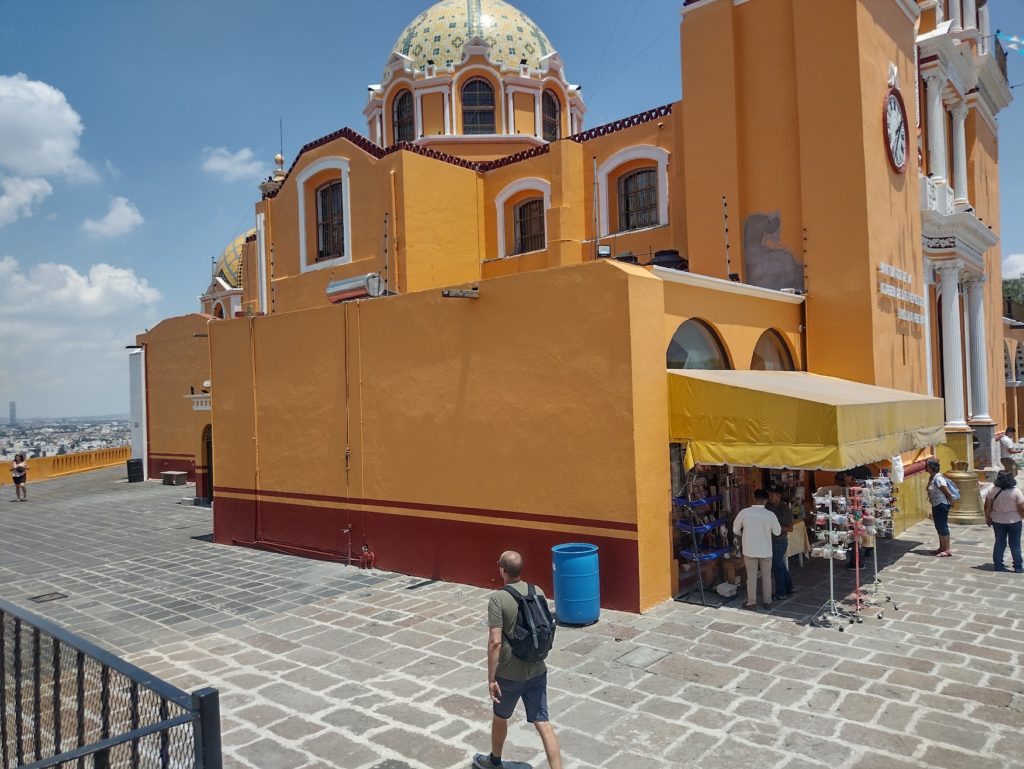
You can also descend into eight kilometres of tunnels running through the pyramid’s interior, which gives you a sense of the sheer scale of what is buried here.
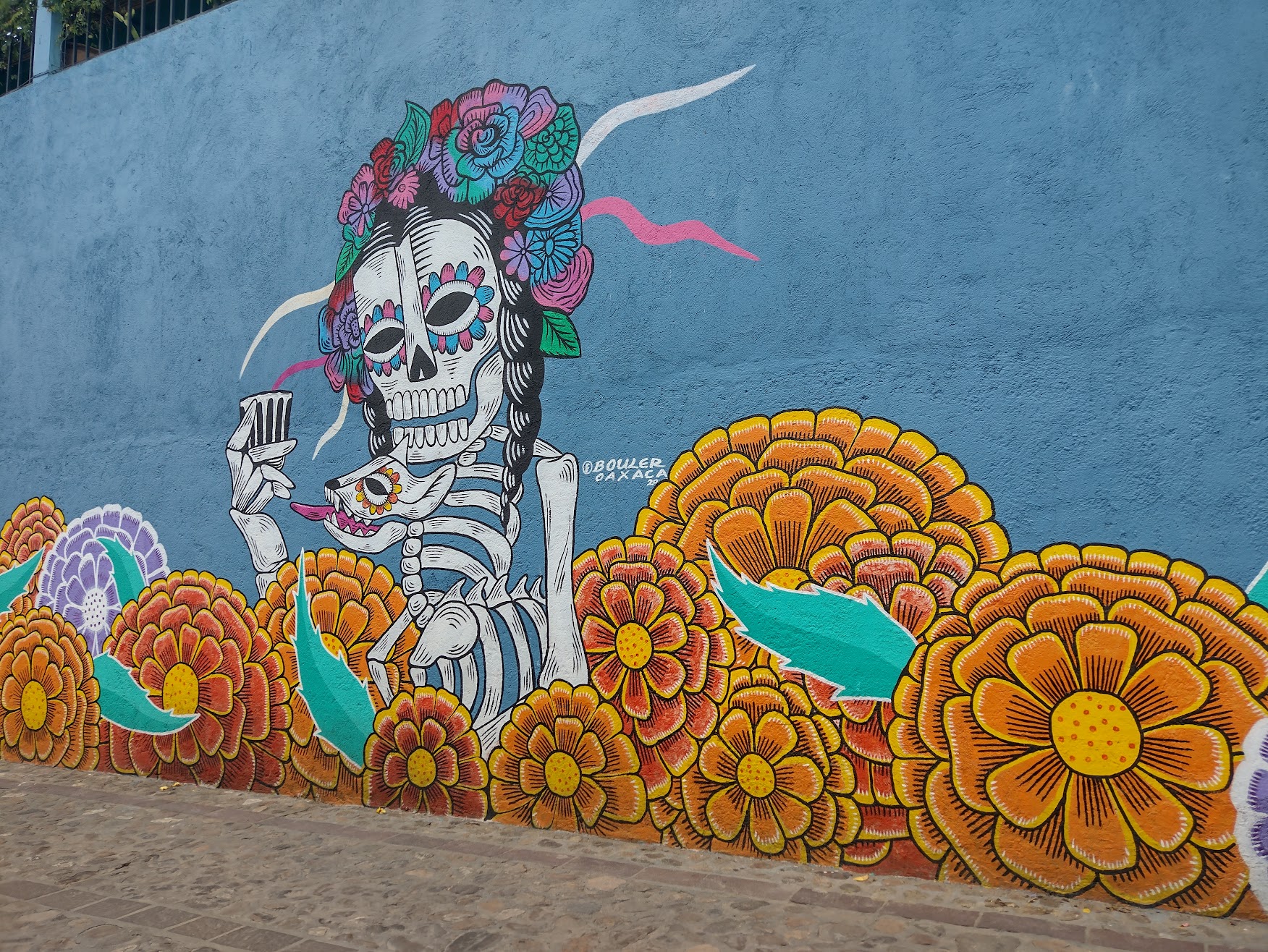
Oaxaca: The Best Tacos of My Life
From there it was on to Oaxaca, which we absolutely loved. We slowed the pace and stayed for a whole week — and what a place to do it. Oaxaca is the culinary capital of Mexico, and we threw ourselves into it: mole, tlayudas, mezcal, day after day, entirely without guilt.
The best tacos of the trip come with a story.
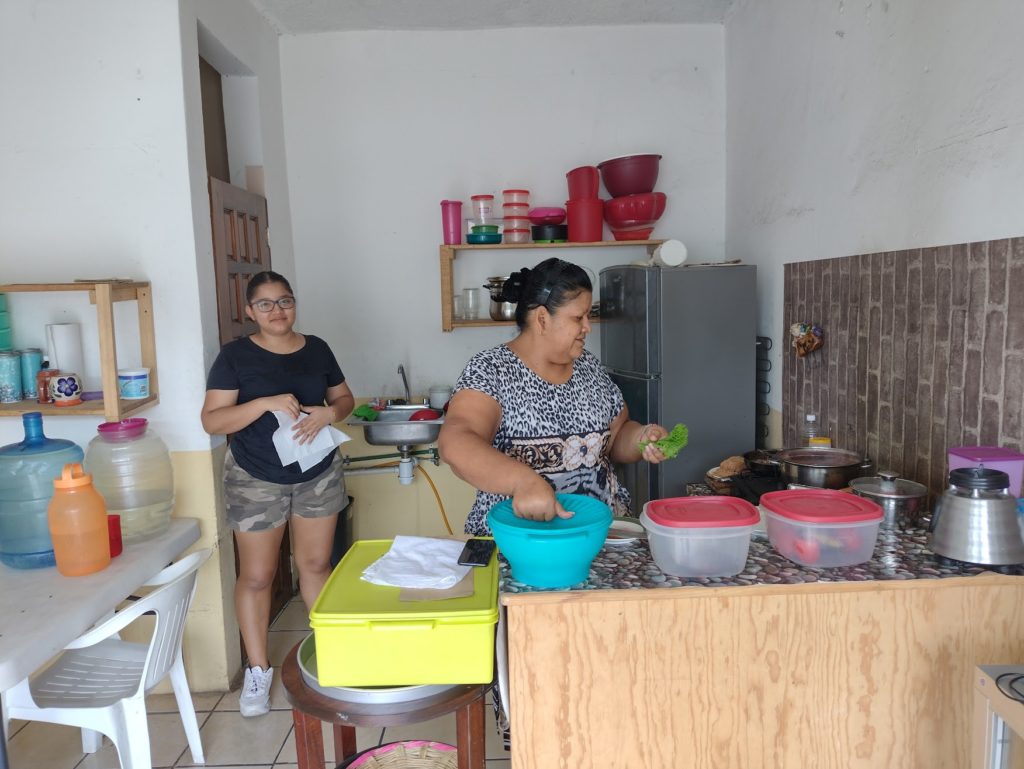
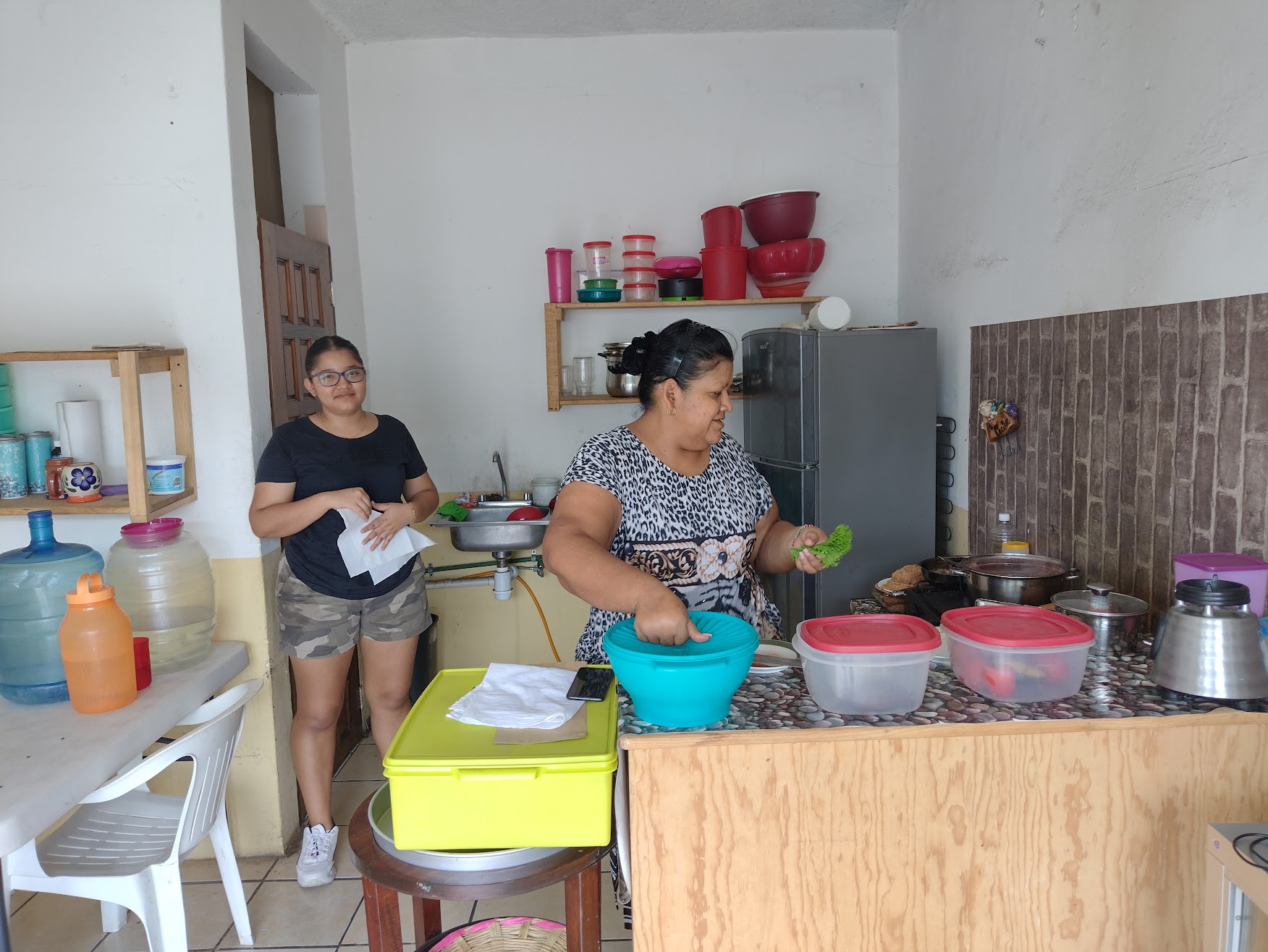
We were wandering the streets one evening looking for somewhere to eat when we happened to glance through an open door and spotted a woman cooking in her garden. She beckoned us in. We realised, slowly, that it was a makeshift restaurant — a few rickety tables, her husband doing the rounds with drinks, and her at the centre of it all, rolling the dough, pressing it flat, filling it, and dropping it into hot oil. The food was brilliant. We went back several times.
Monte Albán
We also made the short trip out to Monte Albán, the ancient Zapotec city perched on a mountaintop just outside Oaxaca — and it is sensational.
Built around 600 BC as the Zapotec capital, the mountain summit was deliberately flattened to create the site, which at its height housed around 40,000 people. What remains today includes great plazas, truncated pyramids, a ball court, underground passageways, and around 170 tombs — all spread across a hilltop with extraordinary views in every direction. For reasons that have never been established, the city was eventually abandoned — and like Teotihuacán, nobody can tell you exactly why. That mystery hangs over the place in a way that I find irresistible.
Mercado Benito Juárez
Back in the city, the Mercado Benito Juárez is the kind of market that rewards slow wandering. Stall after stall of local produce, handmade crafts, and food — including the famous chapulines, the roasted grasshoppers that Oaxaca is known for. We tried them. They’re not bad, actually. Crunchy, a little salty, and far less alarming than they look.
Puerto Escondido: Where the Trip Ended
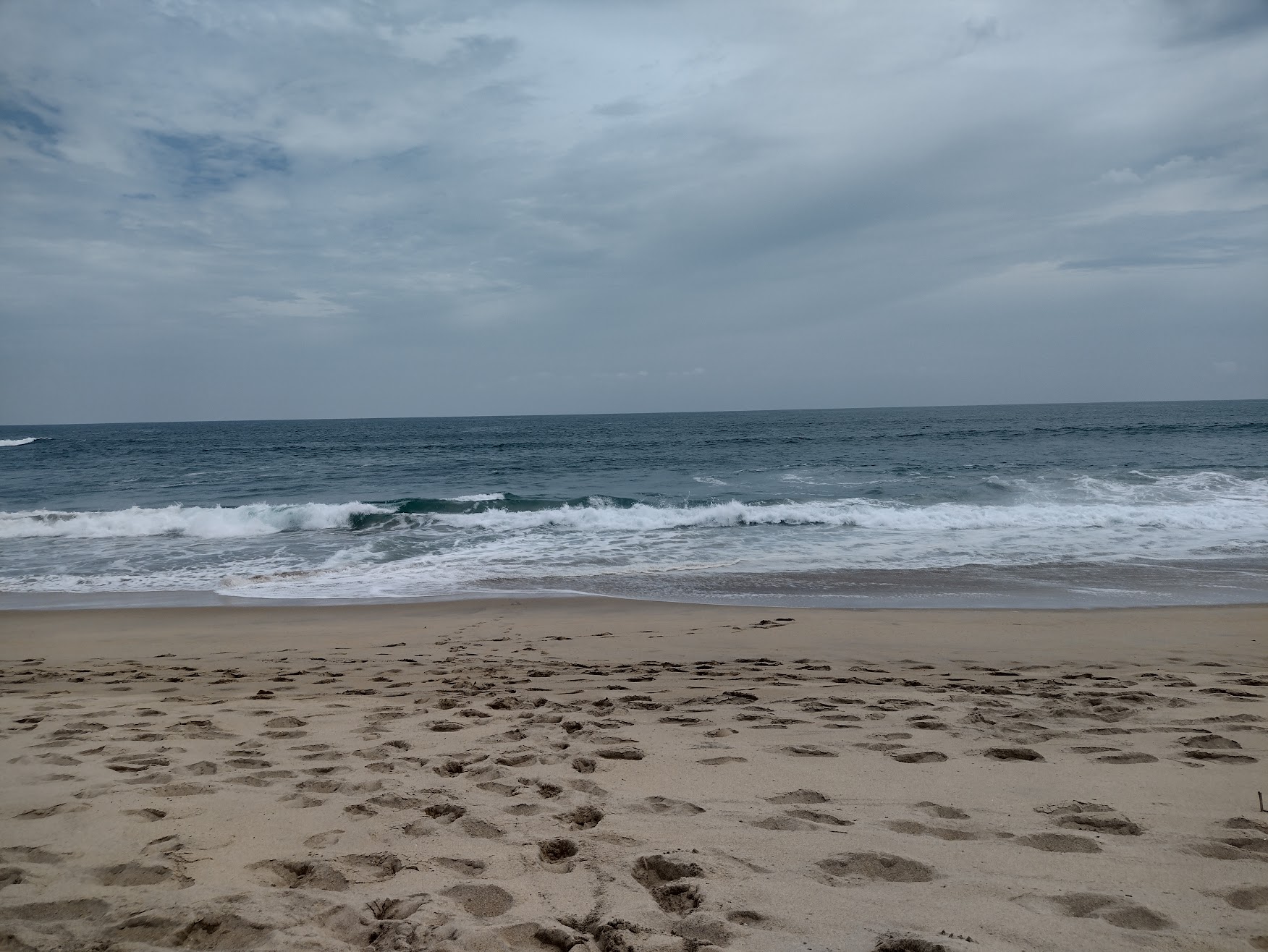
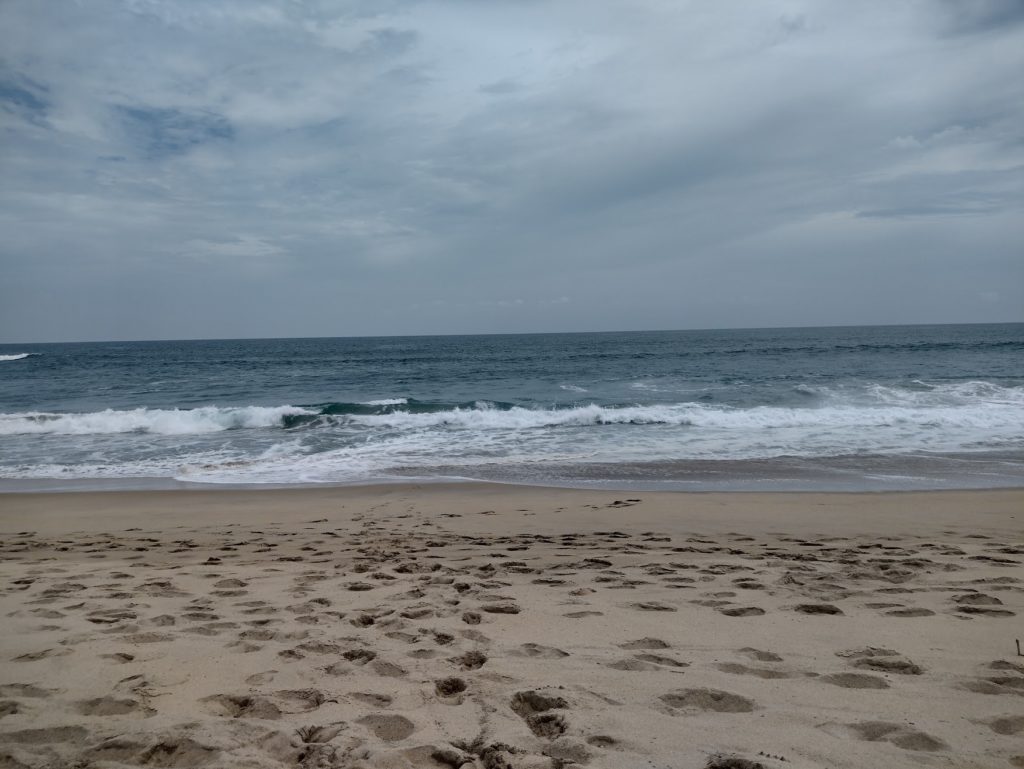
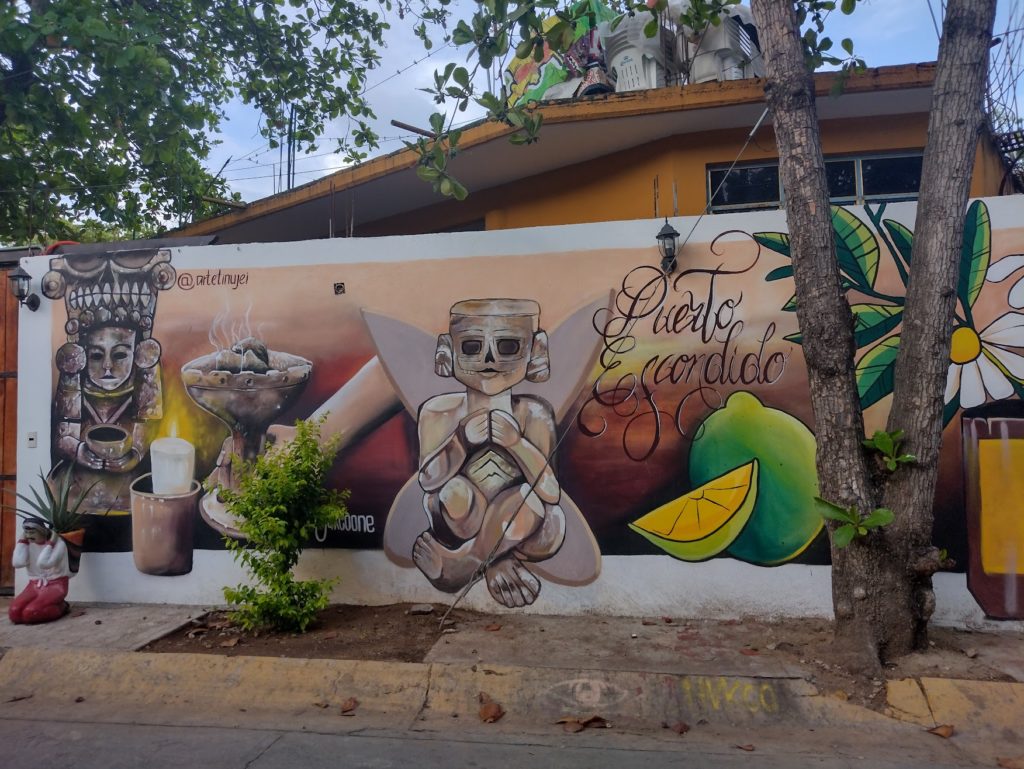
Wanting to finish the trip at a slower pace, we hopped on a bus down to Puerto Escondido on the Pacific coast — a surf town with a long beach, cold beer, and exactly the right energy to decompress after weeks of ancient history and bustling cities.
There are two options for the journey: the twelve-hour overnight bus that takes the long way round on the highway, or the eight-hour minibus through the mountains. We went for the minibus.
It was one of the most memorable journeys of the trip. The road wound up into the Sierra Madre del Sur through dense forest, the trees eventually disappearing into low cloud as we climbed higher. Then the rain came — torrential, the kind that hammers the roof and turns the road ahead into a grey blur. On one side of us, the mountain. On the other, drops that we tried not to look at too carefully.
Every so often the minibus would slow and someone would climb out in what appeared to be the middle of nowhere — no village, no sign of anything — and set off down a track toward their home. It was a reminder that this landscape, which felt wild and remote to us, was simply where people lived.
Then, gradually, the road began to drop. The cloud thinned, the rain eased, and through the windscreen the Pacific appeared — flat, silver, enormous. We pulled into Puerto Escondido sun-baked and slightly dazed, and went straight to find a cold beer.
We’d checked into a hostel right on the beach, and did very little for the last few days, other than enjoy where we were.
A Country That Gets Under Your Skin
Mexico had been on my list for years, and I’d built up an idea of what it would be like. The reality was bigger, stranger, and more generous than anything I’d imagined. A country where a hill turns out to be a pyramid, where the ruins of a city the size of ancient Rome were built by people whose name we don’t even know, and where a woman cooking in her garden serves you the best tacos of your life and waves you off like an old friend.
As a writer, I came looking for research material. What I found was something harder to categorise — a place that gets under your skin and stays there. The ancient world isn’t distant in Mexico, it’s visible in the landscape, present in the markets, embedded in the food. You don’t have to go looking for it. It finds you.
We covered a lot of ground in a month, and barely touched the surface. The Caribbean coast, the Yucatán Peninsula, the jungle ruins of Chiapas — each one a separate adventure waiting to happen. That said, Mexico isn’t a destination you tick off, it’s a place you keep returning to, each time finding a different layer of it. Which, for someone who makes a living out of turning travel into thriller novels, suits me just fine.