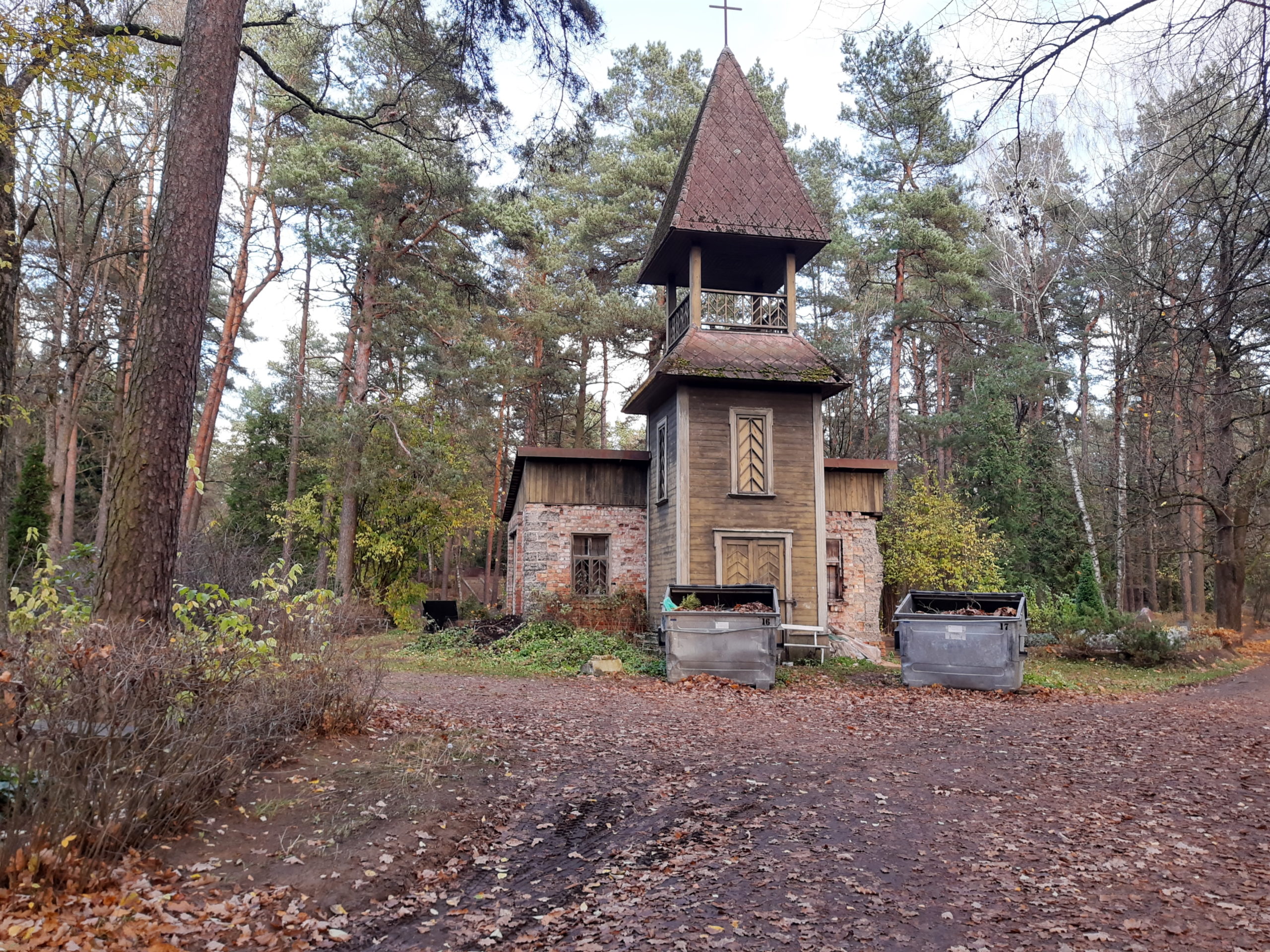
My visit to Riga was unique. It’s the sort of trip I don’t think I’ll ever make again. At the time, it was exactly the place I needed, and because of that it remains very special to me.
Arriving in a Locked-Down City
During a brief intermission in the 2020 Covid pandemic I visited Riga, Latvia and ended up in the middle of a lockdown there. I knew that was a risk when I decided to take the trip, but as someone who needs to experience new places to create, I felt as though I didn’t have a choice. I, as we all had, had spent the last few months going no further than a few miles from home and I needed to travel. So, when I got the opportunity, I went for it.
Of course, I took the necessary precautions and isolated for the first ten days of the trip. In fact, as it ended up, I don’t think I spoke to a single person face to face for over three weeks. These were the times that we were all talking online anyway, so the fact that I was in a different country actually made no difference.
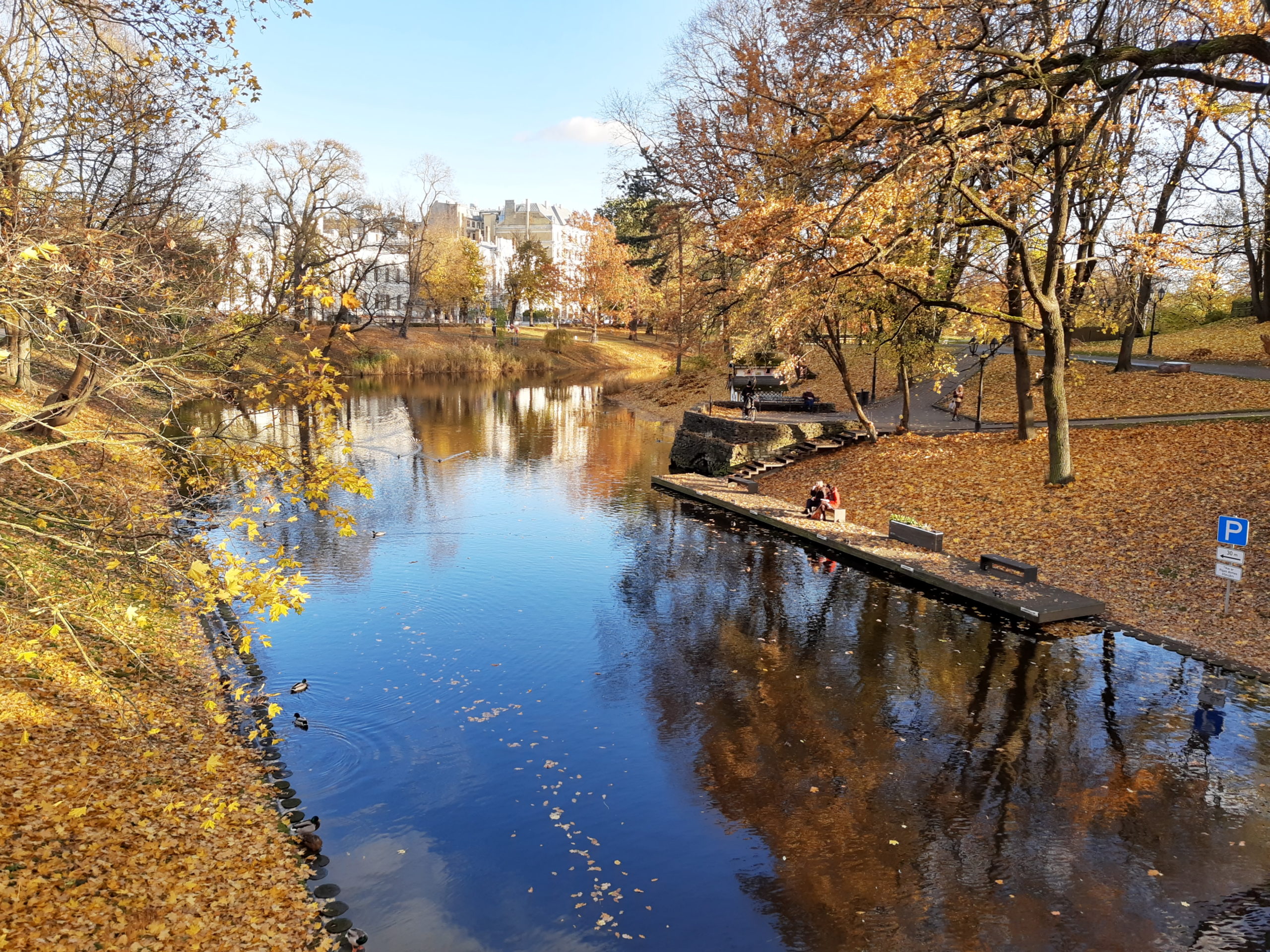
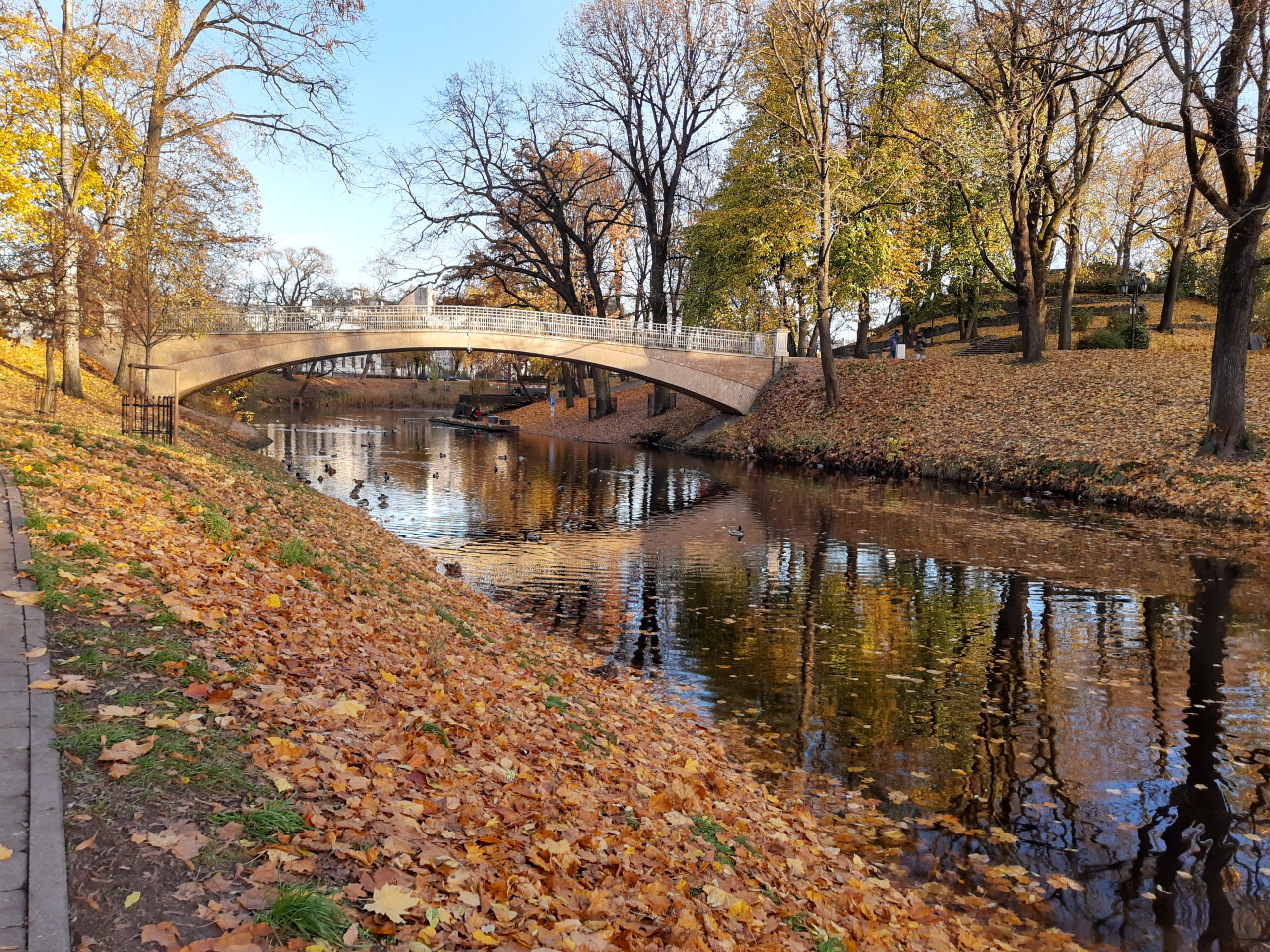
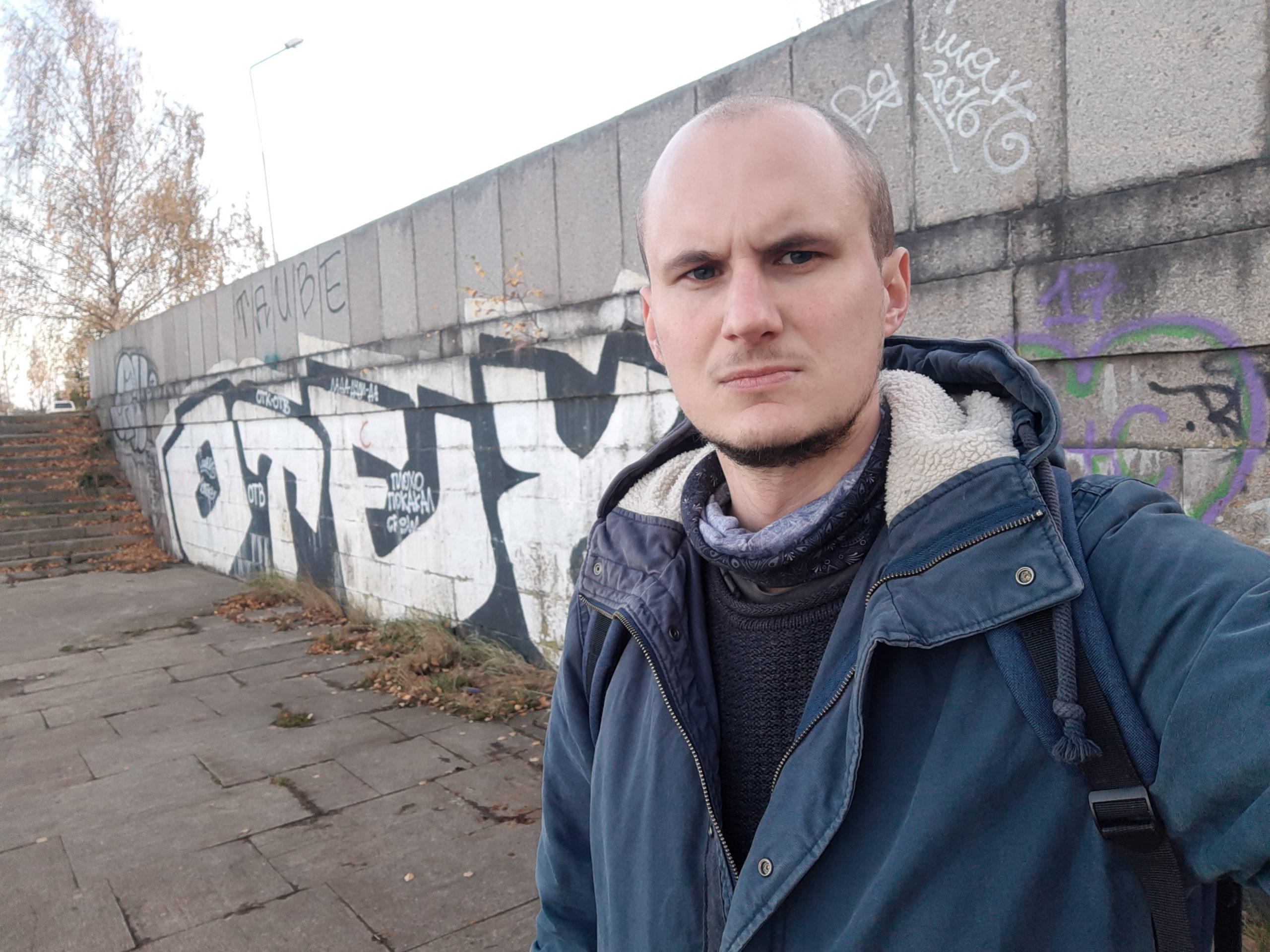
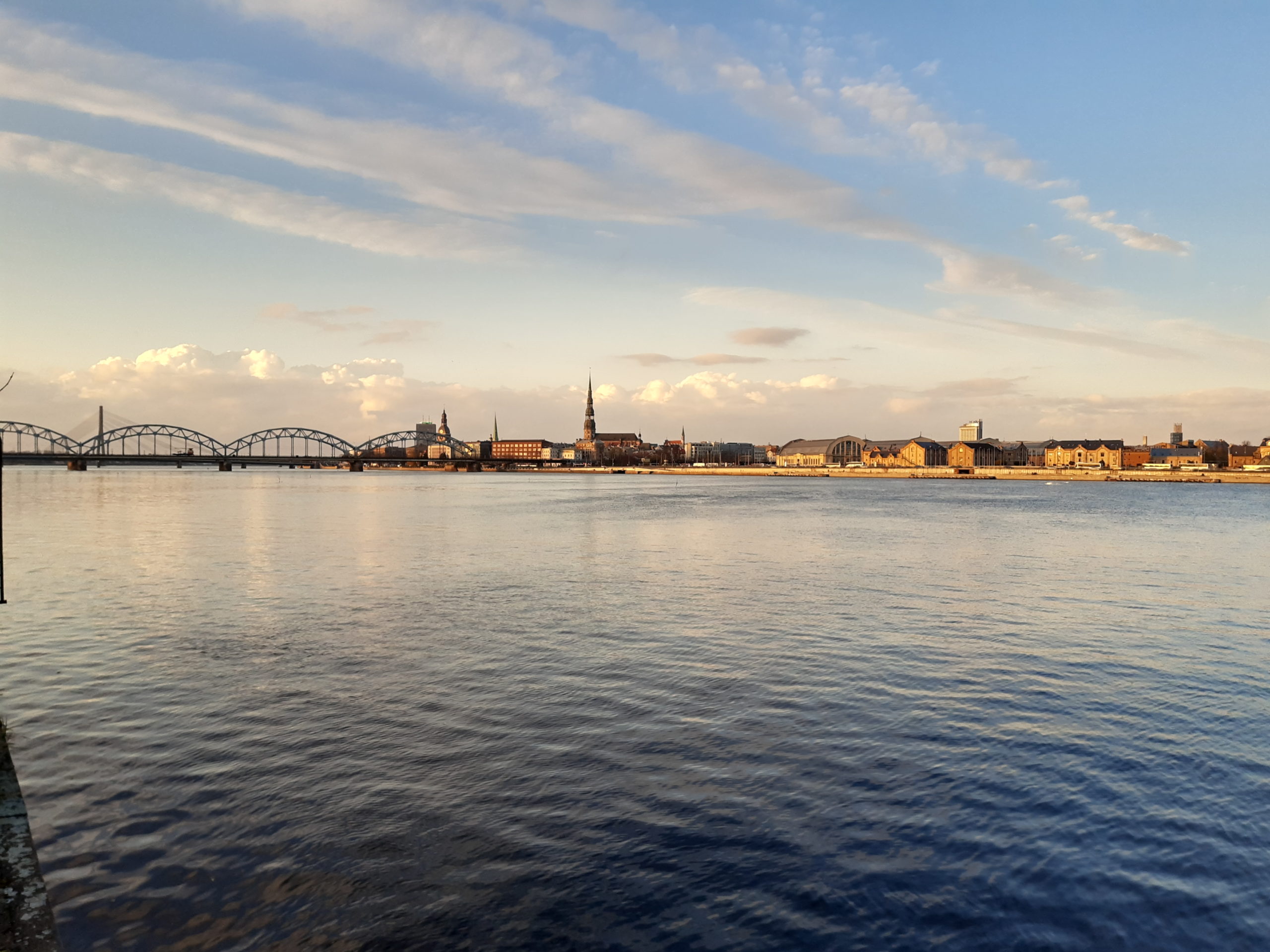
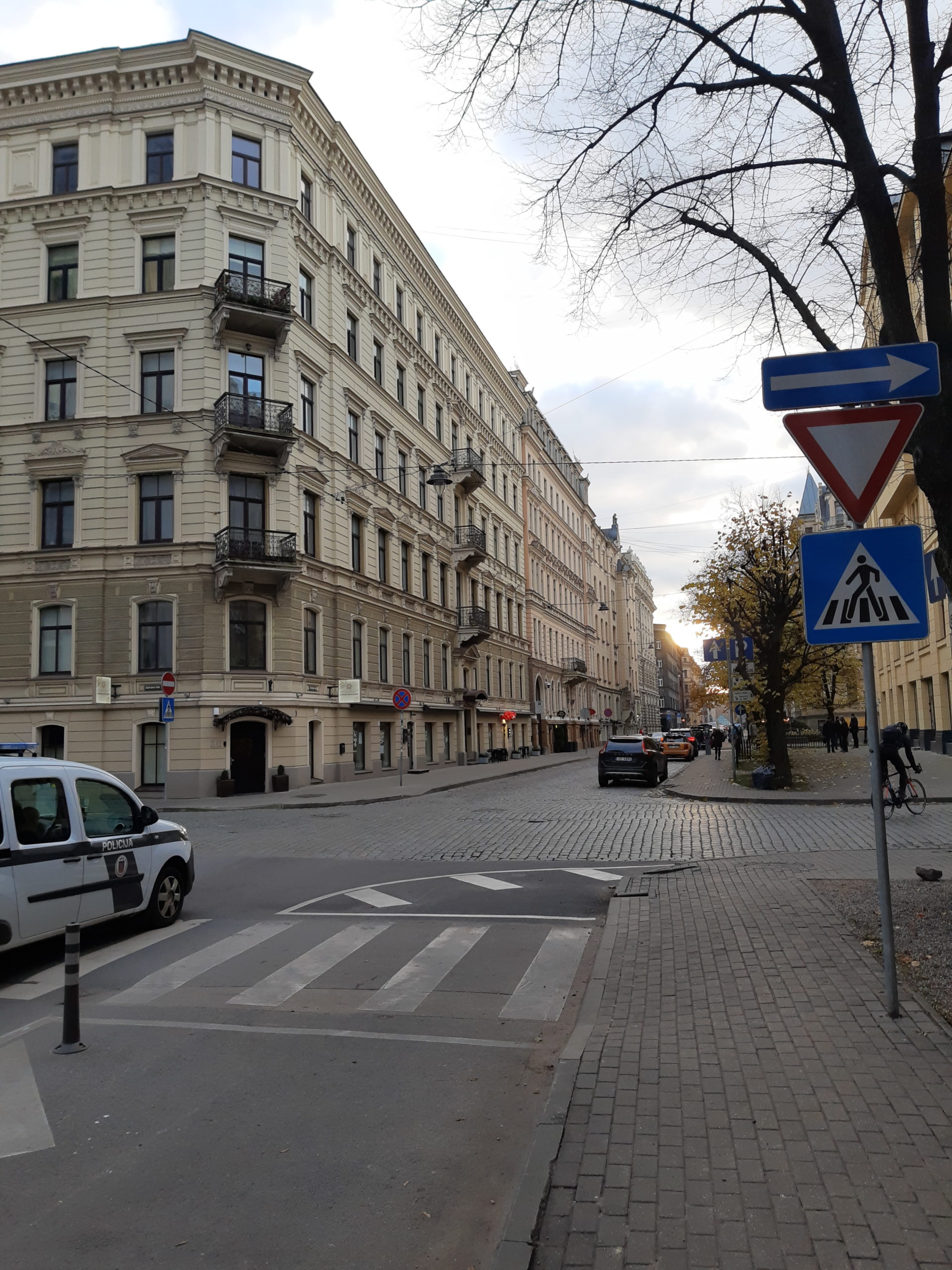
Each day, I spent the mornings working in the apartment and then in the afternoons I would walk around the city. It was such a strange experience, and one that I’m now very grateful for, as I got this beautiful city pretty much to myself.
The Old Town: Vecrīga
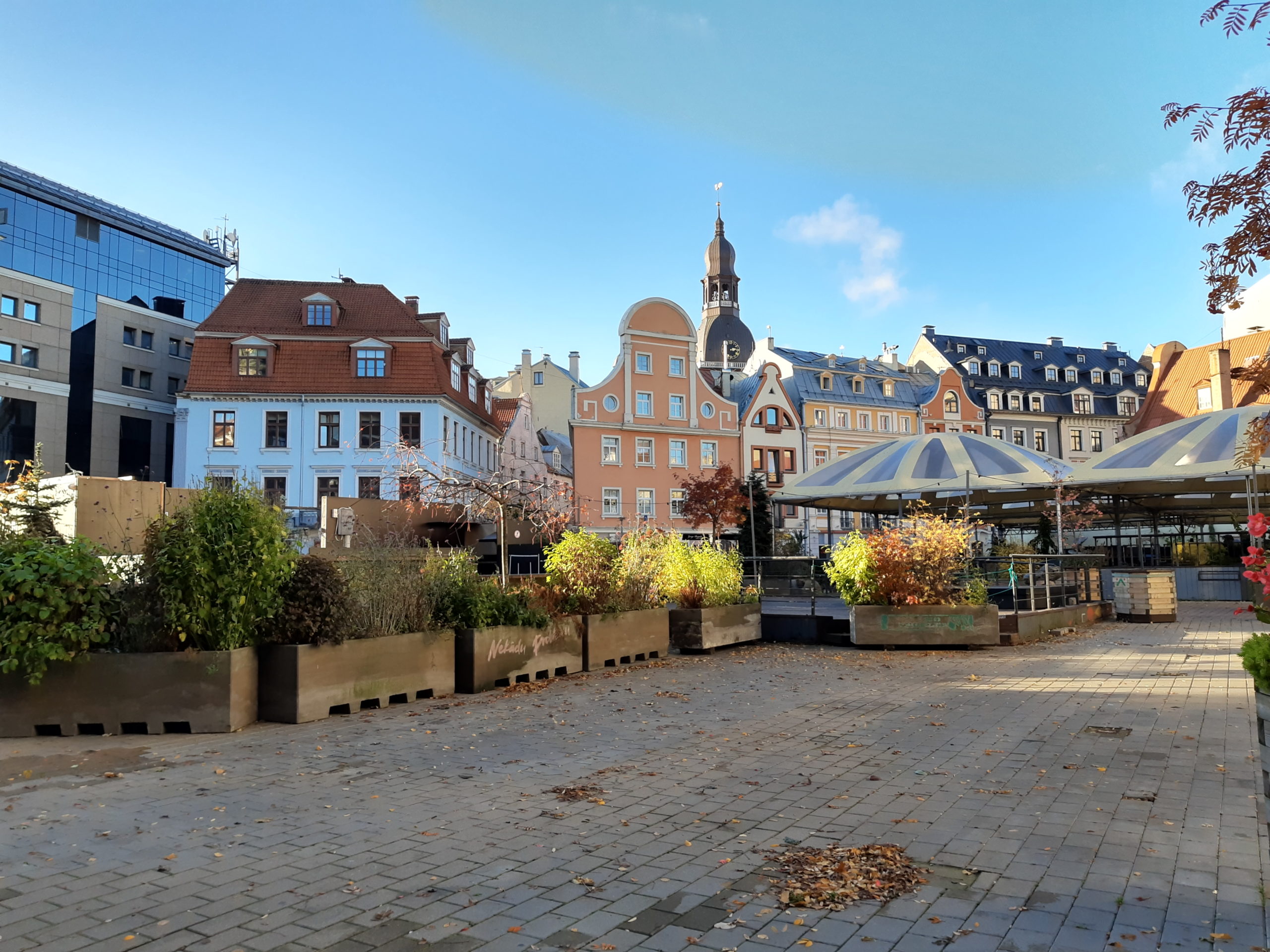
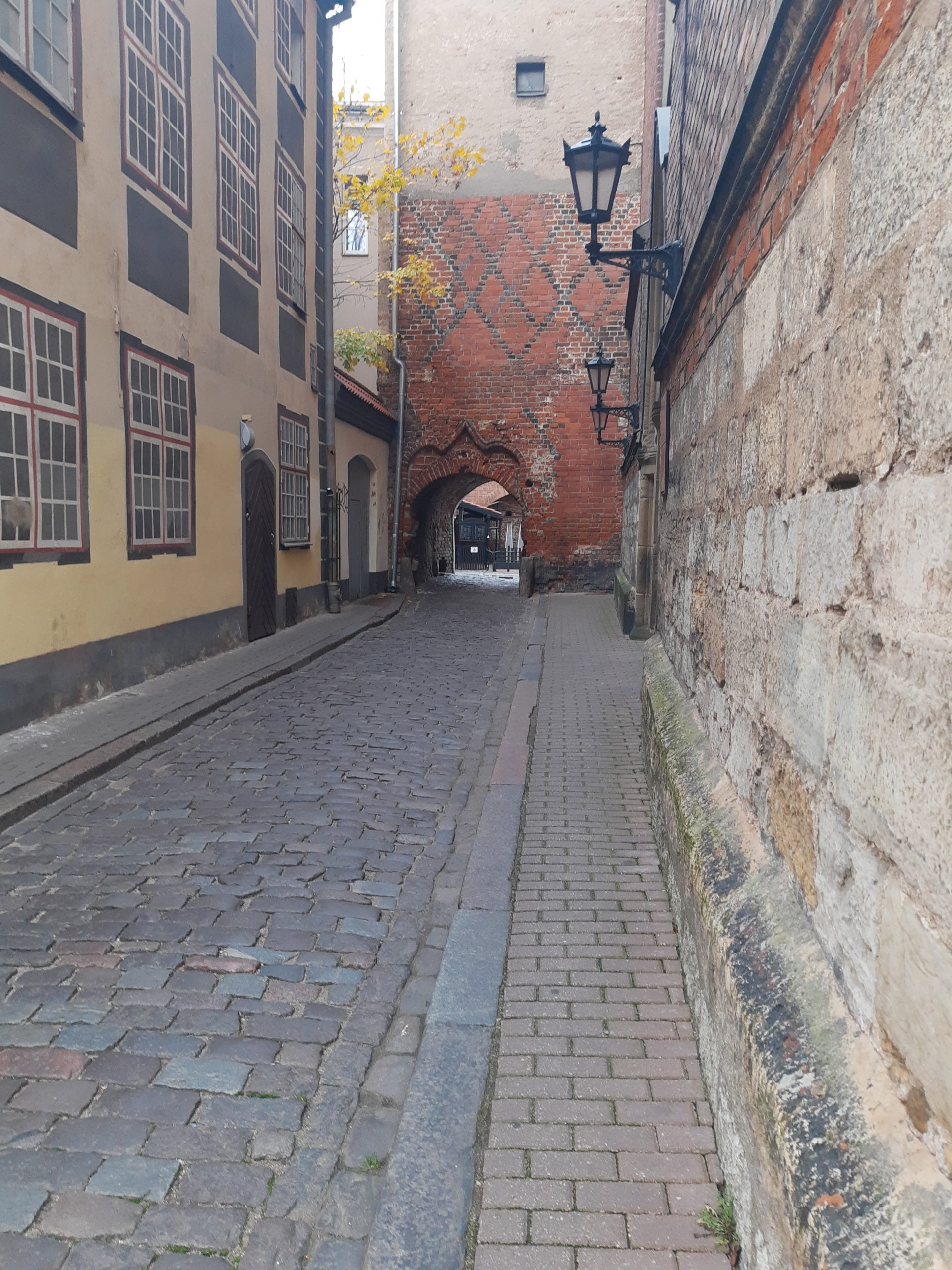
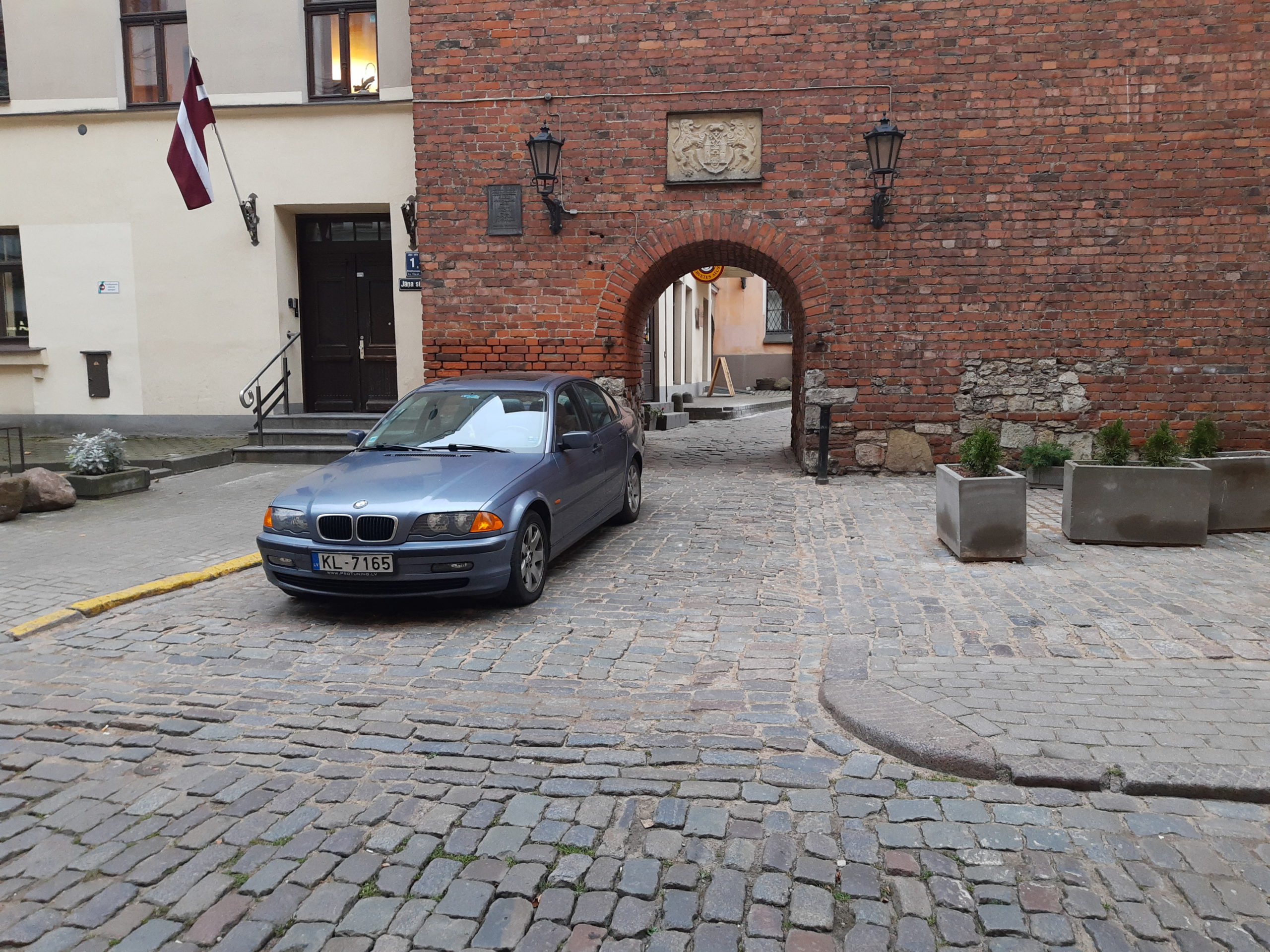
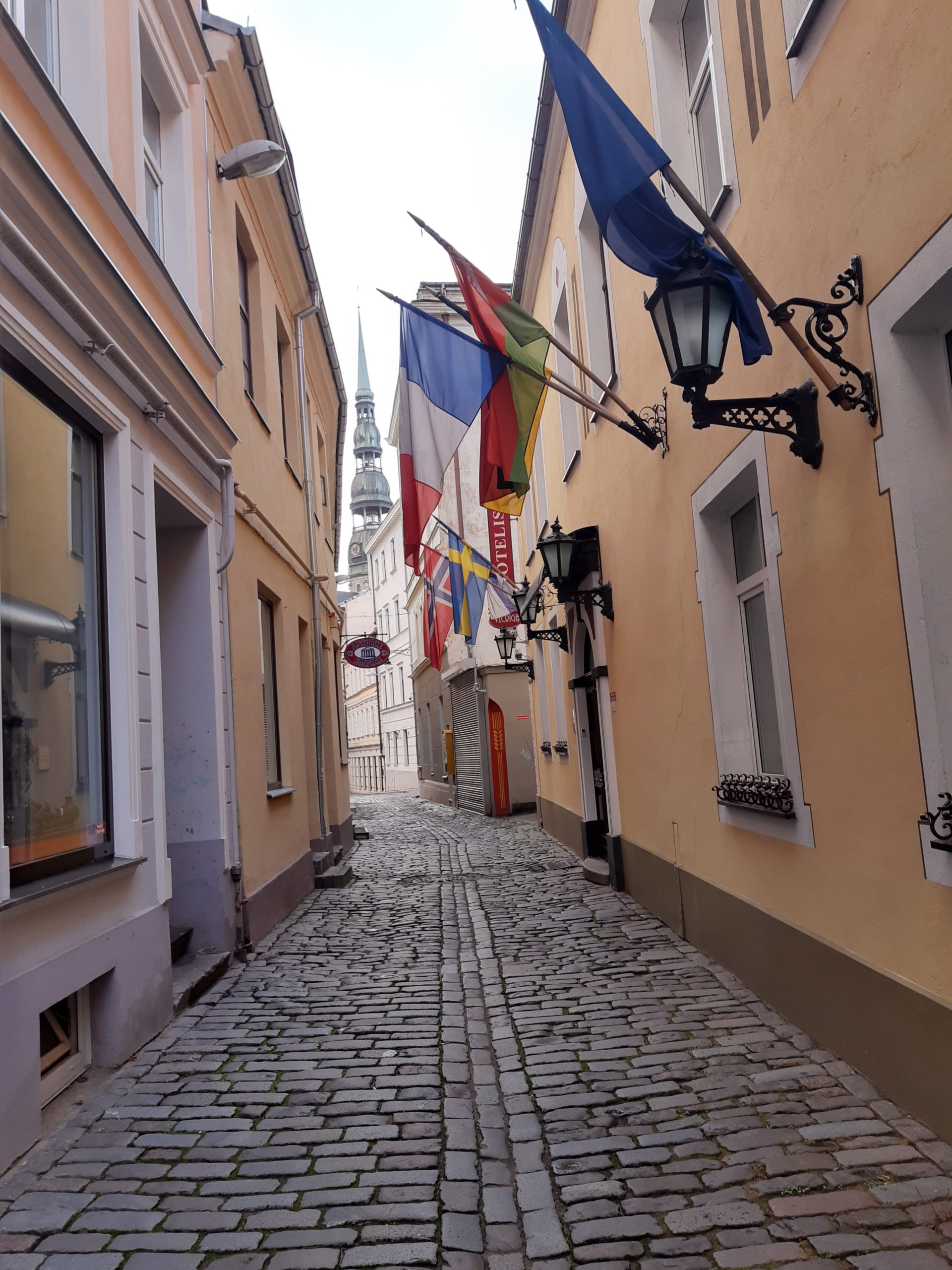
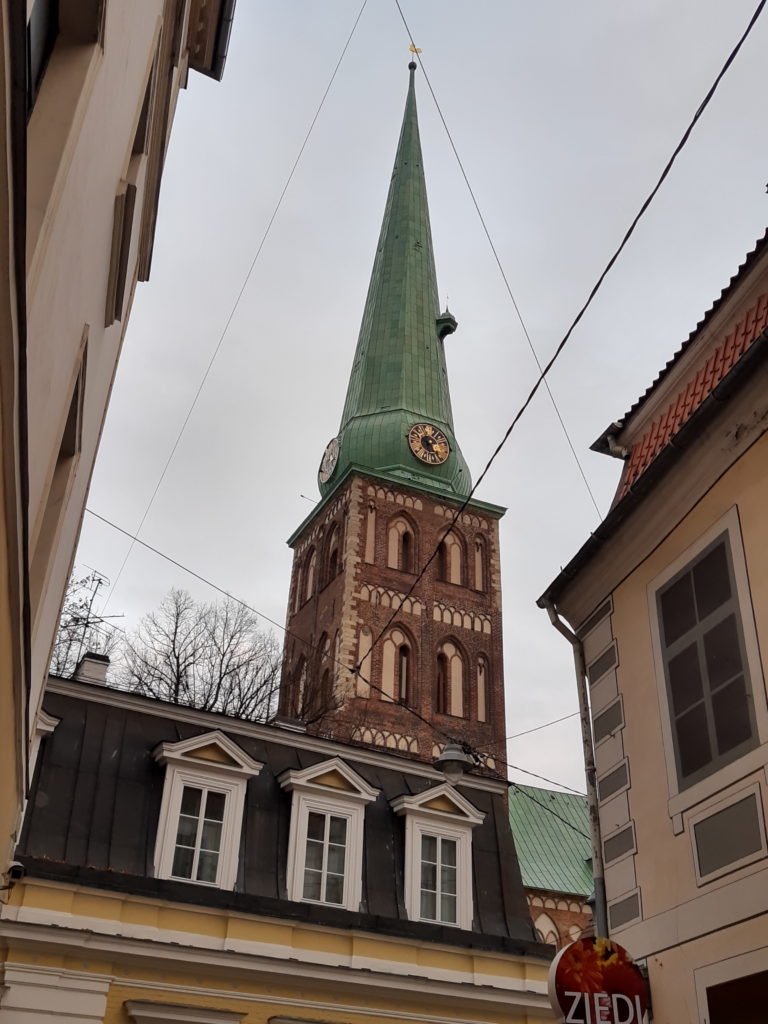
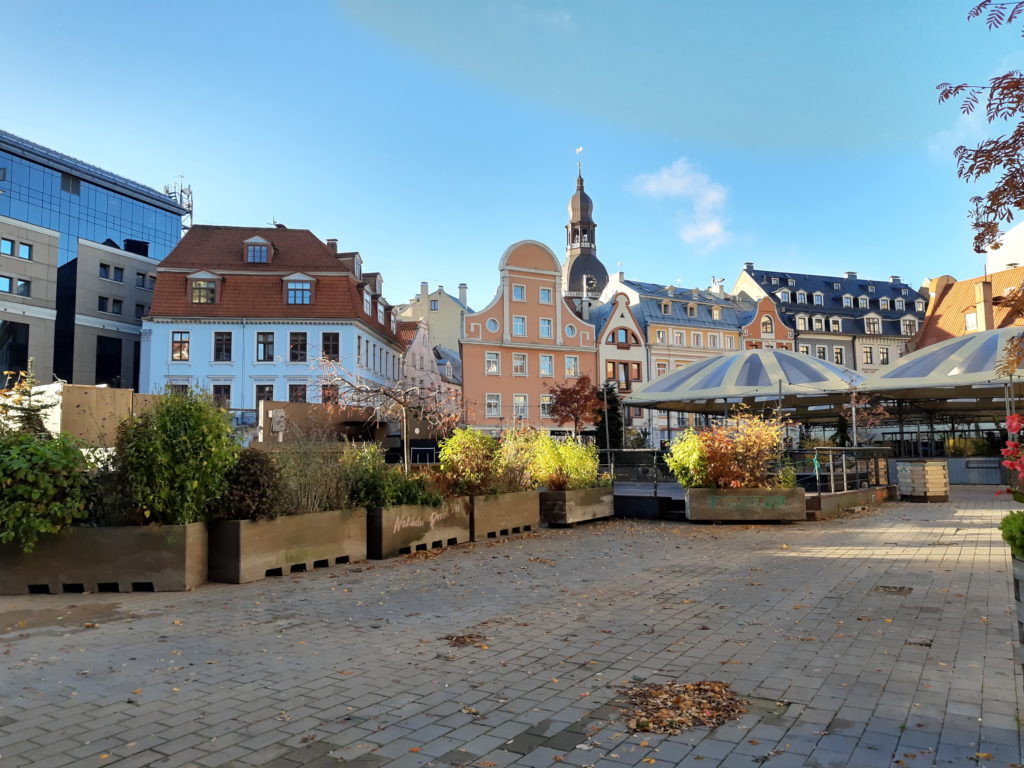
Under normal circumstances, the Old Town — Vecrīga — is one of the most visited parts of the city. Usually restaurants spill out across the medieval square, and tourists fill every cobbled lane. While I was there, all was closed, shuttered and still, and entirely mine.
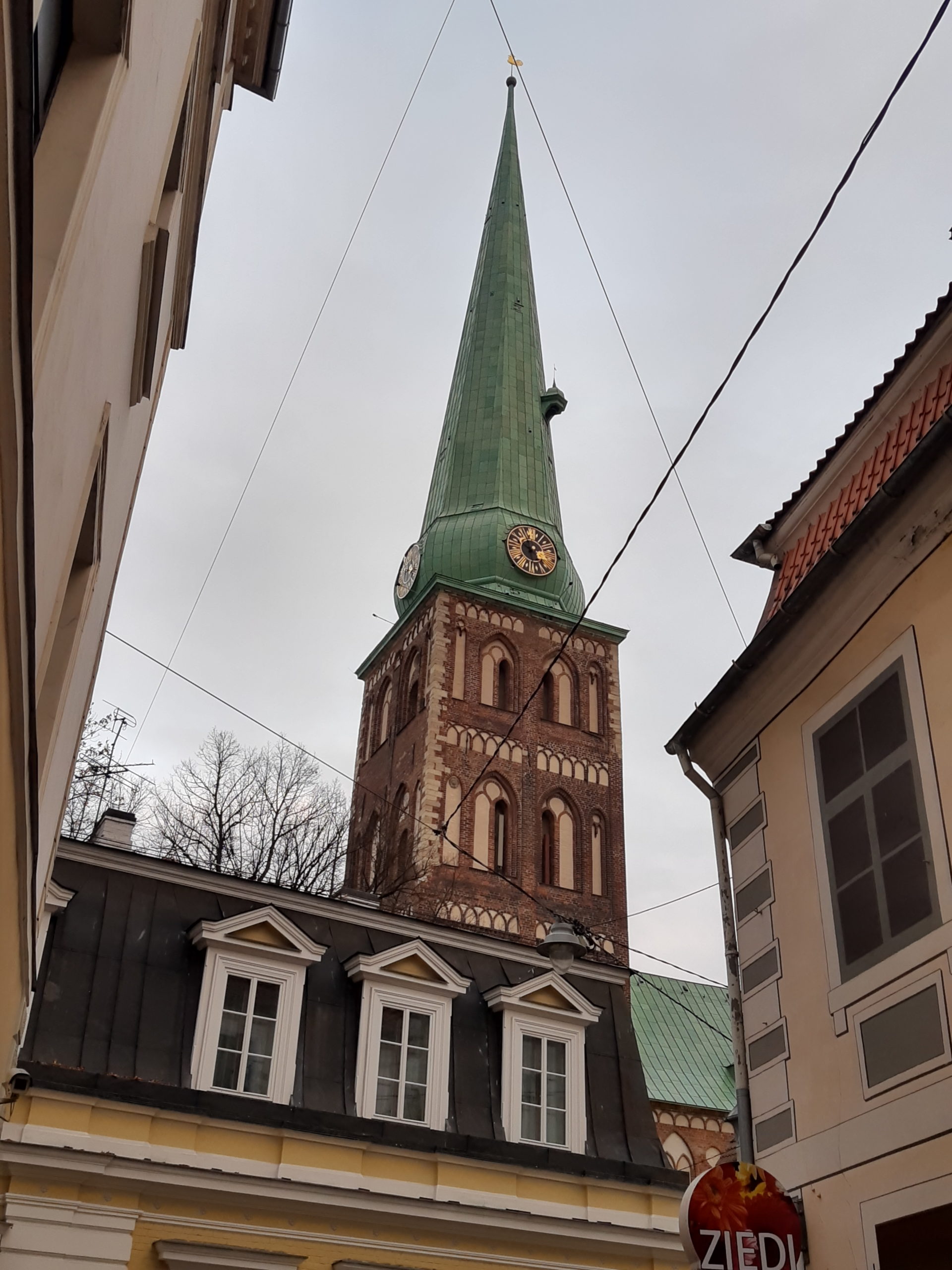
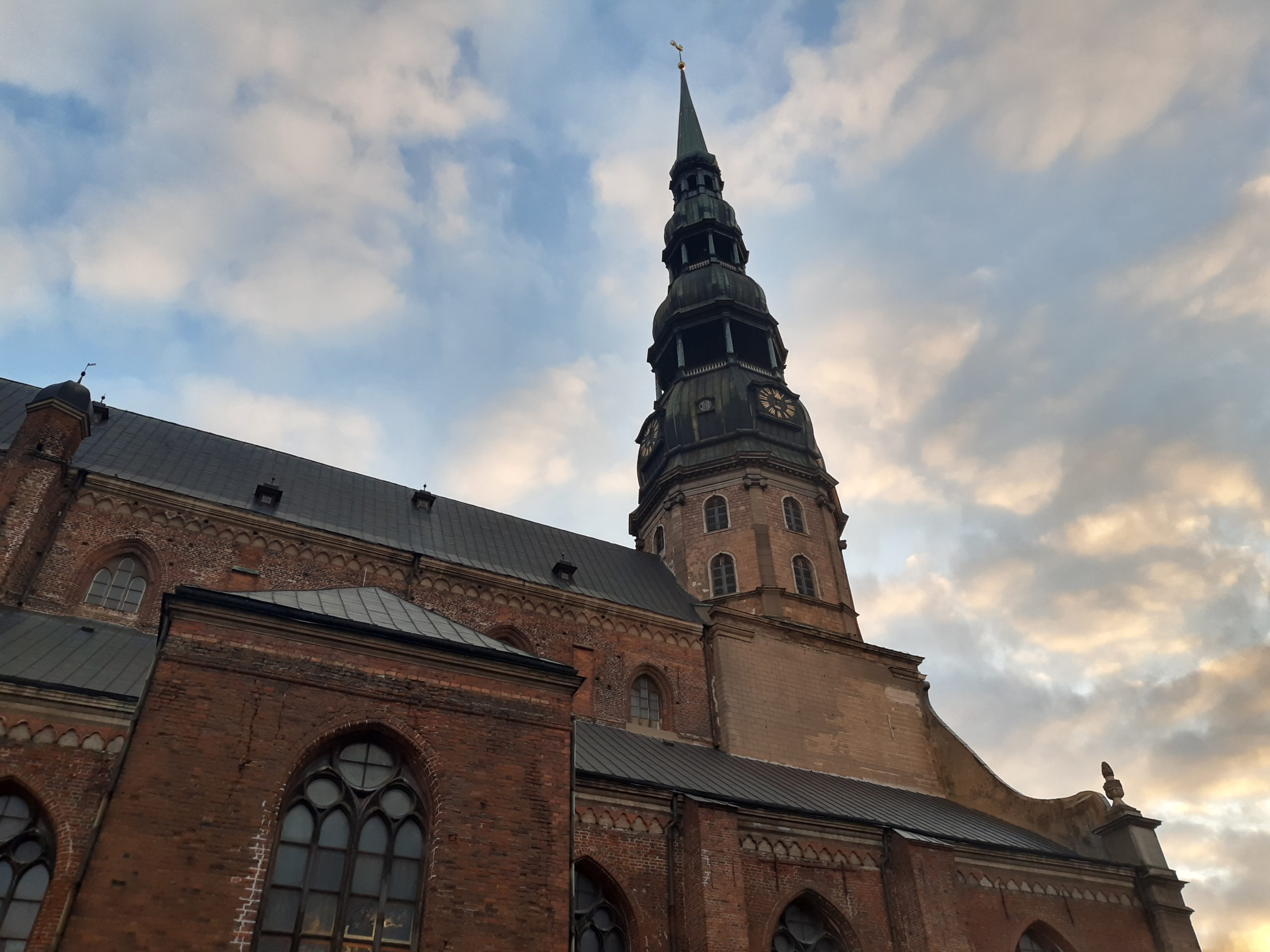
Walking those streets alone, past medieval guild houses and Gothic church spires, felt like being in a dream. The Old Town is over 800 years old, and at every corner something new opens up — Gothic churches, ornate squares, pastel-coloured facades — and without the usual crowds, I could stand in the middle of the street and just look. St Peter’s Church rises above everything with a 124-metre spire, and on a clear afternoon you could see it from what felt like half the city away.
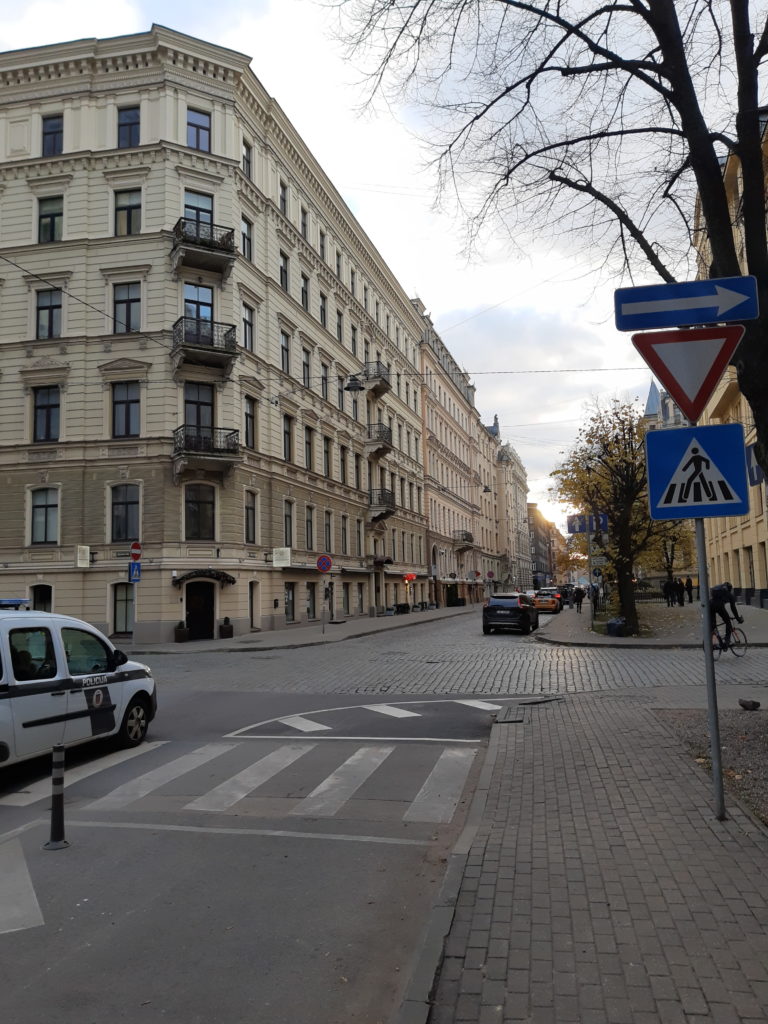
The Art Nouveau District and Alberta Street
From the Old Town, I’d often wander out towards the Art Nouveau district — about a ten-minute walk through the parks and boulevards that ring the old city. More than a third of Riga’s city centre is built in Art Nouveau style, making it one of the largest collections in Europe, and the centrepiece of it all is Alberta Street. The street was built in a remarkably short window — from 1901 to 1908 — and every building on it stands as its own architectural achievement. Walking down it alone, in a city under lockdown, felt like being given private access to an open-air museum. The facades are covered in carved faces of women, lions guarding doorways, and intricate symbolic motifs — dragons, mythical creatures, screaming masks — all of it staring down at you from every roofline and balcony.
Riga Central Market: A Cathedral of Commerce
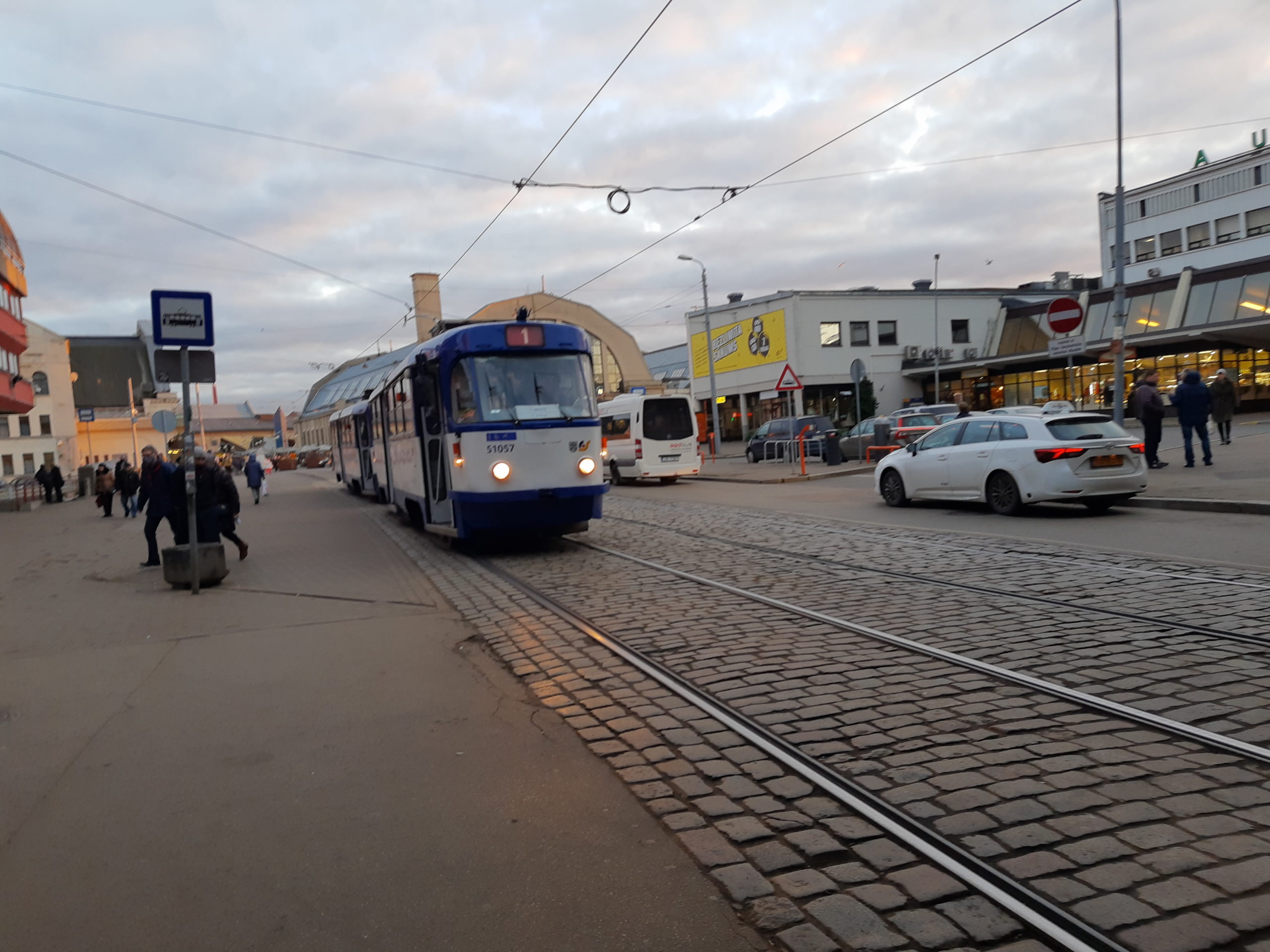
I often wandered down to the Riga Central Market, which sits just a short walk from the Old Town on the banks of the Daugava River. The market is housed in five enormous pavilions built from the repurposed steel frameworks of World War One German Zeppelin hangars — and standing inside them, you can absolutely believe it. The structures are vast and cathedral-like, their curved iron ribs arching overhead while below, stalls stretch off in every direction selling fish, meat, vegetables, dairy, spices, and what seemed like everything else on earth. When it opened in 1930 it was the largest and most modern market in Europe, and even now, wandering through it, that scale is hard to shake. For me, it was quieter than usual, but still very much alive — one of the few places in the city that felt like it was still operating at something close to normal. It’s a UNESCO World Heritage Site, which sounds grand but also feels entirely right.
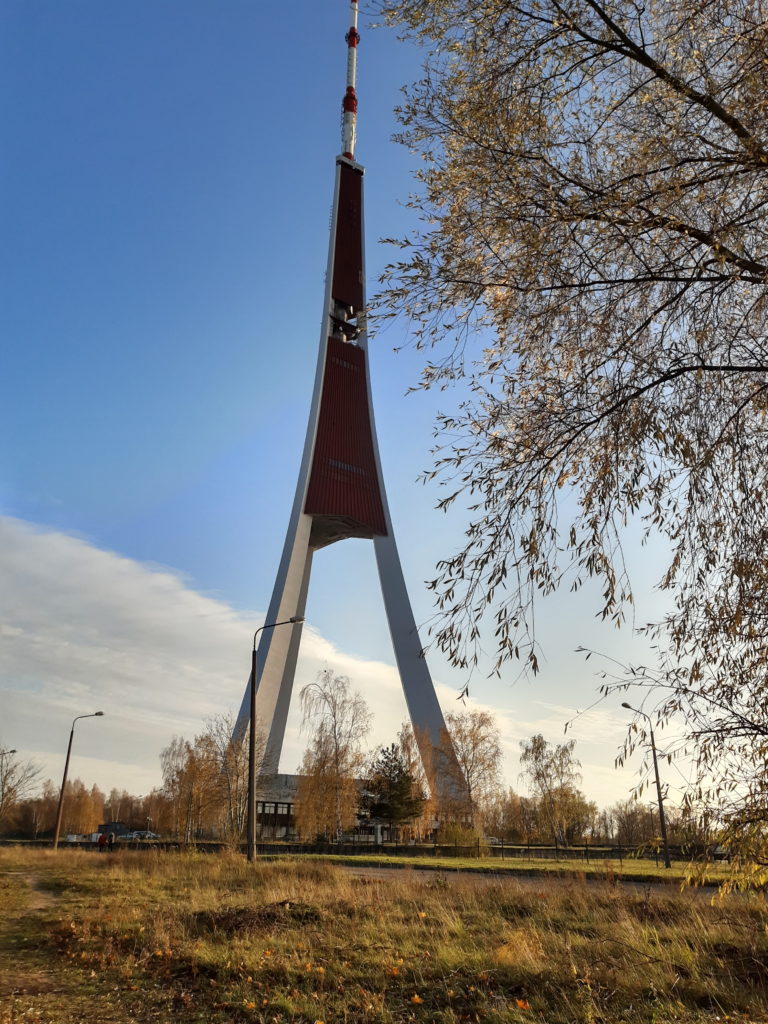
The Soviet TV Tower on Zaķusala
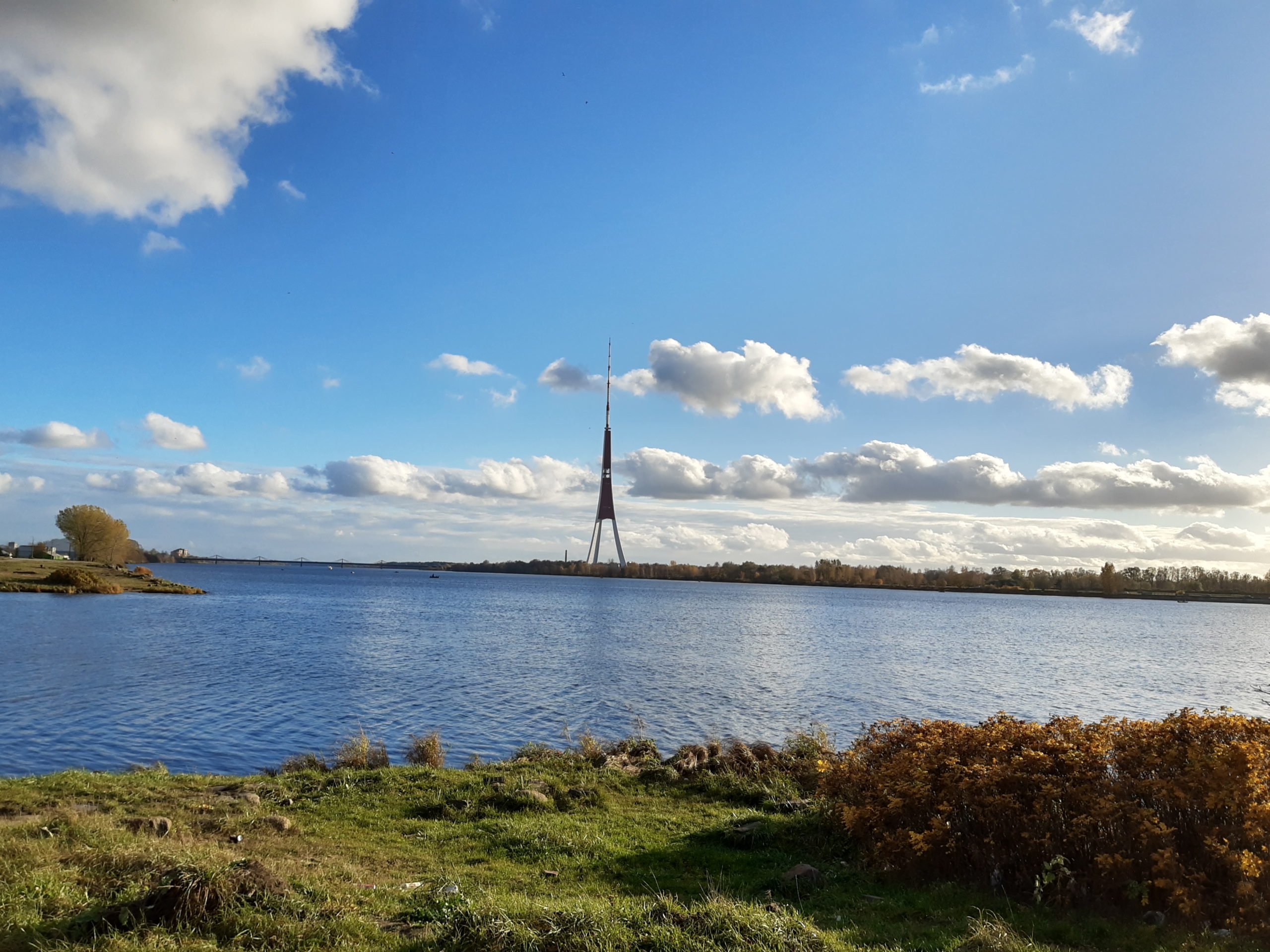
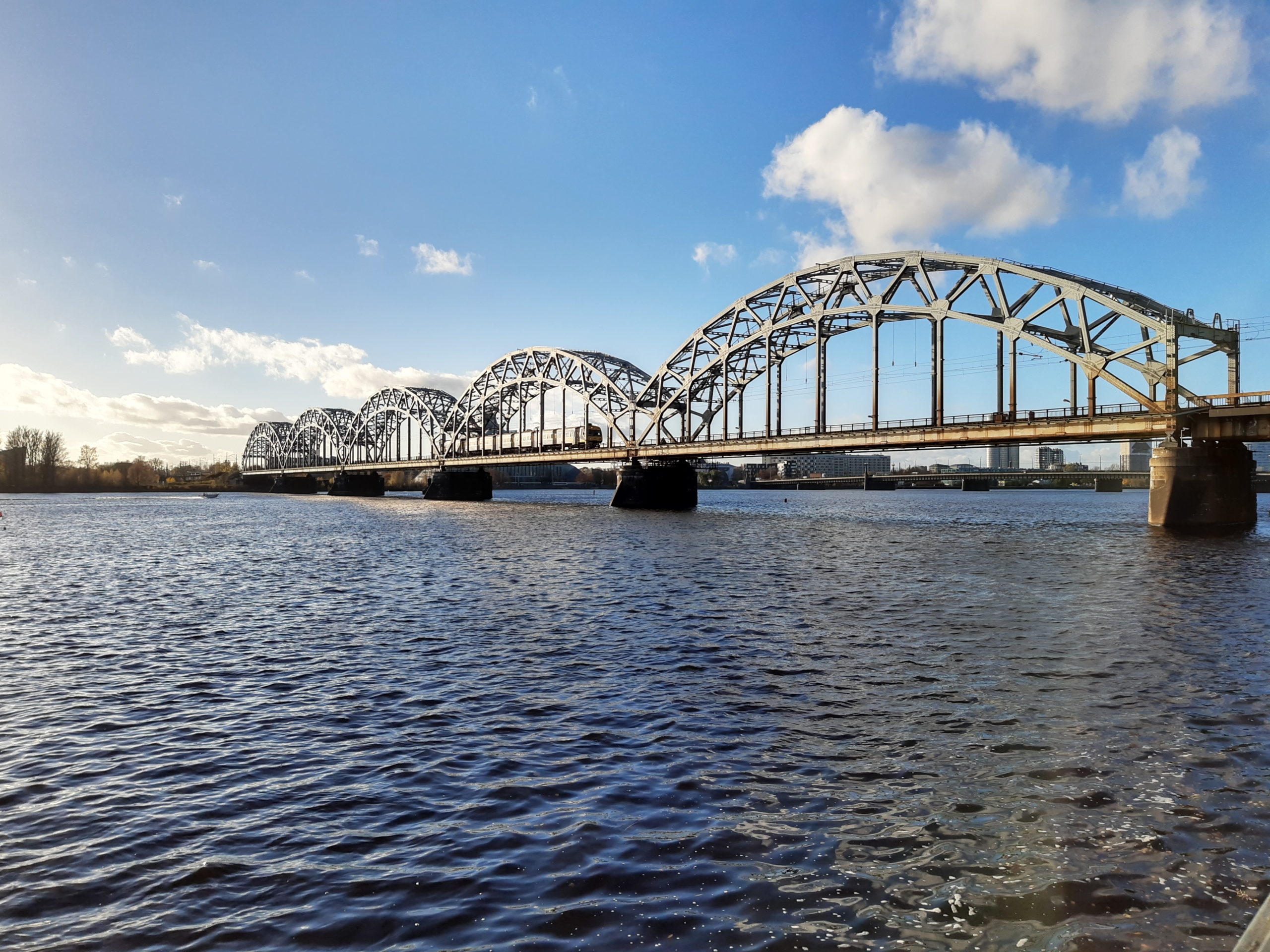
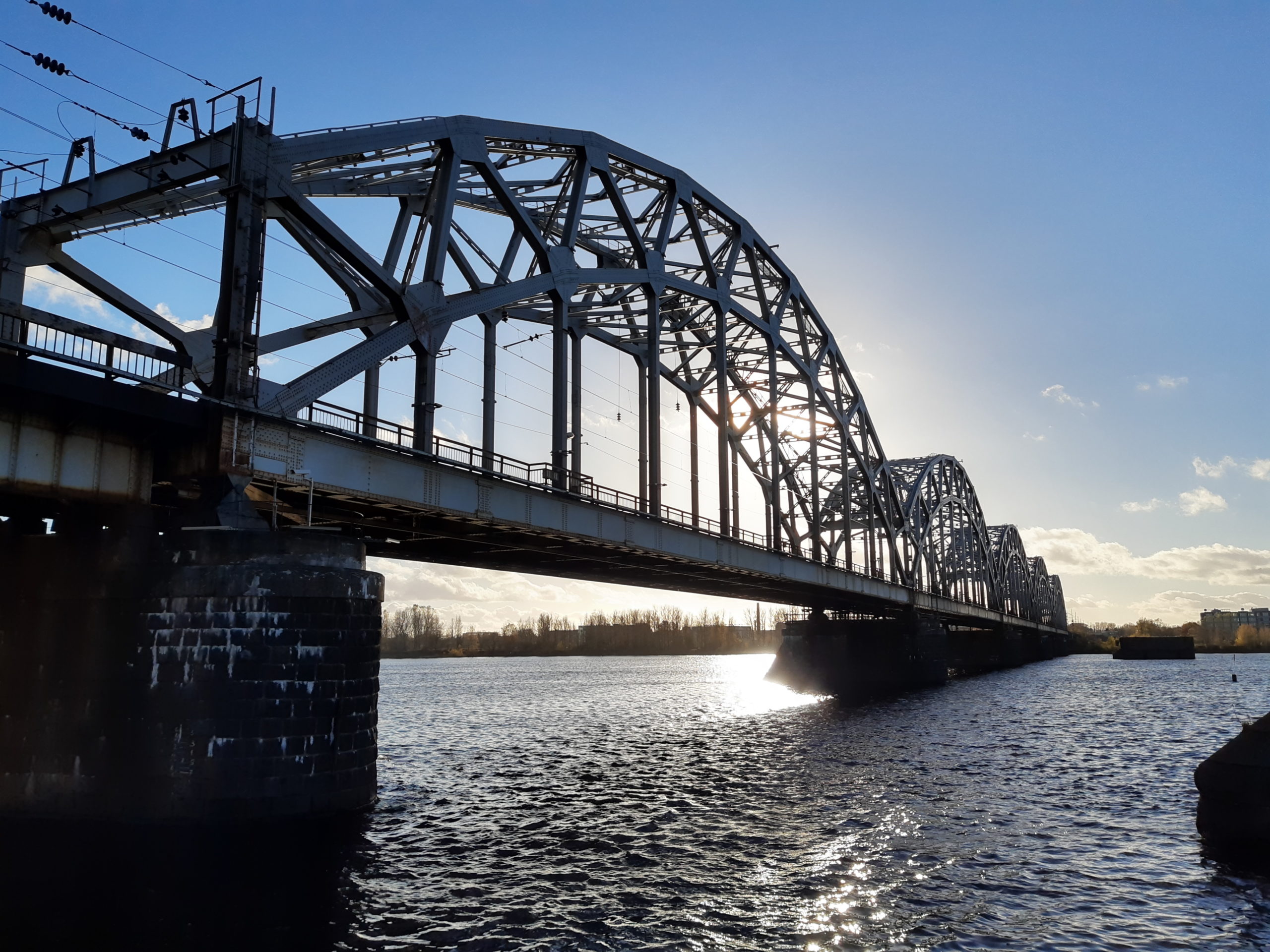
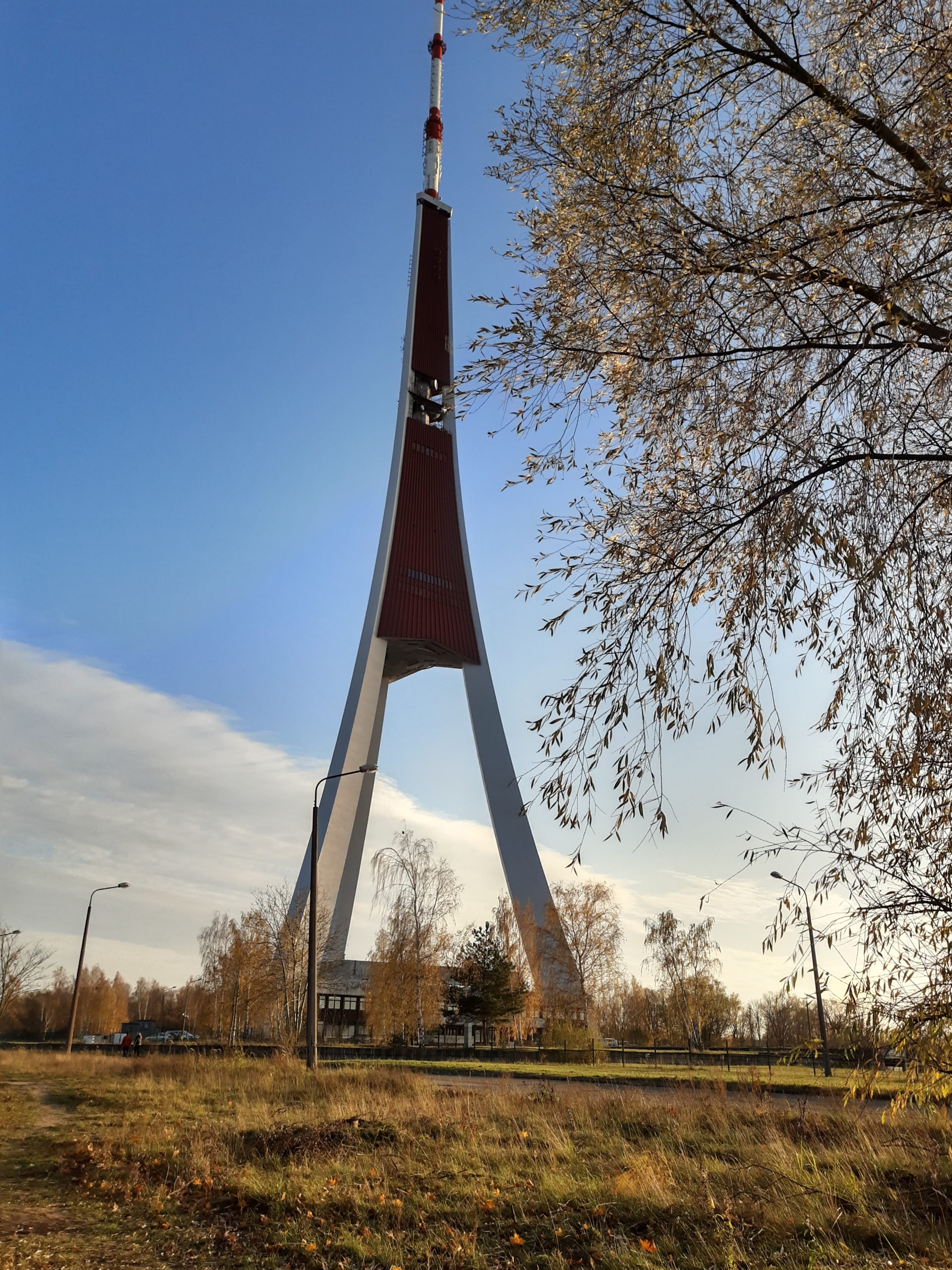
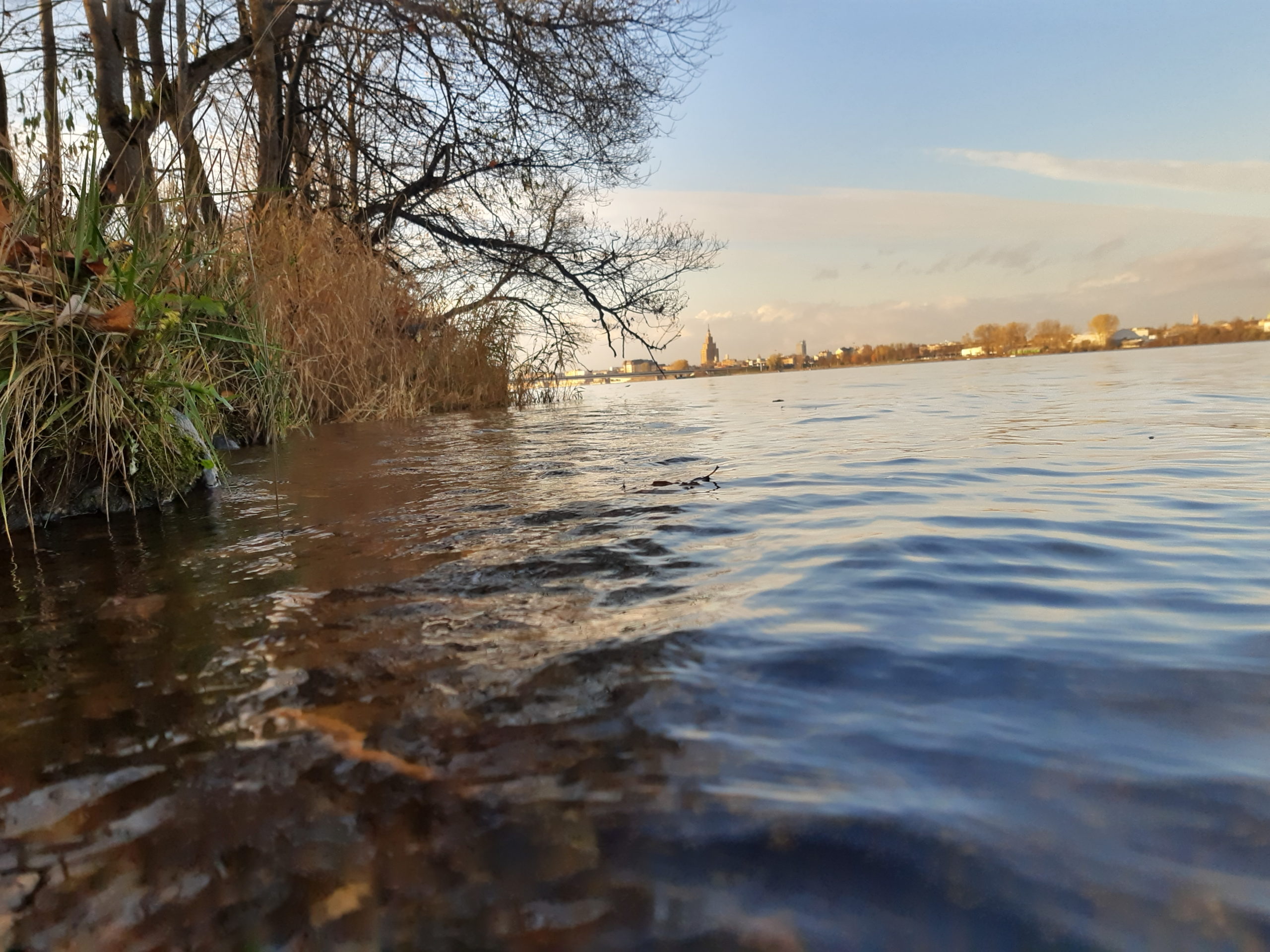
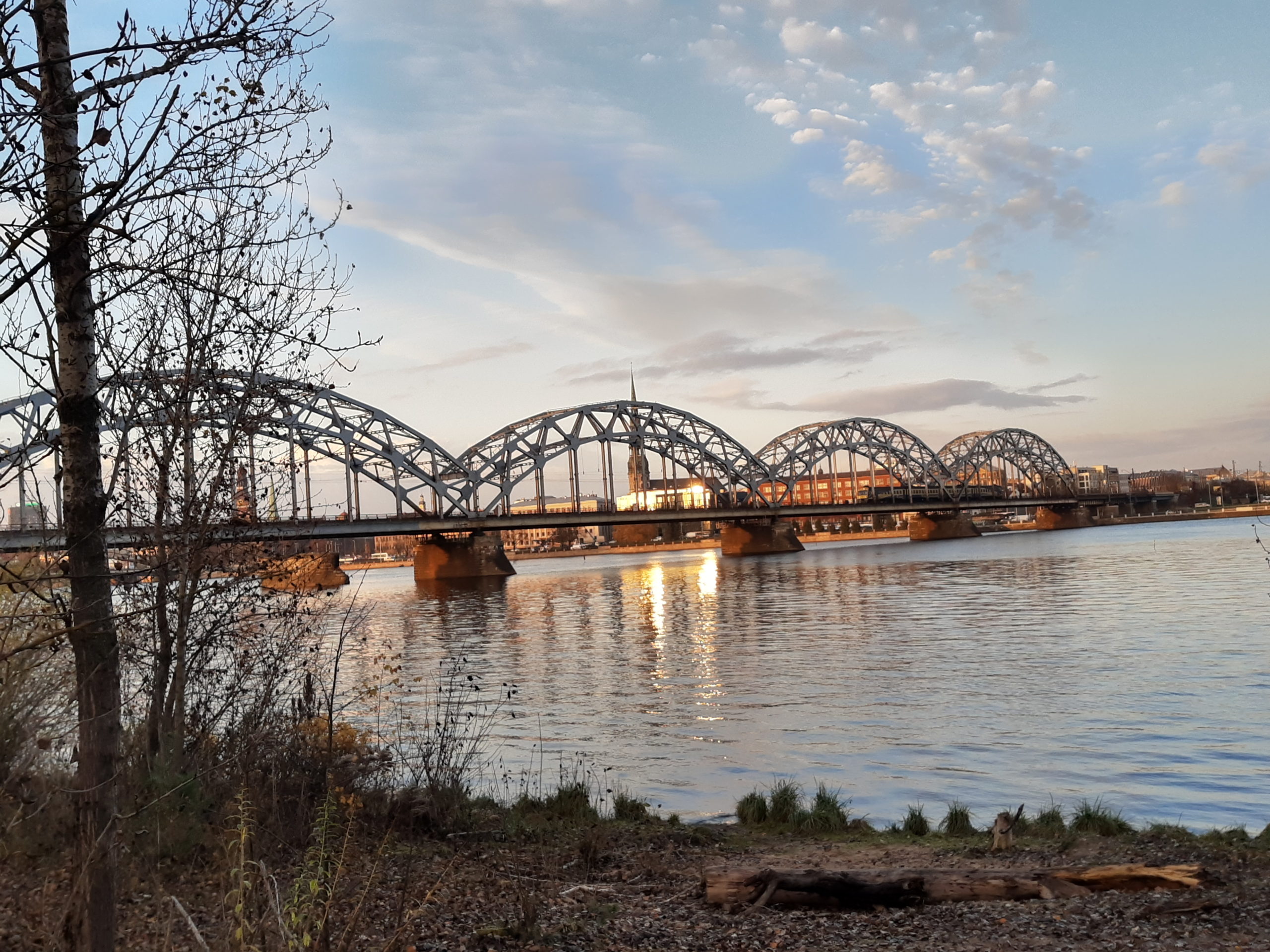
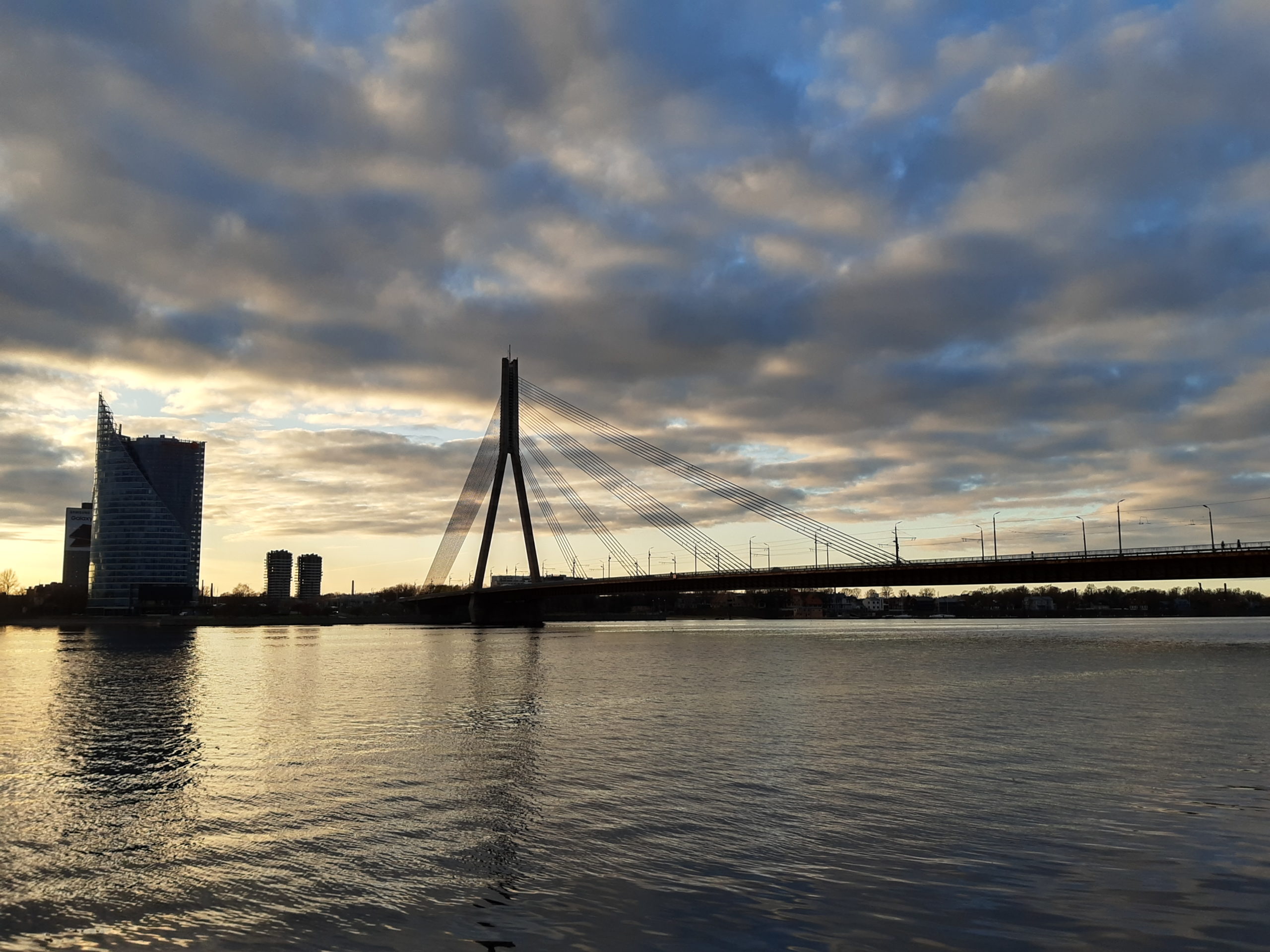
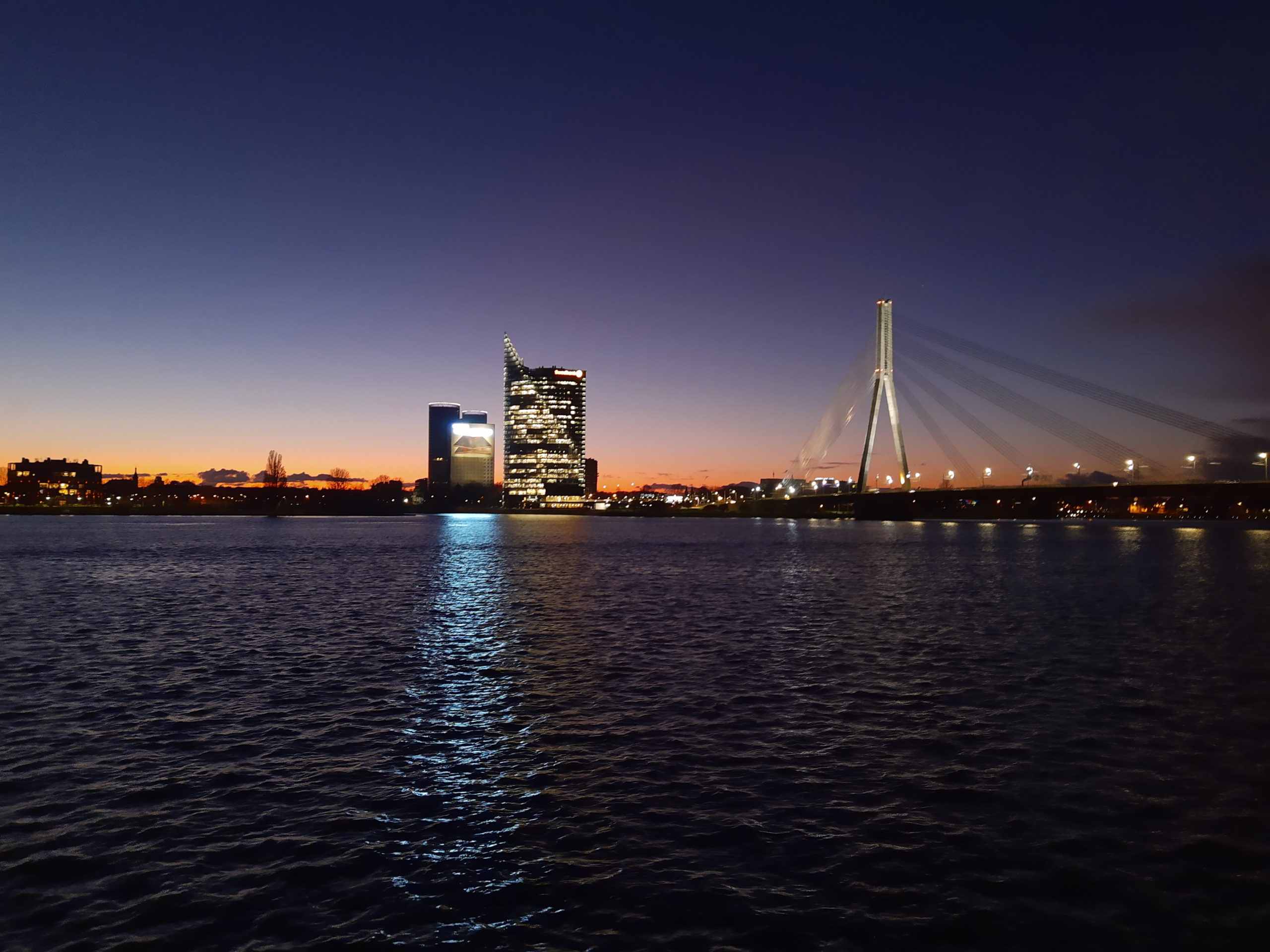
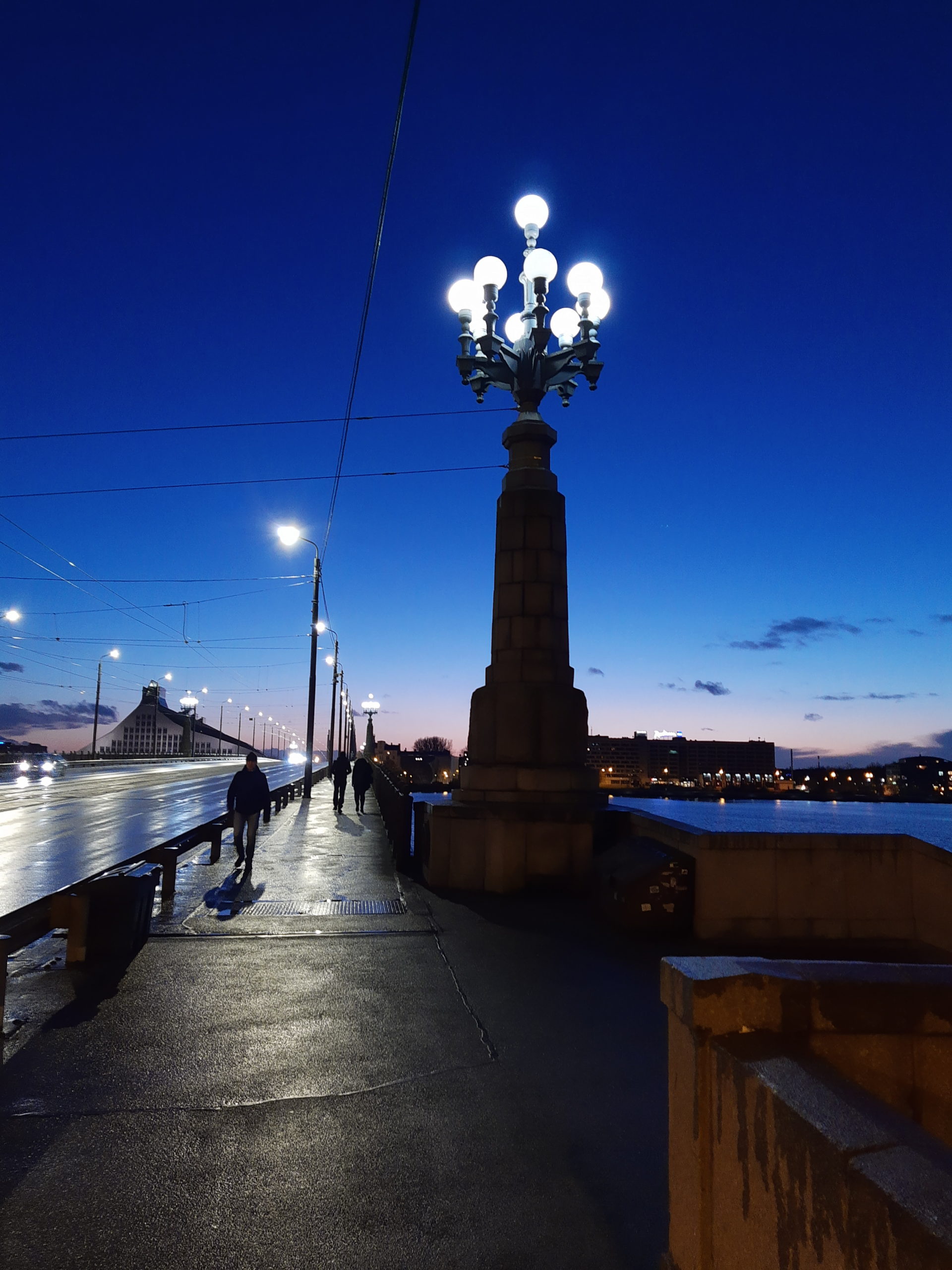
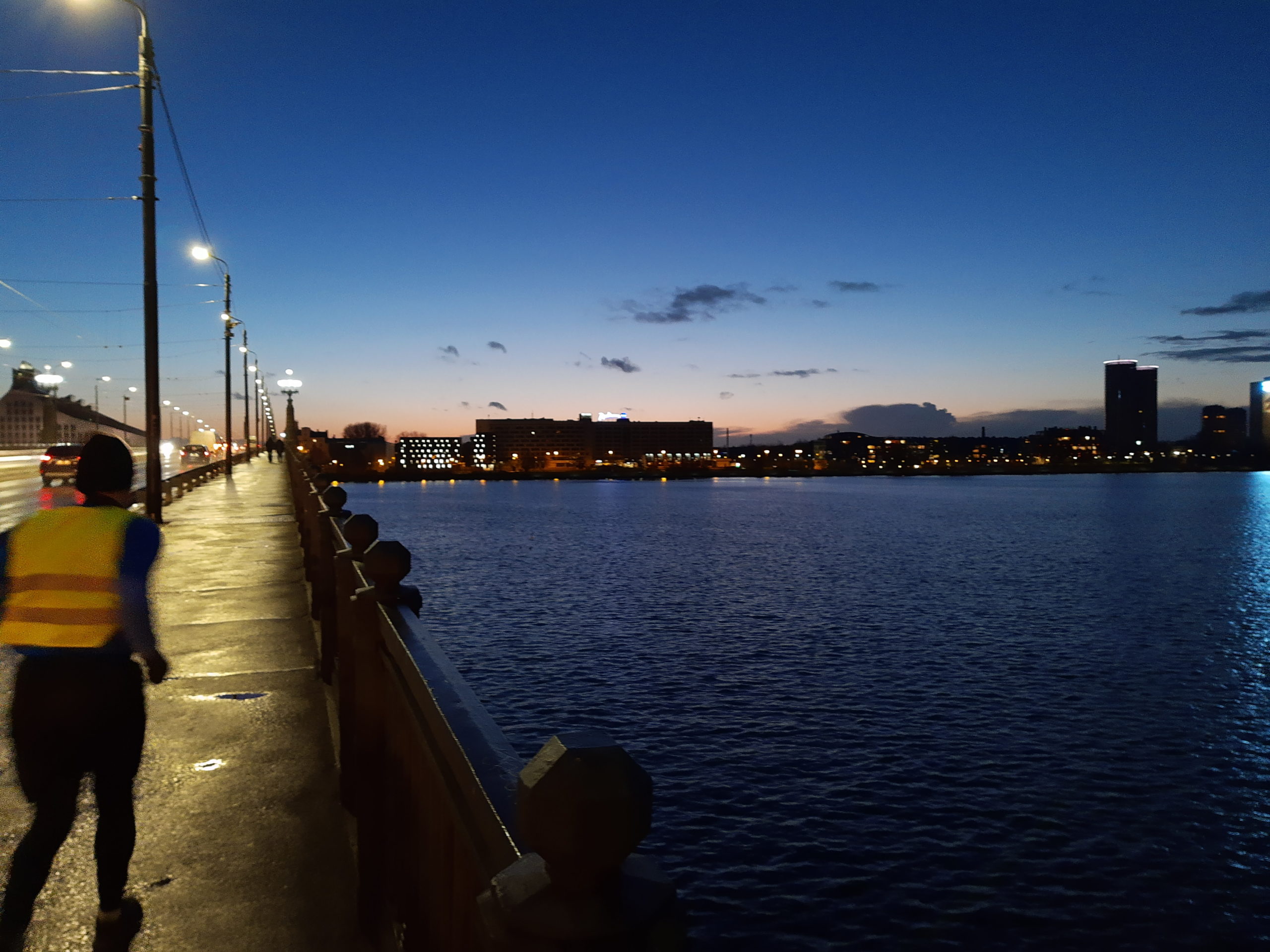
One afternoon I crossed the bridge over the Daugava River and walked out to the TV tower on Zaķusala — a small island in the middle of the river, largely deserted except for a few quiet roads and the tower itself looming over everything. And when I say looming, I mean it. At 368 metres, it’s the tallest structure in the European Union, and up close it’s genuinely staggering — three enormous legs splaying outward at the base before tapering up into a needle that disappears into the sky. It was built between 1979 and 1989 with Soviet funding, and it looks every bit of it — this vast, brutal piece of Cold War engineering planted on a river island, broadcasting signals across Latvia and beyond.
Standing at the base of it, entirely alone, with nothing but the sound of the river and the wind, was one of those surreal moments that the trip kept delivering.
Jūrmala: A Deserted Beach at the Edge of Europe
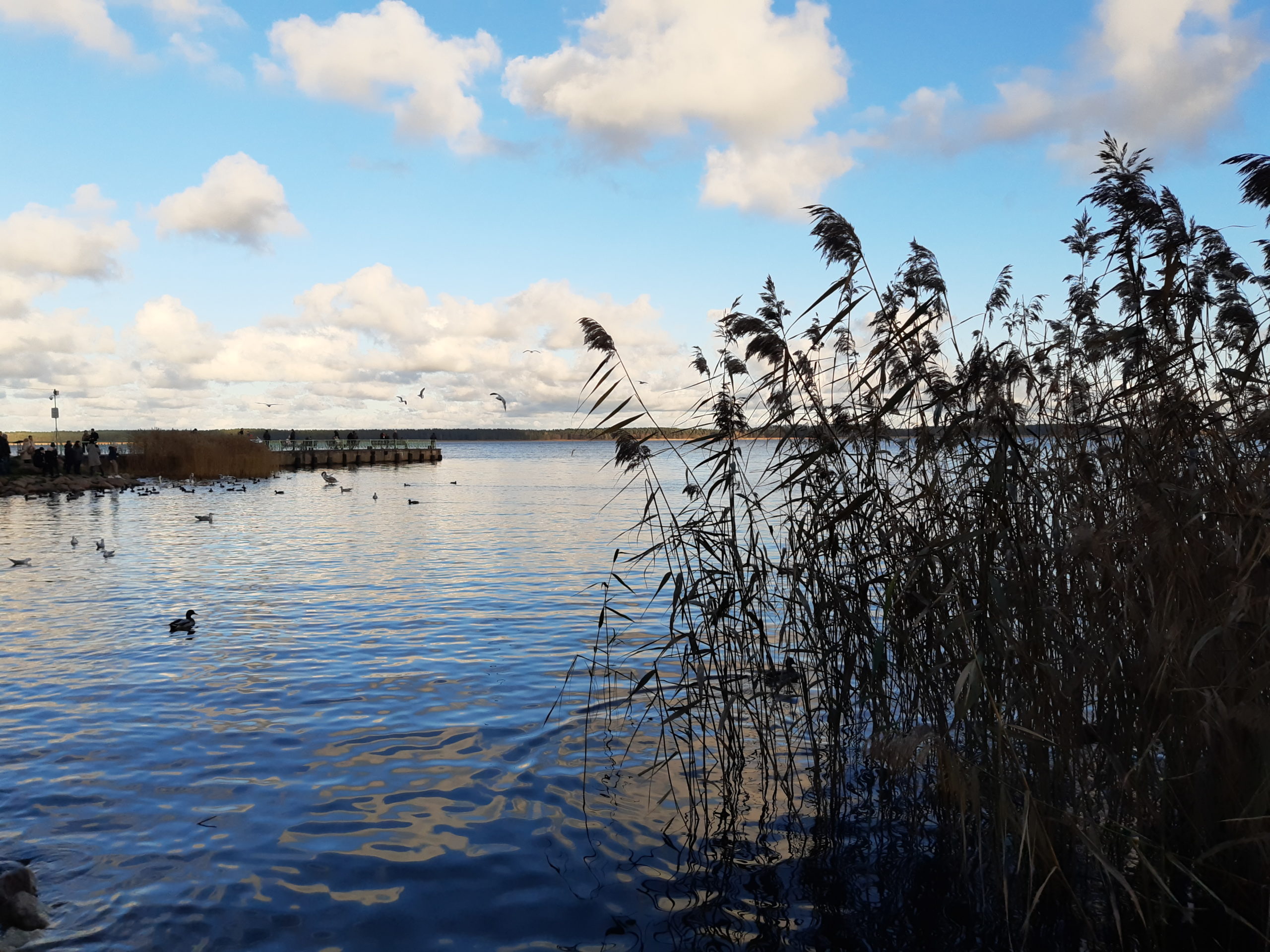
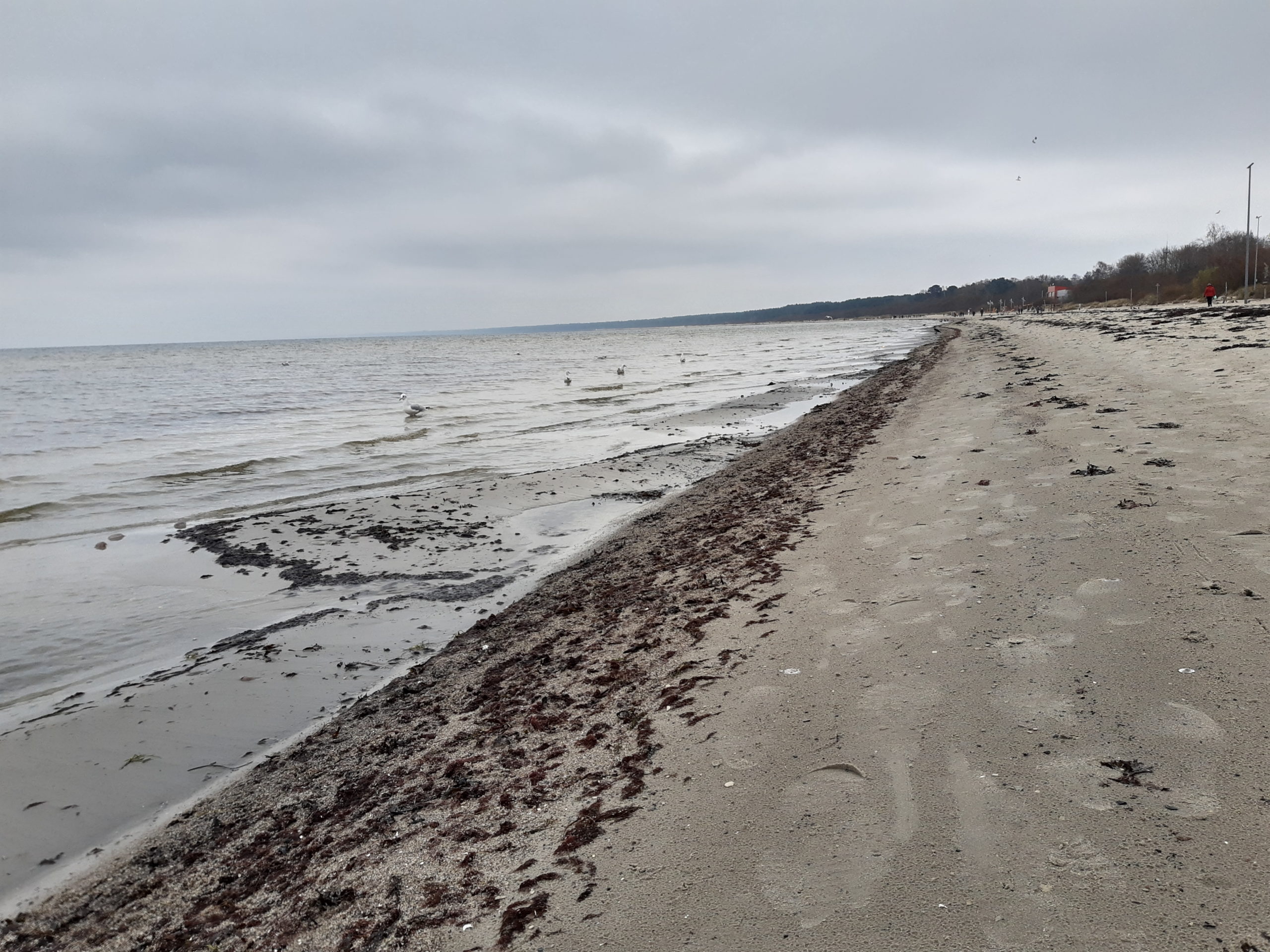
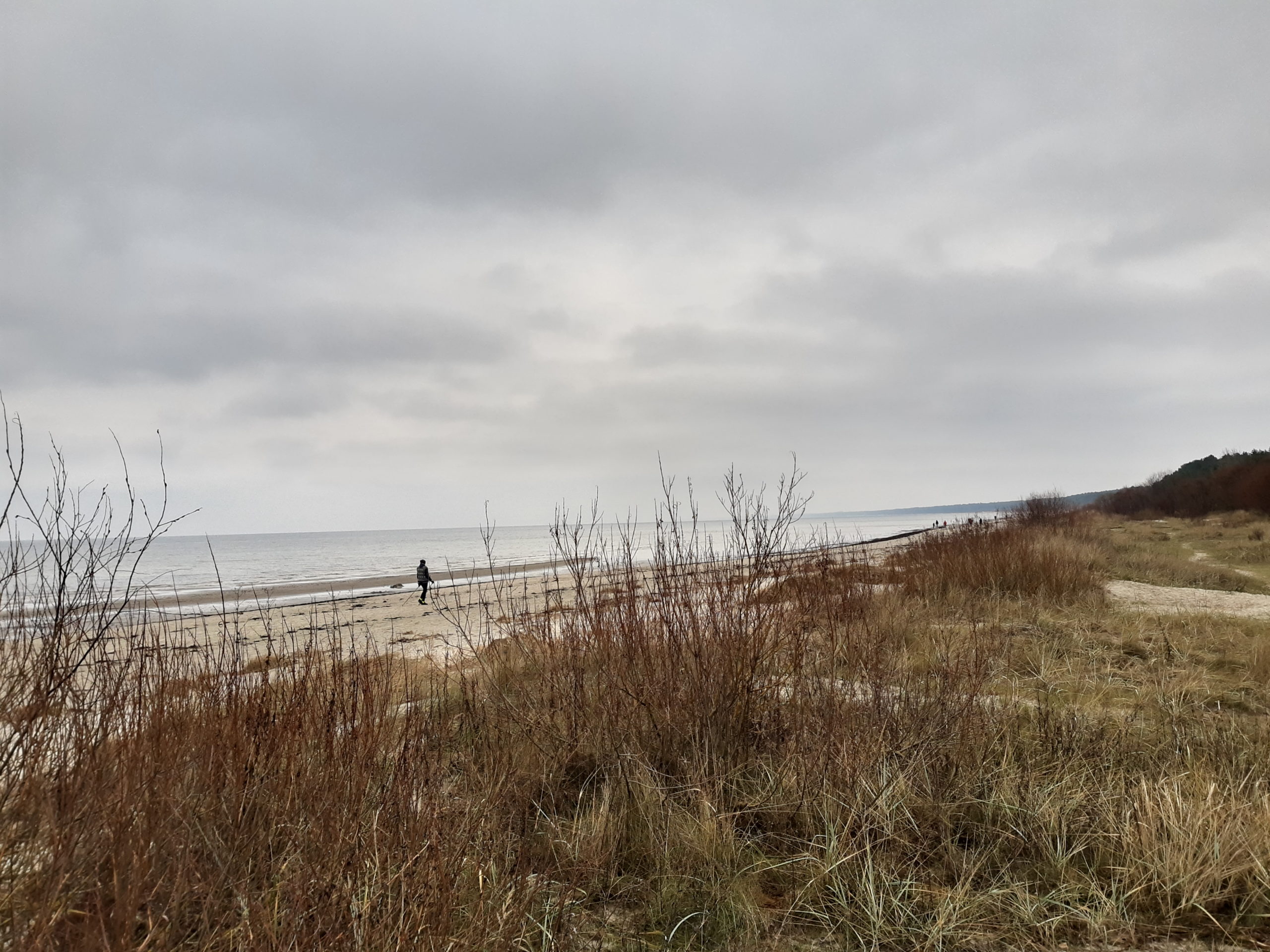
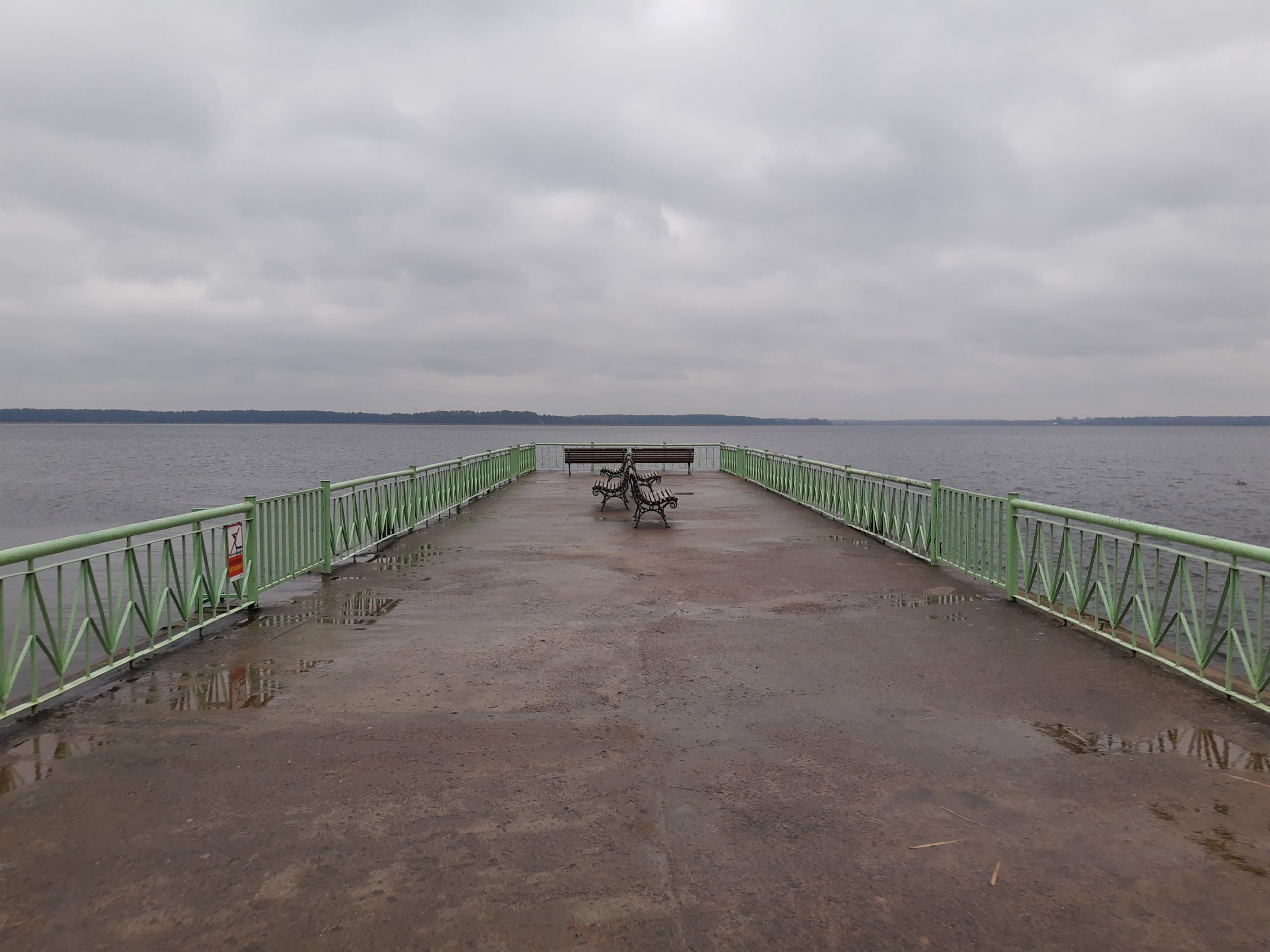
Another particularly grey day I got the train out to Jūrmala — a beach resort town about thirty minutes west of the city along the Baltic coast. Jūrmala is a place with a fascinating history as during the Soviet occupation it was the favourite holiday destination of high-level Communist Party officials — Brezhnev and Khrushchev among them. Today it’s popular with Latvians and visitors alike, but during COVID, like everywhere else, it was almost entirely empty. It certainly felt like the setting of some noir detective thriller as I looked out across the Gulf of Riga, flat and grey and stretching out as far as I could see. After days of wandering Riga’s empty streets, this felt like the logical conclusion — a deserted beach at the edge of Europe, with nothing but pine trees and the sound of the water. It was, in its own quiet way, rather wonderful.
Sigulda and the Olympic Bobsleigh Track
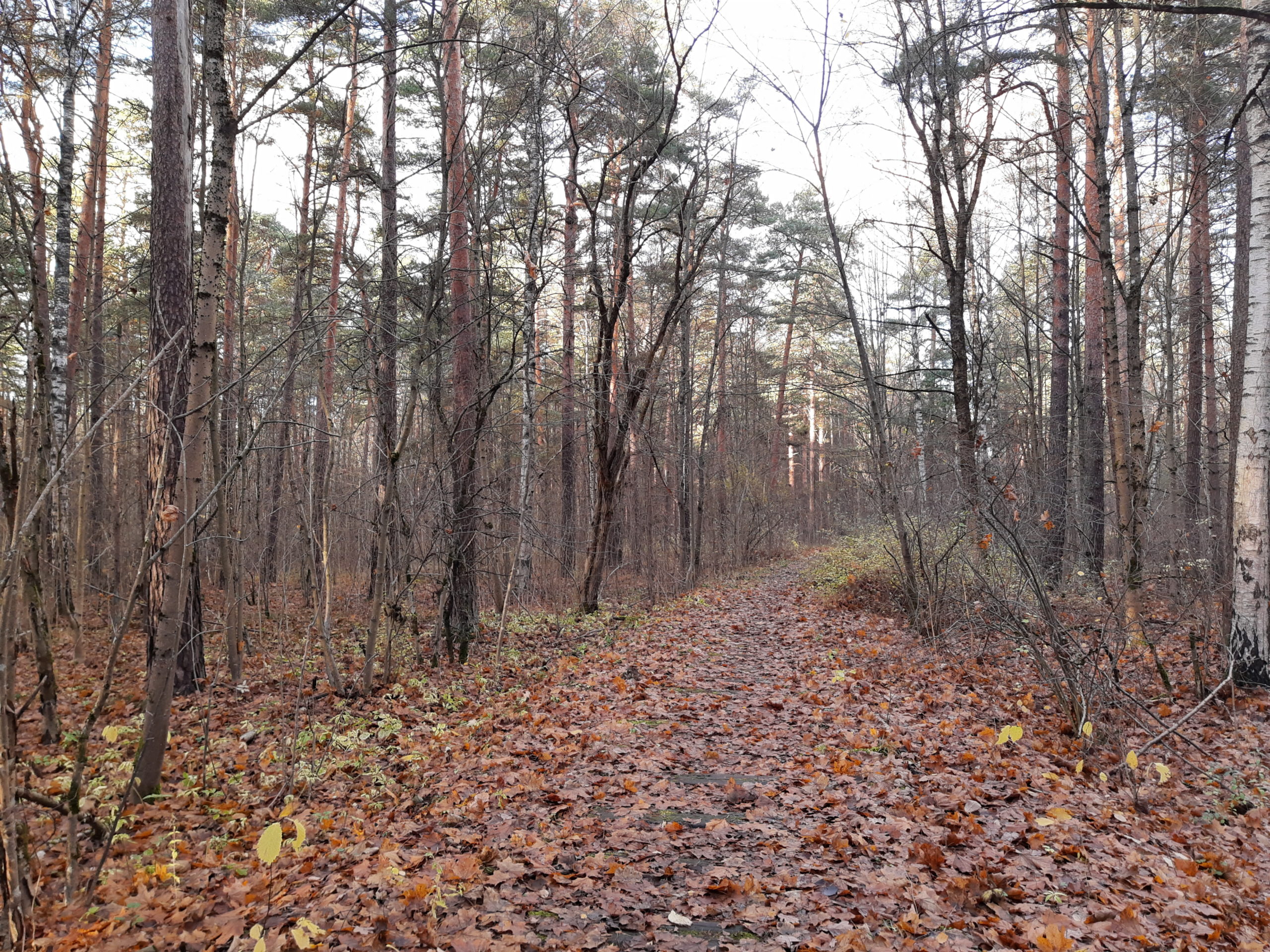
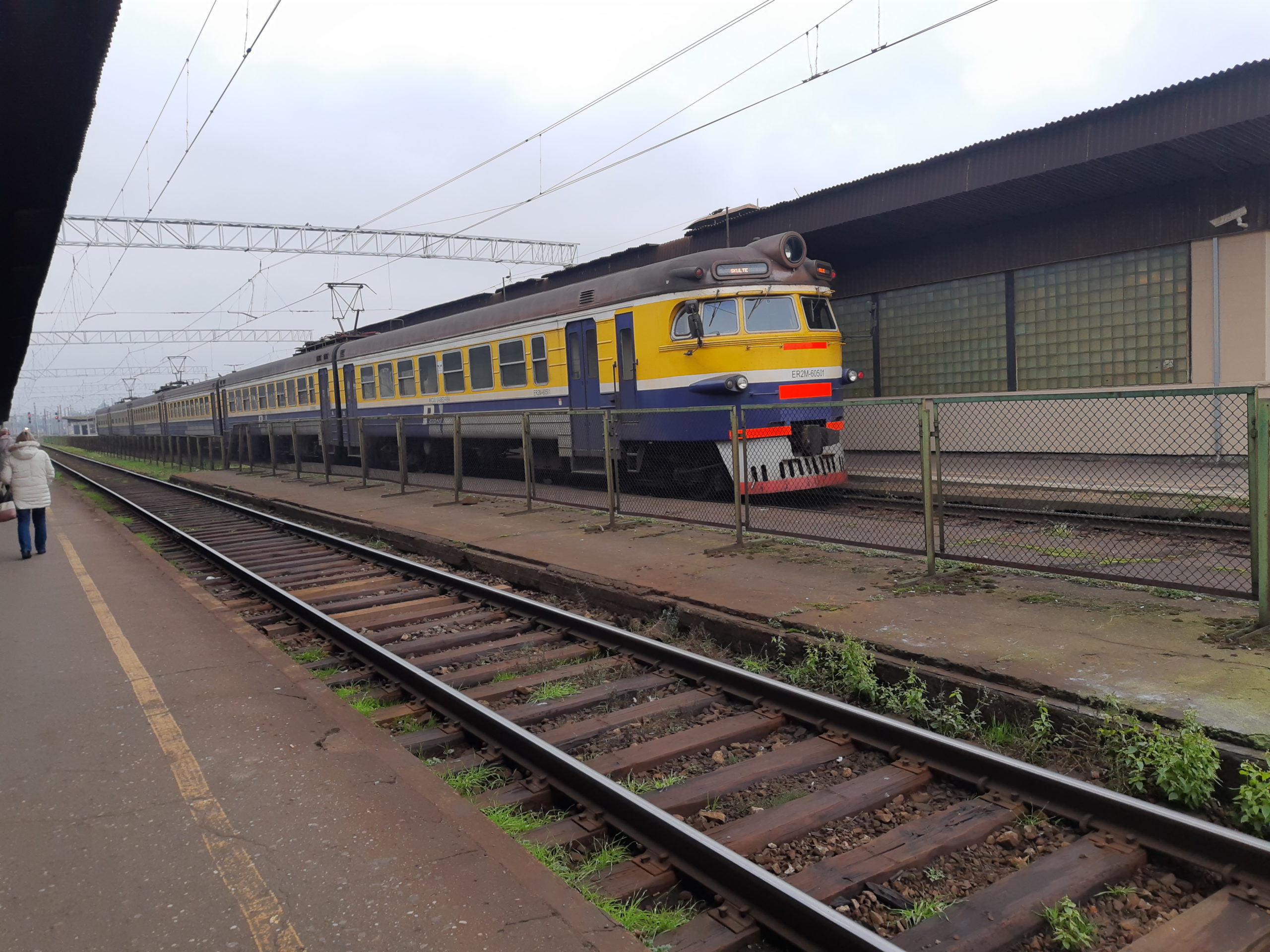
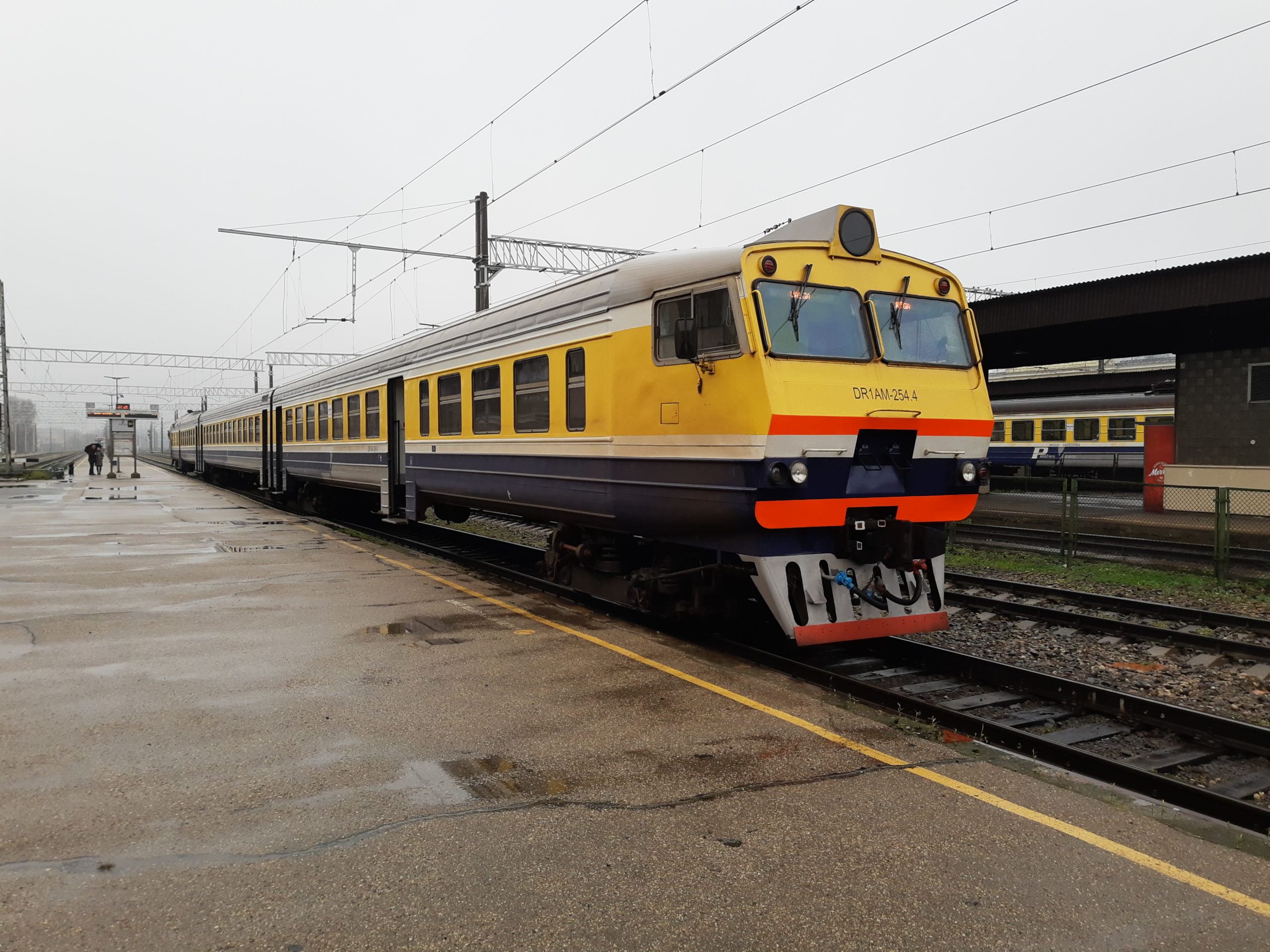
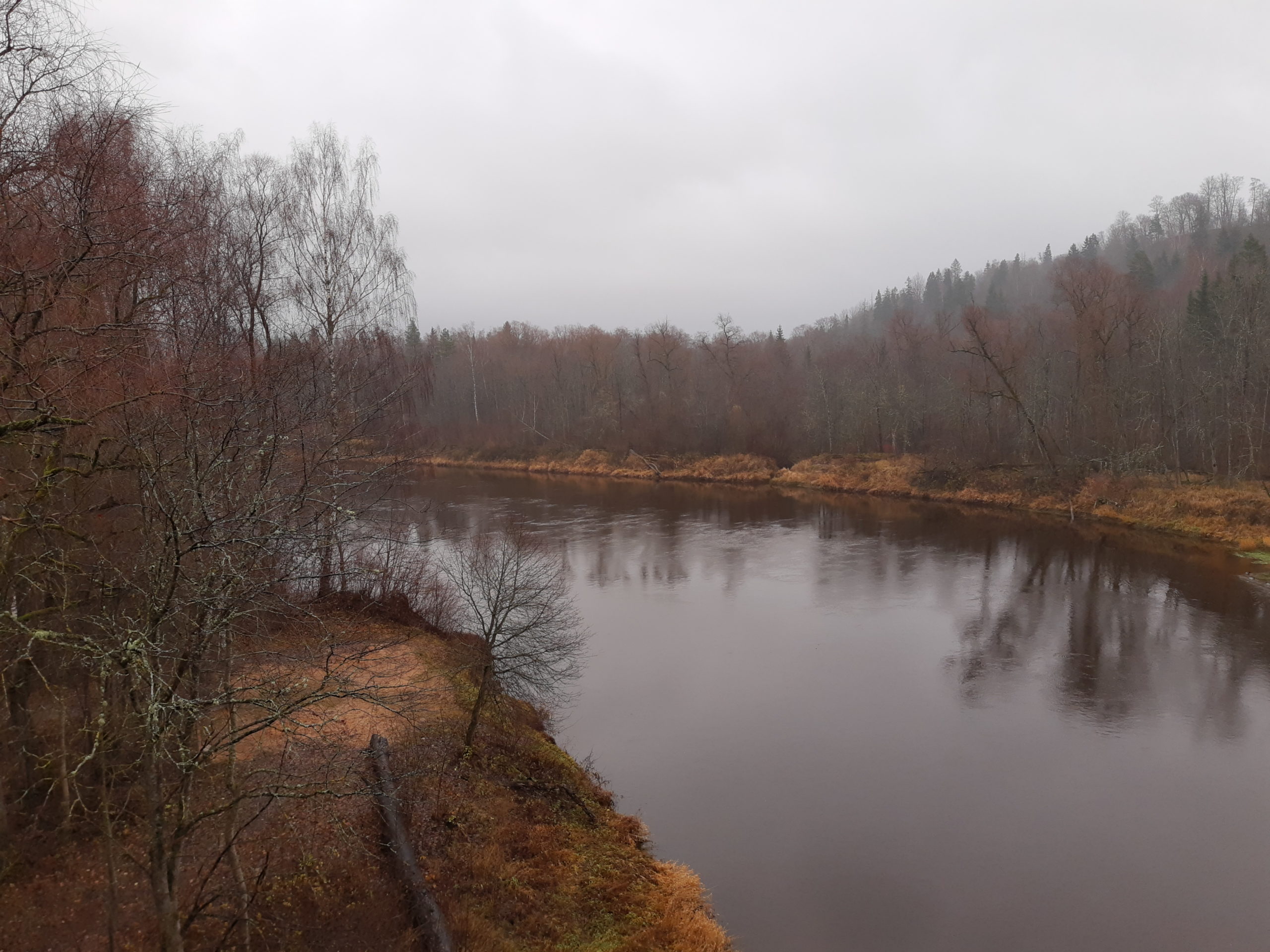
Another day I got the train out to Sigulda, about an hour away, nestled in the Gauja Valley. The train, a wonderful thing which must have been from the Soviet era, rumbled through forests for almost the entire journey. With the frosty pines standing on all sides, and only a couple of other people on the train, it felt like a scene from the Cold War.
Sigulda is a pretty little town that punches well above its weight for things to do — but the main draw, and the reason most visitors make the journey, is the bobsleigh track.
Sigulda’s bobsleigh track was built in 1986, stretching 1,200 metres with 16 curves — one of only 18 tracks of its kind in the world, and remarkably, it’s open to the public. In winter you can ride down the actual Olympic track — hurtling through the bends at speeds that make you question your life choices. In summer there’s a wheeled version that’s only marginally less terrifying.
I didn’t get to try it during my visit — COVID had put paid to that — maybe next time.
A Country Pulled in Different Directions
Whilst in Latvia, I also spent time reading about the country’s history, and the more I read, the more intrigued I became. This is a country that has spent much of the last century being pulled in different directions by forces far larger than itself — occupied by the Soviets, then the Nazis, then the Soviets again, its population reduced through deportation, execution, and flight. For decades the Russian language and culture were imposed on a people who had their own, and the tension between those two identities hasn’t entirely faded even now.
What struck me most, though, was what happened when the Soviet Union finally collapsed in 1991. Latvia got its independence back — but it also discovered that much of its past had vanished with the departing regime. National archives had been destroyed or taken to Moscow. The authorities had no way of knowing who had been a KGB informant, who had a criminal record, or even whether people’s qualifications were legitimate. An entire country, suddenly free, but unable to fully account for its own recent history.
The Inspiration for Riga Rising
As I walked the empty streets of Riga during that strange time in 2020, I couldn’t help but imagine the secrets and stories that might be hidden in those lost archives. The idea of a past that could come back to haunt the present, of individuals whose lives could be upended by the revelation of long-buried truths, seemed like a great story to me.
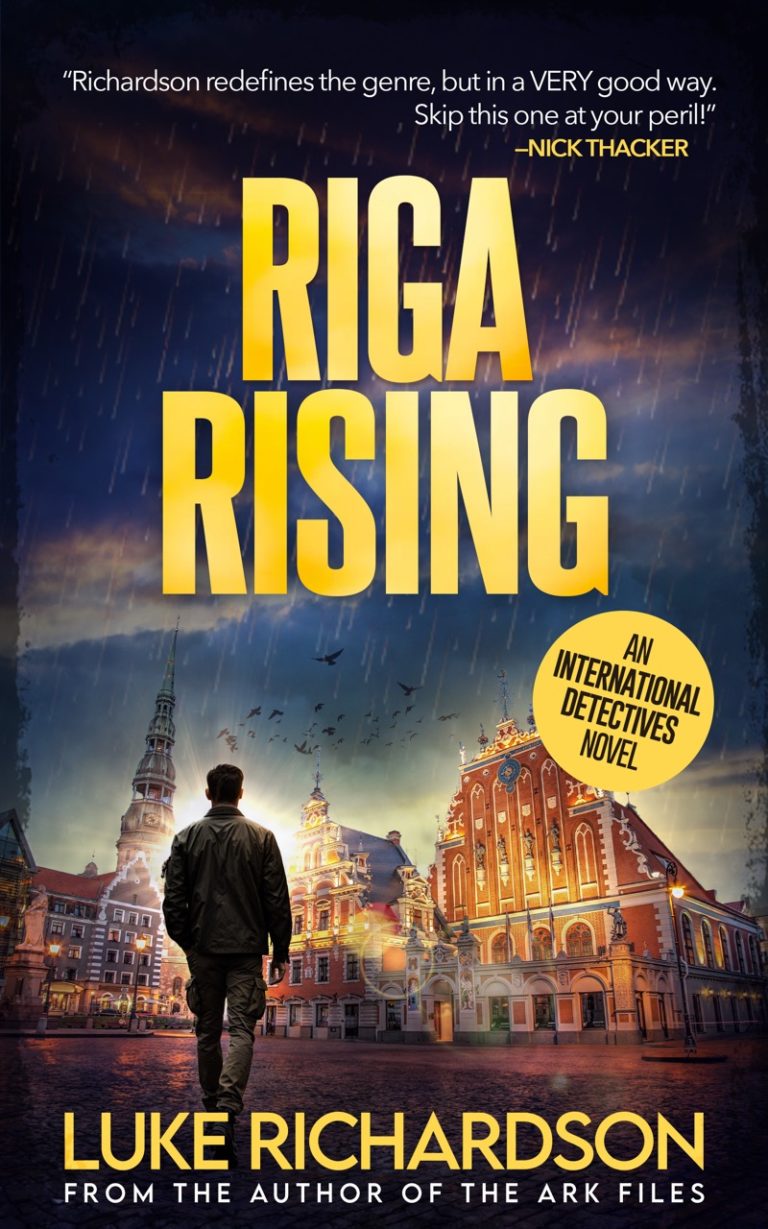
My book Riga Rising was inspired by that time, and the unique circumstances of my visit there.
I do intend to return to the region and explore the neighbouring countries of Lithuania and Estonia too. These Baltic nations have often been overlooked in the broader context of European history, and they deserve to be seen.
The Version of a City You See
I arrived in Riga looking for somewhere to write. I found that, but I also found something I wasn’t expecting — a city that gave me a story. The empty streets, the ghost of the Soviet era, the thought of all those missing archives and the secrets buried inside them. Sometimes the most unusual circumstances produce the most unexpected inspiration.
But this also raises a bigger question about travel. When you visit somewhere, you’re not seeing that place the way you view a photograph — still, frozen, fixed in a single moment. A place is alive. It’s organic and constantly changing, shaped by the people moving through it, the politics swirling around it, the weather on any given afternoon. My Riga was a city under lockdown, with empty streets and closed bars and a strange, suspended quiet hanging over everything. Someone else’s Riga might be the summer festival crowds on Alberta Street, or a stag party stumbling out of the Old Town at midnight. Same city, completely different place.
That’s what makes travel endlessly surprising, and endlessly worth doing. You never see the place — you see a version of it, your version, the one that existed at that particular moment in time. Mine just happened to be quieter than most.
I’ll be going back, and it’ll be different. The peace and quiet I enjoyed walking those streets in 2020 will be no more, and that’s good. But also, in its own way, a little sad — because that, for me, is a memory I cherish.