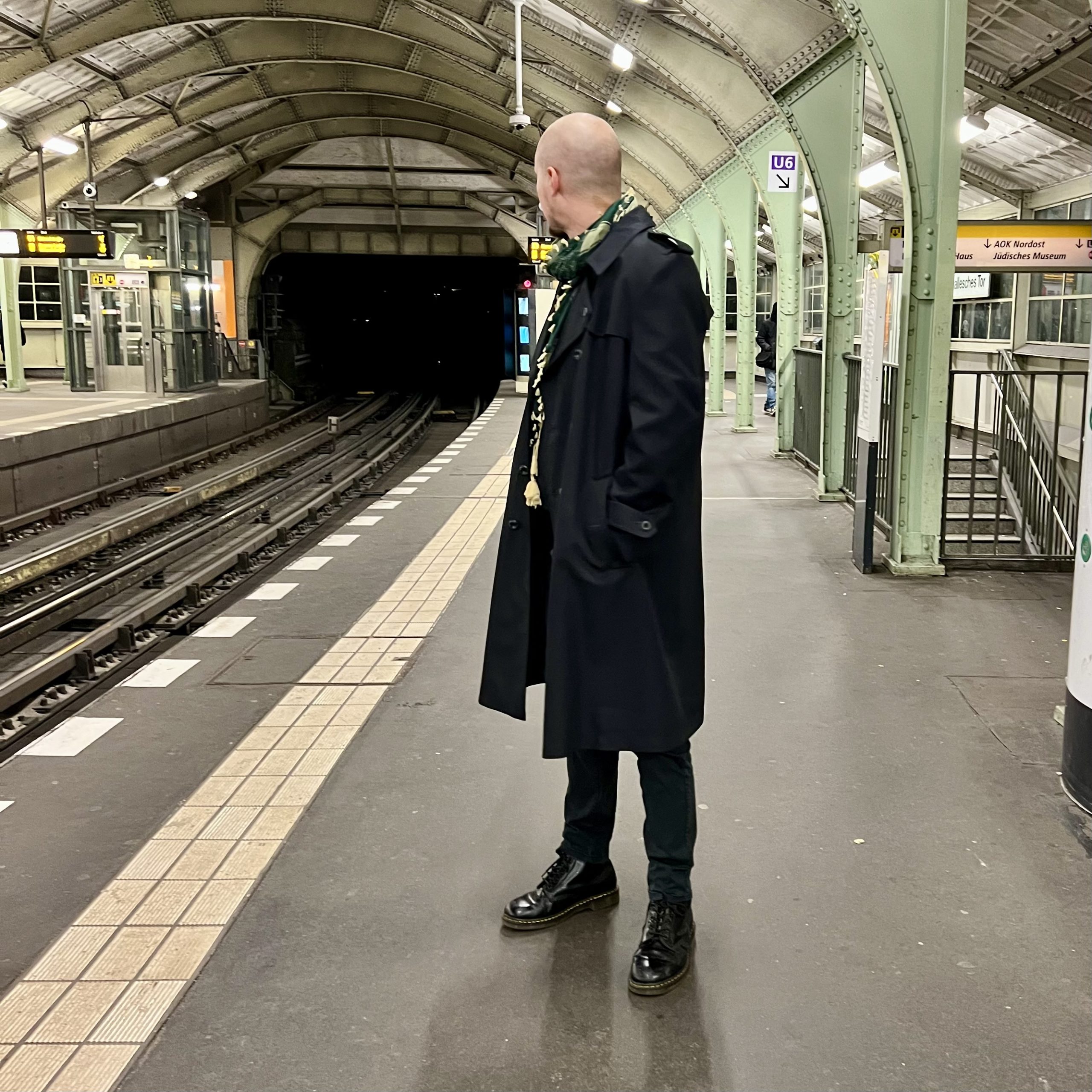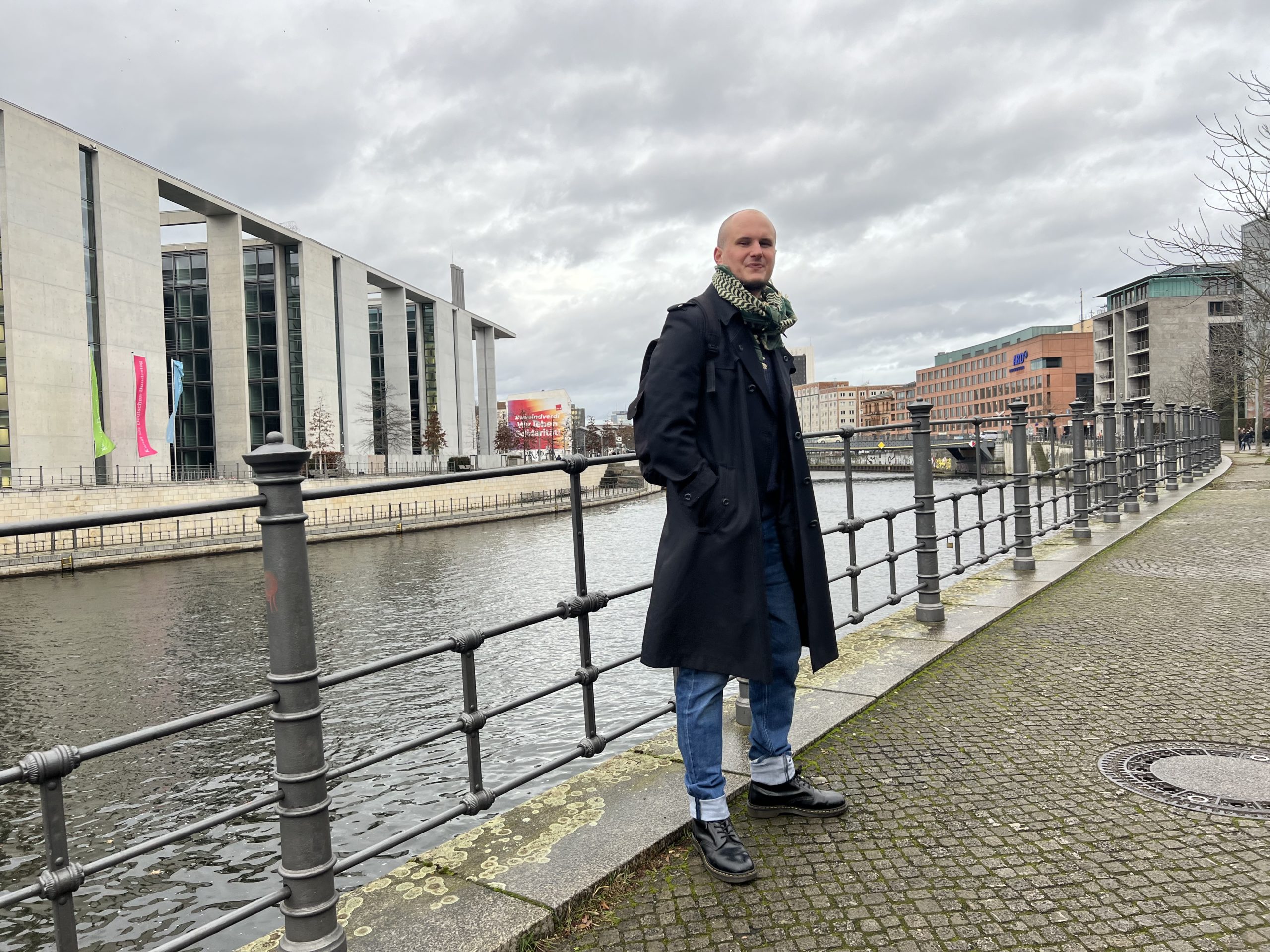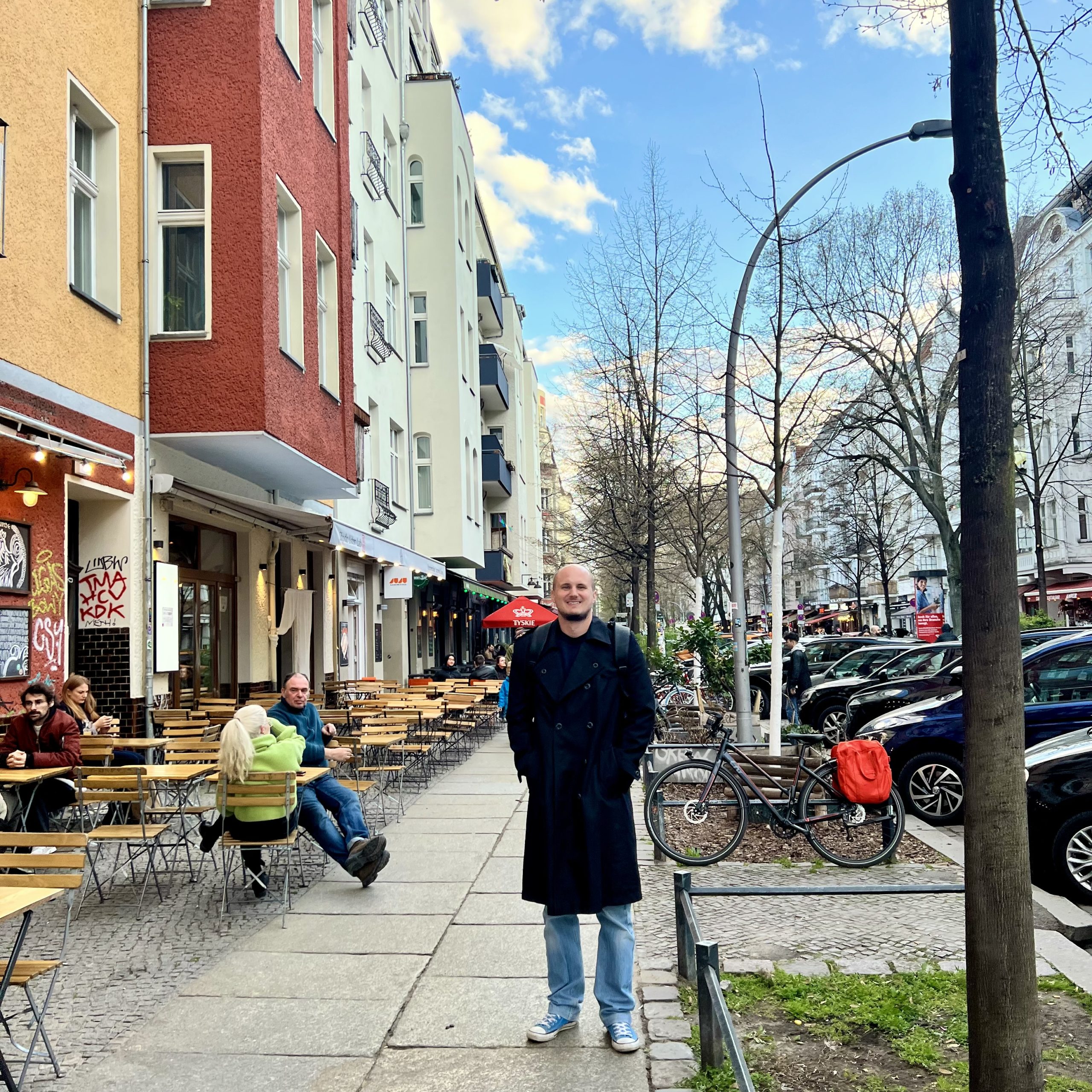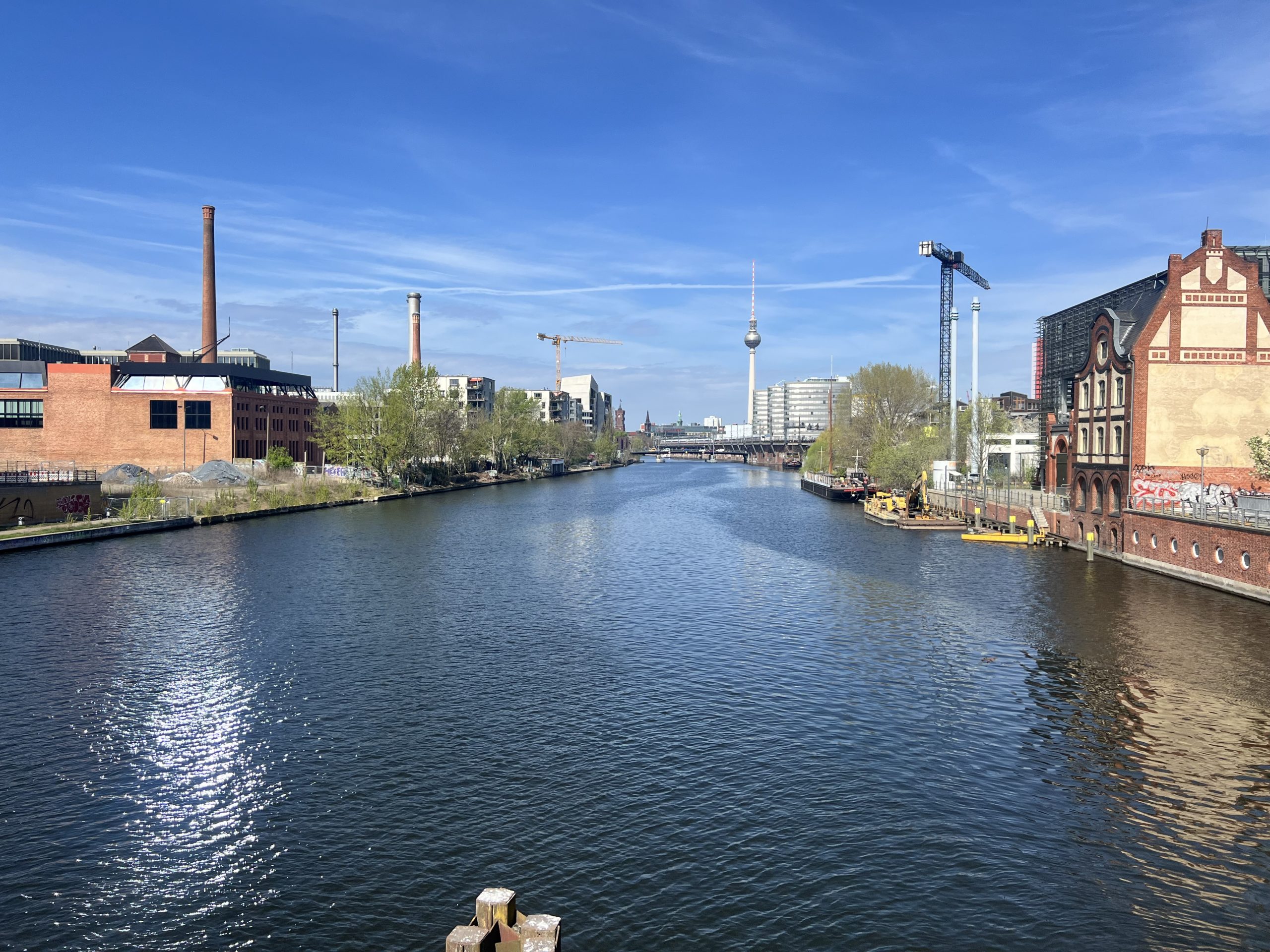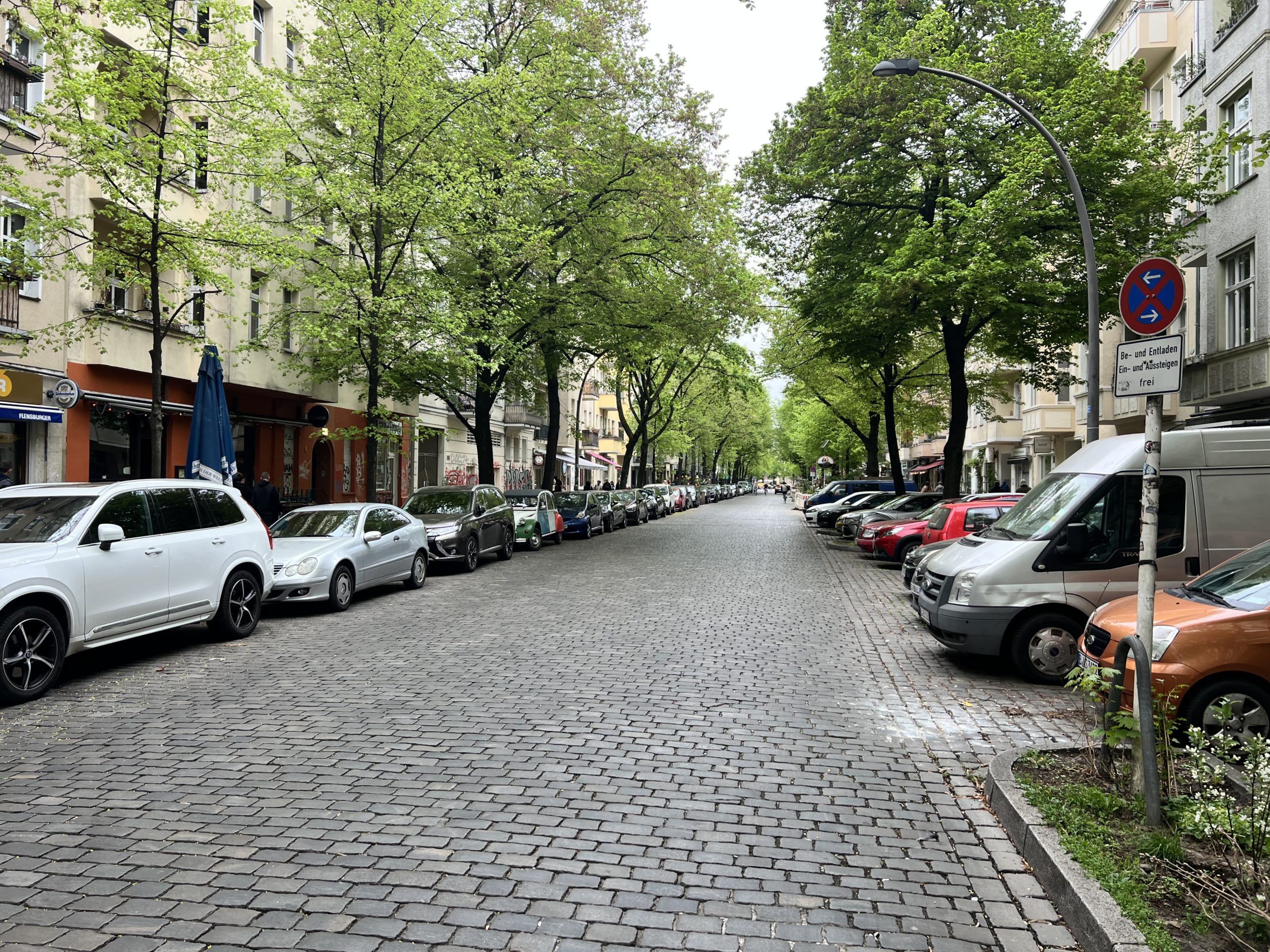
For reasons I can’t wholly understand, Berlin is one of my favourite European cities. Maybe it’s the music, which you can’t help but hear pounding from the open windows of bars and nightclubs, or drifting across parks on a warm afternoon. Maybe it’s the intrigue of its chequered history, which is still plain to see when you walk the streets. Or maybe it’s simply that over the years I’ve spent several wonderful weeks there with friends and Mrs R, and the city has become genuinely familiar in a way that few places do.
Living and Writing in Berlin
When I started writing full time, I always intended to spend weeks or months each year working from different places around the world. Travel, to me, shouldn’t be something saved only for holidays — it’s too important for that. For the last couple of years, Mrs R and I have been making this happen as much as possible, spending a few weeks in Berlin each spring. You see a city differently when you live and work there, even briefly. You start to understand its rhythms, its moods, its quieter corners. Although of course there’s more than enough to keep you occupied if a few days is all you have.
Getting to know Berlin better has, strangely, made writing about it more difficult. I set a book there back in 2021, having only visited a couple of times. I’m still proud of it — but I suspect it would be a harder book to write now. Knowing a place well is a kind of responsibility.
Teufelsberg: The Spy Station on the Hill
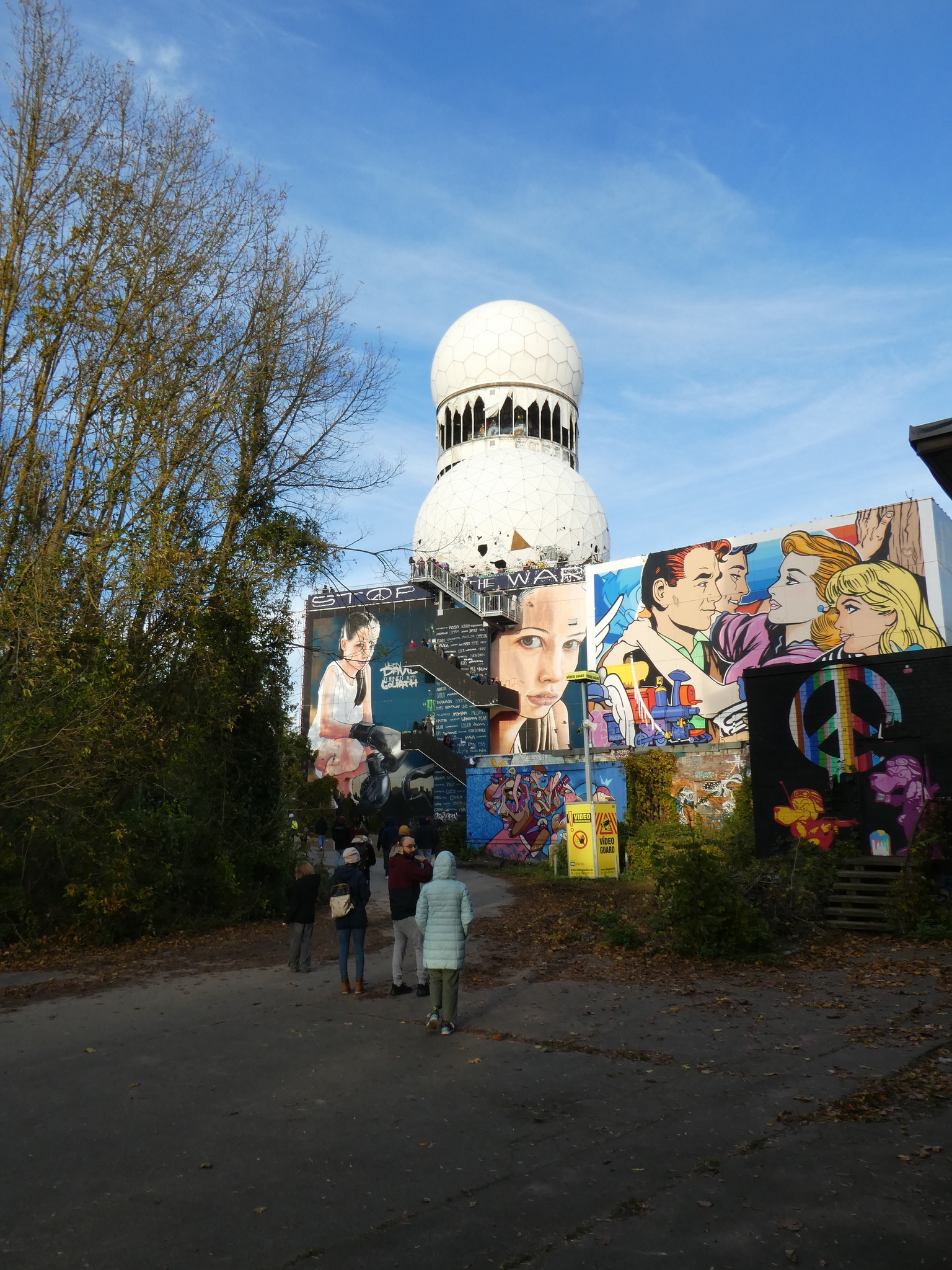
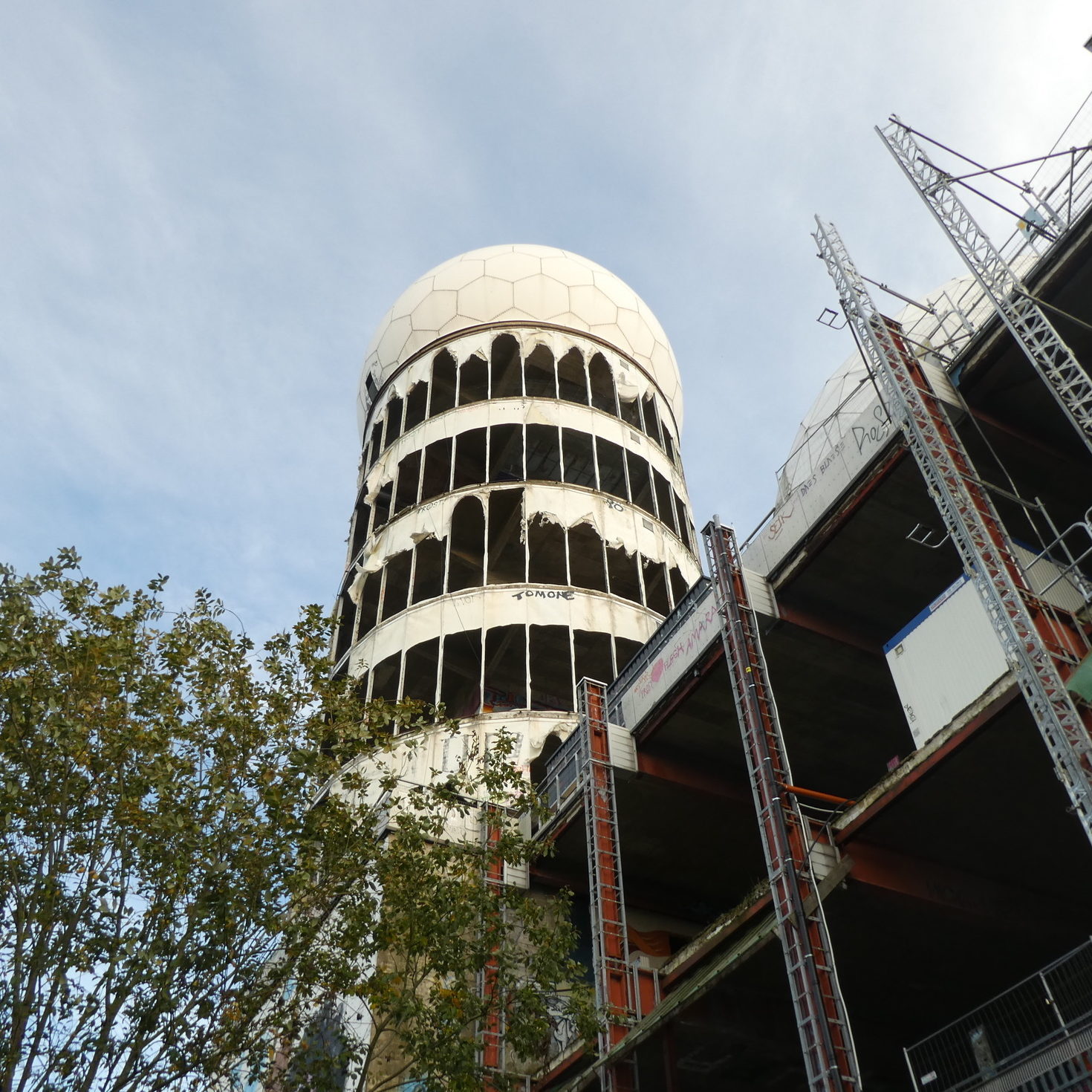
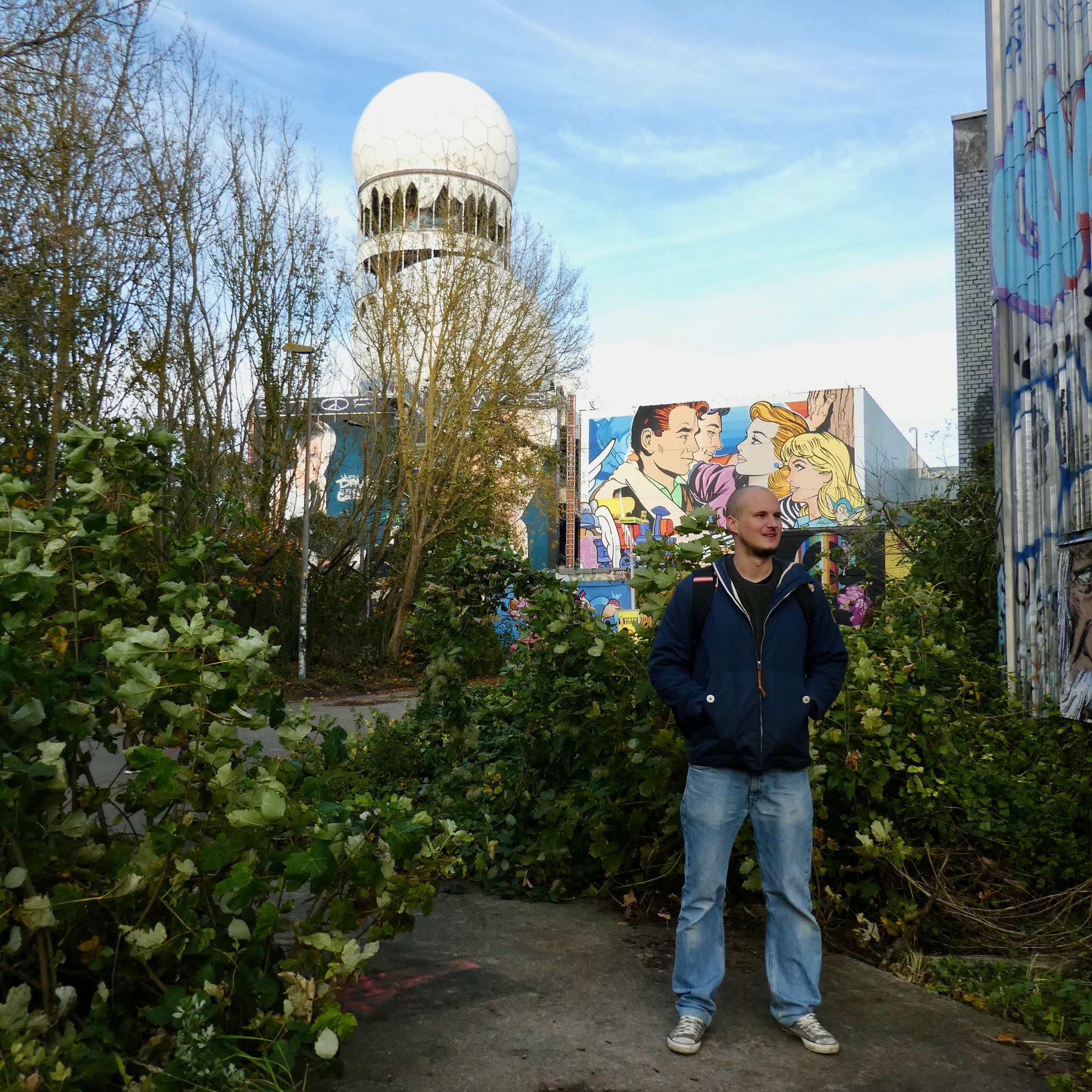
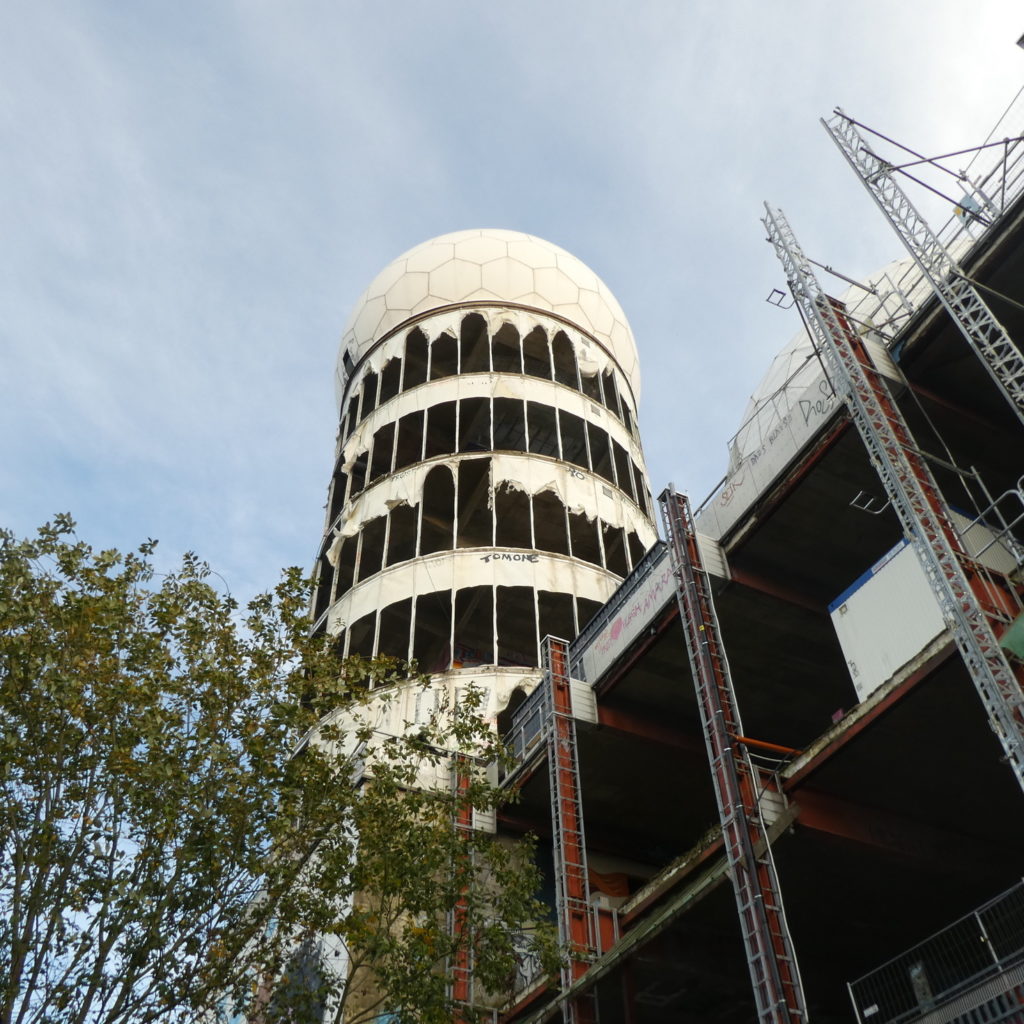
One of the most intriguing sites in Berlin — or rather, just outside it — is Teufelsberg, the abandoned Cold War spy station. The structure sits on top of a man-made hill built from the city’s wartime rubble, beneath which lies an unfinished Nazi military college that the Allies couldn’t demolish, so simply buried instead. During the Cold War, American and British intelligence operatives used the hilltop to eavesdrop on Soviet and East Bloc communications, and the station became one of the most important listening posts in the world. It’s haunting to stand there and think about the secrets that passed through those corridors, and the role they may have played in the decades-long standoff that defined the second half of the twentieth century.
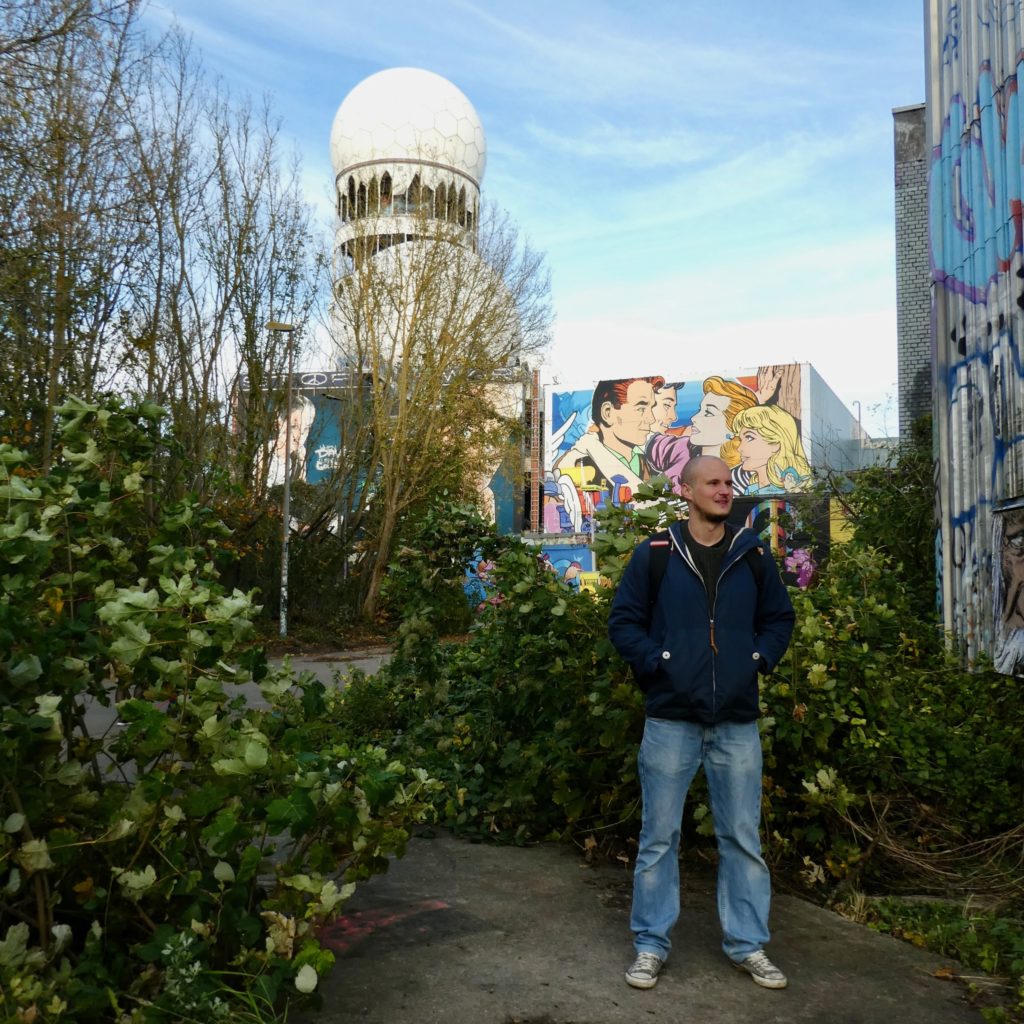
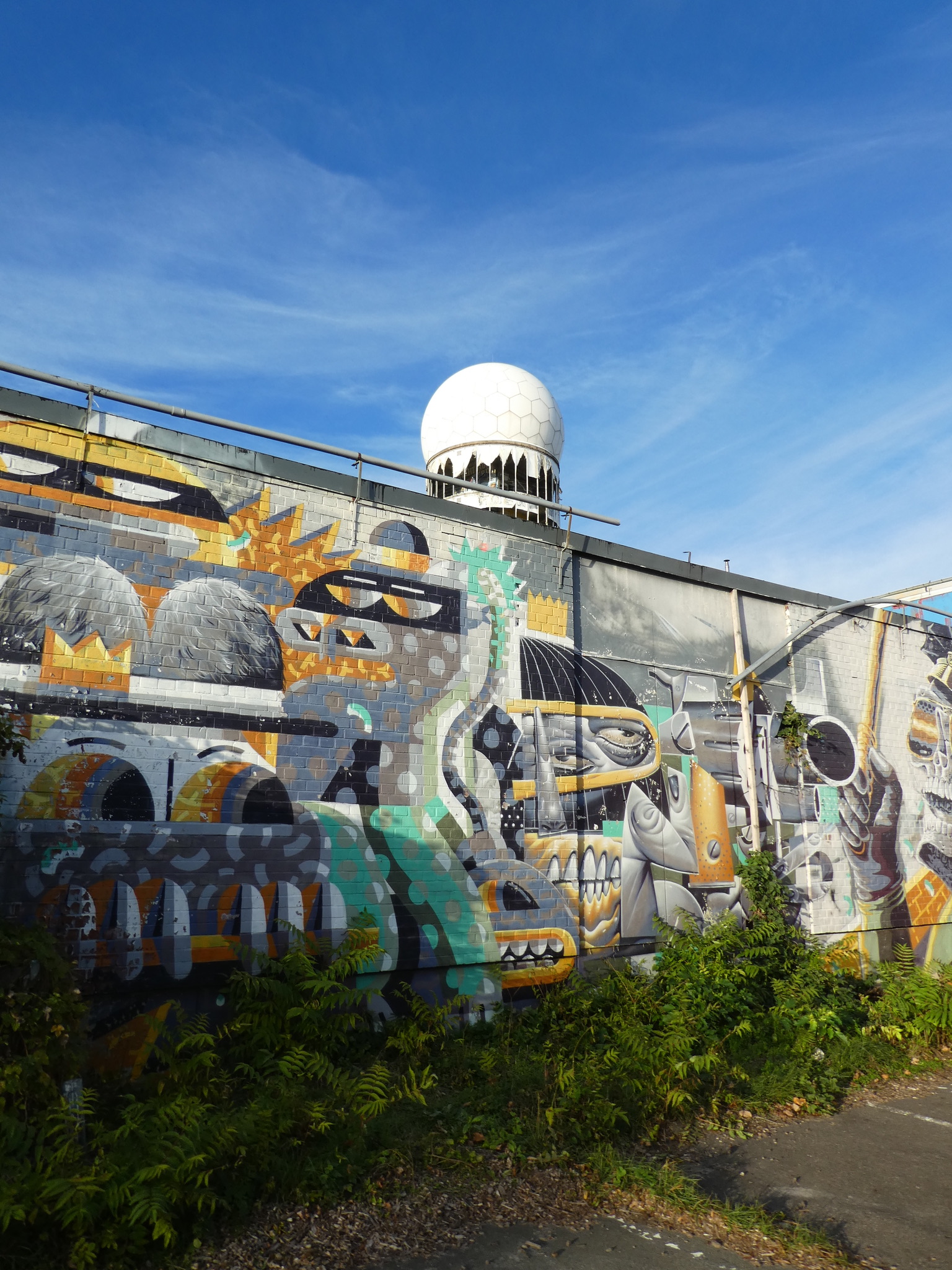
I actually tried to visit Teufelsberg twice before I succeeded. On my first two visits the site was closed, and the triple fences topped with barbed wire made it clear that going uninvited isn’t advised. On the third visit I made the walk again and found it open. It has since become something of an alternative tourist destination — there’s a bar, and the walls are covered in some of the most extraordinary graffiti in the city. Definitely worth the walk if you’re there.
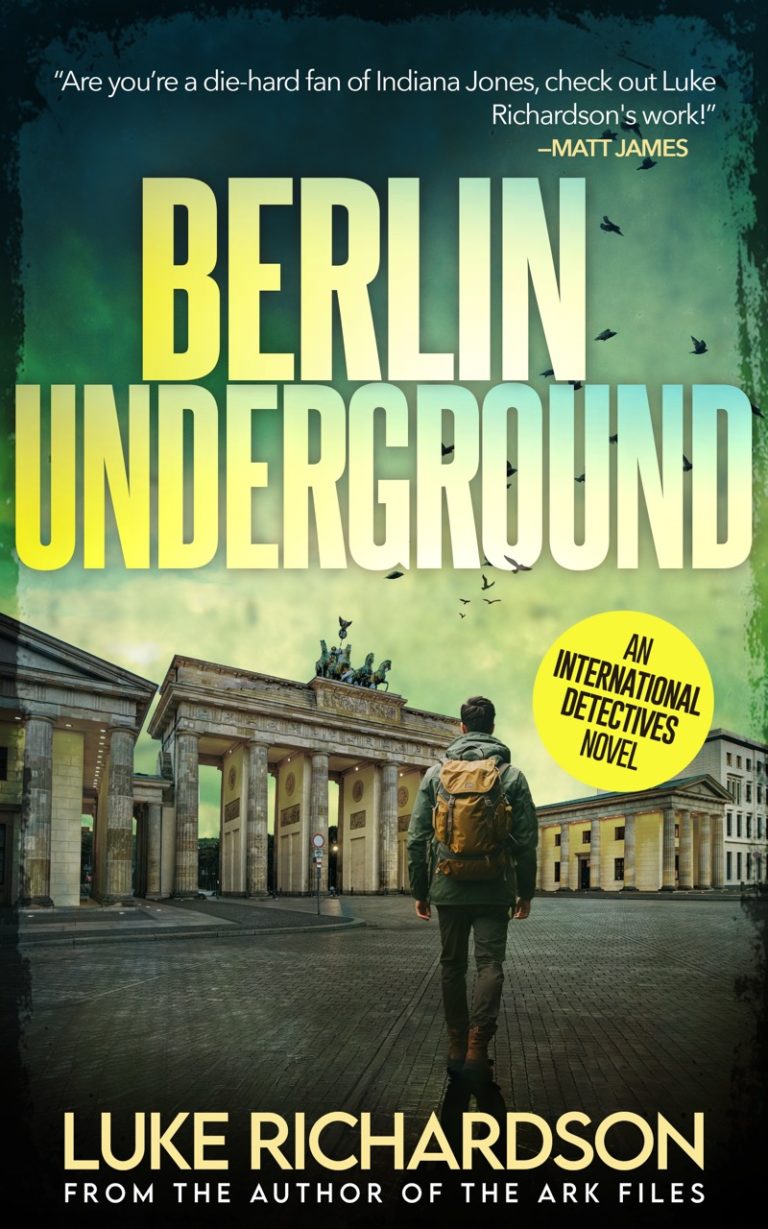
Teufelsberg features prominently in Berlin Underground, the third book in my International Detectives series. It was this location more than any other that made me want to set a story in Berlin — standing inside those radar domes, I could feel exactly the kind of story waiting to be told here.
The Berlin Wall
No visit to Berlin makes complete sense without spending time with the Wall — or rather, with what remains of it.
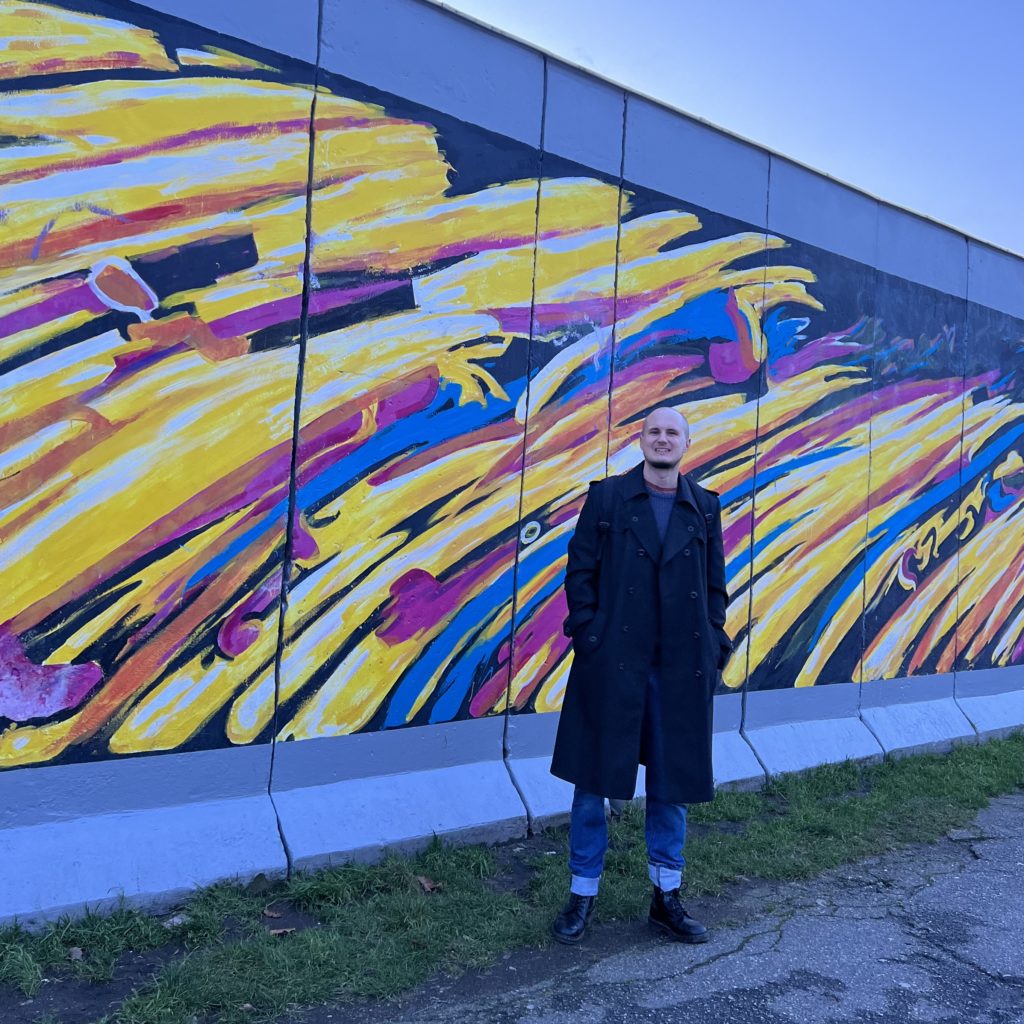
The Berlin Wall stood from 1961 to 1989, dividing not just a city but a world, and although most of it was torn down in the euphoria that followed reunification, enough survives to make the reality of it viscerally clear.
Bernauer Strasse Memorial
The most affecting place to encounter that reality is Bernauer Strasse, where a long stretch of the Wall’s original line has been preserved as a memorial. Here you can see the full apparatus of the border — not just the Wall itself, but the death strip behind it, the watchtowers, the signal fences, and the raked gravel that would have shown the footprints of anyone who tried to cross. People did try to cross. Some made it. Many didn’t. Standing there on a quiet morning, it is very difficult to process the fact that this was a functioning border within living memory, in the middle of a European city.
The East Side Gallery
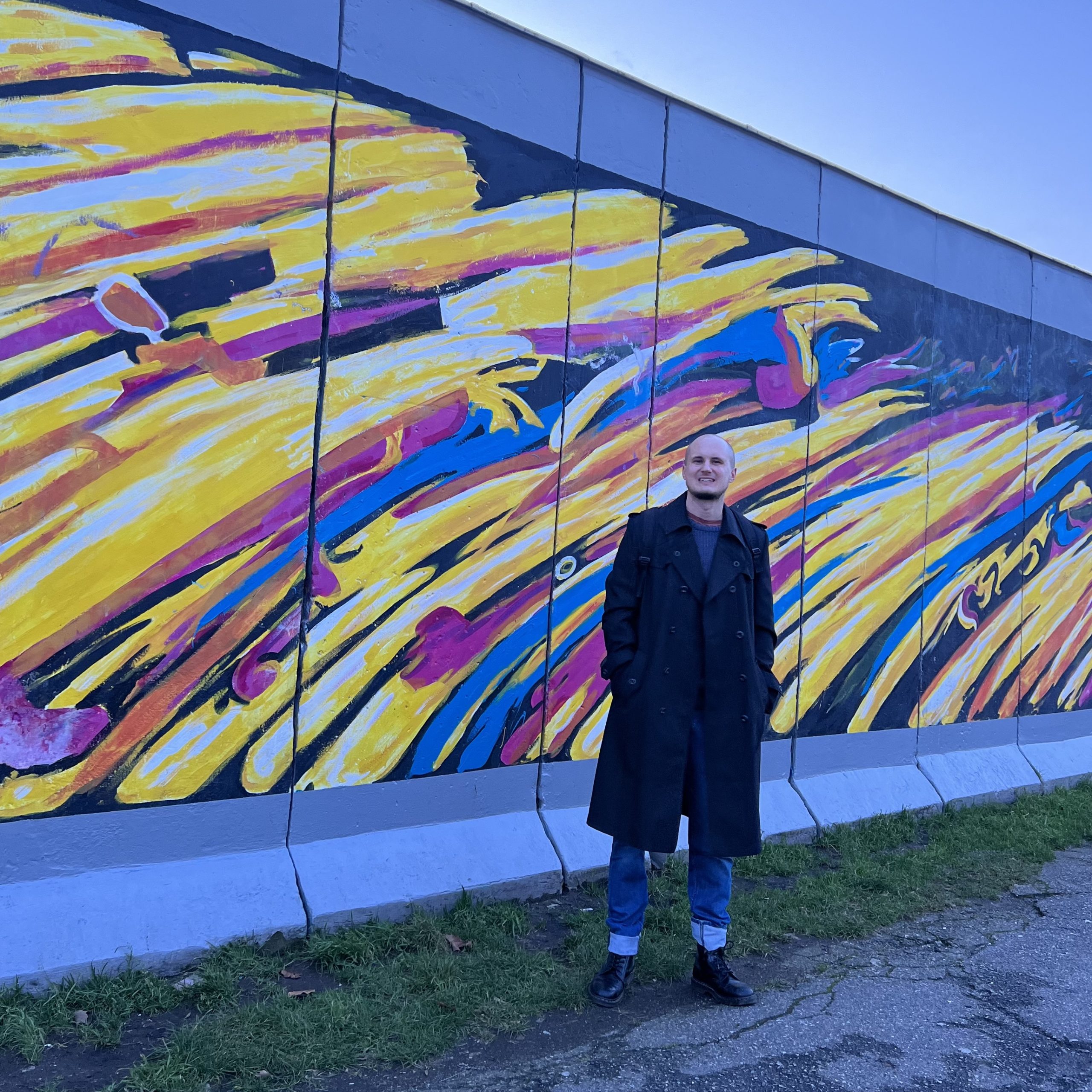
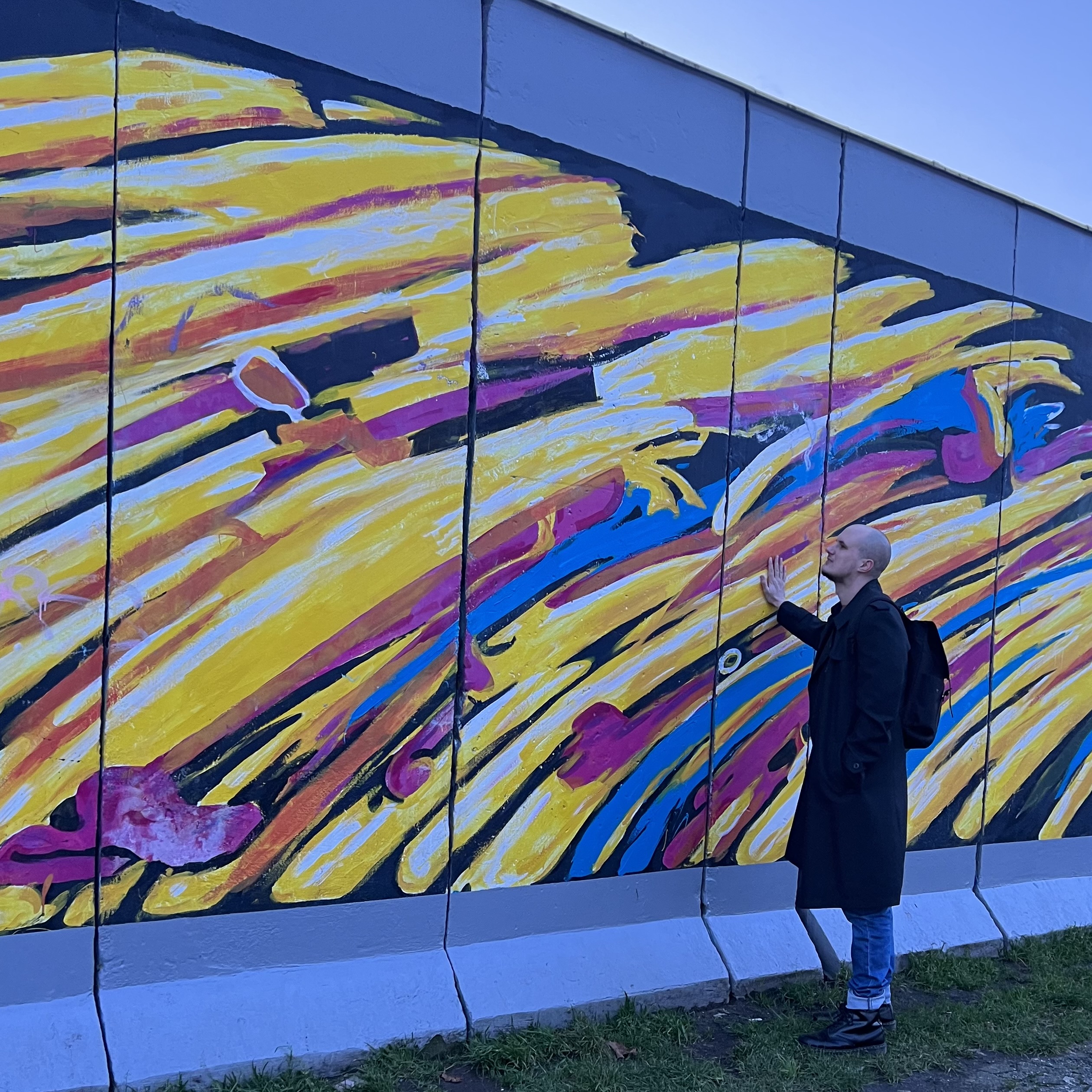
Then there is the East Side Gallery — a 1.3 kilometre stretch of the original Wall along the Spree, now covered in murals by artists from around the world. It is both a monument and a gallery, capturing something essential about how Berlin deals with its past. The most famous image — Brezhnev and Honecker locked in a kiss — has been photographed so many times it has almost become a cliché.
Understanding the Wall is, for me, the key to understanding everything else about Berlin — the nightlife, the art, the strange freedom of the place. A city that was divided for nearly thirty years and then suddenly wasn’t has a particular relationship with space, with possibility, and with the idea that things can change overnight.
Berlin’s Neighbourhoods
One of the things it took me several visits to properly understand about Berlin is that it is a collection of neighbourhoods, each with a different character, history, and reason to visit.
Mitte
Mitte — literally “middle” in German — is where most first-time visitors spend their time, and for good reason. Museum Island sits in the middle of the Spree: five world-class museums on a single island, including the Pergamon with its astonishing reconstructed ancient gates, and the Neues Museum, home to the famous bust of Nefertiti.
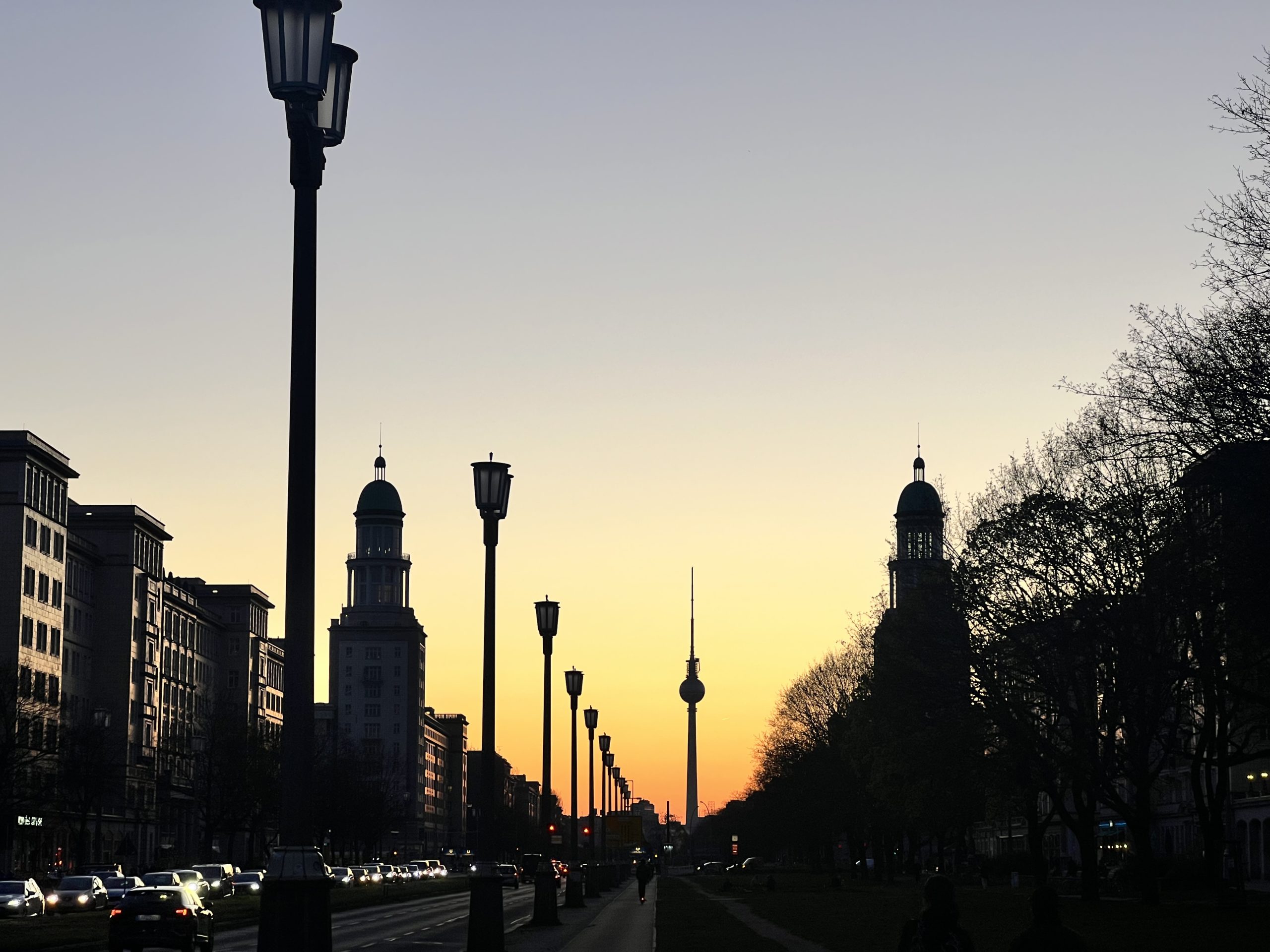
The Brandenburg Gate is here, still commanding after all these years. So is the Berliner Dom, the great Protestant cathedral sitting on the riverbank with its green copper dome, and the Fernsehturm — the TV tower the East German government built in the 1960s as a statement of socialist ambition, now serving as the city’s most useful landmark.
Checkpoint Charlie is here too, the former Allied border crossing that once represented the sharpest edge of the Cold War, now surrounded by tourists and burger restaurants in a way that is either a triumph of history or a mild tragedy, depending on your mood. And the Memorial to the Murdered Jews of Europe — 2,711 concrete slabs of varying heights, arranged in a grid that you walk through alone, the city disappearing around you as the slabs rise.
Away from the monuments, though, Mitte is not where I feel most at home. It has the same chain stores, department shops, and Starbucks on every corner you find in so many European city centres — comfortable and convenient and not particularly Berlin. The things that make this city genuinely special, for me, are found elsewhere.
Kreuzberg
Kreuzberg is where Berlin starts to feel like itself. Once a working-class district in the shadow of the Wall, it became a magnet for artists, immigrants, and anyone who didn’t quite fit elsewhere, and that spirit is still very much present. The Markthalle Neun — a covered Victorian market hall — runs a street food market on Thursdays that is one of the best evenings you can have in the city. The streets around it are full of independent shops, Turkish bakeries, and the kind of bars that don’t open until midnight and close sometime the following afternoon.
Prenzlauer Berg
Prenzlauer Berg sits in the former East and tells a different story. Before the Wall fell it was a neighbourhood of crumbling tenement buildings and underground artists. After reunification it gentrified rapidly — perhaps too rapidly for some — and today it is full of independent coffee shops, cobbled streets, and young families pushing expensive prams past beautifully restored pre-war apartment buildings.
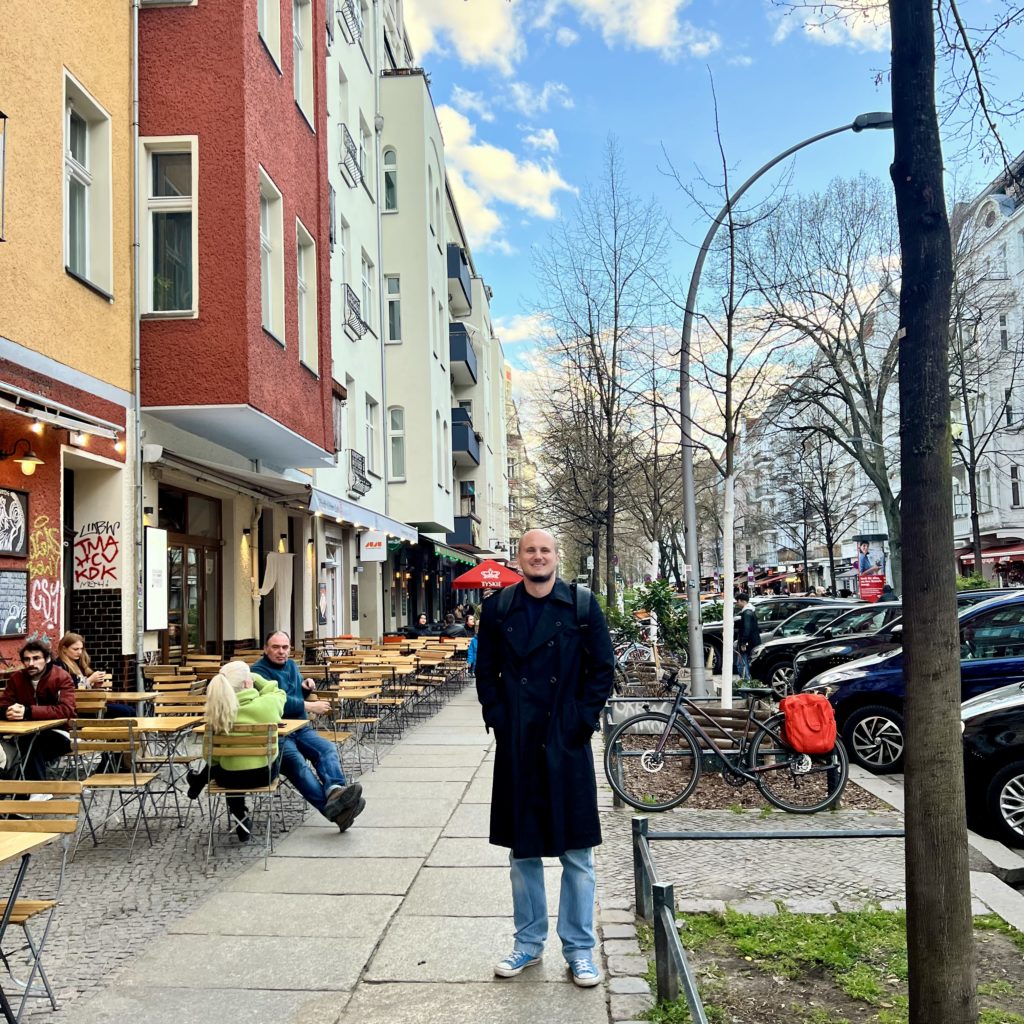
It is comfortable and handsome and a little self-satisfied, and I like it enormously.
Neukölln
Neukölln is where the city’s energy seems to have settled most recently — rougher around the edges than Prenzlauer Berg, more diverse, with a North African and Arab community that gives the food scene a completely different character. Walk down Sonnenallee on a warm evening and you could be somewhere else entirely. It is the neighbourhood that feels most in flux, most alive, and most like what Berlin has always been at its best: a place where people who don’t quite fit somewhere else come to find their people. Weser Strasse is a lively street where locals share beers alongside tourists and the city properly comes alive after dark.
Friedrichshain
Friedrichshain is the neighbourhood we call home when we’re in Berlin.
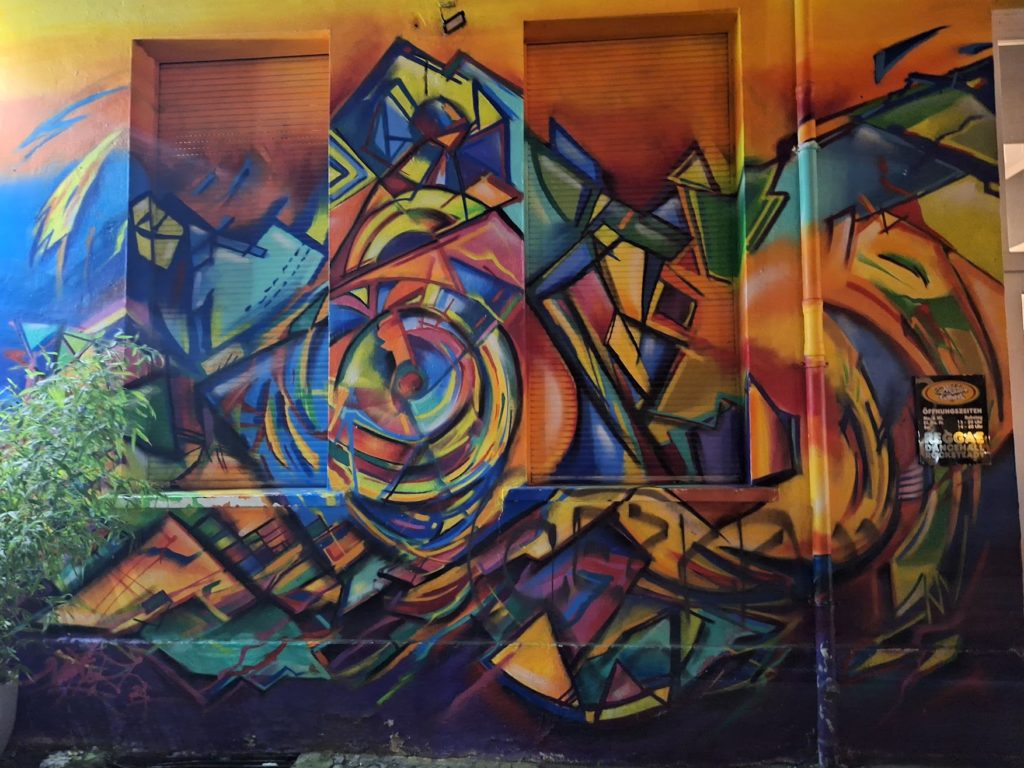
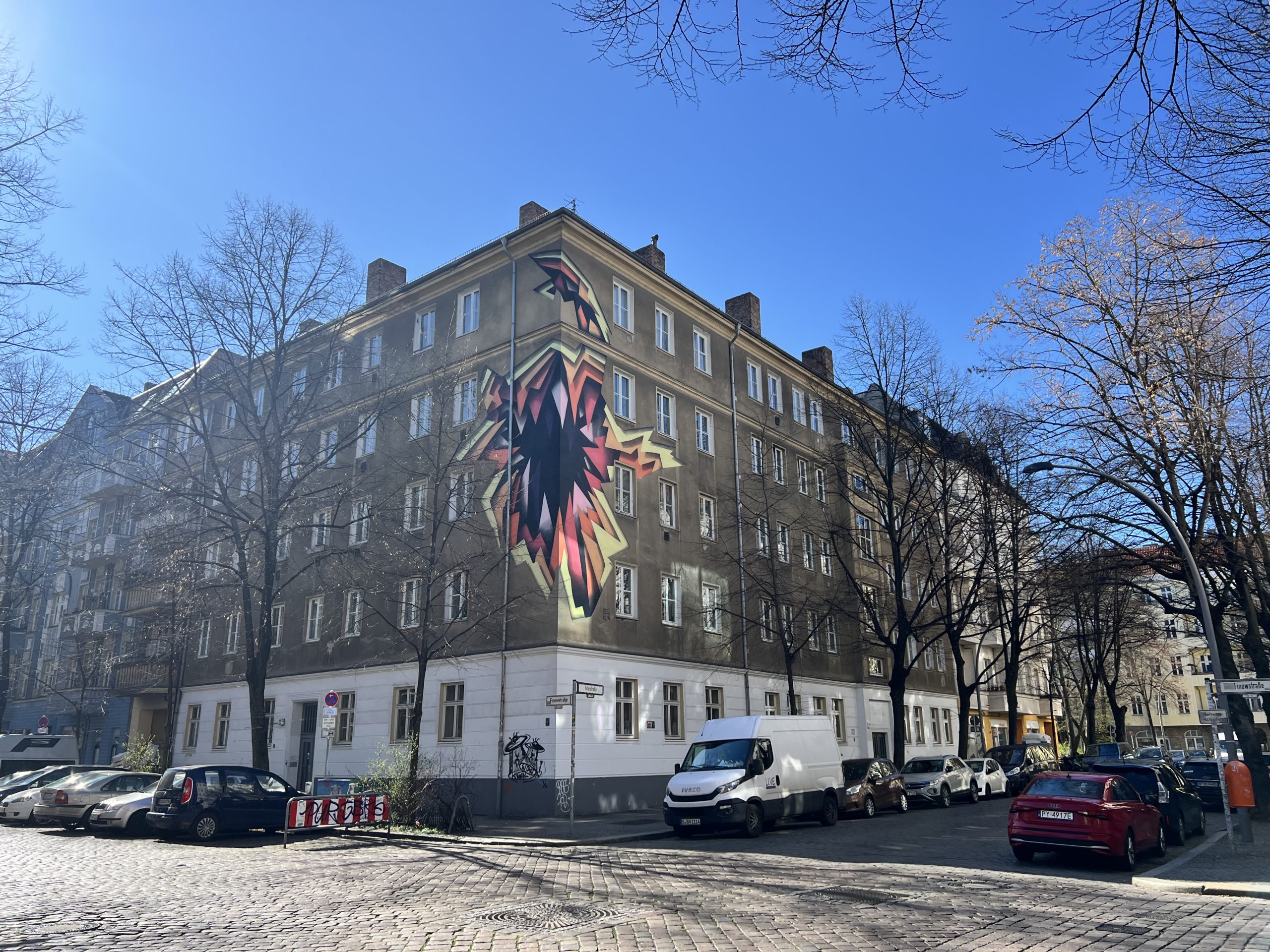
Perhaps more than anywhere else, this is the place most associated with the city that emerged after the Wall fell. Bordering the East Side Gallery along the Spree, it was one of the first places where the newly reunified city’s possibilities became tangible — vast, empty, derelict spaces suddenly available, and a generation of young people with the energy and imagination to fill them. The clubs that defined Berlin’s global reputation for electronic music — Berghain among them, housed in a former power station and still widely considered one of the best clubs in the world — grew out of exactly this moment and this place. Walking around Friedrichshain today, between the grand Stalinist architecture of Karl-Marx-Allee and the street art that covers almost every available surface, you can still feel the specific electricity of a neighbourhood that reinvented itself almost overnight and hasn’t quite finished yet.
Three of My Favourite Places in Berlin
Teufelsberg
You already know about Teufelsberg — the abandoned Cold War spy station on the hill of wartime rubble, with its radar domes open to the sky and its walls covered in some of the best street art in the city. It makes the list not just for its extraordinary history but for the experience of being there: the slightly eerie atmosphere, the sense of layer upon layer of the past, and the fact that it still feels like a discovery even when you’re not the only person there.
Supermolly
Supermolly, in Friedrichshain, is the kind of place that’s very hard to explain and very easy to love. It’s a collective-run bar and concert venue — which tells you something about the politics — with cheap drinks, deliberately mismatched furniture, and a music policy that can only be described as gloriously random.
On any given night you might find punk, metal, electronic, or something that defies categorisation entirely, and the crowd is an equally improbable mix of regulars, locals, and bewildered tourists who wandered in and decided to stay. It has no particular reason to be as good as it is. It just is.
Urban Spree
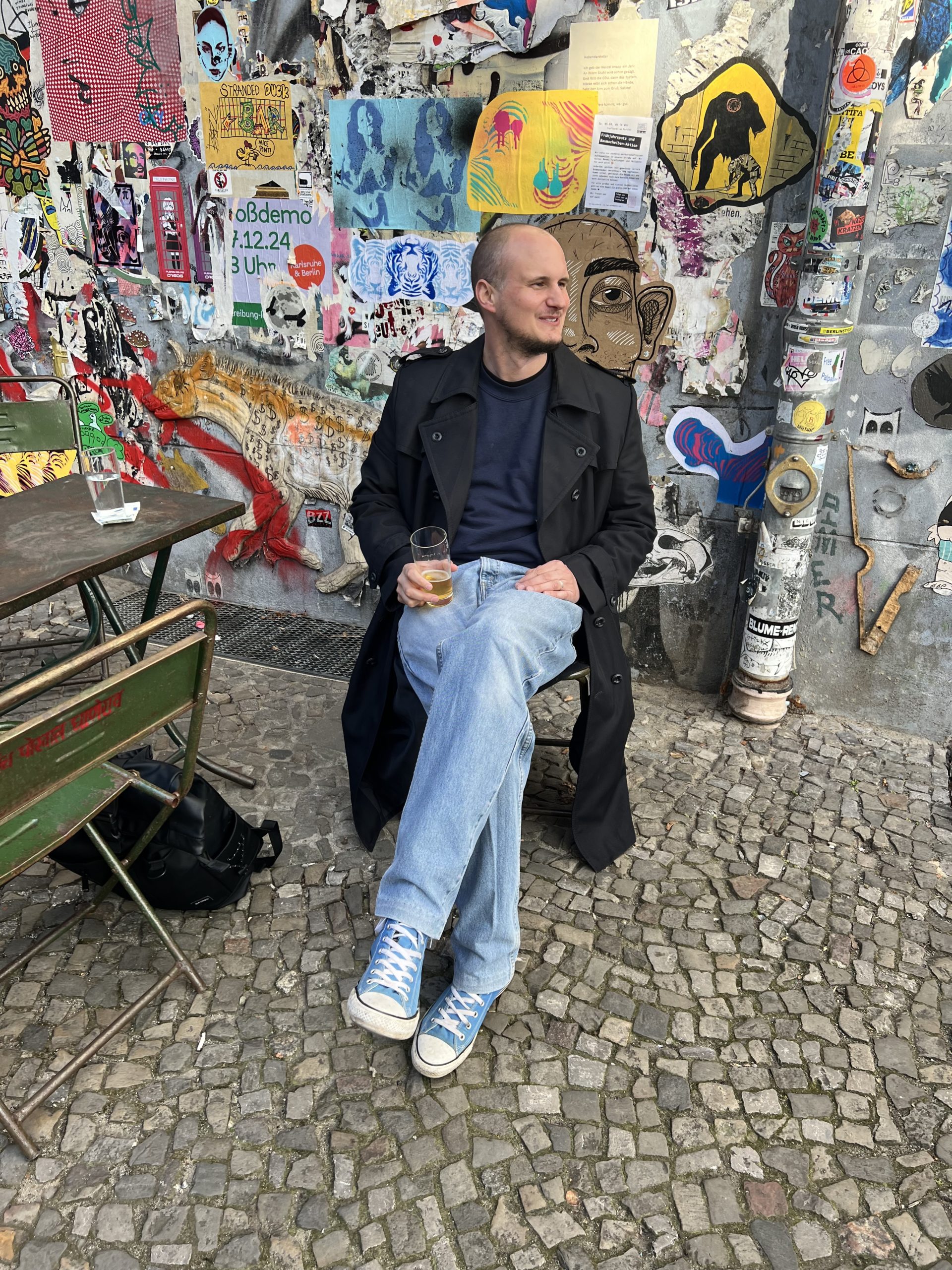
Urban Spree is usually one of my first stops whenever I arrive in Berlin. Sitting just beside Warschauer Strasse station in Friedrichshain, it’s part gallery, part concert venue, part outdoor bar — the kind of space that only really works in Berlin, where cheap rents, creative energy, and a tolerance for the rough around the edges have produced something that couldn’t have been designed, only discovered.
The courtyard is covered in murals, the programme is always interesting, and the whole place has an energy that makes you feel immediately that you’re somewhere worth being.
A City That Never Stops Surprising
Berlin rewards return visits in a way that few cities do. Each time I come back, I find something I missed before — a neighbourhood that has shifted, a bar that has appeared, a stretch of history that suddenly makes more sense now that I know the context around it. It is not a city that gives itself up easily, and that is part of what keeps drawing me back.
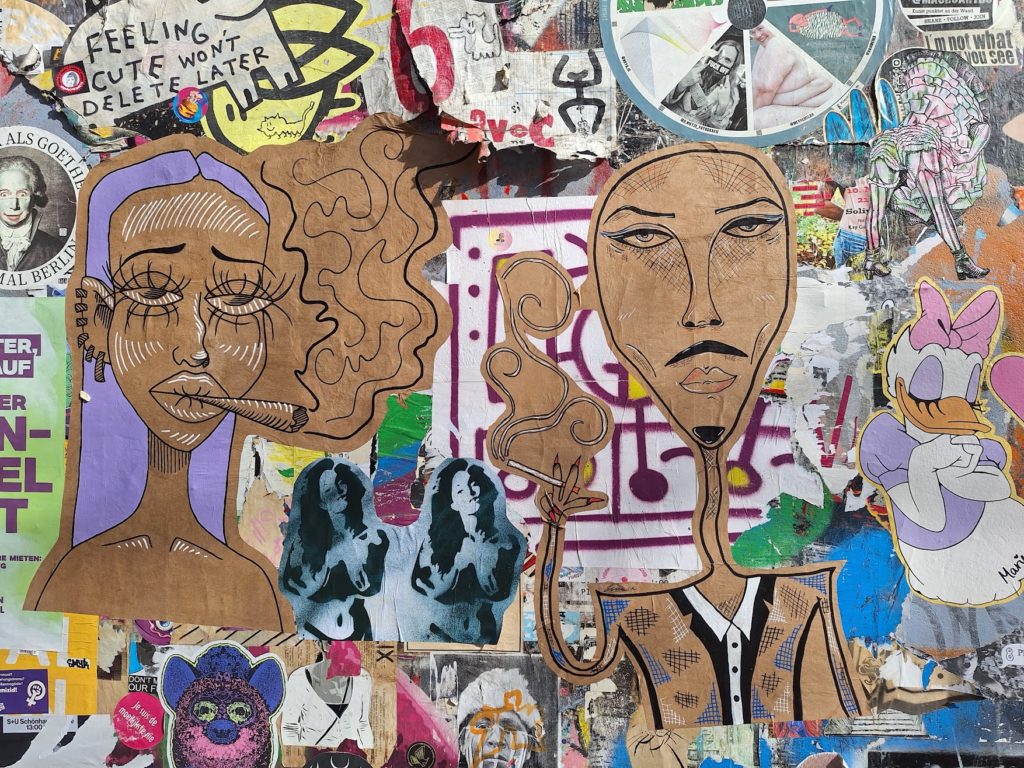
It is also, at its core, a city that understands freedom in a way that comes from having lost it. The music pounding from the clubs for the entire weekend, the street art covering every available surface, the sense that almost anything is possible and that the rules are somewhat negotiable — none of that is accidental.
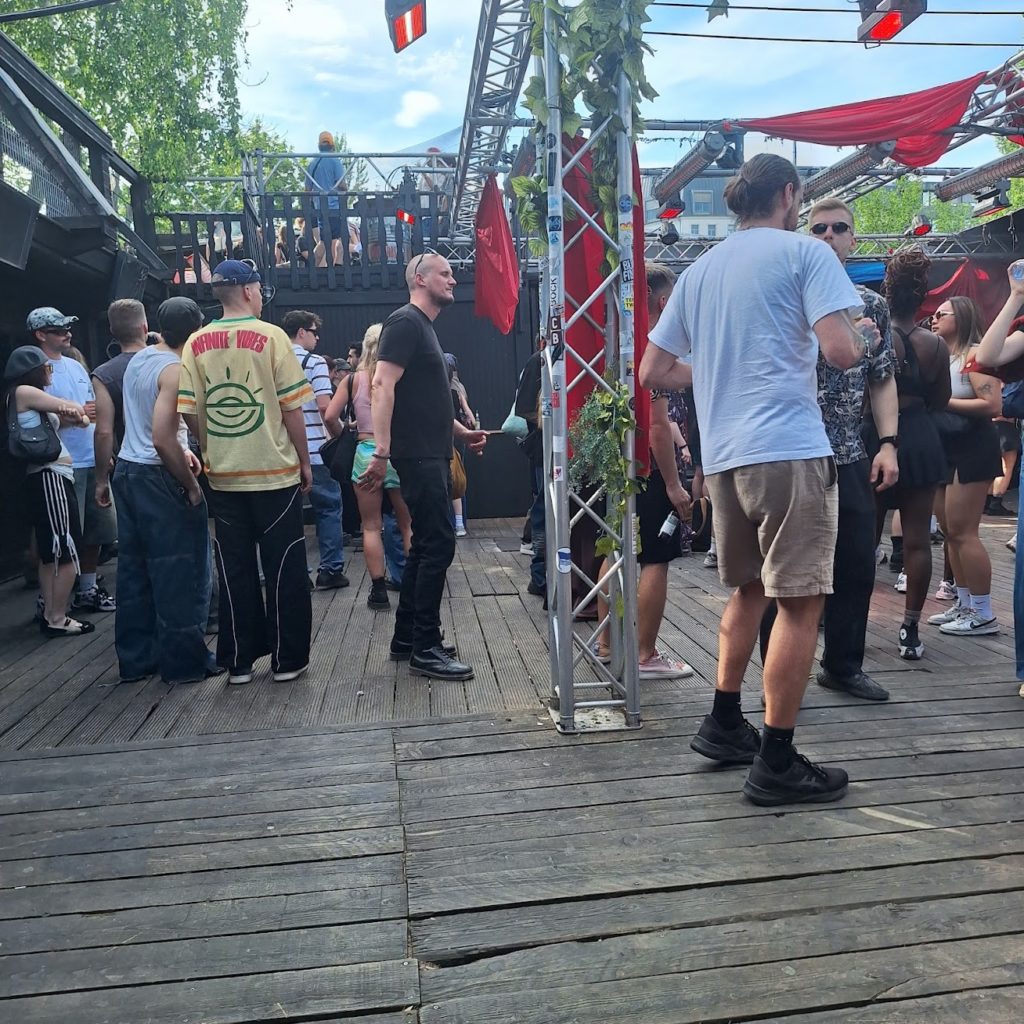
It grew directly from the experience of a city divided, and then undivided, and determined never to take the open door for granted again.
I’ve spent weeks here now across multiple visits, and I’m already planning the next one. If you haven’t been, go. And if you have — go back. There’s always more.