
As you’ll know, I’m always looking for places where real history feels stranger than fiction. Latimer House, where I attended a conference a few weeks ago, is one of them.
Latimer House is a stately home just outside London in Buckinghamshire, and whilst it may look like Downton Abbey, this place has a very different story to tell. During World War II, this elegant mansion became one of Britain’s most closely guarded secrets—a “bugging centre” where captured officers were held in comfortable surroundings, never suspecting that every word they spoke was recorded.
The intelligence gathered here helped change the course of the war. Generals, U-boat commanders, and Luftwaffe pilots traded secrets over dinner and games of chess, while hidden microphones transmitted everything to a team of listeners working around the clock in the attic rooms above.
Among the prisoners held here was Rudolf Hess, Hitler’s deputy, who made his bizarre solo flight to Scotland in 1941—supposedly to negotiate peace. Maybe the truth about why he did this remains in the conversations he had at Latimer, the transcripts from which are classified to this day.
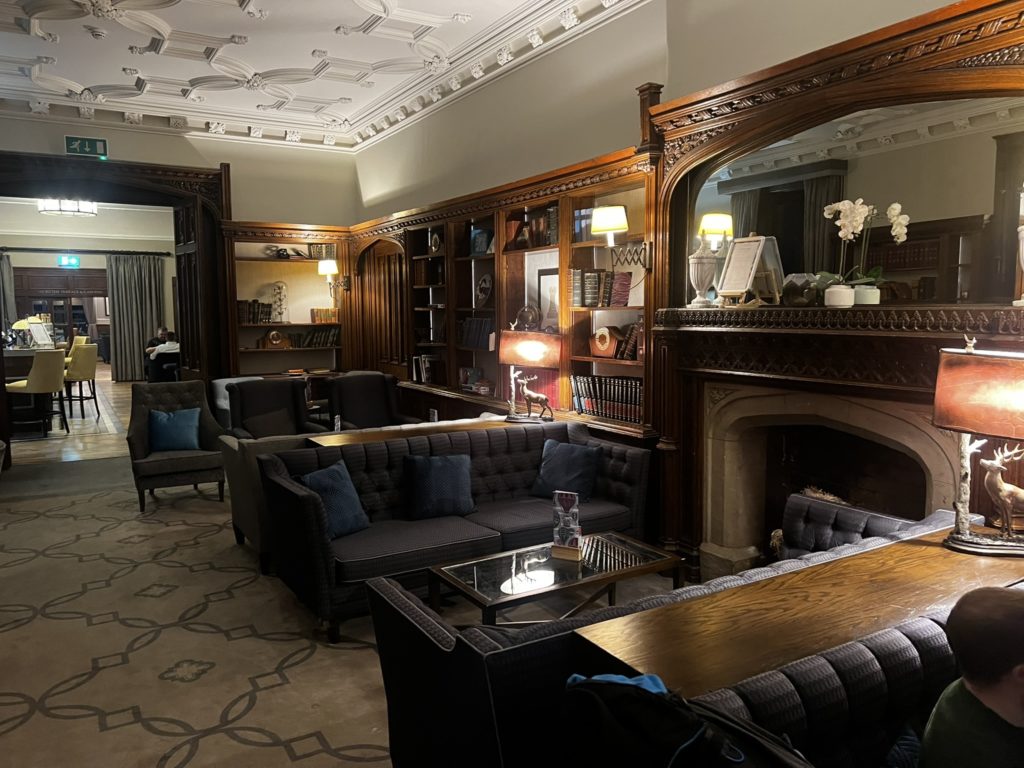
Churchill himself is said to have visited, meeting Colonel Thomas Kendrick who was in charge of the site—right in the room where we had a drink after the conference. Standing there with a glass in hand, I couldn’t help but imagine what those two men discussed.
After the war, Latimer House became a training facility—first for intelligence services, later for other government purposes.
Finally, the building was sold in the 1980’s, but with a unusual clause in the contract. In the basement of Latimer House, there’s a bricked-up tunnel. Where it leads, or what’s in there, no one knows. But the owners were told that the wall in front of the tunnel was not to be removed for 50 years. Now, as that deadline approaches, the government has added another 25 years to the closure. Whatever is down there, beneath this building where people come for conferences, meals out, or even get married, is a secret that’s officially locked down by the British Government.
What could be down there? I’m thinking a bunker from the Cold War, a records store containing information we shouldn’t know, or some secret too dangerous for the public to know. Whatever it is, my imagination is running wild!
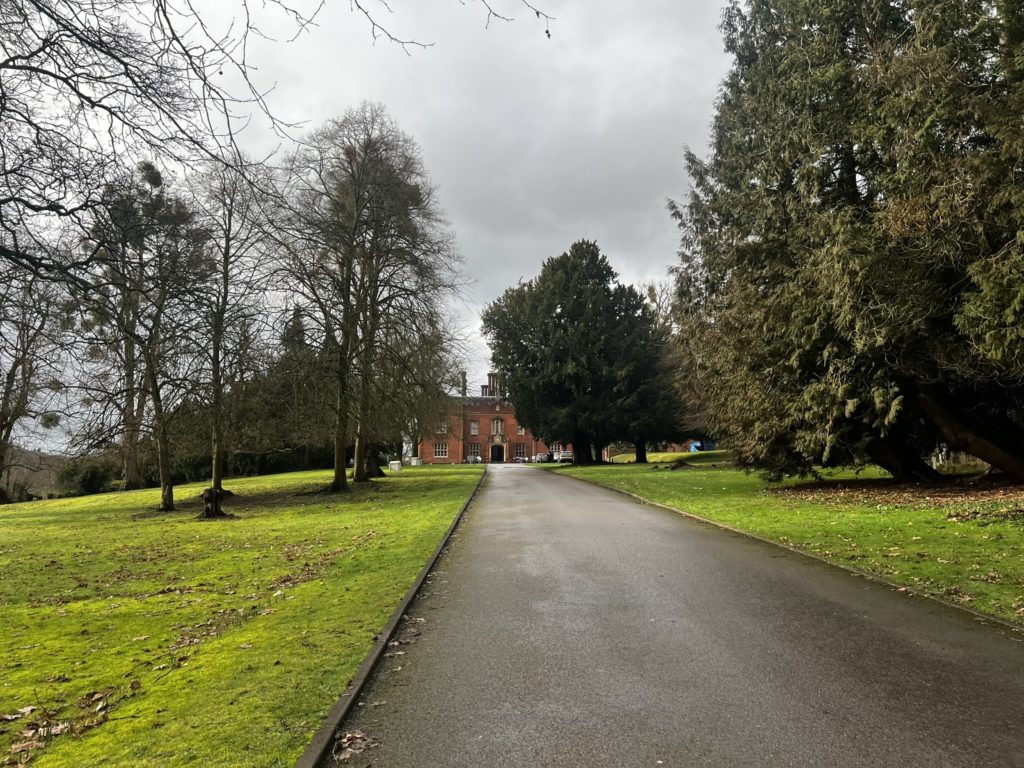
During World War II, Latimer House became one of Britain’s most closely guarded secrets: a bugging centre where captured German officers were held in comfortable surroundings. Hidden microphones recorded their conversations over dinner and chess, and a team of listeners in the attic rooms transcribed everything. The intelligence gathered helped change the course of the war.
Latimer House is a stately home in Buckinghamshire, just outside London. It looks rather like Downton Abbey, but after its wartime role as a secret intelligence centre it became a training facility for intelligence services and other government purposes. Today it hosts conferences, meals out and weddings.
No one knows. When the building was sold in the 1980s, the contract reportedly stated that the wall in front of a bricked-up tunnel in the basement must not be removed for 50 years. As that deadline approached, the government is said to have extended the closure by another 25 years.
This is exactly the kind of historical mystery that fuels my fiction. In my Eden Black novels, I explore how the past (although it’s a lot more ancient past) never quite stays buried, how secrets have a way of surfacing generations later, often with dangerous consequences.
The difference is, in my books, someone like Eden can dig up the truth and follow the tunnel to its end. At Latimer House, though, we just may never know…