This story started life as an episode of The Adventure Story Podcast, where I travel the world uncovering legends, mysteries, and the stranger edges of history. You can find the full episode here, or search wherever you get your podcasts.
The escalator at Holborn Underground station isn’t working again. You check the time before hurrying down the stairs. It’s 11:58. The last train is due in two minutes, and if you miss it, it’s an expensive cab ride home.
The sounds of London’s nighttime bustle fade as your footsteps echo from the tunnel walls. The stale air is thick with decades of brake dust and that metallic tang unique to the Underground. You rush through the connecting tunnel — cream tiles lining the curved walls, some cracked, others missing entirely, revealing dark concrete beneath like broken teeth.
You emerge onto the platform. It’s deserted. Just you, the flickering fluorescent lights, and that peculiar silence that belongs only to empty stations late at night.
Then, from the left-hand tunnel, something stirs in the darkness. A shuffle. A scrape. The sound fabric might make dragging across stone.
The temperature drops. Your breath becomes visible. The air grows thick with the scent of incense and age, like stepping into a tomb that hasn’t been opened for thousands of years.
And then you see her — emerging from the darkness like a photograph developing in reverse. An elaborate headdress. Fine linen wrapped close to her body. Golden bands at her wrists and ankles. Her feet hover inches above the tracks. Dark eyes, lined with kohl, fixed on yours with an intensity that spans millennia.
Welcome to the London Underground. Mind the gap — and the ancient Egyptian princess.
With over 1.35 billion passengers annually, the London Underground is Europe’s largest metro system. Its 272 stations and 250 miles of track form a vast maze stretching beneath one of the world’s greatest cities. But beyond the daily commuters and tourists, beyond the 543 trains running simultaneously at peak times, there’s another layer — a network of ghost stations, sealed platforms, and abandoned tunnels that hide in the darkness between stops.
And at one of those ghost stations, according to legend, an ancient Egyptian princess still roams the tunnels, searching for her way home.
To understand the legend, we have to go back to London in the 1920s.
The discovery of Tutankhamun’s tomb in 1922 had captured the world’s imagination. Suddenly, everything Egyptian was in vogue. Art Deco design borrowed heavily from Egyptian motifs, fashion embraced the look of the pharaohs, and the British Museum’s Egyptian collection became one of the city’s biggest attractions.
But along with this fascination came fear. When Lord Carnarvon — the financial backer of Tutankhamun’s excavation — died mysteriously just months after the tomb was opened, newspapers worldwide buzzed with talk of the Mummy’s Curse. The story gained further momentum when Sir Arthur Conan Doyle, creator of Sherlock Holmes, suggested that ancient Egyptian priests may have placed supernatural guardians to protect their tombs.
By the time several other members of the excavation team had died under various circumstances, the public was convinced. The Daily Express ran headlines warning of the dangers of disturbing ancient Egyptian artefacts. Some claimed that hieroglyphic inscriptions specifically warned: Death shall come on swift wings to him who disturbs the peace of the king.
It was into this atmosphere of fascination and fear that the legend of the Underground ghost was born.
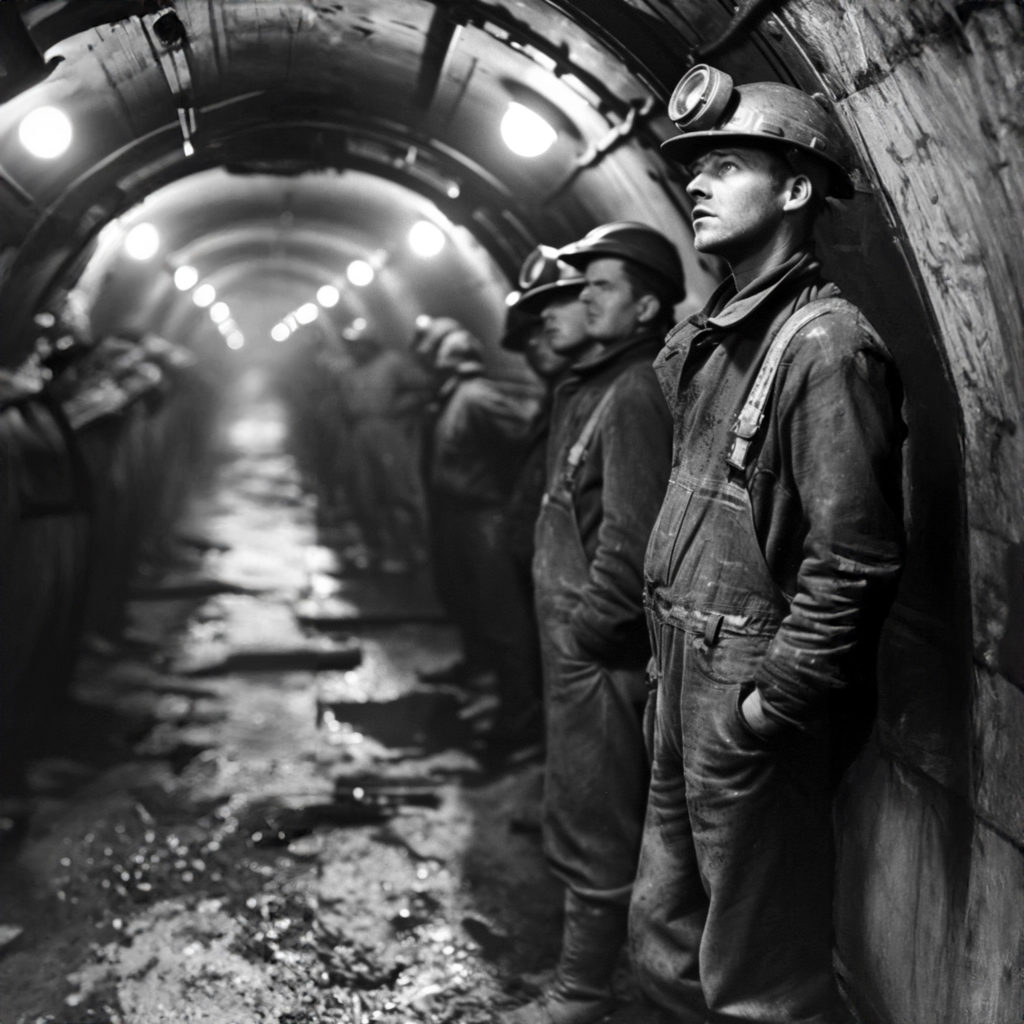
In 1933, as part of ongoing developments to the Underground network, the station that served the British Museum was deemed no longer necessary. The trains were diverted, the platforms sealed off, and the station quietly closed.
It was the workmen tasked with shutting it down who reported the first sighting.
They described a woman in ancient Egyptian dress, wearing an ornate headdress, appearing in the tunnels and letting out blood-curdling screams. The sound, they said, was unlike anything they had ever heard — a high-pitched wail in a language they couldn’t identify. The British Museum tried to dismiss these reports as nonsense. But they couldn’t explain why multiple workers, on different days, described exactly the same thing.
Twenty years later, night workers at the nearby Holborn station began reporting similar encounters — the ceremonial dress, the distinctive headdress, and always those terrifying screams. By the 1960s, track maintenance workers were refusing to enter certain sections of tunnel alone. In recent years, late-night passengers at Holborn have continued to report a figure in Egyptian dress disappearing in the direction of the old museum station.
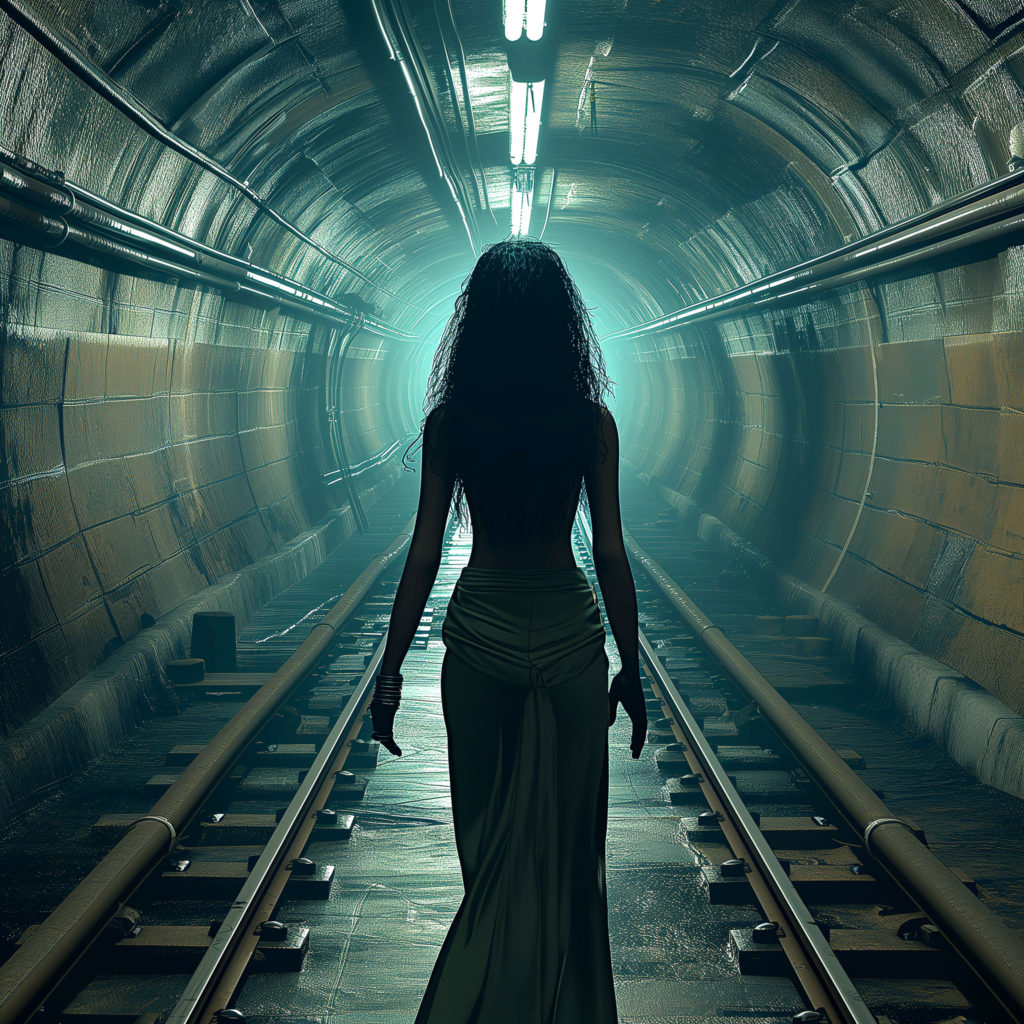
The haunting is believed to be connected to one of the British Museum’s most notorious artefacts: the mummy board of Amen-Ra.
Brought to the museum in the late 19th century, this intricately decorated wooden and plaster board — placed directly over the wrapped mummy inside the sarcophagus — had already caused a stir before it even arrived in London. The four men who transported it from Egypt had all died under mysterious circumstances, and the widow of one of them simply wanted the thing out of her life.
The legends surrounding it only grew from there. One story claims that the mummy board of Amen-Ra was loaded onto a ship bound for New York in April 1912 — a ship called the RMS Titanic. The tale became so widespread that by the 1920s it was a fixture of supernatural literature, with some versions even suggesting that ancient Egyptian magic had conjured the iceberg itself.
There is, however, one small problem with this compelling story: according to the British Museum’s own records, the mummy board never left their collection. Not in 1912. Not ever.
The most common theory is straightforward enough — Amen-Ra is wandering the tunnels, searching for her way back to Egypt. Others suggest she is protecting the ancient artefacts stored above in the museum, standing guard over the treasures of her civilisation.
Perhaps the truth lies somewhere in between. The London Underground is, in its own way, a kind of necropolis — a city beneath a city, where the past and present intertwine in the darkness. It is exactly the kind of place where old stories refuse to stay buried.
So, if you ever find yourself at Holborn station late at night, rushing for the last train, listen carefully. If you hear screaming in a language that hasn’t been spoken for thousands of years — well, maybe it’s just the wind in the tunnels. Maybe it’s just the echo of distant trains.
Or maybe Amen-Ra is still there, walking the dark passages beneath London, searching for her way home.
According to legend, yes. When British Museum station closed in 1933, the workmen sealing it off reported a woman in ancient Egyptian dress and an ornate headdress appearing in the tunnels and letting out blood-curdling screams in a language they couldn’t identify. Multiple workers, on different days, described exactly the same thing, and the British Museum could not explain it.
British Museum station was closed in 1933 as part of ongoing developments to the Underground network, when it was deemed no longer necessary. The trains were diverted, the platforms sealed off, and the station quietly closed. It was during this shutdown that workmen reported the first sightings of the ghostly Egyptian figure.
Yes, according to the stories. Around twenty years after British Museum station closed, night workers at nearby Holborn reported a figure in ceremonial Egyptian dress and headdress, always accompanied by terrifying screams. By the 1960s, track maintenance workers refused to enter certain tunnel sections alone, and late-night passengers still report her vanishing towards the old station.
No. A widespread story claims the mummy board of Amen-Ra was loaded onto the RMS Titanic in April 1912, with some versions even suggesting Egyptian magic conjured the iceberg. However, according to the British Museum’s own records, the mummy board never left their collection — not in 1912, and not ever.
It is an intricately decorated wooden and plaster board, placed directly over the wrapped mummy inside the sarcophagus, that came to the British Museum in the late 19th century. The four men who transported it from Egypt all reportedly died in mysterious circumstances, and it is believed to be connected to the Underground haunting.
Enjoyed this story? It’s taken from The Adventure Story Podcast, where I travel the world uncovering legends, mysteries, and the stranger edges of history. You can find it wherever you get your podcasts.
If you’d like to join the Adventure Society — my weekly newsletter covering real-world adventures, travel stories, and first access to new books and podcast episodes — head to lukerichardsonauthor.com/adventuresociety.