This article is based on an episode of The Adventure Story Podcast, where author I talk with writers, explorers, and historians about the mysteries and adventures that inspire great stories. You can listen below, or find the full episode wherever you get your podcasts.
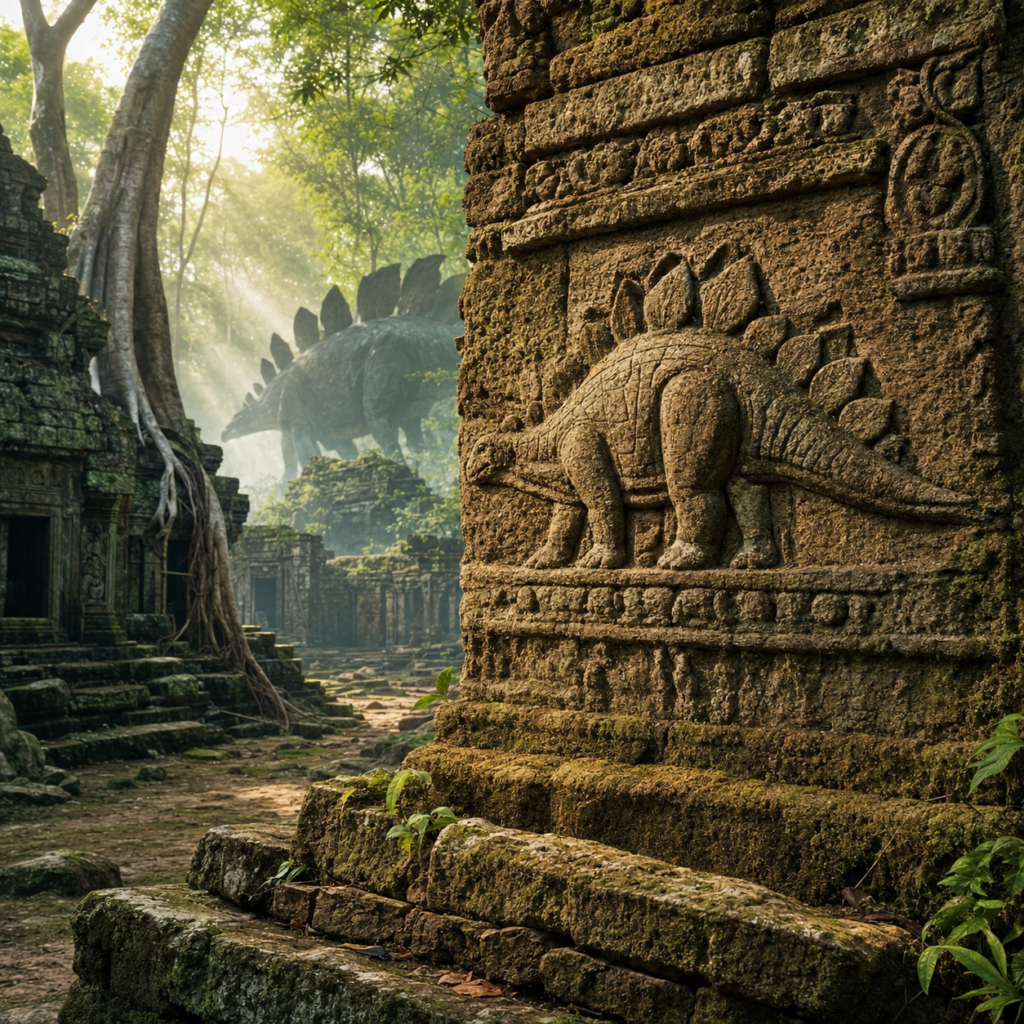
A deity so powerful that empire after empire adopted it as their own. A symbol so enduring that it survived conquest, assimilation, and the collapse of entire civilisations. The Feathered Serpent — Quetzalcoatl to the Aztecs, Kukulkan to the Maya — is one of the most fascinating figures in the ancient world, blurring the line between history and myth and leaving behind temples, cryptic prophecies, and questions that scholars and adventurers are still chasing today.
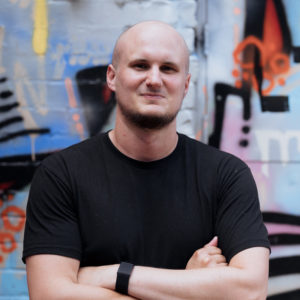
To help make sense of it all, I sat down with author and adventurer Steven Moore for the Adventure Story Podcast. Steven has spent decades travelling and living around the world — Bali, Thailand, Mexico — and his background in anthropology, archaeology, and art history brings a rare depth to his fiction. His Hiram Kane action thriller series takes readers to the kinds of places most people only dream about visiting, and his novel The Feathered Serpent puts Quetzalcoatl right at the heart of the story.

Who — or What — Was the Feathered Serpent?
The Feathered Serpent predates both the Aztecs and the Maya, originating in the Olmec culture — considered the mother civilisation of most Mesoamerican societies. From there, the deity evolved and was adopted by culture after culture across the region, each one adapting it slightly but keeping its essential power intact.
Steven’s take on why this happened is refreshingly direct. When one civilisation conquered another, it needed to maintain control over the people it had subjugated, and one of the most effective ways of doing that was to adopt the gods those people already respected. Keep the familiar, adjust the details, and the deity continues to do its work — holding the social order in place, legitimising the authority of the new rulers, and giving the population something to believe in.
“It’s just a clever political tool, really, if you’re a cynic like me,” Steven says. “There’s a clue in the word culture — it sounds like cult — and most cults have leader figures.”
It’s a thought that resonates well beyond Mesoamerica. The same process shaped the way Christianity absorbed pagan midwinter festivals, the way Roman gods absorbed Greek ones, the way every successful empire has repackaged the beliefs of the people it conquered into something it could use. Most things come from something before.
A Disgraced Professor and a Very Good Name for a Villain
In Steven’s novel, Quetzalcoatl becomes the moniker of the story’s antagonist — a disgraced university professor in Mexico who felt betrayed by the system and adopted the name of the ancient creator god to strike fear into those he sought revenge against. It’s the kind of detail that works beautifully in fiction precisely because it’s rooted in something real: the power that certain names carry, the way ancient symbols can be repurposed for modern ends.
The book is set in and around San Miguel de Allende in the state of Guanajuato in central Mexico, where Steven lived for many years. Just outside the city lies a pyramid called Cañada de la Virgen — the Mouth of the Virgin — built by the Otomi people, the warrior class of the Aztec culture, and covered in representations of Quetzalcoatl in its carvings and associated texts. It was, as Steven puts it, the obvious choice.
“When you live somewhere long enough, the ideas come to you.”

The World’s Biggest Pyramid — Hidden in Plain Sight
One of the most remarkable asides in our conversation was Steven’s mention of Cholula, just outside Mexico City, which is home to what is technically the largest pyramid in the world by volume — larger even than the Great Pyramid of Giza. For centuries it sat unrecognised, covered by trees and vegetation, its true nature hidden from the Spanish conquistadors who built a Catholic church directly on top of it. That whitewashed colonial church still sits there today, perched on the summit of an ancient Aztec pyramid, an extraordinary physical reminder of how completely one culture can be layered over another.
It’s exactly the kind of detail that makes Mesoamerica such fertile ground for adventure fiction: the history is vast, the sites are extraordinary, and the stories of what was buried, conquered, or forgotten are seemingly endless.
Writing From the Inside
One of the strongest threads running through our conversation was the question of what it means to write about a place you have actually lived in, rather than simply researched. Steven’s answer was characteristically thoughtful. He wouldn’t go so far as to say visiting a location is essential — but his readers consistently tell him that his books make them feel as though they are there, experiencing the place alongside the characters.
“Place is an underrated character in books,” he says. “I like to use a full sensory experience — the smell of incense in Bali, the smell of rice paddies in Thailand. If you’ve experienced it firsthand, I think you can write it more authentically.”
It is the small, nuanced details that give a story away as genuine: a word only locals would use, a dish only someone who had been there would think to include, a smell that exists nowhere else on earth. Readers who have been to those places will recognise it immediately, and readers who haven’t will feel it anyway, even if they can’t quite say why.
It’s something I think about a great deal in my own writing. There comes a point where no amount of research fully substitutes for having stood somewhere, heard the sounds, and felt the heat.

What’s Next for Steven Moore
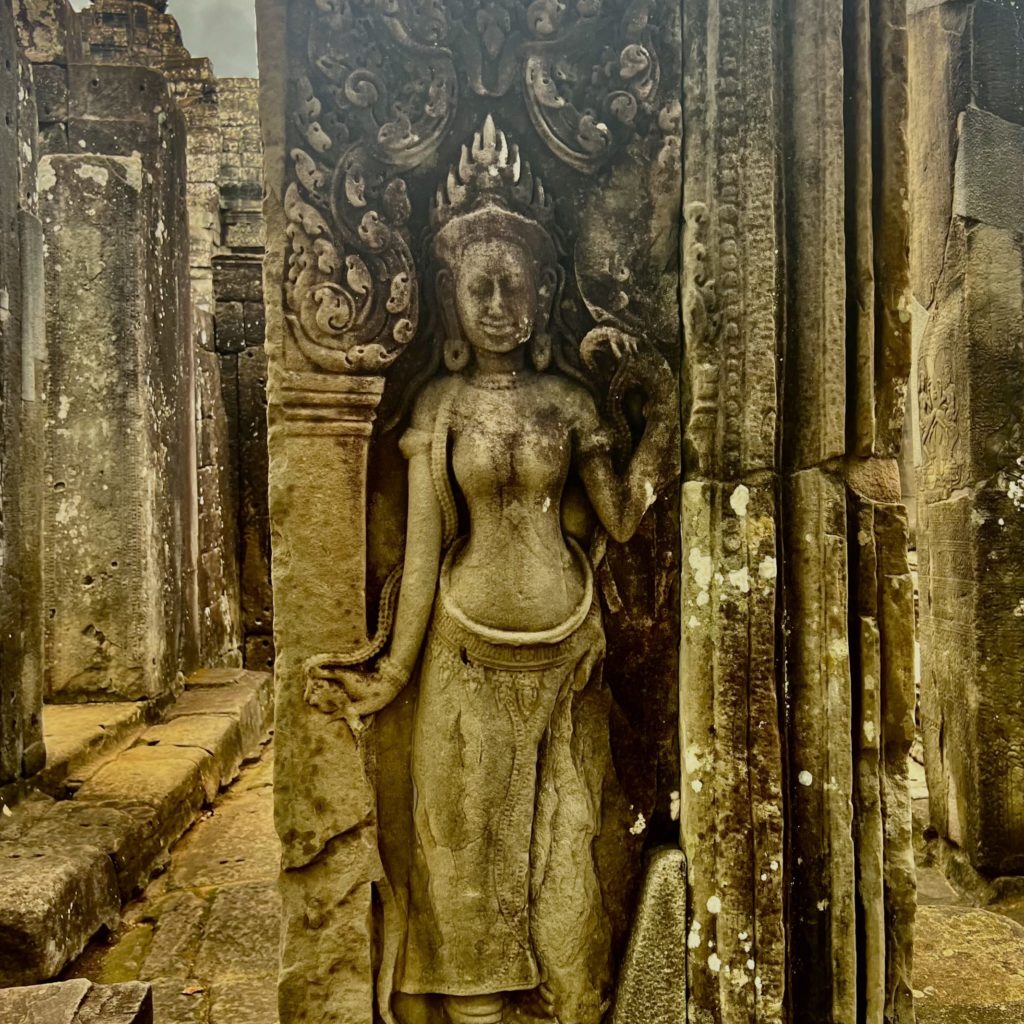
Steven is currently finishing what will be the ninth or tenth book in his Hiram Kane series — a novel set in Crete, centred on the Minoan culture and the palace of Knossos. He revealed the title on the podcast for the first time: Where Monsters Dwell, a nod to the legend of Theseus and the Minotaur, which has its roots in the Minoan civilisation. He also has his sights set on Cambodia and the Angkor Wat temple complex for a future novel — though he was generous enough to acknowledge that I may have got there first.
He also mentioned Ciudad Perdida — the Lost City of Colombia — as a setting he is determined to write about eventually, which means a research trip to South America is on the horizon. Knowing Steven, it’ll be a good one.
If you enjoyed this, the full conversation with Steven is available on The Adventure Story Podcast — find it wherever you get your podcasts. And if you’d like to join the Adventure Society, my weekly newsletter covering real-world adventures, new books, and podcast updates, head to lukerichardsonauthor.com/adventuresociety.