Music has been a big part of my life for a long as I can remember, and this is the first one of my novels to include it. I loved writing the various nightclub scenes here. The DJs mentioned are friends of mine too—although they may be so underground that even Google doesn’t know about them (yet). As such, I dedicate this book to everyone I’ve danced with. Whilst there are way too many of you to mention by name, and I am bound to offend by trying, know that the moments we’ve spent getting lost in the music are very special to me.
I do want to make a special mention, though, to those who are now dancing, singing and partying elsewhere:
Peter Clough
Craig “Chopper” Hutchinson
and Paul Revill
To quote the 1998 hit by house music trio Stardust, “the music sounds better with you.”
For reasons I can’t wholly understand, Berlin is one of my favorite European cities. Maybe it’s the music, which you can’t help but hear pounding from the open windows of bars, nightclubs or people sitting in the parks. Maybe it’s the intrigue of its checkered history, which is still plain to see when walking around the city. Or maybe it’s just the fact that over the years I’ve spend several wonderful weeks there with friends and Mrs. R.
One of the most intriguing sites in Berlin (or rather, just outside Berlin) is the abandoned spy station where the climax to this story takes place. The station is exactly as described here, with its tattered radar domes still visible for miles around. The structure sits on top of the man-made hill called Teufelsberg – Devil’s Mountain. This man-made mound, built from the city’s World War II rubble, conceals beneath it an unfinished Nazi military college.
During the Cold War, though, it became a listening station—a hub of espionage where American and British intelligence operatives eavesdropped on Soviet and East Bloc communications. It’s haunting to think about the secrets that would have passed through those corridors and how it may have played a part in the Cold War.
I actually tried to visit Teufelsberg twice before being successful. On my first two visits the site was closed, and with triple fences topped with barbed wire, I wasn’t going to attempt a break in.
On the third time of trying, long after this book was first published, I made the walk again to find the station open. It’s now become something of an alternative tourist hot spot, with a bar and incredible graffiti. Definitely worth a look if you’re in the city!
The nightclub featured here is also like many I visited during my visits. As a lover of electronic music, the nightclubs of Berlin are unparalleled. The scene has a rich and fascinating history that dates back to the early 20th century. In the 1920s, during the Weimar Republic, Berlin was known for its thriving cabaret culture and vibrant nightlife. Clubs like the Eldorado and the Moka Efti were famous for their flamboyant performances and diverse clientele, including artists, intellectuals, and members of the LGBTQ+ community.
After World War II and the division of Berlin, the city’s nightlife scene evolved differently in the East and West. In West Berlin, clubs like the Dschungel and the Risiko emerged as key venues for punk and new wave music in the 1970s and 80s. These clubs played a significant role in shaping Berlin’s alternative culture and political activism.
In East Berlin, nightlife was more restricted and controlled by the state. However, in the 1980s, illegal parties and underground clubs began to emerge, providing a space for East Berlin’s youth to escape the confines of the authoritarian regime.
After the fall of the Berlin Wall in 1989, the city’s nightlife scene underwent a dramatic transformation. Abandoned buildings and factories in the former East Berlin were converted into makeshift clubs, giving rise to a new era of techno and electronic music. Clubs like Tresor, E-Werk, and Bunker became legendary for their marathon parties and cutting-edge music.
Today, Berlin is widely regarded as one of the world’s premier nightlife destinations, with a diverse array of clubs catering to different tastes and subcultures. The city’s clubbing scene is known for its open-mindedness, creativity, and inclusivity, attracting visitors from all over the globe.
During the years I was a school teacher, it was my dream to go and stay in a place and write a book about it while I was there. This book marks a part completion of that dream as while re-writing this book in 2023, Mrs. R and I spent a week in Berlin. As such, this is one of my favorite rewrites of the series.
During that re-writing process, I realized several shortcomings in the first version, including a lack of Berliners in the story. This is especially important because the people of Berlin—be them locals who have lived in the city their whole lives, the creatives who flock there for Berlin’s artistic merits, or those who have ended up there for any other reason, make the city what it is.
Once again, although the words here are my own, the characters, experiences and some of the events described are wholly inspired by the people I’ve traveled beside.
If we ever shared noodles from a street-food vendor, visited a temple together, played cards on a creaking overnight train, or had a beer in a back-street restaurant, you are forever in this book, and for that, I thank you!
Again, thank you for coming on the adventure with me. I hope to see you again.
Luke
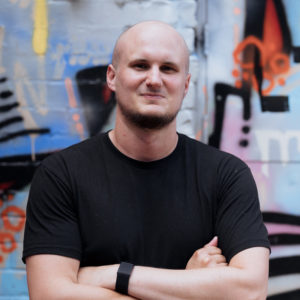
I write books that blend history, adventure, and suspense, taking you on a journey to foreign and exotic places like the Pyramids of Giza, the skyscrapers of Hong Kong, and the backstreets of Kathmandu. Whether you’re a history buff, a travel addict, or just looking for excitement, my stories are for you.