This is the author note, which is published at the end of the book. It’s my chance to pull back the curtain a little and tell you what parts of the story are true, and where I’ve taken dramatic liberties. As a world traveller, I love bringing real places, cultures and history into my stories, and I feel it would be a mistake not to share the truth with you.
Be aware, there are spoilers here! I’d suggest you don’t read this until you’ve finished the book.
Order your copy of the book here.
Thanks so much for reading The Atlantis Agenda. It’s been my pleasure to bring Eden Black and her crew back to the page, and I hope you’ve enjoyed it.
I love how these books incorporate my love of travel, and The Atlantis Agenda is no exception. Actually, at the time of this book’s release, I’ll be in Mexico. I purposefully held off completing the final draft right until the last moment, just so that I could add in some of those details that make the book ring true if you know the settings.
Several readers have told me they feel my books “transport them into the setting along with the characters.” That really is a fantastic compliment, and one I take seriously with all the books I produce.
If you read the author’s note in the back of The Ark Files, and The Giza Protocol, you’ll know what to expect here. In the two previous books in the Eden Black series, I described in the Author’s Note the various parts of the stories which were based on true events and the curious way in which those stories came to me.
I must confess I’ve taken more dramatic liberties with this story, as you’ll probably have guessed. Ultimately, this story is less about secret societies, hidden relics and lost civilizations and more about things I think we all understand: family, acceptance, and the mistakes even the most knowledgeable people can make along the way. In that way, it’s a much more “human” book. I certainly enjoyed getting to know Eden and Alexander Winslow better in the writing of this book.
That said, there are still parts of this book which hinge on legends that could be true. The idea that there is another race of intelligent beings living on Planet Earth has been explored by many writers, documentary makers and philosophers. In research for this, I read several articles and watched several documentaries that suggested this super race are either aliens, angels, an ancient species which pre-dates us, or even something we’ve created and lost control of. Personally, I think they’re less likely to live in a pyramid in the Amazon rainforest, but more likely to walk amongst us. If these people looked the same, how would we even know? And ultimately, I suppose, if they meant no one any harm, would it really matter? We live in a world that can feel so divided anyway, that maybe it’s best we never find out.
One documentary, The Unacknowledged, gave me the idea of Commander Fang’s false flag operation. The makers of this documentary start by telling us all about alien technology, before suggesting that it will be used by humans to control other humans. It’s compelling and interesting. With this book, I wanted the aim to be simpler, however; hence the final twist which brings us back to plain, old, human, revenge.
I also teased the idea of the Crystal Skulls here, calling them ‘The Orbs of Atlantis.’ This was partly my homage to Indiana Jones — without whom, these books would certainly not be the same — and my way of saying “not everything is quite as it seems.”
The legend of the Crystal Skulls has captivated imaginations for centuries. These enigmatic artifacts, allegedly carved from solid crystal, are believed to possess extraordinary powers and mystical origins. Legend has it that the Crystal Skulls were created by ancient civilizations as vessels of wisdom and knowledge. Some believe they have the power to channel cosmic energies, while others attribute them with healing properties and the power to unlock a higher consciousness. Despite skepticism, the Crystal Skulls continue to inspire curiosity, leaving us to wonder if they truly hold the secrets of our ancient past or are merely intriguing works of art.
As for the lost city of Atlantis, does it really exist?
This certainly is one of the greatest archaeological mysteries of all time. The legend of Atlantis has captivated historians, archaeologists, and enthusiasts for centuries. According to ancient Greek philosopher Plato, Atlantis was an advanced civilization that flourished thousands of years ago. Described as a utopian island with advanced technology and a highly developed society, Atlantis allegedly met its demise in a cataclysmic event, sinking beneath the ocean. The exact location of Atlantis remains a subject of debate, with various theories suggesting locations ranging from the Mediterranean Sea to the Caribbean. Whether Atlantis was a real place or a figment of Plato’s imagination, its allure lies in the tantalizing possibility of a lost world of advanced knowledge.
Ultimately, there are the sites of countless ancient cities around the world. Whether one of these is Plato’s fabled Atlantis is very much up for discussion. Some of these sites have been built on anew and we still use today, others lie beneath the ground, or beneath the water. In my research for these books, it has become clear to me that civilization, in one form or another, is older than contemporary history suggests.
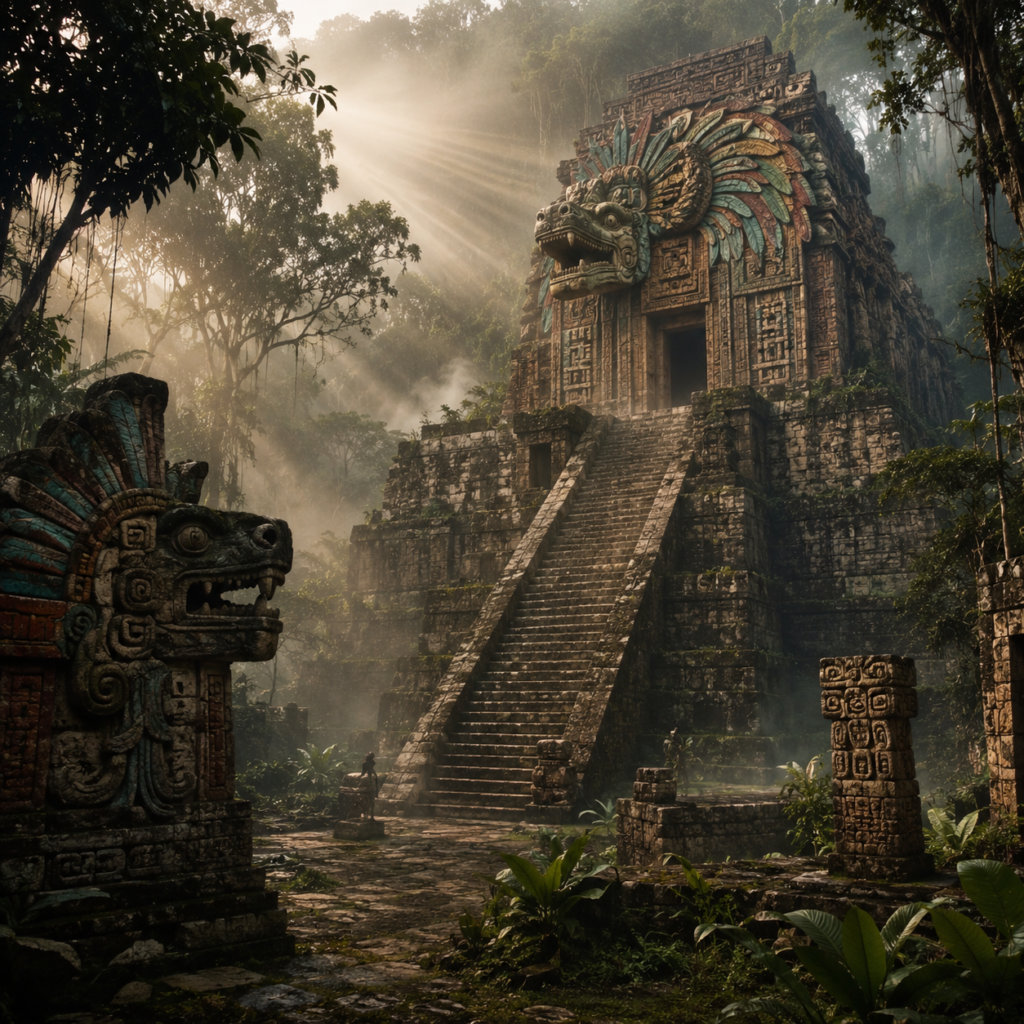
Teotihuacán, where the orbs in the story are found, is one example of this. I visited the ancient site shortly before releasing this book. Flourishing between the 1st and 7th centuries CE, Teotihuacán was one of the largest and most influential pre-Columbian civilizations. Home to monumental pyramids, such as the Pyramid of the Sun and the Pyramid of the Moon, Teotihuacán showcased advanced urban planning, intricate murals, and a complex social structure. However, little is known about its origin and ultimate decline. Abandoned before the arrival of the Aztecs, Teotihuacán left behind a rich cultural legacy. It made me wonder while exploring the structures, that as we know so little about the society that built this place, what other civilizations are there that we know nothing about?
It’s not a far stretch to assume that we are not the only race to have once inhabited the planet. The planet was around for a long time before humans, and will no doubt outlast us, too. With that in mind, I think it’s highly likely there are the unknown remains of a lost civilization beneath permafrost, under the ocean, or even (as I suggest here) buried beneath the jungle.
In this story, Eden and Alexander don’t get to find Atlantis. I think that they get to understand something far more important, though, and that’s the value of being connected to each other.
That doesn’t mean they won’t discover the fabled lost city in the future sometime…
Once again, thank you for your company on this adventure.
See you on the next one.
Luke
June 2023
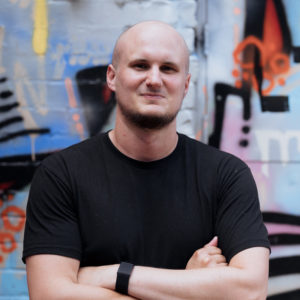
I write books that blend history, adventure, and suspense, taking you on a journey to foreign and exotic places like the Pyramids of Giza, the skyscrapers of Hong Kong, and the backstreets of Kathmandu. Whether you’re a history buff, a travel addict, or just looking for excitement, my stories are for you.